
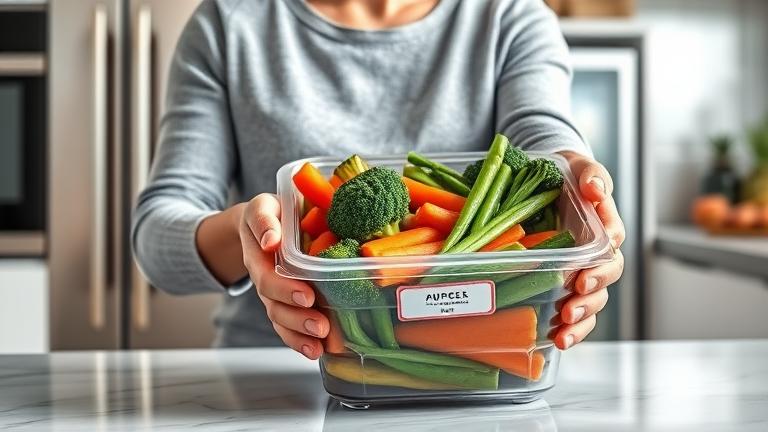
Is Freezing Cooked Vegetables Safe?
Many home cooks wonder if it’s safe to freeze cooked vegetables. The good news is that with proper handling, freezing cooked veggies can be a convenient way to save leftovers and reduce waste. However, it’s important to follow food safety guidelines to keep your meals fresh and safe to eat.
Freezing cooked vegetables is safe when done correctly, but improper storage or handling can lead to foodborne illnesses or spoilage. Bacteria don’t usually grow well at freezing temperatures, but if the food was contaminated before freezing or if it isn’t stored properly, some risks remain. To keep your cooked vegetables safe, follow these simple tips and rules.
Key Safety Tips for Freezing Cooked Vegetables
- Cool before freezing: Always let cooked vegetables cool down to room temperature before placing them in the freezer. Hot foods can raise the freezer’s temperature and create condensation, which promotes bacteria and mold growth.
- Use airtight packaging: Store cooked vegetables in airtight containers or freezer bags. Remove as much air as possible to prevent freezer burn and preserve quality.
- Label and date: Clearly mark each package with the date of freezing. This helps you keep track of how long they’ve been stored.
- Freeze promptly: Don’t leave cooked vegetables sitting out for hours. The faster you freeze them after cooking, the better their safety and taste.
- Maintain proper freezer temperature: Keep your freezer at 0°F (-18°C) or lower. This ensures that bacteria remain dormant and prevents spoilage.
Understanding the Risks
While freezing halts bacterial growth, it doesn’t kill bacteria already present. If cooked vegetables weren’t stored or handled properly before freezing, bacteria could survive and become active when thawed. That’s why it’s essential to follow safe handling practices.
Another common risk is freezer burn, which happens when air reaches your food and causes dehydration. Freezer-burned vegetables are safe to eat but might lose texture and flavor. To minimize this, use moisture-resistant packaging and try to consume frozen cooked vegetables within 8 to 12 months for the best quality.
Food Safety Guidelines
| Aspect | Guideline |
|---|---|
| Cooling | Let cooked vegetables cool to room temperature within two hours after cooking. |
| Storage | Use airtight containers or freezer bags; remove excess air. |
| Duration | Consume within 8 to 12 months for best quality. |
| Reheating | Thaw in the fridge or microwave, then reheat to an internal temperature of 165°F (74°C). |
| Refreezing | Avoid repeatedly thawing and refreezing cooked vegetables, as this can increase safety risks and reduce quality. |
Common Mistakes to Avoid
- Freezing hot or warm vegetables directly, which can cause condensation and spoilage.
- Using old or damaged packaging that allows air inside.
- Freezing cooked vegetables for longer than recommended, risking freezer burn and texture loss.
- Reheating improperly, which may leave bacteria alive and cause illness.
In summary, freezing cooked vegetables is safe and can be a smart way to extend their shelf life. Just make sure to cool them properly, store in airtight containers, and follow proper handling tips. When in doubt, always reheat thoroughly and check for any signs of spoilage before eating.
Benefits of Freezing Cooked Veggies
Freezing cooked vegetables is a simple and smart way to save time and enjoy healthy meals. When you freeze cooked veggies, you can have a delicious side dish or ingredient ready whenever you need it. This makes meal planning easier and helps you avoid last-minute trips to the store.
One of the biggest benefits of freezing cooked vegetables is the convenience it offers. Instead of cooking each time or letting vegetables go to waste, you can prepare large batches ahead of time. Once cooled down, pack them into airtight containers or freezer bags. When you’re hungry or in a hurry, just take out what you need, reheat, and enjoy. This saves time and effort during busy weekdays.
Another reason to freeze cooked vegetables is that it helps preserve their nutrients. Many vegetables contain vital vitamins and minerals that can degrade over time if not stored properly. Freezing locks in these nutrients, keeping your meals healthy and nutritious. It’s a great way to ensure you’re still getting the benefits of fresh produce, even after storage.
Reducing food waste is also a major advantage. Fresh vegetables often spoil if not eaten quickly. By cooking and freezing leftovers or surplus veggies, you extend their shelf life significantly. This means less food ends up in the trash and more savings for your household. Plus, it’s good for the environment by minimizing waste.
Freezing cooked veggies also allows for versatile meal options. You can prep ingredients for stir-fries, pasta dishes, soups, or salads in advance. This flexibility helps keep your diet balanced and makes it easier to experiment with new recipes. Additionally, frozen cooked vegetables usually maintain their flavor and texture well if stored properly and reheated gently.
- Always cool cooked vegetables before freezing to prevent ice crystals and freezer burn.
- Use airtight containers or quality freezer bags to prevent moisture loss and keep flavors fresh.
- Label your packages with date and contents to keep track of storage times.
- Reheat gently to maintain taste and texture – avoid overheating, which can make veggies mushy or uneven.
While freezing is highly beneficial, keep in mind that some vegetables may change slightly in texture after freezing, especially if they are high in water content. Root vegetables like carrots tend to hold up well, but items like lettuce or cucumbers are not suitable for freezing. Following proper freezing techniques and choosing the right vegetables can make a big difference in the final result.
In short, freezing cooked veggies is a practical choice for busy households aiming for healthy, tasty meals. It helps keep nutrients intact, cuts down on waste, and provides a quick meal solution. With a little prep, you can enjoy fresh-tasting vegetables at any time, all year round.
Best Ways to Freeze Cooked Vegetables
Freezing cooked vegetables is a great way to preserve their freshness, flavor, and nutrients for future meals. Proper freezing techniques help retain the texture and taste, making your leftovers just as tasty later on. Whether you’ve cooked a big batch of broccoli, carrots, or a veggie stir-fry, these methods will guide you to freeze your vegetables effectively and safely.
Preparation Before Freezing
Before freezing, it’s important to prepare your cooked vegetables properly. Start by letting the vegetables cool to room temperature after cooking. Hot foods can raise the temperature of your freezer, which might affect other stored items. Once cooled, drain excess liquids if necessary. Excess moisture can cause ice crystals and sogginess when thawed.
Divide the cooked vegetables into appropriate portions. Smaller portions are easier to defrost and use later. Use airtight containers or freezer bags to package them. Remove as much air as possible to prevent freezer burn, which can dry out the vegetables and diminish their flavor.
Methods for Freezing Cooked Vegetables
- Flash Freezing: Spread your cooked vegetables in a single layer on a baking sheet lined with parchment paper. Place the sheet in the freezer for a few hours until the vegetables are firm. Once frozen, transfer them to airtight containers or freezer bags. This prevents clumping and makes it easy to grab only what you need.
- Direct Packaging: If you prefer to freeze in bulk, place the cooled cooked veggies directly into freezer-safe bags or containers. Squeeze out as much air as possible if using bags. Label with the date to track freshness. This method saves time but may result in clumping if not properly separated beforehand.
Tips for Freezing Cooked Vegetables
- Blanching is not necessary for already cooked vegetables, but if you are reheating previously blanched vegetables, you can skip this step. For raw vegetables, blanch before cooking for better quality upon freezing.
- Use moisture-proof packaging: Ensure your containers or bags are airtight. Protecting the vegetables from air exposure prevents freezer burn and maintains flavor.
- Label everything: Write the product name and the freezing date on the container or bag. Most cooked vegetables stay good for about 8-12 months but check regularly.
- Choose appropriate storage times: For best taste and texture, try to use frozen cooked vegetables within the first 6 months. Beyond that, they may deteriorate in quality.
Safety Tips
Always cool cooked vegetables quickly to prevent bacterial growth. Do not leave them at room temperature for more than two hours. When thawing, do so in the refrigerator, in cold water, or in the microwave. Avoid thawing at room temperature, as it can promote bacteria growth.
When Reheating Frozen Cooked Vegetables
Reheat frozen vegetables thoroughly until steaming hot. You can do this in the microwave, on the stove, or in the oven. Remember, overcooking can cause mushiness, so reheat just enough to enjoy their flavor and texture.
Following these tips will help keep your cooked vegetables fresh and delicious, ready to add to any meal in just a few minutes. With proper prep and packaging, freezing becomes a simple, effective way to extend the life of your favorite veggies.
Tips for Storing Frozen Vegetables
Proper storage of frozen vegetables is key to maintaining their flavor, texture, and nutritional value. Whether you’ve bought a bag of mixed vegetables or cooked and froze some leftovers, following a few simple tips can help you get the most out of your frozen veggies.
First, using the right storage containers is important. Airtight containers, freezer bags, or resealable plastic bags work well. Make sure they seal tightly to prevent air from entering, which can cause freezer burn and freezer odor. If you use plastic wrap or foil to cover dishes before freezing, double-wrap them to add extra protection. For added convenience, portioning out vegetables into smaller, meal-sized containers makes it easier to thaw only what you need. This reduces waste and keeps the rest of your vegetables fresh longer.
Labeling everything clearly is another helpful tip. Write the name of the vegetable and the date you froze it on the container or bag. This way, you can easily track how long something has been stored. Frozen vegetables are best used within 8 to 12 months for optimal taste and nutrition, but they will remain safe to eat beyond that time if kept frozen continuously. Using a permanent marker or a labeling tape helps prevent mix-ups and ensures you use up older items first.
When storing cooked vegetables that are frozen, let them cool down to room temperature before sealing and placing them in the freezer. Hot food can raise the temperature inside your freezer, potentially affecting other frozen foods. Also, avoid stacking containers too deeply; air circulation helps keep everything evenly frozen. If your freezer has frost buildup or if the temperature fluctuates often, it might be time to defrost or adjust the temperature setting.
Another tip is to keep a dedicated section in your freezer for vegetables. This makes inventory management much easier. Check periodically for items that have been in storage a long time and plan to use or replenish them. Regularly cleaning your freezer helps prevent stale smells from developing and keeps everything fresh.
Lastly, remember the importance of organization. Use bins or trays for different types of vegetables if you tend to freeze many varieties. This prevents mixed-up bags and makes busy weeknights much simpler when you’re scouting for ingredients. Proper storage and labeling are simple steps, but they go a long way in ensuring frozen vegetables stay as fresh as possible until you’re ready to cook.
How to Reheat Frozen Cooked Veggies
Reheating frozen cooked veggies is a simple way to enjoy your leftovers or prepped vegetables whenever you want. But to keep them tasting fresh and safe to eat, it’s important to reheat them properly. Whether you prefer the microwave, stovetop, or oven, there are easy methods that deliver delicious results every time.
General Tips for Reheating Frozen Cooked Veggies
- Always ensure your veggies are fully cooked and cooled before freezing. When reheating, check that they are heated evenly.
- Use a microwave-safe container or cover your veggies with a microwave-safe lid or plastic wrap to retain moisture.
- For stovetop reheating, use a pan with a bit of water, broth, or oil to prevent sticking and keep the veggies moist.
- When using the oven, cover the vegetables with foil to prevent drying out.
- Always reheat to an internal temperature of 165°F (74°C) to ensure they are safe to eat.
Reheating in the Microwave
This is the quickest and easiest method. Place your frozen cooked veggies in a microwave-safe dish.
Cover with a lid or microwave-safe plastic wrap, leaving a small vent for steam to escape. Use medium or high power in short intervals—about 30 seconds to 1 minute at a time.
Stir or rearrange the vegetables after each interval to promote even heating. Check the temperature before serving to make sure they are hot all the way through.
If the veggies seem dry, add a splash of water, broth, or a drizzle of olive oil before reheating. This helps maintain moisture and flavor.
Reheating on the Stovetop
This method is perfect if you want to reheat a large batch or prefer a less plastic-focused approach. Start by placing your frozen cooked veggies in a skillet or saucepan.
Add a little water, broth, or oil to prevent sticking. Cover the pan with a lid and set the heat to medium-low. Warm the vegetables slowly, stirring occasionally.
This process usually takes about 10-15 minutes, depending on the amount of veggies and whether they are still frozen or partially thawed.
Once heated through—confirm by tasting or checking the temperature—they’re ready to serve. Be careful not to overcook or turn the veggies mushy.
Reheating in the Oven
The oven method is great if you want to reheat a large quantity for a meal or keep the veggies crispy. Preheat your oven to around 350°F (175°C).
Spread the frozen cooked veggies evenly in an oven-safe dish and cover with foil to prevent drying out.
Heat for about 15-20 minutes, or until the veggies are steaming hot throughout. Stir once or twice during reheating for even warmth.
Check the internal temperature before serving to ensure safety, and if needed, leave in for a few extra minutes. This method preserves texture better for roasted or sautéed vegetables.
Safety Reminder
Always reheat vegetables to at least 165°F (74°C). Use a food thermometer if you’re unsure.
Do not leave cooked veggies at room temperature for more than two hours, especially if they are already cooled or frozen.
Reheat only the amount you plan to eat to avoid waste and ensure each batch is safe and tasty.
Common Freezing Mistakes to Avoid
Freezing cooked vegetables is a great way to keep leftovers fresh and reduce waste. However, many people make simple mistakes that can affect the quality of their frozen produce. Knowing these common errors can help you preserve your vegetables better and enjoy tasty, nutritious meals later.
One of the most common mistakes is not preparing vegetables properly before freezing. Some folks forget to wash, peel, or cut vegetables into suitable sizes. Proper preparation ensures even freezing and easier use later on. For example, chopping broccoli into small florets or slicing carrots before freezing can save time when you are ready to cook.
Another mistake is not removing excess air from storage containers or bags. Air can cause freezer burn, which makes vegetables dry and tough. To prevent this, use airtight containers or sealable freezer bags. Squeeze out as much air as possible before sealing. You can also use vacuum-sealing machines for an even better seal, which keeps vegetables fresh longer.
Many people overlook the importance of blanching their vegetables before freezing. Blanching involves briefly boiling vegetables and then quickly cooling them in ice water. This step stops enzyme actions that cause spoilage and preserves color, texture, and flavor. Skipping blanching can lead to vegetables losing quality over time, becoming mushy or discolored.
Another mistake is freezing vegetables at temperatures that are not cold enough. The ideal freezer temperature for vegetables is 0°F (-18°C). If the temperature is higher, vegetables may not freeze quickly enough, leading to ice crystals that damage cell walls. Over time, this results in softer, less appealing veggies when thawed.
People also tend to forget to label their frozen vegetables. Without labels, it’s easy to forget how long they have been stored. Use waterproof markers to add the name and date to each bag or container. This helps you keep track of storage times and ensures you use older items first to enjoy the best taste and texture.
Storing vegetables for too long is another common mistake. Most cooked vegetables maintain good quality for 8 to 12 months in the freezer. After that, they may suffer from freezer burn or flavor loss. Regularly check your frozen stash and use older items first to enjoy the best taste and texture.
Finally, avoid refreezing vegetables that have thawed. Repeated freezing can cause a loss of quality, as ice crystals form and damage the texture. Once vegetables are thawed, it’s best to cook or use them immediately rather than refreezing to maintain their freshness.
- Prepare vegetables properly with washing, peeling, and cutting.
- Remove as much air as possible from storage containers or bags.
- Blanch vegetables before freezing to preserve quality.
- Keep your freezer at 0°F (-18°C) for optimal freezing.
- Label all packages with the date and vegetable name.
- Use frozen vegetables within 8 to 12 months.
- Avoid refreezing thawed vegetables to keep them fresh.
FAQs About Freezing Cooked Vegetables
Freezing cooked vegetables is a great way to save time and reduce food waste. If you’re wondering about the best way to do it or have concerns about taste and safety, you’re in the right place. Here are some common questions and helpful answers to guide you through the process.
Can I freeze cooked vegetables directly after cooking?
Yes, you can freeze cooked vegetables shortly after they cool down. It’s best to let them reach room temperature first, but don’t leave them out for more than two hours to prevent bacteria growth. Once cooled, transfer the vegetables into airtight containers or freezer bags. Removing excess air helps prevent freezer burn and keeps the vegetables tasty longer.
How long can cooked vegetables stay in the freezer?
Cooked vegetables generally stay good for up to 10 to 12 months in the freezer. However, for the best flavor and texture, try to use them within 3 to 6 months. Over time, they may develop freezer burn or lose some of their original taste and texture. Label the containers with the date to keep track of storage time.
Will freezing cooked vegetables change their taste or texture?
Freezing can slightly change the texture of cooked vegetables. Some, like peas or corn, freeze well and keep their crunch. Others, like broccoli or cauliflower, might become softer after thawing. To maintain the best texture, consider blanching vegetables before freezing, which helps preserve their color, flavor, and firmness.
What is the best way to freeze cooked vegetables?
- Let the vegetables cool thoroughly.
- Spread them out on a baking sheet in a single layer to freeze quickly. This step prevents clumping.
- Once frozen, transfer to airtight containers or freezer bags. Remove as much air as possible before sealing.
- Label with the date and type of vegetable.
- Store in the coldest part of your freezer for maximum freshness.
How should I reheat frozen cooked vegetables?
The easiest way is to thaw them overnight in the refrigerator or use the defrost setting on your microwave. You can also reheat directly from freezing by cooking them in a skillet with a little oil, steaming, or adding them to soups and stews. Stir frequently to ensure even reheating and prevent overcooking.
Are there vegetables I should avoid freezing cooked?
Some vegetables, such as lettuce or raw tomatoes, do not freeze well because they tend to become mushy and lose their texture. It’s best to freeze only hardy vegetables like carrots, green beans, peas, peppers, and squash.
Can I prepare large batches of cooked vegetables for freezing?
Absolutely! Cooking in bulk saves time. Just prepare and cool the vegetables, then divide them into portions suitable for your future meals. This way, you can easily grab a portion without thawing the entire batch. If you plan to reheat occasionally, portioning helps maintain freshness.
Freezing cooked vegetables is a simple, effective way to keep your favorite foods ready to enjoy anytime. Follow these tips, and you’ll always have delicious, nutritious vegetables on hand!