
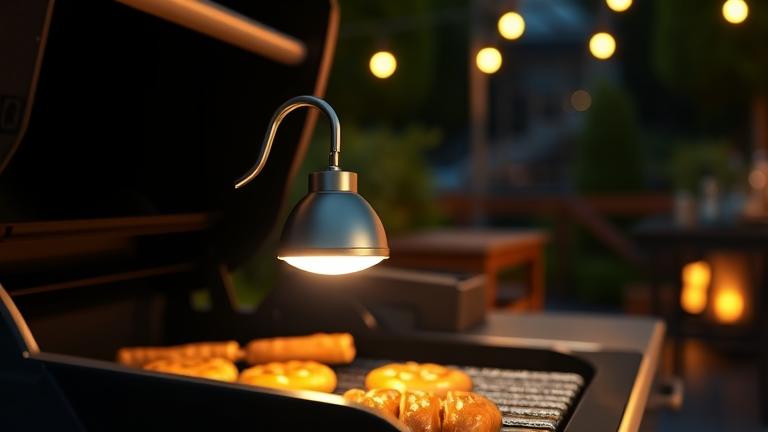
What Is a Grill Light Hook?
A grill light hook is a handy accessory designed to hold a small light in place while you enjoy outdoor grilling. It typically attaches securely to your grill, often on the side shelf or handle, and holds a light source that illuminates your cooking area.
Having good light is essential when grilling, especially in the evening or in low-light conditions. It helps you see the food clearly, monitor how your steaks or burgers are cooking, and avoid accidents like knocking over tools or dropping hot food. A grill light hook makes this much easier by keeping your light within reach and pointed precisely where you need it.
The main purpose of a grill light hook is to enhance safety and precision during outdoor cooking. Without proper lighting, you might accidentally overcook parts of your meal or struggle to see the details when flipping or turning food. A good hook ensures your light stays steady and doesn’t fall off as you move around the grill.
These hooks are usually made from durable materials like stainless steel, plastic, or coated metal, which resist rust and weather. They are designed to fit various grill types and sizes, making them versatile for many outdoor cooking setups.
Using a grill light hook offers several benefits. It allows you to keep your hands free, as the light is mounted securely rather than held in your hand. You can also choose from different styles, from simple clip-on hooks to more advanced models with adjustable angles. Some hooks even come with built-in LED lights that are energy-efficient and bright enough to illuminate the entire cooking surface.
To get the most out of a grill light hook, consider its placement. Attach it where it can easily illuminate the food without casting shadows or blinding you. Also, check that the light source fits securely in the hook and is easy to turn on and off, especially if you’re wearing gloves or have limited dexterity.
In summary, a grill light hook is a small but essential tool that improves your outdoor grilling experience. It provides targeted lighting, making evening cooking safer and more enjoyable. Whether you’re a weekend griller or a seasoned pitmaster, a good light hook can help you cook with confidence, no matter what time the sun sets.
Benefits of Using a Grill Light Hook
Cooking outdoors at night can be a fun and social experience, but it also presents some challenges. One of the best solutions is using a grill light hook. This simple tool can make a big difference in your grilling routine, offering several practical advantages.
First and foremost, a grill light hook greatly improves visibility. When the sun sets, your view of the grill can become limited, making it hard to see how your food is cooking. A good grill light attached to your grill or placed nearby illuminates the cooking surface clearly. This helps you monitor your food without needing to hold a flashlight or guess. With better light, you can check for even cooking, prevent burning, and avoid undercooking.
Safety is another key benefit. Grilling involves hot surfaces, open flames, and sometimes slippery or uneven ground. Poor visibility can lead to accidents like burns or drops. By adding a grill light hook, you can see exactly where you are working, reducing the risk of mishaps. It also helps in spotting any potential hazards nearby, like low-hanging branches or uneven terrain, so you can stay alert and avoid injuries.
Using a grill light hook also enhances convenience. It keeps your hands free because you don’t have to hold a flashlight or squint in the dark. Many grill light hooks are designed to be easy to attach and move around, so you can place the light exactly where you need it. Some models even allow you to adjust the light’s angle or brightness, giving you full control over your outdoor lighting setup. This means less hassle and more focus on cooking delicious food.
Another advantage is that a grill light hook can extend your outdoor cooking hours. Instead of finishing up as soon as the sun goes down, you can keep grilling comfortably into the evening. This is perfect for hosting backyard dinners or enjoying peaceful nights with friends and family. Plus, it adds a cozy, inviting atmosphere to your outdoor space.
There are also different styles and features to consider. Some hooks come with built-in rechargeable lights, while others use replaceable batteries. Some are weatherproof, making them durable for outdoor use, and others have extra features like quick attachment or adjustable brightness. Choosing the right grill light hook depends on your specific needs and the setup of your outdoor kitchen.
- Improves visibility on the grill for accurate cooking
- Enhances safety by reducing accidents in low light
- Provides convenience by freeing up your hands and offering adjustable lighting
- Extends outdoor cooking hours into the night
- Easy to attach and move around for flexible lighting
In summary, a grill light hook is a small investment that can make your nighttime cooking safer, easier, and more enjoyable. Whether you’re hosting a party or just having a quiet evening cookout, this handy tool brightens up your outdoor kitchen and helps you achieve perfect results every time.
Different Types of Grill Light Hooks
If you love grilling after sunset or during low-light conditions, a good grill light hook can make a big difference. These hooks allow you to hang popular grill lights securely on your grill or nearby structures. There are several styles and designs available, so understanding your options can help you choose the best one for your outdoor cooking setup.
Basic Clamp-On Light Hooks
These are the most common and versatile options. They typically feature a clamp mechanism that attaches to the side of your grill or a nearby table. The clamp often has a padded grip to avoid damaging surfaces. They work well with various light sizes and are easy to install without special tools. If you have a lightweight or portable grill, a clamp-on hook might be your best choice.
Adjustable Swing Hooks
These hooks come with a pivoting or adjustable arm, giving you flexibility to direct the light exactly where you need it. They usually attach to the grill or a nearby post with a screw or bolt. The adjustable feature is handy because it helps illuminate different areas, from the cooking grate to the prep zone. Look for models with strong, heat-resistant materials for durability.
Magnetic Grill Light Hooks
If your grill has a metal surface, magnetic hooks are a quick and easy solution. They attach instantly without clamps or screws, simply sticking to the metal surface. They are perfect for temporary setups or if you want to switch the light around quickly. Just make sure the magnet is strong enough to hold your light securely, especially if you plan to hang heavier fixtures.
Hooks with Built-In Lights
Some grill light hooks come with an integrated light feature. These are designed specifically to hang on the grill or nearby but include a built-in LED light for extra brightness. This all-in-one design saves space and eliminates the need for separate lighting. They are usually battery-operated and can be turned on and off easily.
Wall-Mounted Hooks
If your grilling area has walls or posts, wall-mounted hooks might be a good fit. They are fixed to a wall or post and give a stable, permanent place to hang your light. They are excellent for outdoor kitchens or dedicated grilling stations. These hooks tend to be very sturdy and can hold larger, heavier lights.
- When choosing a grill light hook, consider how secure it needs to be. If you’re grilling in breezy conditions, look for stronger attachment options.
- Think about your grill’s surface and surroundings. Clamp-on and magnetic hooks work well on different surfaces, but some may not suit every setup.
- Match the hook to the weight and size of your grill light. Heavier or larger lights require sturdier hooks.
- Check if the hook is heat-resistant. Some materials may degrade if exposed to high temperatures near the grill.
How to Choose the Best Grill Light Hook
Choosing the right grill light hook can make your outdoor cooking experience much easier. A good hook ensures your grill light stays secure and provides enough illumination so you can see what you’re doing. When shopping for a grill light hook, consider several important factors like compatibility, brightness, durability, and how simple it is to install.
First, think about compatibility. Most grill light hooks are designed to fit certain types of grills or stands. Measure your grill or table’s edge to make sure the hook will fit comfortably. Some hooks are adjustable or have different size options. Check the product details to see if it works with your grill model or if it can fit various sizes.
Next, brightness matters. A well-lit grilling area improves safety and helps you check your food’s doneness. Look for a hook that comes with a bright LED light. The lumens rating indicates how bright the light is. For most outdoor grilling, a light with around 100 to 300 lumens is sufficient. If you often grill in low light or at night, choose a brighter light or one with adjustable brightness settings.
Durability is also key. Outdoor conditions can be harsh. Choose a grill light hook made from weather-resistant materials like stainless steel, corrosion-proof plastic, or aluminum. These materials withstand rain, humidity, and sun exposure. A sturdy construction prevents the hook from bending or breaking, ensuring your light stays secure over time.
Ease of installation is often overlooked but essential. Some hooks are designed for quick attachment without tools. Look for features like clamp-on designs or adjustable straps that fit securely onto your grill or table edge. If you prefer a more permanent solution, there are hooks that screw into surfaces. Read reviews to find hooks that are easy to install but also stay firmly in place during cooking.
Additional features can enhance your experience. For example, some hooks come with built-in switches on the LED light, so you don’t need to remove the entire unit to turn it on or off. Others offer rechargeable batteries instead of disposable ones, saving you money and reducing waste.
Finally, consider your budget. Quality grill light hooks range from inexpensive to high-end. Remember that investing a few more dollars can mean better durability and brighter lighting, making your grilling safer and more enjoyable.
Here are some tips to keep in mind:
- Measure your grill edge before choosing a hook to ensure proper fit.
- Look for weatherproof and rust-resistant materials for outdoor use.
- Pick a brightness level suitable for your typical grilling conditions.
- Choose a simple installation process to save time and hassle.
- Read customer reviews to see how well the hook performs in real-world use.
By considering these factors, you can select a grill light hook that’s perfect for your outdoor cooking setup. A good hook will keep your light secure, your grilling area bright, and your cooking experience safe and enjoyable.
Installing Your Grill Light Hook
Adding a grill light hook is a great way to enjoy evening grilling and ensure you can see your food clearly. Proper installation is key to keeping the light secure and aimed exactly where you need it. Don’t worry, it’s a simple process that you can complete in just a few steps.
Before you start, gather your tools and materials. Usually, you will need a drill, screws, a screwdriver, and your grill light hook. Check the instructions provided with your hook, as some may have specific requirements or recommendations.
Step 1: Choose the Best Location
Start by selecting the ideal spot on your grill for the light hook. It should be close enough to illuminate the cooking area without blocking your view or getting in the way. Many people attach theirs to the side shelf or nearby frame.
Make sure the surface you choose is sturdy and solid. Avoid attaching the hook to thin or fragile parts that might bend or break. Also, consider the power source if your light is electric—aim for a location near an outlet or where you can easily run a cord.
Step 2: Mark the Mounting Holes
Hold the hook against the chosen spot and make sure it’s level. Use a pencil or marker to mark where the screws will go. Double-check the position so that the light will be directed straight at the grilling area.
Use a level if needed, especially if you want the light to be perfectly horizontal. Precise placement makes a big difference in how well the light works once installed.
Step 3: Drill Pilot Holes
If your surface is tough or thick, drill small pilot holes where you marked the spots. Pilot holes make it easier to insert screws and help prevent the material from splitting. Use a drill bit that’s slightly smaller than your screws for a snug fit.
Take your time to keep the drill steady and straight. If you’re attaching the hook to metal or a stainless steel shelf, use a drill bit designed for metal and go slow.
Step 4: Attach the Light Hook
Line up the hook with the pilot holes and screw it in securely using a screwdriver or drill. Tighten the screws until the hook feels firmly attached, but don’t over tighten, which could strip the screw or damage the surface.
Check that the hook is stable and does not wobble. A secure hook will safely hold the weight of your grill light even in windy conditions or if bumped accidentally.
Step 5: Mount the Light and Test
Attach your grill light to the hook according to the manufacturer’s instructions. Turn on the light and check the illumination angle. Adjust the position slightly if needed to get the best coverage of your cooking area.
If your light has a flexible arm, position it so it covers the most important spots on your grill. Make sure cords are managed safely and away from heat or moving parts.
Tips for a Successful Installation
- Use weatherproof screws and hooks if your grill is outdoors.
- If your surface is uneven or textured, consider using adhesive strips or clamps designed for outdoor use.
- Check the stability regularly, especially after windy days or heavy use.
- If you move your grill or add accessories, recheck the light hook’s position and attachment.
With these simple steps, your grill light hook will be securely installed and ready to light up your barbecue nights. Now you can see every detail on your grill, making cooking safer and more fun.
Top Tips for Outdoor Cooking Gear Maintenance
Maintaining your outdoor cooking gear, including grill light hooks and other accessories, is essential to keep everything working safely and efficiently. Proper care not only prolongs the lifespan of your equipment but also ensures your outdoor cooking experience stays enjoyable and safe.
Start by cleaning your grill and accessories after each use. For grilling tools, wipe down with warm, soapy water and dry thoroughly to prevent rust. For grill light hooks, check for dirt or grease buildup and wipe with a damp cloth. Regular cleaning prevents residue from affecting performance and keeps your equipment looking good.
Inspect your gear regularly for signs of wear or damage. Check the hooks holding your grill lights to ensure they are securely attached and not bent or cracked. If you notice rust on metal parts, gently scrub with a wire brush and apply a thin coat of high-temperature safe oil to prevent further corrosion. Replacing worn-out hooks or parts immediately can prevent accidents during cooking.
Store your outdoor cooking gear properly during off-seasons or in bad weather. Keep tools in a dry, sheltered place and avoid leaving them outside exposed to rain or snow. For grill light hooks, detach and store them in a safe spot to prevent bending or breaking. Use a storage container or dedicated drawer to organize small accessories and prevent loss.
Protect your equipment from rust and corrosion by applying a light coat of oil or rust inhibitor, especially for parts exposed to moisture. For example, after cleaning metal components, wipe them with a paper towel lightly coated with vegetable oil or a specialized rust-preventative spray. This extra step makes a significant difference in maintaining durability.
Ensure safety when handling and maintaining your gear. Always unplug or disconnect any electrical parts, such as connectable grill lights, before cleaning or inspecting. Use gloves if parts are hot or sharp, and work in a well-ventilated area. Keeping safety precautions in mind helps avoid accidents and injuries.
For accessories like grill light hooks, check the weight capacity and mounting points before attaching lights or other items. Overloading can cause hooks to bend or break, which might lead to tools falling into the grill or causing injury. Always choose quality hooks designed for outdoor use to withstand weather and weight.
Lastly, establish a maintenance routine. Create a simple schedule, such as cleaning after every few uses and inspecting every month. This habit helps catch small issues early and keeps your outdoor cooking setup in top condition for many seasons.
- Clean accessories after each use with warm, soapy water.
- Regularly inspect for damage, rust, or loose parts.
- Store gear in a dry, sheltered area when not in use.
- Apply a light oil coat to metal parts for rust prevention.
- Follow safety precautions when handling electrical accessories.
Must-Know BBQ Tips and Tricks
Barbecue is a fun and delicious way to enjoy outdoor cooking, but mastering it takes some practice. Whether you’re a beginner or looking to elevate your skills, these essential barbecue tips will help improve your cooking and impress your guests. From preparing your grill to achieving perfect doneness, read on for practical advice you can start using today.
1. Choose the Right Meat
Start with quality ingredients. Good meat makes all the difference. Popular options include ribs, chicken thighs, burgers, steaks, or sausages. Choose cuts with good marbling, which means fat incorporated within the meat. It helps keep the meat juicy and flavorful during cooking. Remember to bring your meat to room temperature before grilling. It cooks more evenly and reduces the risk of burning on the outside while the inside remains raw.
2. Prepare Your Grill Properly
A clean grill prevents sticking and flare-ups. Brush off any leftover residue from previous use. If using charcoal, light it early enough so it turns gray and ashy, typically about 20-30 minutes. For gas grills, turn on all burners and preheat for at least 10 minutes. Lightly oil the grates using a paper towel dipped in oil and tongs to prevent sticking and make flipping easier.
3. Master Your Heat Zones
Understanding heat zones is crucial to good barbecue. Set up your grill so you have a direct heat zone (high heat for searing) and an indirect heat zone (lower heat for slow cooking). For example, pile charcoal on one side or turn off some burners on a gas grill. This setup allows you to sear meat quickly over high heat and then finish cooking more gently without over-charring.
4. Use the 3-2-1 Method for Ribs
This classic technique involves three phases to perfect ribs. Start with three hours of smoke or slow cooking over indirect heat, then wrap the ribs in foil with a bit of liquid and cook for another two hours. Finish by uncovering the ribs, brushing with sauce, and cooking for an additional hour. This method keeps the ribs tender and flavorful.
5. Don’t Overflip the Meat
It’s tempting to keep flipping your meat but resist the urge. Let each side develop a good sear before flipping. Usually, flipping once or twice during cooking is enough. This creates those beautiful grill marks and helps lock in juices. Handle the meat gently with tongs or a spatula.
6. Use a Meat Thermometer
Cooking to the right temperature ensures both safety and great texture. For example, chicken should reach at least 165°F (74°C), while steaks are best at about 130-135°F (54-57°C) for medium rare. Insert a digital meat thermometer into the thickest part of the meat for accurate readings. Avoid guessing or relying solely on timing, as everything varies.
7. Practice Resting Time
Once off the grill, let your meat rest for a few minutes before slicing. Resting allows juices to redistribute, resulting in moister, more flavorful meat. As a general rule, rest poultry for 5-10 minutes and steaks for 10-15 minutes. Cover loosely with foil if needed but avoid wrapping too tightly, as moisture may build up.
8. Insider Tip: Save Some Charcoal for Finishing
If cooking chicken or ribs, you can set aside some charcoal or turn on a burner near the end. Briefly searing the meat over high heat creates a crispy crust and boosts flavor. Keep a close eye to prevent burning.
- Keep a spray bottle handy to control flare-ups caused by fat drippings.
- Marinate meat beforehand to boost flavor and tenderness.
- Maintain consistent heat for even cooking.
By applying these tips and tricks, you’ll become more confident and consistent in your barbecue efforts. Remember, practice makes perfect, so don’t hesitate to experiment and learn from each cookout. Happy grilling!