
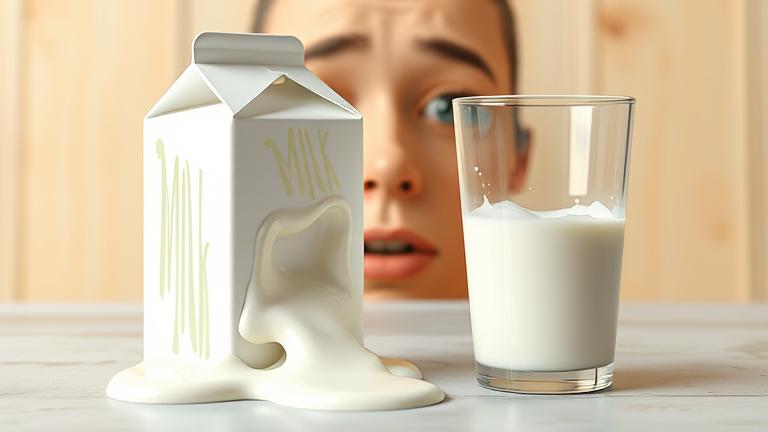
How to Recognize Spoiled Milk
Starting with fresh milk is important for both taste and safety. Spoiled milk can cause stomach upset and is not safe to drink. Knowing how to identify spoiled milk can help you avoid these problems and keep your kitchen safe. There are several signs to watch for that tell you if milk has gone bad. By paying attention to appearance, smell, and taste, you can make sure your milk is still good to use.
First, check the appearance of the milk. Fresh milk is usually smooth, with a consistent color. It should be white or slightly off-white. If you notice any discoloration, such as yellow or gray tints, it may be a sign that the milk has spoiled. Also look for clumps or curdled textures. Sometimes, spoiled milk separates into lumps or looks chunky.
Next, examine the milk’s surface and container. If the milk is slimy or has a film on top, it’s best to discard it. Mold or any dark spots inside the container are clear signs that the milk is no longer safe. Always inspect the bottle or carton for cracks or leaks that could let bacteria in and spoil the milk faster.
Smell is a quick and reliable way to check if milk has gone bad. Fresh milk has a mild, clean scent. If you notice a sour, tangy, or rancid smell, it’s a definite sign of spoilage. Don’t smell milk that looks questionable; if you’re unsure, it’s safer to throw it out rather than risk drinking spoiled milk.
Taste testing is the final step, but only if the milk looks and smells okay. Take a small sip and see if it tastes normal. Fresh milk is slightly sweet and creamy. If it tastes sour, bitter, or just off in any way, spit it out immediately. Remember, taste testing is only recommended when other signs are not conclusive to avoid any health risks.
Here are some quick tips to help you remember what to look for:
- Always check the expiration date before buying or using milk.
- Keep milk cold in the refrigerator to slow spoilage.
- Use the smell test first; if it smells sour or strange, don’t taste it.
- When in doubt, discard the milk. It’s better to waste a little than risk your health.
It’s also good to be aware of how long milk can stay fresh. Typically, unopened milk lasts about one week past the sell-by date if kept refrigerated. Once opened, it’s best to use it within 5 to 7 days. If milk develops any of these spoilage signs earlier, trust your senses and throw it out.
By paying close attention to these signs appearance, smell, and taste you can confidently identify spoiled milk. This helps ensure that your recipes are safe and delicious, and that you stay healthy.
What Does Bad Milk Smell Like?
Recognizing when milk has gone bad is a helpful skill for any home cook. The most common way to tell if milk is spoiled is by its smell. Fresh milk has a mild, clean scent, but when it starts to spoil, it develops a distinctive sour or off-putting odor that’s hard to miss.
If you smell milk and detect a sour, tangy aroma, it’s usually a sign that bacteria have begun to grow. This smell is often compared to or similar to that of yogurt or sour cream, but it’s more intense and unpleasant when the milk is truly spoiled. In some cases, the smell may remind you of a damp rag or even rotten eggs. The smell is your best early warning to prevent using spoiled milk in recipes or drinking it.
Another symptom to watch for is a strange or musty odor that doesn’t resemble dairy at all. Sometimes, milk might develop a rancid or spoiled smell that’s hard to describe but always unpleasant. When in doubt, trust your nose. If the milk smells different from its usual fresh scent, it’s better to discard it.
Additional Clues Beyond Smell
- Color: Spoiled milk can turn yellowish or develop spots of curdled solids, giving it a lumpy or uneven appearance.
- Texture: When milk is bad, it often curdles or separates, resulting in clumps or a slimy feel. Swirling it might reveal clumps floating in the liquid.
- Taste: It’s not recommended to taste spoiled milk, but if you do, a sour or off flavor confirms spoilage.
Common Mistakes to Avoid
- Never taste milk to check for freshness if you’re unsure. The sour taste indicates spoilage, but tasting spoiled milk should be avoided for safety reasons.
- Don’t rely solely on appearance; smell is usually the quickest way to detect spoilage.
- Be cautious with milk that has been left out at room temperature for too long, even if it doesn’t smell immediately. Bacteria can grow quickly in warm environments.
Getting familiar with the smell of bad milk can save you from unpleasant recipes and potential health issues. Always keep your nose open when handling dairy products, and if your milk smells off, it’s best to discard it and start fresh. Remember, a quick sniff is your best defense against spoiled milk and helps you make safer, tastier food choices.
Common Signs of Sour Milk
When checking if milk has gone bad, look for clear signs that it is no longer fresh. Fresh milk usually has a smooth texture, a bright white color, and a mild smell. If you notice any deviations, it might be sour milk and best to avoid using it in your recipes.
The first thing to observe is the smell. Sour milk often has a strong, unpleasant odor that is different from fresh milk’s clean, milky scent. If it smells sour, tangy, or funky, it’s a good sign that the milk is spoiled. Trust your nose this is one of the quickest ways to tell if milk has turned.
Next, check the appearance. Look closely at the milk’s color and consistency. Sour milk may appear slightly yellowish or develop a darker tint compared to fresh milk. Sometimes, it can appear lumpy or have a curdled texture, where the milk separates into thicker clumps and thin liquid. This usually indicates it has gone bad.
Texture changes are also important clues. When milk is fresh, it feels smooth and runny. Sour milk, however, often gets thicker or slimy. If you scoop some with a spoon and notice it’s clumpy or stringy, it’s a clear sign that fermentation has occurred beyond the safe point.
Sometimes, the container might give you hints. If the container has a bulging or swollen cap, or if it smells strongly even when unopened, these are signs that bacteria are active inside. Be cautious and discard the milk if you notice any unusual swelling.
To summarize, keep an eye and nose out for these common signs:
- Strong, sour, or unpleasant smell
- Yellowish or darker color compared to fresh milk
- Clumpy, lumpy, or curdled texture
- Slimy or viscous consistency
- Container swelling or bulging
It’s always better to be cautious. Drinking or using spoiled milk can cause stomach upset or food poisoning. If you spot any of these signs, it’s safest to discard the milk and use fresh, properly stored milk instead. Proper storage in the fridge at or below 40°F (4°C) helps keep milk fresh longer and prevents it from turning sour too quickly.
What Does Bad Milk Taste Like?
Knowing what bad milk tastes like is important to stay safe and avoid stomach issues. When milk is spoiled, its flavor changes from fresh, creamy sweetness to some pretty unappetizing tastes. Recognizing these tastes can help you decide if the milk is still good to use or if it’s time to get rid of it.
The most common taste you’ll notice in spoiled milk is sourness. This sour flavor is caused by bacteria that grow in the milk once it starts to go bad. It might remind you of sour cream or even vinegar. If you accidentally sip a small amount, you’ll probably feel a sharp, tangy taste that’s quite off-putting.
Besides sourness, spoiled milk can taste bitter. This happens because certain bacteria produce bitter-tasting compounds as they break down the milk. The bitterness is less common than sourness but can appear if the milk has been left out too long or at warmer temperatures.
Another sign of bad milk is an off or strange flavor that doesn’t resemble anything familiar. Some people describe it as metallic, rotten, or even like spoiled cheese. This odd taste occurs because the milk’s proteins and fats have started to decompose, creating flavors that are unpleasant and unsafe to consume.
It’s important to understand why tasting spoiled milk can be harmful. Consuming even a small amount of spoiled milk can cause food poisoning. Bacteria present in bad milk, like Salmonella or E. coli, can upset your stomach, causing nausea, vomiting, or diarrhea. While some people might not get sick from a tiny sip, it’s better to avoid tasting milk that looks or smells funny.
If you think your milk might be spoiled, don’t rely just on the taste. Smell is a quick way to check. Spoiled milk usually has a strong, sour odor. If it smells sour or rancid, it’s safest to throw it away. You can also look for visual clues like changes in color, clumping, or a slimy texture. Whenever in doubt, it’s best not to take a chance with sour or off-tasting milk.
Remember, fresh milk should taste mild, slightly sweet, and creamy. If your milk tastes anything different sour, bitter, or strange don’t drink it. Keep in mind that even if the milk looks okay, if it tastes off, it’s safest to discard it to protect your health.
In summary, spoiled milk often tastes sour, bitter, or has some strange, unpleasant flavors. These changes happen because bacteria break down the milk’s natural components. Always trust your senses if in doubt, throw it out and keep enjoying safe, fresh milk for your cooking and daily use.
Risks of Drinking Spoiled Milk
Drinking spoiled milk can pose several health risks, which is why it’s important to recognize when milk has gone bad. Spoiled milk may look, smell, or taste off, but sometimes it can still seem okay, making detection tricky. Understanding the dangers helps home cooks stay safe and avoid unpleasant surprises in the kitchen.
The most common concern with drinking spoiled milk is food poisoning. When milk spoils, harmful bacteria such as Salmonella, E. coli, or Listeria can grow. Consuming these bacteria can cause symptoms like nausea, vomiting, stomach cramps, and diarrhea. In some cases, especially for young children, older adults, or those with weakened immune systems, the illness can be more severe and require medical attention.
Gastrointestinal upset is another common risk. Even if the bacteria don’t cause a full-blown foodborne illness, drinking spoiled milk can lead to indigestion, bloating, and uncomfortable stomach cramps. These symptoms usually pass within a day or two, but they are unpleasant and best avoided.
It’s worth noting that the smell test alone isn’t always reliable. Some spoiled milk doesn’t smell terribly foul, especially if it’s only slightly expired. That’s why visual cues are important. Look for signs like curdling, a change in texture, or a sour or off smell. If milk has a slimy film or discoloration, it’s safest to discard it.
Consuming spoiled milk regularly can also lead to more serious health issues. Chronic ingestion of bacteria or mold from spoiled dairy products might weaken your immune system over time or cause ongoing digestive disturbances. Therefore, it’s best to always check milk before drinking and keep it stored properly to extend its freshness.
To avoid these risks, follow these practical tips:
- Always check the expiration date before buying milk.
- Store milk in the coldest part of your refrigerator, ideally at or below 40°F (4°C).
- Keep the container tightly closed to prevent contamination and spoilage.
- Use your senses smell, look, and taste (a tiny sip) to judge if milk is still good, but when in doubt, throw it out.
- Be cautious with milk that has been left out at room temperature for more than two hours.
By paying close attention to signs of spoilage and practicing proper storage, you can protect yourself and your family from the health risks of drinking spoiled milk. Remember, when something seems off, it’s better to be safe and discard it.
Tips for Checking Milk Freshness
Knowing how to check milk for freshness at home is a handy skill for every home cook. Fresh milk tastes better and is safer to consume. Luckily, there are simple and reliable ways to test milk without special equipment.
1. Smell the Milk
The first step is to give the milk a good sniff. Fresh milk has a mild, clean scent. If it smells sour, sulfurous, or off in any way, it’s a clear sign it’s gone bad. Don’t ignore even a faint sour smell, as it indicates bacteria has started to grow. Keep in mind that milk stored near strongly scented foods may pick up odors, so smelling directly from the container works best.
2. Observe the Visual Clues
Next, look at the milk. Pour a small amount into a clear glass or bowl. Fresh milk is usually white or slightly creamy in color. Check for any discoloration or separation. If you see a yellowish tint, curdled lumps, or clumps floating in the milk, it’s a sign that it’s past its prime. Also, look for a skin or crust forming on the surface, which indicates fermentation or spoilage. Be cautious because mold can sometimes grow on the surface never consume milk with mold.
3. Conduct a Taste Test (Optional and Cautious)
If the milk passes the smell and visual test, you can do a taste check. Take a small sip and see if it tastes fresh. Fresh milk tastes mildly sweet or neutral. If it tastes sour or tangy, it’s best to discard it. Remember, only taste milk if you are confident it looks and smells okay. If you’re unsure, it’s better to throw it out than risk food poisoning.
4. Check the Expiration Date
Always read the date printed on the milk container. Use the milk before the date for optimal freshness. Keep in mind that some milk may be good past the date if stored properly, but it’s safer to rely on your sensory checks first.
5. Store Properly
Good storage helps keep milk fresh longer. Keep milk refrigerated at or below 40°F (4°C). Store it in the coldest part of the fridge, away from the door, where temperatures fluctuate less. Always close the container tightly after each use to prevent contamination and spoilage.
6. Avoid Common Mistakes
- Don’t rely solely on the expiration date; always do a smell and visual check.
- Don’t taste milk that looks or smells suspicious.
- Never consume milk that has clumps, discoloration, or mold.
- Throw out milk that has been left out at room temperature for more than two hours.
With these simple tips, you can confidently check milk freshness at home. Remember, your senses are your best tools to ensure the milk you use is safe and tasty. When in doubt, it’s safest to discard questionable milk and avoid possible health risks.
How to Store Milk Properly
Storing milk the right way is key to keeping it fresh longer and preventing spoilage. Whether you buy it from the store or have leftover homemade milk, good storage practices make a big difference. By following some simple tips, you can enjoy fresh, safe milk every time.
Choose the Right Container
The best way to store milk is in a clean, airtight container. If you buy milk from the store, keep it in its original carton or bottle, as these are designed to protect it from light and air. If you transfer milk to a different container, opt for a glass or plastic container with a tight-fitting lid. Avoid leaving milk in open bottles or containers without a lid, because exposure to air can cause spoilage and off-flavors.
Set the Correct Temperature
Keeping milk cold is the most important factor in maintaining its freshness. The ideal temperature for storing milk is below 40°F (4°C). Your refrigerator should be set between 35°F (2°C) and 40°F (4°C). Place milk towards the back of the fridge, away from the door, where temperatures stay more consistent. Temperatures in the door fluctuate more because of frequent opening and closing, which can speed up spoilage.
Handle Milk Carefully
Always pour milk with clean hands or a clean spoon, especially if you’re taking some out to prevent contamination. Avoid leaving milk out at room temperature for long periods, as bacteria can grow quickly once it’s warm. If you’ve accidentally left milk out for more than two hours, it’s safer to discard it. Also, try to finish the entire container once opened, or at least consume it within a week for the best quality and safety.
Tips for Maintaining Freshness
- Check the expiration date before buying and use milk before that date.
- Close the container tightly after each use to prevent it from absorbing other odors in the fridge.
- Do not refreeze milk that has already been thawed, as this can change the texture and flavor.
- If you notice a sour smell or curdling, discard the milk immediately.
Additional Considerations
In some regions, the ambient temperature of your kitchen can influence how long milk stays fresh. If your kitchen tends to be warm, consider consuming milk faster or storing it in the coldest part of your fridge. For homemade milk or milk sourced from a local farm, check for any special storage instructions to keep it as fresh as possible.
Summary Table: Recommended Storage Times
| Type of Milk | Refrigeration | Storage Duration After Opening |
|---|---|---|
| Commercial pasteurized milk | Below 40°F (4°C) | Up to 7 days |
| Homemade or raw milk | Same as above | Within 2-3 days |
Proper storage helps keep your milk fresh, safe to drink, and full of nutritional benefits. With a little attention to temperature, container choice, and handling, you can enjoy milk at its best every day.