
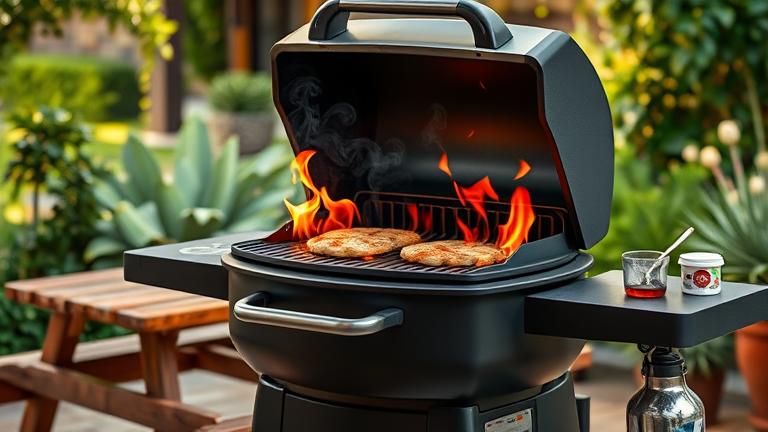
Why Covering Your Grill Matters
Having a good grill cover is an important part of outdoor cooking. It helps protect your grill from the weather, which can cause damage over time. When your grill is exposed to rain, snow, or strong sunlight, it can wear out faster and break down more quickly.
A cover acts like a shield, preventing moisture from settling on the grill’s metal surfaces. This is especially important because rust is a common problem that can make your grill unsafe and less effective. When metal parts rust, they become weaker and harder to clean, which can lead to costly repairs or needing to replace the grill sooner than expected.
Besides protecting from weather, a cover also keeps dirt, leaves, insects, and bird droppings away from your grill. These impurities can affect the taste of your food and make cleaning more difficult. Covering your grill when it’s not in use helps keep it clean and ready for your next barbecue.
Using a cover can also extend the lifespan of your grill. When your grill stays in good condition longer, you get more value out of your investment. Think of the cover as insurance for your grill. It preserves the paint, protects the burners, and keeps the internal parts from corrosion.
Of course, not all covers are created equal. Look for one that fits your grill size snugly. A loose cover can blow away in strong winds, and a tight one might be hard to put on or remove. Made from durable, waterproof material, a good cover should withstand harsh conditions without tearing or fading.
Remember, a cover isn’t just for winter. Using it year-round protects your grill from sun damage in summer and keeps moisture out during rainy seasons. Even if you keep your grill in a sheltered area, a cover adds an extra layer of defense against unpredictable weather.
Tips for Choosing and Using a Grill Cover
- Select a cover specifically designed for your grill’s model and size.
- Choose a waterproof, weather-resistant material to prevent leaks and tears.
- Remove the cover periodically to check for dirt buildup or rust spots.
- Clean your grill before covering it, so dirt or grease doesn’t get trapped underneath.
- Secure the cover tightly but avoid forcing it on, to prevent damage.
- Store the cover in a dry place during the off-season if you have a large, heavy-duty one.
Protecting your grill with a cover is a simple, practical step that keeps your outdoor cooking gear in top shape. It saves you time, money, and effort in the long run, while ensuring your next cookout is just as good as the last.
Benefits of Covering Your Grill
Using a cover for your grill offers many important benefits that help keep your cooking setup in great condition. Whether you have a small backyard grill or a larger outdoor unit, covering it properly can save you time, money, and hassle in the long run. Let’s explore the main advantages of keeping your grill covered.
Protection from Rust and Corrosion
One of the biggest reasons to use a grill cover is to prevent rust. Exposure to moisture and the elements can cause metal parts to corrode over time, which can make your grill unsafe and less effective. Rain, snow, and even dew can seep into unprotected areas and accelerate rust formation.
A good cover creates a barrier that blocks water and humidity from reaching the metal. This extends the lifespan of your grill and keeps its surface looking new. If you live in a humid climate or experience frequent weather changes, a cover becomes even more essential for protecting your investment.
Protection from Dirt, Dust, and Debris
Outside grills are often exposed to dirt, leaves, and other debris. Wind can blow dust and small twigs onto the cooking surface, making your grilling area messy and unappealing.
Covering your grill helps keep it clean and ready to use. When it’s time to cook, you won’t need to scrub away dirt or dried leaves first. Plus, a clean grill produces better-tasting food, free from the grit and grit-induced flavors that can happen when dirt gets onto the cooking surface.
Prevents Pest Intrusions
Animals like birds, insects, and rodents are naturally curious about outdoor gear. Without a cover, they might try to nest or leave droppings on your grill, creating hygiene concerns.
Using a cover acts as a physical barrier, discouraging pests from getting close. It’s especially helpful in seasons when insects and small animals are more active, like spring and summer. Keeping pests away helps maintain a cleaner, safer grilling environment and reduces the risk of contamination.
Maintains Temperature and Efficiency
A covered grill also helps maintain consistent temperatures during cooking. While most people don’t cover their grill to trap heat, a cover can preserve heat when not in use, reducing the time it takes to start cooking again.
This can save fuel and make your grilling more energy-efficient. It also prevents wind from cooling the surface, ensuring even heat distribution when you’re ready to cook.
Additional Tips for Using a Grill Cover
- Choose a cover that fits your grill snugly but not too tight. Too tight can stress the material, and too loose might not protect well.
- Look for covers made of weather-resistant, durable fabric for long-lasting protection.
- Remove the cover periodically to clean off any trapped dirt or moisture and check your grill for maintenance needs.
By covering your grill, you protect it from harsh weather, pests, and dirt, prolonging its life and ensuring it’s always ready to serve up delicious meals. A small investment in a good grill cover goes a long way toward keeping your outdoor cooking area safe and clean.
When to Cover Your Grill
Knowing when to cover your grill is an important step in keeping it in great shape and extending its lifespan. A grill that’s properly covered protects it from the elements, prevents rust, and keeps it looking new longer. Whether you have a small portable grill or a large built-in model, learning the right times to cover it will save you time, money, and effort down the road.
One of the best times to cover your grill is immediately after cooking. Once you’ve finished grilling and the surface has cooled down a bit, put the cover on. This simple step keeps dust, dirt, and debris from settling on the grill. It also protects the cooking grates from moisture and prevents animals or pests from making themselves at home inside.
Another key moment to cover your grill is during bad weather. If it’s raining, snowing, or very windy, cover your grill to shield it from water and harsh winds. Excess moisture can lead to rust and corrosion, especially if your grill is made of metal. Even if you plan to use it again soon, covering it during bad weather helps maintain its condition and reduces the need for cleaning and repairs later.
Moreover, consider covering your grill during extended periods when you’re not using it. If you know you won’t be grilling for a few weeks or months, covering it is a good idea. It protects against dust, pests, and weather changes that can damage your grill over time. When you’re ready to cook again, just remove the cover, give the grill a quick cleaning, and you’re ready to go.
Additional Tips for Covering Your Grill
- Choose a dedicated grill cover that fits your model snugly but isn’t too tight. Poorly fitted covers can blow off in the wind or cause trapped moisture.
- Make sure the grill is cool and dry before covering it. Covering a hot or damp grill can trap heat and moisture, leading to rust and mold.
- Periodically inspect the cover for tears or signs of wear. Replace it if it’s damaged to keep your grill properly protected.
Remember, covering your grill is a simple habit that pays off. It helps maintain the function and appearance of your grill for many seasons. With just a few minutes of care after each cookout and during bad weather, your grill will stay in top shape and give you delicious meals for years to come.
Best Types of Grill Covers
Choosing the right grill cover is an important step in keeping your grill in top condition. A good cover protects against rain, snow, sun, and dirt, helping your grill last longer. There are several materials and styles available, so let’s explore the options to find the best fit for your grill.
Common Materials for Grill Covers
The material of your grill cover affects how well it protects your grill and how durable it is. Here are some popular options:
- Polyester: This is a lightweight, affordable choice that resists water and UV rays. However, it may not be as strong as heavier materials and can wear out faster if exposed to harsh weather for long periods.
- Vinyl: Vinyl-coated covers are sturdy and offer excellent waterproofing. They are easy to clean and handle different weather conditions well. Just be aware that some vinyl covers may crack over time if not maintained properly.
- Canvas: Made from woven fabric, canvas covers are breathable and often treated for water resistance. They are a good eco-friendly choice but may be heavier and require more care to prevent mold or mildew.
- High-Quality Polyester with PU Coating: These covers combine lightweight polyester with a waterproof layer, providing excellent weather resistance and durability. They are perfect for outdoor use.
Styles of Grill Covers
Grill covers come in various styles to accommodate different grill types and personal preferences. Here’s what to look for:
- Standard Cover: Fits most regular-sized grills, covering the entire cooking area and stand. Great for everyday protection.
- Universal Fit: Designed to fit a range of grill sizes and shapes, offering flexibility if you own multiple grills or a less common model.
- Tailored or Custom Fit: Specifically made for a certain grill model, providing a snug, secure fit. These are often recommended if you want maximum protection and a tidy look.
- Double Cover: Some covers include an extra layer or a second cover for added protection during extreme weather or winter storage.
Size and Fit Tips
Getting a cover that fits well is key to protecting your grill effectively. When shopping, check these details:
- Measure your grill’s length, width, and height before purchasing.
- Opt for a cover that is at least 1-2 inches larger than your grill’s dimensions to ensure full coverage without being too loose.
- Consider covers with adjustable straps or buckles for a more secure fit, especially in windy areas.
Additional Tips for Choosing a Grill Cover
- Look for covers with vents to reduce moisture buildup and prevent mold.
- Avoid cheap, thin covers that tear easily or don’t withstand exposure over time.
- Choose a color that matches your outdoor space or that won’t show dirt easily.
- Check reviews to see how other users rate the durability and fit of the cover you’re considering.
By considering the material, style, size, and extra features, you can find the best grill cover that keeps your grill safe, clean, and ready to use. Investing in a good cover is a small step that makes a big difference in the longevity of your grill and the quality of your outdoor cooking experience.
Common Mistakes to Avoid
Using a grill cover the right way can help keep your grill in top shape, but there are some common mistakes many people make. Avoiding these pitfalls will ensure your grill stays protected and lasts longer. Whether you’re new to grilling or seasoned, it’s easy to slip up without realizing it. Let’s go over some of the most frequent errors and how you can prevent them.
Leaving the Cover On During Cooking
One of the biggest mistakes is leaving the grill cover on while cooking. Some people think that covering the grill helps it cook faster or keeps the heat even. In reality, leaving the cover on during grilling can trap moisture, leading to rust and corrosion over time. It can also cause flare-ups or uneven cooking because of excess smoke buildup.
If you’re searing steaks or doing quick grilling, it’s best to keep the cover off or only put it on briefly if needed. Use it mainly for protecting the grill when it’s not in use or during long, slow cooking sessions.
Choosing the Wrong Cover Material
Not all grill covers are created equal. Many beginners pick covers based on price or appearance without considering the material. Poor-quality covers made from thin plastic or cheap fabric can tear easily or fade in sunlight.
Look for covers made from durable, weather-resistant materials like heavy-duty polyester with a vinyl coating or special UV protection. These will keep your grill shielded from rain, snow, and sun, which can cause rust or damage.
Measure your grill properly before buying a cover. Ill-fitting covers can flap in the wind or leave parts exposed to the elements. A snug fit offers the best protection without puffing or tearing.
Not Cleaning Before Covering
Many people forget to clean their grills before putting on a cover. Food residue, grease, and ashes can cause mold or rust if left trapped under the cover. It’s best to give your grill a quick clean after each use.
Remove ashes, brush off leftover food, and wipe down surfaces. When the grill is dry, then place the cover on. This habit extends the life of your grill and keeps it looking fresh.
Using a Cover That’s Too Small or Too Big
Size matters when it comes to grill covers. A cover that is too small won’t provide complete protection and may blow off easily. A cover that’s too large can trap moisture inside or flap around in the wind.
- Check dimensions before buying. Most covers list their measurements on the package.
- Pick a cover that is slightly larger than your grill for easy fitting and extra protection.
Ignoring Ventilation
Some covers have vents to allow air flow and reduce condensation. If your cover lacks ventilation, moisture can build up underneath, leading to rust.
When selecting a cover, consider one with built-in vents or make sure to remove the cover periodically to allow your grill to breathe. This helps prevent mold and keeps your grill dry and ready to use.
In summary, paying attention to how you cover your grill can make a big difference. Avoid these common mistakes, and your grill will stay protected, look better longer, and perform at its best. Happy grilling!
How to Properly Maintain Your Cover
Keeping your grill cover in good shape is essential to protect your grill from the elements and extend its lifespan. A well-maintained cover stays effective, looks nice, and saves you money in the long run. Whether you have a small backyard setup or a larger outdoor grill, proper care makes a big difference.
The first step is regular cleaning. Dirt, leaves, and food splatters can accumulate on the cover, causing wear over time. To clean, gently brush off loose debris with a soft cloth or a brush. For stubborn dirt or stains, use a mild soap mixed with water and a soft sponge. Avoid harsh chemicals or abrasive scrubbers, as they can damage the material. Rinse the cover thoroughly with clean water to remove soap residue, then let it air dry completely before storing or reusing.
Storing Your Cover
Proper storage is just as important as cleaning. When the grilling season ends or if you notice heavy rain or snow in the forecast, take the cover off and store it indoors. A dry, ventilated place like a garage or storage shed is ideal. Before storing, ensure the cover is completely dry to prevent mold and mildew from forming. Fold the cover neatly to prevent creases and damage. If your cover has straps or ties, secure them to avoid tangling or tearing during storage.
If outdoor storage is your only option, check that the cover stays dry and protected. Consider using a storage bag or a large plastic container to keep it safe from dirt and moisture. Regularly inspect the stored cover for signs of damage or deterioration, so you can address issues early.
Inspecting and Repairing
Inspect your grill cover at least once every season. Look for tears, holes, or thinning fabric, especially along the seams and edges, which are common weak spots. Small tears can quickly become larger if not repaired. To fix minor damages, use waterproof patch kits or fabric repair tape specifically designed for outdoor gear. These are easy to apply and can extend the life of your cover.
Check the elastic hems, drawstrings, and fasteners to ensure they are still functional. Weak or broken parts should be replaced promptly to keep the cover secure during wind or storms. If you notice persistent damage or significant wear, it might be time to replace the cover entirely to keep your grill protected from rain, sun, and dust.
Additional Tips for Longevity
- Avoid dragging the cover across rough surfaces to prevent tears or friction damage.
- Keep the cover away from direct sunlight for extended periods, as UV rays can weaken the fabric over time.
- Consider applying a water-resistant spray periodically to boost waterproofing, especially for fabric covers.
- Replace your cover if it no longer fits well or if damage cannot be repaired.
By following these simple steps — cleaning promptly, storing properly, and inspecting regularly — your grill cover will stay durable and effective for many seasons. This care helps protect your investment and keeps your outdoor cooking area looking great.
Tips for Grilling in Different Weather
Grilling can be enjoyable anytime, but each weather condition brings its own challenges. Whether you’re facing rain, snow, wind, or heat, a few practical tips can help you stay safe and get delicious results. Here’s how to make the most of your barbecue regardless of what Mother Nature throws your way.
Grilling in the Rain
When raindrops start falling, it might seem like grilling is off-limits. But with some adjustments, you can still enjoy outdoor cooking. If you have a covered patio or a gazebo, use it to shield your grill and yourself. If not, consider investing in a grill shelter or a large umbrella designed for outdoor cooking.
Keep in mind that excess moisture can make the grill harder to light and maintain temperature. To prevent flare-ups caused by dripping water, ensure your grill is placed away from direct rain and clear of puddles. Use a windproof lighter or matches to start your fire and keep a waterproof cover nearby for quick protection.
Be cautious with electrical components if your grill has them, and never attempt to grill in heavy storms or when lightning is present. Safety always comes first!
Grilling in Snow and Cold
Lower temperatures mean your grill will need more time to reach and maintain the right heat. Allow extra time for preheating and keep the lid closed as much as possible to conserve heat. Dressing warmly—gloves, hats, and layered clothing—helps you stay comfortable during longer cook times.
A grill with a lid traps heat like an oven, making it easier to cook evenly. If you have a patio heater or windbreaks nearby, they can help boost the ambient temperature. Snow can block vents or cause slippery conditions, so keep walkways clear, and wear shoes with good traction.
Remember that cold weather can affect your fuel source. Charcoal might be harder to ignite, so using lighter fluid or chimney starters can help. Gas grills may require regulator adjustments to maintain steady heat. Prioritize safety at all times with proper gear and lighting.
Grilling During Windy Days
Wind can be tricky because it can either blow out the flame or cause unpredictable flare-ups. To counteract this, position your grill in a sheltered spot, away from open breezes. Use a windbreak or barrier if necessary to prevent gusts from disrupting your cooking.
Keep the grill lid closed as much as possible to prevent drafts from snuffing out the flame and to keep heat steady. Avoid flammable materials nearby, and be cautious with open flames and utensils or covers.
If using a charcoal grill, consider building a small wind shield around the base. For gas grills, check connections and ensure valves are secure to prevent leaks. In very windy conditions, stay vigilant about flare-ups and never leave the grill unattended.
Grilling in Extreme Heat
High temperatures can make grilling uncomfortable if you’re not prepared. To stay cool, set up your grill in a shaded area or under a canopy. Keep plenty of water nearby and wear light, breathable clothing.
In hot weather, food can cook faster, so monitor your grill carefully to prevent burning. Using a meat thermometer helps ensure proper doneness without guesswork. To reduce flare-ups from drips or grease, trim excess fat from meats and keep a spray bottle of water handy for quick flare-up control.
Scheduling grilling for early morning or late evening helps avoid the peak heat of the day. Good ventilation not only keeps you comfortable but also reduces smoke buildup.
- Always prioritize safety—avoid grilling in thunderstorms or extreme weather conditions that could be dangerous.
- Keep tools and covers within reach so you can quickly adapt to changing conditions.
- Regularly check your grill’s stability and clearance from flammable objects.
With proper preparation and caution, you can enjoy outdoor grilling in any weather. These tips ensure safe, successful, and delicious barbecues rain, snow, wind, or heat.