
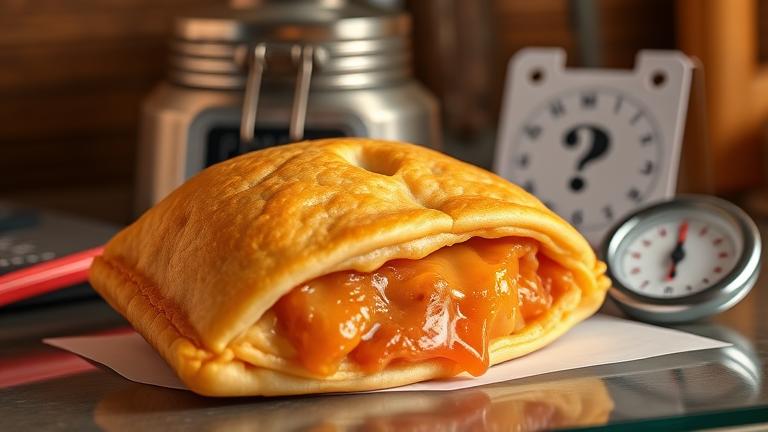
Understanding Hot Pocket Expiration Dates
If you enjoy hot, crispy Hot Pockets, it’s important to know what the different expiration dates on the packaging really mean. These dates do not all serve the same purpose, and understanding them can help ensure your snacks are safe and tasty to eat. Usually, you will see labels like “sell by,” “use by,” and “best by.” Each one gives you different information about the product’s freshness and safety.
What Do the Dates Mean?
The “sell by” date is primarily for stores. It tells the store how long they should display the Hot Pockets for sale. It doesn’t mean the food is unsafe after this date. Once you buy the package, the “sell by” date no longer applies to you.
The “use by” date is the date recommended by the manufacturer for consuming the product for the best quality and safety. If a Hot Pocket is past this date, it’s safest to check how it looks and smells before eating. Usually, it is best to toss it if it’s well beyond the “use by” date to avoid any risk of foodborne illness.
The “best by” date is about quality rather than safety. It indicates when the product might start to lose its flavor or texture. Eating Hot Pockets slightly past the “best by” date might still be okay if they look and smell normal, but the taste could be less optimal.
Why Are These Dates Important?
Understanding these dates helps you decide if you should eat or discard Hot Pockets. Relying solely on the date isn’t enough; you should also check the packaging for any signs of spoilage, such as discoloration, strange odors, or ice crystals inside the wrapper.
Improper storage can also affect how long the Hot Pockets stay good. Make sure to keep them frozen, ideally at 0°F (-18°C), to maintain quality and safety. If left out at room temperature for too long, even within the expiration window, they might spoil faster.
How to Check if Hot Pockets Are Still Good
- Inspect the packaging for tears, holes, or leaks. Damaged packaging can expose the hot pockets to bacteria.
- Look for ice crystals or frost inside the wrapper. While some frost is normal, excessive ice indicates freezer burn and possible quality loss.
- Smell the Hot Pockets after cooking. A sour or off smell means you should throw them out.
- Notice any discoloration or sliminess once cooked. These are signs that the product is no longer safe to eat.
Summary Tips
- Always check the “use by” date before preparing Hot Pockets.
- If in doubt, trust your senses look, smell, and when in doubt, throw it out.
- Store Hot Pockets properly in the freezer to maximize shelf life.
- Remember that expiration dates are guidelines, not strict rules. Use your judgment to keep your family safe.
Knowing what the expiration dates mean helps you enjoy Hot Pockets safely and at their best quality. Always take a moment to check the packaging and trust your senses before cooking. That way, you can snack confidently, knowing your hot pockets are both delicious and safe to eat.
Signs Hot Pockets Are Spoiled
Hot Pockets are a quick and tasty snack, but like any food, they can go bad over time. Knowing how to spot spoiled Hot Pockets helps you stay safe and enjoy your snack without worries. Usually, spoilage shows up through visual clues, smell, or changes in texture. Paying attention to these signs can prevent foodborne illnesses and save you from eating something that’s past its prime.
Visual Cues of Spoiled Hot Pockets
Start by inspecting your Hot Pocket carefully. If it looks different from when you bought it, it might be a sign of spoilage. Look for mold, which appears as fuzzy or discolored spots green, white, or black patches on the pastry or filling.
Also check for any discoloration beyond the usual golden-brown crust. If the wrapper is torn or the Hot Pocket leaks a liquid or appears excessively slimy, it’s best to toss it out. Changes in the filling’s appearance, like a weird color or visible ice crystals if frozen, can also suggest spoilage.
Sometimes, freezer burn causes dry or icy patches, but they’re not necessarily harmful. However, if your Hot Pocket is heavily freezer-burned and looks unappetizing, it’s better to discard it.
Smell Test
Your nose is a reliable tool for detecting spoiled Hot Pockets. If it smells sour, rancid, or just off in any unusual way, don’t eat it. A fresh Hot Pocket typically has a savory, cheesy, or meaty aroma, depending on the filling.
Any sour or strange smell indicates bacteria or mold growth. Even if the appearance seems okay, a funky odor is a strong sign to throw it away. Food poisoning is not worth risking, so always trust your nose when in doubt.
Texture Changes
The texture can give clues about spoilage too. If the Hot Pocket feels overly slimy or sticky, especially around the crust or filling, it is probably spoiled. In a properly stored Hot Pocket, the pastry should be firm and flaky after cooking.
If the filling feels excessively watery or gooey when you bite into it, it might be past its prime. In some cases, a soggy crust or a mushy filling indicates improper storage or that it has been kept too long.
Key Tips for Storage and Prevention
- Always keep Hot Pockets refrigerated if not going to be eaten right away and consume them before the expiration date on the package.
- Freeze Hot Pockets if you plan to store them for longer than a few days. Proper sealing in airtight packaging helps prevent freezer burn and contamination.
- Cook Hot Pockets thoroughly according to package instructions to kill bacteria and ensure safety.
If you notice any of these signs mold, strange smell, or odd texture it’s safest to discard the Hot Pocket. Consuming spoiled food can lead to stomach pain, nausea, or more serious foodborne illnesses. Better to be safe than sorry, so always check your snack before popping it into the microwave or oven.
Proper Storage Tips for Hot Pockets
If you love Hot Pockets and want to keep them fresh and tasty, knowing how to store them properly is key. Proper storage not only helps maintain their flavor and texture but also ensures they stay safe to eat for a longer time.
Best Ways to Store Hot Pockets
The best way to store Hot Pockets depends on whether you plan to eat them soon or later. For short-term storage, keep them in the freezer, where they can stay fresh for up to three months. If you’re planning to use them within a few days, you can store them in the refrigerator.
Freezing Hot Pockets
If you buy Hot Pockets and want to keep them for later, wrap each one tightly in plastic wrap or aluminum foil. You can also use airtight freezer bags or containers. This extra wrapping prevents freezer burn and keeps the flavors intact.
Make sure to label the packaging with the date you froze them. That way, you’ll know how long they’ve been stored. When properly frozen, Hot Pockets keep their best quality for about three months.
Refrigeration Tips
If you plan to eat your Hot Pockets within a few days, store them in the refrigerator. Keep them in their original packaging if unopened. Once opened, transfer leftovers to an airtight container or wrap them well with plastic wrap. Remember that refrigerated Hot Pockets should be eaten within 2-3 days for the best freshness.
Temperature Recommendations
When storing Hot Pockets, it’s important to keep the freezer at 0°F (-18°C) or below. For refrigeration, keep your fridge at 40°F (4°C) or lower. These temperatures prevent bacteria growth and help preserve the quality of your snacks.
Packaging Tips for Freshness
- Always seal Hot Pockets tightly to prevent air exposure.
- Use sturdy, airtight containers or resealable bags.
- Label the packages with the date of storage to track freshness.
- Avoid stacking heavy items on top, which can damage the packaging.
Quick Storage Tips
- Freeze Hot Pockets if not eating soon.
- Keep them in their original box or wrap individually before freezing.
- Refrigerate leftovers within two days of cooking.
- Always reheat thoroughly before eating, especially if stored for a while.
Safety and Storage Do’s & Don’ts
| Do | Don’t |
|---|---|
| Freeze Hot Pockets if not eating within a few days | Leave Hot Pockets at room temperature for too long |
| Use airtight containers for storage | Store Hot Pockets in unsealed packaging |
| Label your packages with storage date | Ignore expiration dates or storage times |
| Keep your freezer at 0°F (-18°C) | Store Hot Pockets in the fridge forever |
By following these simple storage tips, your Hot Pockets will stay fresher longer, flavors will stay vibrant, and every bite will taste just as good as when you first bought them. Proper storage is quick, easy, and makes a big difference in enjoying your snacks!
How Long Are Hot Pockets Safe to Eat?
If you’re a fan of Hot Pockets, you probably want to know how long they stay safe to eat. Whether they’re in your freezer or have just been cooked, knowing the right storage times helps prevent foodborne illnesses and keeps your snacks tasty.
Unopened Hot Pockets in the Freezer
When stored properly in a frozen state, unopened Hot Pockets can last quite a while. The freezer keeps bacteria and mold from growing, which helps preserve their quality and safety.
As a general rule, unopened Hot Pockets stay safe in the freezer for about 12 to 18 months. After this time, they might still be safe but could lose flavor and texture. To keep them as fresh as possible, store them in a consistent freezer temperature of 0°F (-18°C) or lower.
Cooked Hot Pockets
Once cooked, Hot Pockets are best enjoyed within a certain timeframe to ensure they’re safe and tasty. Because cooking makes the filling hot, bacteria are eliminated, but once they cool down, bacteria can start to grow again if left out too long.
If you’ve cooked Hot Pockets and want to save leftovers, refrigerate them within two hours of cooking. When stored in an airtight container or wrapped tightly, cooked Hot Pockets can stay good in the fridge for up to 3 to 4 days.
Guidelines for Safe Storage
| Storage Method | Duration | Notes |
|---|---|---|
| Frozen (Unopened) | 12–18 months | Keep at 0°F or lower; quality may decline after this time |
| Cooked and Refrigerated | 3–4 days | Store in an airtight container; reheat thoroughly before eating |
| Left at Room Temperature | 2 hours | Do not leave Hot Pockets out longer to avoid bacteria growth |
Tips for Safe Enjoyment
- Always check the expiration date on the packaging before cooking or eating.
- If Hot Pockets develop an off smell or appearance, it’s safer to discard them.
- Reheat leftovers to an internal temperature of 165°F (74°C) to kill bacteria.
- Never eat Hot Pockets if they’ve been left out at room temperature for more than 2 hours.
By following these simple storage tips and timelines, you can enjoy Hot Pockets safely and savor each tasty bite without worry. When in doubt about the freshness or safety, it’s best to play it safe and discard any questionable leftovers.
Can Freezing Extend Hot Pockets’ Shelf Life?
Freezing Hot Pockets is a popular way to keep them fresh for a longer time. When you store them properly in the freezer, you can enjoy these tasty snacks days or even weeks later. But how does freezing really affect their shelf life and quality? Let’s explore the best ways to freeze, thaw, and maintain Hot Pockets so they stay delicious and safe to eat.
How Freezing Extends Shelf Life
Freezing halts bacteria growth and slows down the natural spoilage process in food. When you freeze Hot Pockets, you can typically extend their shelf life from a few days up to three to four months if stored correctly. This means you don’t have to worry about them going bad quickly, especially if you buy in bulk or want to save leftovers.
It’s important to note that freezing doesn’t improve the quality or flavor. Instead, it helps prevent spoilage and keeps the Hot Pockets safe until you’re ready to enjoy them. The trick is in proper packaging and storage to avoid freezer burn and preserve their taste and texture.
Tips for Freezing Hot Pockets
- Wrap tightly: Use plastic wrap or foil to cover each Hot Pocket, then place them in a sealable plastic bag or airtight container. This prevents air from causing freezer burn.
- Label and date: Write the freezing date on the package so you know how long they’ve been stored. Aim to eat them within 3-4 months for the best quality.
- Freeze quickly: Place Hot Pockets in the back of the freezer where the temperature is most consistent. Quick freezing helps maintain their texture.
Thawing and Reheating Hot Pockets
The safest way to thaw Hot Pockets is to transfer them from the freezer to the refrigerator and let them thaw overnight. This gradual thawing helps maintain the texture and ensures even heating. However, if you’re in a hurry, you can also cook Hot Pockets directly from frozen. Most microwave ovens have a specific setting for frozen snacks, usually taking 2-3 minutes longer than the recommended time for fresh ones.
Remember: do not leave Hot Pockets out at room temperature for extended periods, as this can promote bacteria growth. Always reheat until steaming hot inside to ensure they are safe to eat.
Maintaining Quality After Freezing
To keep Hot Pockets tasting fresh after freezing:
- Avoid multiple freeze-thaw cycles, which can ruin their texture and flavor.
- Store them in airtight packaging to prevent freezer burn and maintain moisture.
- Cook directly from frozen or properly thawed for best results rather than reheating leftovers multiple times.
By following these simple tips, you can enjoy Hot Pockets with good flavor and quality even after several months in the freezer. Freezing isn’t just convenient it’s an easy way to extend their shelf life and reduce waste.
Health Risks of Eating Bad Hot Pockets
Hot Pockets are a quick and tasty snack, but eating spoiled or improperly handled ones can lead to health problems. It’s important to understand the potential risks associated with consuming bad Hot Pockets so you can stay safe and healthy.
If a Hot Pocket has gone bad, it can harbor bacteria or mold that may cause food poisoning. These bacteria are invisible and can grow if the product isn’t stored properly or if it’s past its expiration date. Eating spoiled Hot Pockets can lead to uncomfortable symptoms that might ruin your day.
Common Health Risks
- Food Poisoning: When you eat contaminated Hot Pockets, bacteria like Salmonella or Listeria can cause illness. Symptoms often include stomach cramps, diarrhea, nausea, and sometimes fever. In severe cases, food poisoning can lead to dehydration or require medical treatment.
- Gastrointestinal Issues: Consuming spoiled or undercooked Hot Pockets may upset your stomach. You might experience bloating, cramps, or irregular bowel movements. These issues usually resolve quickly but can be very uncomfortable.
- Foodborne Illnesses: In some cases, eating spoiled processed foods like Hot Pockets can lead to more serious illnesses, especially in vulnerable groups such as pregnant women, young children, or the elderly. It’s best to avoid risky foods if you’re in these groups.
Signs That a Hot Pocket is Bad
Before eating a Hot Pocket, check for signs of spoilage. If it smells sour or rotten, has a slimy texture, or shows visible mold, it’s best to discard it. Also, pay attention to the date stamped on the packaging. If it’s past the “use by” or “sell by” date, the product may no longer be safe.
Never eat Hot Pockets that have been thawed and refrozen, as this can encourage bacterial growth. Proper storage in the freezer at 0°F (-18°C) helps prevent spoilage and keeps your snacks safe.
How to Reduce Your Risk
- Follow Cooking Instructions: Always heat Hot Pockets thoroughly, following the recommended time and temperature. Use a food thermometer if needed to ensure the internal temperature reaches 165°F (74°C), which kills most bacteria.
- Avoid Eating if Unsure: If you’re unsure whether a Hot Pocket is safe, it’s better to be safe than sorry. When in doubt, throw it out.
- Store Properly: Keep Hot Pockets frozen until you’re ready to heat them. Do not leave them out at room temperature for more than two hours, as bacteria multiply quickly in the “danger zone” between 40°F and 140°F.
Summary
Eating spoiled Hot Pockets can result in food poisoning, stomach upset, and other health issues. Always check for signs of spoilage, follow safe cooking guidelines, and store properly to enjoy your quick snack without risks. Better safe than sorry your health depends on it!
Tips for Safely Thawing and Cooking
Cooking Hot Pockets can be quick and easy, but safety is key to enjoy them without worry. Properly thawing and cooking your Hot Pockets ensures they are safe to eat and taste their best. Here are some practical tips to help you do it correctly.
Thawing Hot Pockets Safely
Many people prefer to cook Hot Pockets straight from the freezer, which is safe if you follow proper cooking instructions. However, if you want to thaw them first, do it safely to prevent bacterial growth.
- Refrigerator Thawing: This is the safest method. Place the Hot Pocket on a plate or tray and keep it in the fridge for several hours or overnight. This slow thaw maintains a safe temperature and helps it cook evenly later.
- Microwave Thawing: Use your microwave’s defrost setting. Follow the appliance’s instructions for thawing, usually about 1-2 minutes depending on size. Be careful: microwaves can sometimes partially cook the Hot Pocket, so proceed to cooking immediately afterward.
- Avoid: Thawing Hot Pockets at room temperature. Bacteria can grow quickly at room temperature, making this method unsafe.
Cooking Hot Pockets Properly
In general, Hot Pockets are designed to be cooked directly from frozen. Follow these steps to cook them thoroughly and safely:
- Preheat your oven or microwave: Check the package for specific instructions. Usually, an oven requires preheating to 350°F (175°C). Microwave times vary depending on wattage but typically take 2-3 minutes.
- Oven Method: Place the Hot Pocket on a baking sheet. Bake for about 28 minutes, or until the outside is crispy and hot all the way through. Turning it halfway can help even cooking.
- Microwave Method: Remove plastic wrap and place the Hot Pocket on a microwave-safe plate. Cook on high for 2-3 minutes. Let it sit for 2 minutes before eating to allow heat to distribute evenly.
Always check the temperature before eating. The internal temperature should reach at least 165°F (74°C). Use a food thermometer if unsure.
Extra Tips for Best Results
- Keep it dry: When microwaving, remove the plastic wrap but leave the over-wrap if recommended. Wrapping in paper towels can help absorb moisture and keep the crust crispy.
- Prevent sogginess: For a crispier crust, finish your Hot Pocket in a preheated oven or toaster oven for about 5 minutes after microwaving.
- Watch out for hot spots: The microwave might heat unevenly. Always check the center for hotness before biting in, especially if you’re eating it straight from the microwave.
If you follow these tips, your Hot Pockets will be both safe to eat and delicious. Proper thawing and cooking help prevent foodborne illnesses and ensure you get the best taste and texture from your snack.