
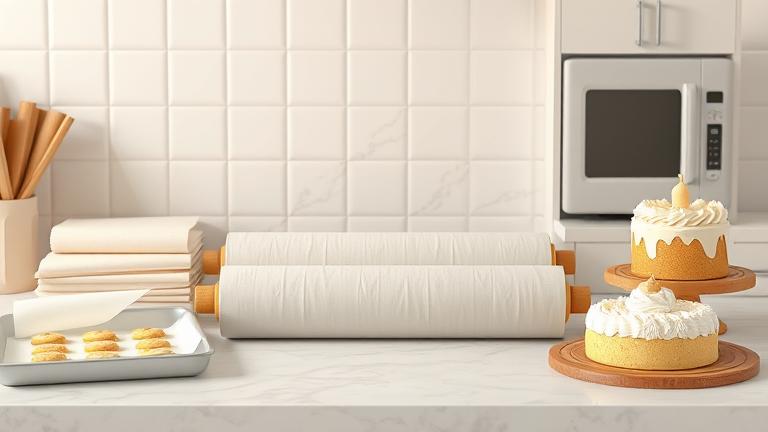
Common Uses of Baking Paper
Baking paper, also known as parchment paper, is a must-have tool in any kitchen. Its versatility makes it useful for a wide range of baking and cooking tasks. Whether you are baking cookies or roasting vegetables, baking paper can help make your tasks easier and your results better.
One of the most popular uses of baking paper is lining baking trays and pans. This prevents food from sticking, making cleanup a breeze. Instead of greasing the tray with butter or oil, just lay a sheet of baking paper down before placing your cookies, pastries, or bread dough. This not only saves time but also ensures your baked goods come off cleanly.
Baking paper also works well for cooking delicate items. For example, when baking fish or reinserting an item into the oven, placing it on baking paper can prevent sticking and protect your bakeware. It is especially helpful when handling sticky doughs or sugary toppings, which might otherwise cling to the pan.
Making Cheese, Cake, and Pastry
Another common use of baking paper is in preparing cakes and cheesecakes. You can line the bottom of cake tins with baking paper to prevent sticky residues. This makes removing your cake much easier and keeps it looking neat. For layered cakes or delicate pastries, wrapping the dough or icing between sheets of baking paper helps you roll out or shape without sticking or tearing.
Food Wrapping and Storage
Beyond baking, baking paper is handy for wrapping individual servings of baked goods. It’s perfect for packing treats or storing leftover cookies. Wrap each item tightly with baking paper to prevent them from sticking together or drying out. It’s also useful for protecting cheese or bread from moisture while storing in the fridge.
Rolling Out Dough and Preventing Mess
If you’ve ever struggled to roll out sticky dough, baking paper can help. Simply place the dough between two sheets of baking paper and roll. This prevents the dough from sticking to the rolling pin and your work surface. Plus, it reduces mess and makes cleanup quicker.
Cooking in the Microwave
Baking paper can also be used in microwave cooking. Use it to cover dishes and prevent splatters. It’s a safe, microwave-friendly alternative to plastic wrap or foil and can help cook vegetables or reheat leftovers evenly.
- Keep baking paper away from open flames or heating elements.
- Use unbleached baking paper if you prefer a more natural option.
- Always use baking paper that is labeled microwave-safe for microwave use.
Summary of Uses
| Use | Description |
|---|---|
| Line Baking Sheets | Prevents sticking and makes cleanup easier |
| Preparing Cakes & Pastries | Line cake tins, roll out dough, and prevent stickiness |
| Food Storage & Wrapping | Wrap baked goods or leftovers for freshness |
| Microwave Cover | Cover dishes for splatter-free reheating or cooking |
| Handling Sticky Foods | Assist in rolling or shaping dough |
Baking and Cooking Tips with Baking Paper
Baking paper, also known as parchment paper, is a versatile tool that can make your baking and cooking tasks easier and cleaner. Using baking paper correctly can help you achieve better results and save time in the kitchen. Whether you’re lining baking trays, wrapping food, or preventing sticking, these practical tips will help you get the most out of your baking paper.
Preparing Baking Paper for Use
Before using baking paper, tear or cut it to the right size for your baking tray or dish. If you’re lining a baking tray, measure the tray first to ensure the paper covers the sides and bottom without excess. Sometimes, folding the edges can prevent curling or slipping during baking.
For sticky recipes, lightly spraying the baking paper with non-stick spray can improve release, but many baking papers are already non-stick. Always check the packaging for whether a product is silicone or non-stick coated for best results.
Using Baking Paper for Baking
- Prevent sticking: Line baking sheets with baking paper to prevent cookies, pastries, or bread from sticking. This also makes cleanup much easier.
- Even baking: Using baking paper helps distribute heat evenly. When baking cookies or biscuits, it reduces the risk of burning on the bottom.
- Rolling out dough: Place your dough on a sheet of baking paper for rolling. It prevents sticking and makes transferring the dough to a baking sheet smoother.
- Cooking vegetables or fish: Wrap veggies or fish in baking paper to create an “en papillote” dish. This steams the food gently and keeps flavors locked in.
Tips for Wrapping and Cooking with Baking Paper
When wrapping food in baking paper, fold the edges tightly to seal in moisture and flavor. For dishes like fish or vegetables cooked in “en papillote,” puncture the top with a fork to allow steam to escape and prevent bursting during baking.
Always place the wrapped package on a baking tray to catch any drips or leaks. This also makes it easier to handle while in the oven.
Common Mistakes and How to Avoid Them
- Using wet or greasy food with baking paper: Too much moisture or grease can cause the paper to tear or stick. Pat foods dry before wrapping or placing on paper.
- Reusing baking paper: Most baking papers are designed for one-time use. Reusing can lead to smoke or burning, especially if it’s charred or stained.
- Using the wrong type of paper: Make sure to use baking paper, not regular paper or foil, which can catch fire or react with food.
Storage and Disposal
After baking, let the baking paper cool completely. You can then fold it for disposal or recycle if your local waste programs accept it. Keep unused baking paper in a dry, cool place to prevent warping or curling.
How to Properly Use Baking Paper
Baking paper, also known as parchment paper, is a kitchen essential that helps prevent sticking and makes cleanup easier. Using it correctly ensures your baked goods turn out perfectly and keeps your oven safe. Here’s a simple guide on how to handle and use baking paper properly.
Choosing the Right Baking Paper
First, pick the right type of baking paper. Most baking papers are coated with silicone, making them non-stick and heat-resistant. Make sure to select a roll that fits your needs—thinner sheets are good for everyday baking, while thicker ones can handle higher temperatures.
Preparing the Baking Paper
To use baking paper effectively, cut or tear the sheets to the size of your baking tray or dish. If you’re lining a baking sheet, simply place a sheet that covers the bottom with a little overhang on the sides. For cakes or muffins, cut out circles or shape the paper to fit your pans.
Handling and Placement Tips
- Lay the baking paper flat on your baking tray or inside your cake pan. Smooth out any wrinkles or bubbles with your hands or a spatula, as creases can cause uneven baking.
- If you’re lining a pan with multiple sheets, overlap the edges slightly for seamless coverage.
- For sticky baked goods, like cookies or roasted vegetables, always use baking paper because it prevents sticking and makes cleanup faster.
Using Baking Paper Safely and Effectively
Always check the temperature guidelines on your baking paper packaging. Most are safe up to 220°C (430°F), but exceeding this can cause it to burn or release fumes. Place the baking paper in a preheated oven and avoid placing it directly on a heating element or open flame.
When removing baked items, use tongs or a spatula to lift the paper carefully. If the paper sticks slightly, cool the baked goods first, then peel away gently to avoid tearing or damaging your food or pan.
Additional Tips and Common Mistakes to Avoid
- Never reuse the same sheet of baking paper for multiple batches—it’s best to replace it to prevent burning and ensure even baking.
- Avoid cutting baking paper with a sharp knife in the oven; always cut outside the oven or on a cutting board.
- If you notice smoke coming from the paper, turn off the oven immediately and check the temperature — it may be too high.
- For extra non-stick performance, lightly grease the baking paper with butter or cooking spray before placing dough or batter on it.
Using baking paper correctly makes baking safer and more enjoyable. With a little practice, you’ll find it becomes a trusted part of your baking toolkit. Remember to handle it carefully, choose the right type, and follow safety tips to get the best results every time.
Creative Baking Ideas with Baking Paper
Baking paper, also known as parchment paper, is a versatile tool in the kitchen that can do much more than just prevent sticking. It’s a secret weapon for adding a creative touch to your baking projects. From neat presentation to easy cleanup, there are many clever ways to use baking paper to elevate your baking game.
One of the simplest ideas is to use baking paper to create custom templates for decorating cookies or cupcakes. Cut the paper into shapes, like stars, hearts, or intricate patterns. Place the templates over your baked goods, then dust with powdered sugar, cocoa, or colored sand. When you lift the paper, your dessert will have a beautiful and precise design.
Another fun option is to make parchment paper liners for mini cupcakes or tart shells. Fold the baking paper into small squares, then press them into the mini muffin tins. This way, you get neat, professional-looking treats without the need for expensive liners. Plus, these liners are easily removable and make cleanup a breeze.
Do you want to add a touch of elegance to your baked goods? Try lining your cake pans with baking paper and then gently folding the excess over the sides. This creates a clean, sharp edge for your cake and ensures easy removal. For layered cakes, consider using baking paper to separate the layers during stacking. It keeps everything tidy and prevents sticking.
For a unique presentation, use baking paper to make edible wraps or pouches. Simply cut a large square of baking paper, add your ingredients like seasoned fruit slices or spiced nuts, and fold into a small pouch. Seal the edges with a quick fold or a bit of tape. Bake or serve as a decorative, edible package that your guests will love.
Looking to reduce mess and make cleaning up simple? Cover baking sheets with baking paper before adding your ingredients. This is especially helpful when roasting vegetables, baking cookies, or making pizza. The paper catches drips and ensures your baking tray stays clean. When done, just lift out the paper — no scrubbing required.
Additional Tips for Creative Use of Baking Paper
- Use colored or patterned parchment paper for a fun visual effect, especially for cupcakes or desserts served on slides or trays.
- Try embossing or stamping designs onto baking paper with edible ink or food-safe stamps to add decorative details on cakes or cookies.
- Cut rustic, uneven edges for a homemade look in creative bread or tart presentations.
Remember, always cut baking paper with scissors and handle it carefully to avoid tears. With these creative ideas, your baked goods will not only taste delicious but also look stunning. Baking paper is more than just a kitchen necessity — it’s a tool for inspired baking adventures!
Cleaning and Maintenance Benefits
Using baking paper, also known as parchment paper, can make cleaning your baking equipment much easier and help keep your kitchen supplies in good shape. This simple addition to your baking routine offers several practical benefits that save you time and effort.
One of the main advantages of lining baking trays with baking paper is that it prevents food from sticking directly to the pan. When baked goods don’t stick, you won’t need to scrub off stubborn residue after baking. Instead, you can just lift away the paper and toss it out. This keeps your baking sheets clean and reduces the need for aggressive scrubbing that can scratch or damage the surface.
Another benefit is that baking paper helps protect your pans from grease and oil buildup. Grease can be tricky to remove once it hardens over time, especially on non-stick or metal surfaces. By using paper, you create a barrier that catches excess fats and drips. This means less cleaning of your pans and longer-lasting equipment.
Preparing your baking equipment becomes quicker too. When you line pans with baking paper, you eliminate the need for soaking or scrubbing baked-on crumbs. After baking, simply lift the paper, and your tray is mostly clean. This not only saves time but also reduces the amount of cleaning products you need, which is better for the environment and your skin.
Using baking paper can also prevent damage to your baking molds and pans. Hard scrubbing to remove stubborn food can sometimes scratch or degrade the surface, especially if you use metal brushes or abrasive cleaners. Baking paper acts as a gentle barrier, keeping your pans in good condition for many uses.
It’s important to choose the right type of baking paper. Standard parchment paper is coated to withstand oven heat and is safe for baking at high temperatures. Reusing baking paper is usually not recommended because it can become brittle or stained, which may affect its non-stick qualities and safety. Always use fresh paper for each baking session to ensure the best results and maintain hygiene.
- Tip: Line your cookie sheets, cake pans, and roasting dishes with baking paper to cut down on cleaning time.
- Tip: For sticky, dense baked goods like brownies or caramel treats, lining the pan helps release the baked good easily and prevents damage.
- Tip: Remember to check the temperature ratings on your baking paper so it doesn’t scorch or ignite in the oven.
In summary, baking paper is a simple tool that offers big benefits in keeping your baking equipment clean and well-maintained. It helps prevent sticking, reduces scrubbing, protects your pans, and cuts down on cleaning products. Incorporate it into your baking routine, and you’ll enjoy easier cleanups and longer-lasting baking tools. Plus, it’s a practical and eco-friendly choice for everyday baking needs.
FAQs About Baking Paper
If you’re new to baking or just want to make sure you’re using baking paper correctly, you’re in the right place. Baking paper, also called parchment paper, is a handy tool in the kitchen. It helps with baking cookies, roasting vegetables, and more. Here are some common questions and helpful answers to clear up any doubts you might have.
What is Baking Paper?
Baking paper is a special type of paper coated with silicone. This coating makes it non-stick and heat-resistant. It’s designed to line baking trays and pans, so food doesn’t stick and cleanup is easier. Baking paper can usually handle oven temperatures up to 220°C (425°F). It is different from wax paper, which shouldn’t go in the oven because it’s coated with wax that melts when heated.
Can I Use Baking Paper in the Microwave?
Yes, baking paper can be used in the microwave. Since it is heat-resistant and non-stick, it’s great for covering food or lining dishes in microwave cooking. Just make sure to use microwave-safe baking paper and avoid using it at very high power for too long, as it might brown or scorch.
Is Baking Paper Safe to Use?
Absolutely! Baking paper is safe when used as directed. It is heat-proof and made for oven use. Just check that it’s food-grade and suitable for baking. Avoid using it with very high heat or exposing it to direct flames which can cause it to catch fire.
Can I Reuse Baking Paper?
It depends on what you’re baking. For cookies and biscuits, you can often reuse baking paper a couple of times if it’s still clean and not torn. For roasting vegetables, it might be single-use, especially if food has stuck to it or if it’s become greasy or stained. Using fresh baking paper gives the best results and keeps your food tasting fresh.
What Should I Do if Baking Paper Burns?
If you notice the edges turning brown or black in the oven, carefully remove it. Usually, a small amount of browning is okay, but if it darkens too much, it can emit smoke and potentially catch fire. Keep an eye on the oven and never leave baking paper unattended while in use. To prevent burning, avoid using it at temperatures higher than recommended.
Tips for Using Baking Paper Effectively
- Always check the temperature limit printed on the packaging before using.
- Cut baking paper to fit your tray or pan to avoid excess hanging over the sides.
- Use a light spray of cooking spray or a little oil if you want to help food stick less, though most baking papers are already non-stick.
- If baking delicate items like meringues, a clean sheet is best for best results.
Knowing the right way to use baking paper helps you avoid common mistakes and makes your baking experience smoother. Whether you’re lining a cake pan or roasting veggies, this humble sheet can be your best kitchen helper. Just remember to handle it safely and follow the temperature guidelines, and you’ll get perfect results every time.
Eco-Friendly Benefits of Baking Paper
Choosing eco-friendly baking paper is a smart move for anyone who cares about the environment. Traditional baking paper, often made from non-recyclable materials, can contribute to waste and pollution. Eco-friendly options, on the other hand, are designed to be better for our planet while still helping you achieve perfect baked goods.
One of the main advantages of environmentally friendly baking paper is that it is often made from sustainable materials. Many eco-friendly baking papers are crafted from unbleached, biodegradable, or recycled fibres. This means they break down much faster in landfills compared to conventional paper, reducing long-term waste accumulation.
Using eco-friendly baking paper also helps conserve resources. Since many of these options are made from natural or recycled components, they require less energy to produce. Some brands even use minimal or no additional chemicals, which means fewer toxic substances are released into the environment during manufacturing.
Another benefit is that eco-friendly baking paper is often compostable. After baking, you can compost the paper in your garden or compost bin, turning waste into nutrient-rich soil. This feature is especially useful if you’re committed to composting at home, as it ensures waste does not end up in a landfill.
Moreover, choosing these sustainable options can inspire more eco-conscious habits in your kitchen. It encourages you to think about your overall waste and resource consumption, leading to a more mindful approach to cooking and baking.
Not all eco-friendly baking papers are the same, so look for certifications or labels that verify their sustainability claims. Terms like “biodegradable,” “compostable,” or “made from recycled materials” are good indicators. Also, consider brands that prioritize minimal packaging to further reduce environmental impact.
Switching to eco-friendly baking paper may feel like a small change, but it can make a significant difference over time. Using less plastic, reducing landfill waste, and conserving resources all contribute to protecting our planet for future generations.
- Tip: Read product labels carefully to ensure the baking paper is truly eco-friendly and compostable.
- Tip: Combine your baking paper choice with reusable baking mats to further reduce waste.
- Tip: Properly dispose of used baking paper by composting if possible, rather than throwing it in the trash.
By making simple swaps like choosing eco-friendly baking paper, you help create a healthier planet while still enjoying great baked treats. It’s a small change that adds up to a big positive impact over time.