
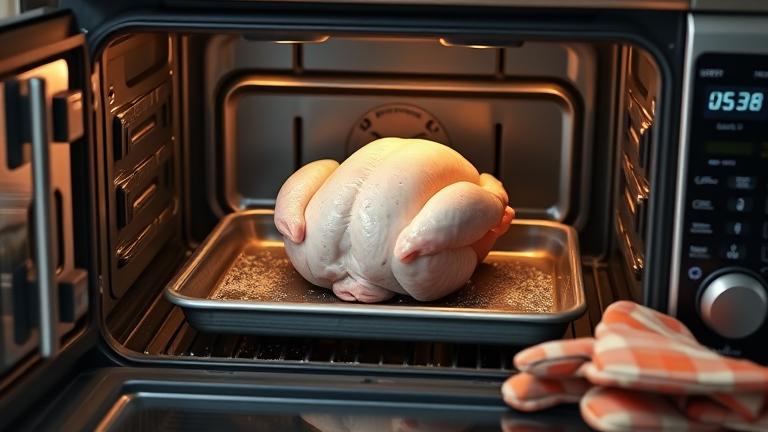
Safety Tips for Cooking Frozen Chicken
Cooking frozen chicken in the oven can be convenient, but it’s important to prioritize safety. Proper handling ensures the chicken cooks evenly and reaches the right temperature to eliminate harmful bacteria. Here are some practical safety tips to help you cook frozen chicken safely and deliciously.
First, always start by checking the chicken’s packaging. Make sure there are no tears or leaks that could contaminate surfaces in your kitchen. It’s best to handle frozen chicken with clean hands and utensils to prevent cross-contamination.
When it comes to thawing, it is safest to cook chicken directly from frozen. Do not leave it out at room temperature to thaw, as this allows bacteria to multiply rapidly. Instead, if you prefer to thaw, do it in the refrigerator for several hours or overnight. Thawing in the microwave is also an option if you plan to cook immediately afterward. Remember, thawed chicken should be cooked within a day or two to stay safe.
Preheat your oven to the recommended temperature, usually around 375°F to 425°F depending on the recipe. For example, roasting a whole chicken typically requires about 375°F. Using the correct temperature helps the chicken cook evenly and prevents undercooked spots.
Use a food thermometer to check that your chicken has reached the safe internal temperature. The United States Department of Agriculture recommends cooking poultry to at least 165°F. Insert the thermometer into the thickest part of the meat, avoiding bones, for an accurate reading. This is the most reliable way to confirm your chicken is thoroughly cooked.
Avoid stuffing the chicken with fillings before cooking, as this can trap raw juices and result in uneven cooking. Instead, cook any stuffing separately. Also, be cautious of overcrowding the oven; proper air circulation helps the chicken cook evenly and reduces the risk of bacteria survival.
When the chicken is cooked, let it rest for a few minutes before cutting. This allows juices to redistribute, keeping the meat moist and flavorful. But remember, do not leave cooked chicken at room temperature for more than two hours, as bacteria can grow rapidly in the “danger zone” between 40°F and 140°F.
Finally, clean all surfaces, utensils, and your hands thoroughly after handling raw or cooked chicken. This step is critical to prevent cross-contamination and foodborne illnesses.
Best Oven Methods for Frozen Chicken
Cooking frozen chicken in the oven is a convenient way to get dinner on the table quickly, especially when you forget to thaw the meat first. The key is to use the right method to ensure the chicken cooks evenly, stays juicy, and reaches a safe temperature. You don’t need to thaw it first, but you do need to follow some simple steps to get the best results.
When using the oven for frozen chicken, the goal is to cook it slowly enough so that the inside reaches a safe temperature without drying out or burning the outside. The good news is, with a few tips, you can achieve tender, flavorful chicken directly from frozen. Just keep in mind that cooking times will be longer than for thawed meat, so prepare to add extra minutes.
Preparing Your Frozen Chicken for the Oven
- Preheat your oven to 350°F (175°C). This moderate temperature helps cook the chicken evenly without scorching.
- Remove packaging and check for any ice or frost. It’s best to rinse the chicken briefly under cold water to remove any ice crystals. Pat dry with paper towels.
- Use an oven-safe dish or baking sheet that allows hot air to circulate around the chicken. Lining it with foil or parchment paper makes cleanup easier.
Seasoning and Adding Flavor
Since you’re cooking the chicken directly from its frozen state, it’s a good idea to season it generously before placing it in the oven. Use salt, pepper, garlic powder, or herbs, either directly on the chicken or mixed into a marinade. If you prefer, you can also rub oil or butter onto the surface to help it brown nicely.
Cooking Time and Temperature
For frozen chicken, plan on increasing your usual cooking time by about 50%. For example, if a thawed chicken breast takes about 25 minutes at 350°F, expect it to take around 40 minutes when frozen.
| Type of Chicken | Thawed Cooking Time | Frozen Cooking Time |
|---|---|---|
| Chicken breasts (boneless, skinless) | 20-25 minutes | 40-45 minutes |
| Chicken thighs (bone-in) | 35-40 minutes | 60-70 minutes |
| Whole chicken (small, 3-4 lbs) | 1.5-2 hours | 2.5-3.5 hours |
To ensure safety, use a meat thermometer to check that the internal temperature reaches at least 165°F (74°C). Insert the thermometer into the thickest part of the meat for the best reading. If it’s below 165°F, put it back in the oven and check again in 5-10 minutes.
Tips for Best Results
- Cover the chicken with foil during the first half of cooking to keep it moist, then uncover for browning.
- Let the cooked chicken rest for 5 minutes before carving. This allows juices to redistribute and keeps the meat tender.
- Avoid overcrowding the baking dish, which can cause uneven cooking. Leave enough space around each piece.
Watch Out for Common Mistakes
- Don’t skip checking the internal temperature. Safe cooking is essential to avoid foodborne illness.
- Avoid cooking frozen chicken at very high temperatures like 450°F, which can burn the outside before the inside is done.
- Don’t forget to adjust cooking times based on your oven and the size of the chicken pieces.
Cooking frozen chicken in the oven is straightforward when you follow these tips. With a bit of planning, you’ll enjoy a delicious, safe meal even on busy days or when you forget to thaw ahead of time.
How to Check if Chicken is Fully Cooked
When you’re cooking chicken in the oven, it’s really important to make sure it’s fully cooked before eating. Undercooked chicken can carry harmful bacteria, but overcooked chicken can be dry and tough. So, verifying that your oven-cooked frozen chicken is done is both a safety measure and a way to enjoy it at its best.
There are several reliable methods to check if chicken is thoroughly cooked. The key is ensuring it has reached the right internal temperature and looks and feels right. Let’s walk through the easiest and most accurate ways to confirm your chicken is safe to eat.
1. Use a Meat Thermometer
The most accurate way to check if your chicken is fully cooked is with a digital or instant-read meat thermometer. Insert the thermometer into the thickest part of the chicken piece, avoiding bone if there’s any. Bones can conduct heat differently, leading to inaccurate readings.
Cooked chicken should reach an internal temperature of 165°F (74°C). Once the thermometer hits this temperature, your chicken is safe to eat. Be careful not to touch the bone with the thermometer, as that can give you a higher reading than the actual meat temperature.
2. Check the Juices
Another quick way is to look at the juices. When you cut into the chicken, the juices should run clear, not pink or bloody. Pinkish juices indicate that the chicken might still be undercooked.
This method is handy if you don’t have a thermometer nearby, but keep in mind it’s less precise. Always double-check with a thermometer for safety, especially with larger pieces or whole chickens.
3. Observe the Meat’s Appearance and Texture
The cooked chicken should be white or light tan all the way through. There should be no translucent or pinkish areas in the meat. The texture should be firm but not rubbery or overly dry.
If you’re unsure, gently press the chicken with a fork or tongs. It should feel firm and bounce back slightly. If it feels soft or squishy, it might need more cooking time.
Tips for Accurate Checks
- Always use a clean meat thermometer to prevent cross-contamination.
- Check the temperature in several spots, especially if cooking large pieces or a whole chicken.
- Allow chicken to rest for a few minutes after cooking. Resting helps juices redistribute and can make checking the temperature easier.
Common Mistakes to Avoid
- Relying solely on color or texture to judge doneness — always confirm with a thermometer.
- Pulling chicken out of the oven too early — ensure it reaches the safe internal temperature.
- Using a dirty or malfunctioning thermometer — replace batteries regularly and clean it after each use.
Checking your oven-cooked frozen chicken carefully not only keeps you safe but also ensures you enjoy tender, juicy results every time. With these simple methods, you’ll be confident your chicken is fully cooked and ready to serve.
Common Mistakes When Cooking Frozen Chicken
Cooking frozen chicken can be convenient, but it also comes with some common pitfalls. Many home cooks make simple mistakes that can affect the safety and taste of their meal. Knowing what to watch out for can help you cook frozen chicken perfectly every time.
One of the most frequent errors is not adjusting the cooking time properly. Frozen chicken takes longer to cook than thawed chicken. If you ignore this and follow the usual cooking times, your chicken might remain undercooked. Undercooked chicken is unsafe to eat and can cause foodborne illness. Always add extra time to your recipe when cooking chicken from frozen.
Temperature mistakes are another common issue. It is essential to cook chicken to an internal temperature of at least 165°F (74°C). Using a meat thermometer helps ensure that you’ve reached this safe temperature all the way through. Relying on visual cues like pink color or juices can be misleading, especially for frozen chicken, which can look less cooked even when it’s done.
Another mistake is cooking chicken at too high a temperature from the start. While it might seem logical to turn up the heat to speed things up, this often leads to uneven cooking. The outside may become dry or burnt before the inside is fully cooked. Instead, start with a moderate temperature and increase if needed. This helps the heat penetrate evenly and produces tender, juicy chicken.
Many people also forget to properly plan ahead. Cooking frozen chicken directly from the freezer without pre-cooking preparation can result in uneven texture. For best results, you can use methods like baking, oven roasting, or pressure cooking. These techniques help distribute heat more evenly. Avoid thawing chicken on the countertop, as this can promote bacteria growth. Instead, plan ahead and thaw it safely in the refrigerator or use quick-thaw methods if needed.
Overcrowding the pan or baking dish is a simple mistake that hampers proper cooking. When chicken pieces are packed tightly together, heat can’t circulate well, leading to uneven cooking. Make sure there’s enough space around the chicken so hot air or heat can reach all sides evenly.
Tips to Avoid Common Mistakes
- Use a meat thermometer to check internal temperature.
- Give extra cooking time when starting from frozen.
- Cook at moderate temperatures for even results.
- Avoid cooking directly from the freezer for delicate recipes.
- Arrange chicken pieces with space between them for even heat distribution.
- Follow safe thawing practices and plan ahead.
By avoiding these common mistakes, you’ll enjoy flavorful, safe, and perfectly cooked frozen chicken every time. Remember, patience and proper techniques are key to a successful meal.
Benefits and Risks of Oven Cooking Frozen Chicken
Cooking frozen chicken in the oven can be a convenient option when you forget to thaw it ahead of time. It allows you to prepare a meal quickly without extra planning. Many home cooks appreciate how straightforward it is to pop frozen chicken into the oven and have it ready to serve in less time.
One major benefit is that oven cooking helps ensure the chicken cooks evenly when done properly. The heat surrounds the meat, and with a proper temperature, the chicken can reach a safe internal temperature without turning dry. Oven cooking can also retain moisture better than some other methods, especially if you use a covered dish or add moisture during cooking.
Another advantage is that oven cooking frozen chicken can be versatile. You can bake, roast, or even casserole it, adding your favorite seasonings and sides. Plus, it’s a good option for busy days when you want to get dinner on the table fast.
However, there are some risks associated with oven cooking frozen chicken that you should be aware of. The biggest concern is food safety. If the chicken does not heat evenly, parts of it might remain in the danger zone — an unsafe temperature range where bacteria can grow. To avoid this, it’s very important to use a reliable meat thermometer and cook until the internal temperature reaches 165 degrees Fahrenheit.
Another potential issue is overcooking or drying out the chicken. Since frozen meat starts at a colder temperature, it can take longer to cook through. If you’re not careful, the outer parts might become dry or burnt by the time the inside reaches the safe temperature. This is especially true with thicker cuts like breast or thighs.
It’s also worth noting that cooking frozen chicken doesn’t always give the best texture. The outer layer might cook faster than the interior, leading to a rubbery or uneven texture. For better results, some cooks prefer to pre-thaw chicken or use methods like sous vide which offer more control.
| Benefits of Oven Cooking Frozen Chicken | Risks of Oven Cooking Frozen Chicken |
|---|---|
| Convenient and quick | Risk of uneven cooking |
| Retains moisture when cooked properly | Possible dryness if overcooked |
| Versatile; can be baked or roasted | Texture may be affected |
| No need to thaw in advance | Requires careful temperature monitoring |
- Always use a meat thermometer to check for doneness.
- Place the chicken on a baking sheet or in a covered dish to help retain moisture.
- If possible, plan for extra cooking time, especially for thicker cuts.
- Thoroughly wash your hands and all surfaces after handling raw chicken to prevent cross-contamination.
By weighing these benefits and risks, you can decide if oven cooking frozen chicken suits your needs. With proper precautions, it can be a safe and efficient way to prepare a tasty meal!
Tips for Seasoning Frozen Chicken Before Cooking
Seasoning frozen chicken before cooking can be a great way to add flavor and make your meal more enjoyable. However, it’s important to do it correctly to ensure the chicken cooks evenly and stays safe to eat. Here are some practical tips to help you season frozen chicken effectively and confidently.
First, it’s important to understand that seasoning frozen chicken works best when used in combination with proper cooking methods. Since the chicken is still frozen, the surface is cold and often icy, which can make seasoning less effective if not prepared properly. For example, if you try to sprinkle spices directly onto frozen meat, the seasonings may not adhere well or distribute evenly. To get around this, you can use a method called “dry brining,” or simply wait until the chicken has partially thawed for better seasoning adhesion.
Use the Right Seasonings
Start with simple seasonings like salt, pepper, garlic powder, onion powder, or paprika. These basic flavors will enhance the chicken without overpowering it. If you’re aiming for a specific cuisine, such as Mexican or Italian, add herbs and spices accordingly. For example, cumin, chili powder, and oregano work well for a Mexican twist, while Italian seasoning pairs nicely with garlic and onion powders.
Apply Seasonings Properly
- Pat the chicken dry first: Use a paper towel to gently remove excess ice or moisture on the surface. Dry surface helps spices stick better.
- Use a light coating of oil: Lightly brush or spray the chicken with a little oil like olive or vegetable oil. Oil helps spices adhere and promotes browning during cooking.
- Season evenly: Sprinkle spices across the chicken, then gently pat and press them onto the surface. Unlike fresh chicken, frozen meat can be a bit harder for seasonings to stick onto, so a bit of gentle pressing helps.
Optional Marinades or Rubs
If you want deeper flavor, consider using a marinade or dry rub. For frozen chicken, a quick marinade can be done by placing the uncooked chicken in a bag with a small amount of marinade and letting it sit in the fridge for a few hours before freezing. If you’re already frozen, you can thaw the surface slightly by running the chicken under cold water for a few minutes, then apply marinade or rubs.
Timing and Safety
Always keep safety in mind. Frozen chicken should be cooked thoroughly to an internal temperature of 165°F (74°C). Applying seasoning just before cooking is safe, but avoid seasoning days in advance unless you marinate and properly store the chicken. This reduces the risk of bacteria growth and keeps your meal safe to eat.
Tips to Remember
- Season gently at first, then taste and adjust during cooking if needed.
- Avoid overly thick or sticky coatings that may prevent even cooking.
- Remember that salt can start to draw moisture out if left on for too long, so don’t over-season before cooking.
- If seasoning seems difficult due to ice or cold surface, let the chicken sit in the fridge for a short while or run under cold water to loosen the surface before seasoning.
By following these tips, you can turn plain frozen chicken into a flavorful dish without hassle. Proper seasoning enhances the natural taste and makes your meal more delicious, even if you start from frozen.
Addressing Safety Concerns About Cooking Frozen Chicken
Many home cooks worry about the safety of cooking chicken directly from the freezer. It is a common concern, especially because poultry can carry harmful bacteria like Salmonella and Campylobacter. The good news is that, with proper techniques, you can safely prepare frozen chicken without thawing first. Understanding the safety guidelines helps prevent foodborne illness and assures you that your meal is both delicious and safe.
First, it is important to know that cooking frozen chicken is safe but requires adjusting your cooking time. Because the chicken starts at a colder temperature, it will take longer to reach the safe internal temperature. The key to safety is cooking the chicken evenly so that the inside reaches a temperature of 165°F (74°C). This temperature kills most harmful bacteria, making the chicken safe to eat.
Dispelling Common Myths
- Myth: You cannot cook chicken from frozen safely.
Truth: You can, as long as you follow the right steps and cook it thoroughly. - Myth: Frozen chicken is unsafe even when cooked properly.
Truth: Proper cooking ensures safety, regardless of whether the chicken was frozen or thawed beforehand. - Myth: You should always defrost chicken before cooking.
Truth: Sometimes, defrosting takes too long or isn’t practical. Cooking from frozen is perfectly acceptable if done correctly.
Guidelines for Safe Cooking
To ensure you’re cooking frozen chicken safely, follow these simple tips:
- Use a reliable thermometer: Always check the internal temperature with a meat thermometer. This is the best way to confirm the chicken is fully cooked and safe to eat.
- Increase cooking time: Expect about 50% longer cooking time compared to fresh or thawed chicken. For example, if a chicken breast usually takes 20 minutes, plan for around 30 minutes when cooking from frozen.
- Cook evenly: Arrange the pieces in a single layer in the oven or skillet. Avoid overcrowding, which can lead to uneven cooking.
- Start with high heat: For oven cooking, you might begin at a higher temperature (around 400°F or 200°C) to promote even heat transfer, then reduce as needed.
- Avoid partial cooking: Never partially cook chicken and then finish it later. This promotes bacterial growth. Cook thoroughly all at once.
Practical Tips to Ensure Safety
- Always wash your hands thoroughly with soap and water before and after handling raw chicken.
- Clean all surfaces and utensils that come into contact with raw chicken to prevent cross-contamination.
- Don’t leave chicken at room temperature for long. If you need to defrost, do so in the fridge or microwave, not on the counter.
- If using the microwave to start defrosting, cook the chicken immediately afterward to ensure safety.
- When in doubt, give the chicken extra time to cook thoroughly. It’s better to overcook slightly than to undercook and risk foodborne illness.
By following these straightforward safety tips and guidelines, you can confidently cook frozen chicken in the oven. Remember, proper cooking temperature and hygiene are your best tools to enjoy a safe and tasty meal.