
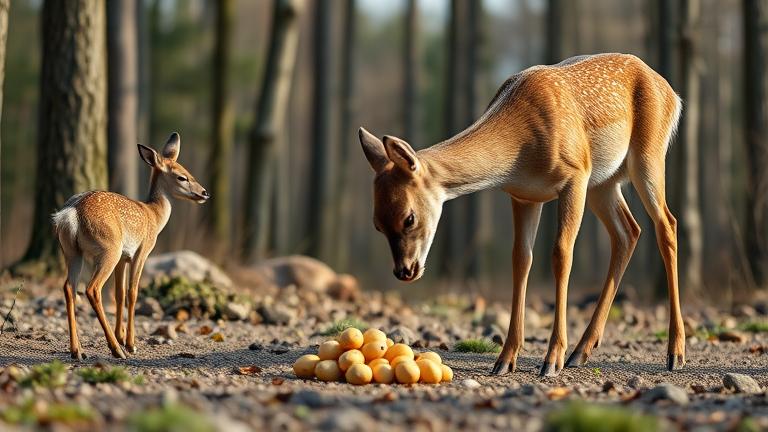
Understanding a Whitetail Deer’s Natural Diet: What Do They Really Eat?
Whitetail deer possess a specialized digestive system, meticulously adapted over millennia to process a very specific array of natural forage. Unlike humans or other omnivores, these magnificent creatures are ruminants. Their four-chambered stomach system is designed to break down tough, fibrous plant material through fermentation. This intricate biological process extracts vital nutrients from their preferred diet, ensuring their health and survival in the wild.
A whitetail deer’s natural diet is incredibly diverse, shifting with the seasons and available vegetation. It primarily consists of browse, which includes the leaves, twigs, and buds of woody plants and shrubs. They also consume forbs, which are broad-leaved herbaceous plants, and various grasses. Additionally, they will seek out mast, such as acorns, chestnuts, and other nuts, especially during the fall months when these energy-rich foods become abundant.
This varied diet provides a balanced intake of protein, carbohydrates, fats, vitamins, and minerals essential for growth, reproduction, and overall well-being. Their digestive system, rich in specific microbial populations, efficiently breaks down cellulose and other complex plant compounds. Introducing unnatural foods can severely disrupt this delicate balance, leading to a cascade of negative health consequences for the deer. Understanding their true dietary needs is the first step in appreciating why human intervention in their feeding habits is often detrimental.
Are Potatoes Good for Deer? A Nutritional Analysis
The question of whether potatoes are a beneficial addition to a deer’s diet often arises among well-meaning individuals. However, the answer is a resounding no. While deer might be opportunistic feeders and consume potatoes if readily available, these tubers are fundamentally incompatible with their digestive physiology. Their digestive systems are specifically adapted to process fibrous forage like leaves, twigs, and grasses, not starchy vegetables.
Introducing a high-starch food like potatoes can profoundly disrupt a deer’s delicate gut microbiome. This disruption can lead to a condition known as acidosis, where the pH level in the rumen drops sharply. Acidosis can manifest as severe digestive upset, including bloat and colic, which are not only painful but can also prove fatal for the animal. A deer’s natural diet supports a slow, steady fermentation process, which is critical for their health and energy regulation.
Furthermore, potatoes contain compounds that can be outright toxic to deer. Specifically, potatoes, especially green ones, sprouts, and eyes, contain solanine. This toxic glycoalkaloid can be harmful if consumed in large quantities. The potential benefits of any minimal caloric intake from potatoes are vastly outweighed by these significant health risks. Therefore, from a nutritional and physiological standpoint, potatoes are not a good or safe food source for deer.
The Hidden Dangers: Why Potatoes Can Be Problematic for Deer
Potatoes, though a common staple in human diets, are far from a natural component of a wild deer’s foraging habits. Offering them to deer can inadvertently pose significant and often hidden health risks. A deer’s digestive system is exquisitely adapted to a diet rich in fibrous forage, not the starchy carbohydrates found abundantly in potatoes. Introducing such an alien food source can trigger a severe chain reaction within their delicate digestive tract.
One of the most immediate dangers is the potential for severe digestive upset, including bloat and colic. These conditions arise when the sudden influx of starch causes an abnormal fermentation process in the deer’s rumen. This leads to an excessive buildup of gas, which can put immense pressure on internal organs and even restrict breathing. In severe cases, bloat can be rapidly fatal if not addressed, which is rarely possible for wild animals.
Beyond immediate digestive distress, potatoes harbor a more insidious threat: solanine. Solanine is a toxic glycoalkaloid naturally present in potatoes, particularly in higher concentrations in green parts of the plant, sprouts, and the ‘eyes’. While typical amounts in properly prepared, unblemished potatoes for human consumption are low, deer consuming whole potatoes, especially those that are green or sprouting, can ingest dangerously high levels.
Ingesting too much solanine can lead to serious neurological issues, affecting coordination and motor functions, and severe gastrointestinal problems like vomiting, diarrhea, and abdominal pain. These symptoms can weaken a deer, making it more vulnerable to predators, disease, or accidents, ultimately leading to serious illness or even death.
The Dangers of Feeding Potatoes to Deer
The act of feeding potatoes to deer, even with the best intentions, carries a multitude of significant risks that extend beyond immediate health concerns. One primary danger is the disruption of a deer’s naturally evolved digestive system. As ruminants, deer rely on specific gut flora to break down complex plant fibers. The high starch content in potatoes can rapidly alter this microbial balance, leading to conditions like lactic acidosis.
Lactic acidosis causes a drastic drop in the pH of the rumen, which can damage the lining and kill off beneficial bacteria. This can result in severe indigestion, nutrient malabsorption, and potentially fatal bloat. Furthermore, the presence of solanine, a toxic compound in potatoes, especially in green parts, sprouts, and eyes, poses a direct poisoning risk. Even small amounts over time can accumulate and cause chronic health problems, affecting the deer’s nervous and digestive systems.
Beyond the physiological harm, feeding deer can lead to an over-reliance on human-provided food. This habituation alters their natural foraging behaviors, making them less adept at finding natural food sources and more dependent on handouts. Such dependence can cause deer to lose their innate fear of humans, drawing them closer to residential areas.
This increased proximity to human activity escalates the risk of conflicts, including property damage, vehicle collisions, and even aggressive encounters. Feeding sites also concentrate deer populations unnaturally. This aggregation creates ideal conditions for the rapid spread of diseases, parasites, and pathogens among individuals, significantly compromising herd health.
The Ripple Effect: How Human Feeding Harms Wild Deer
The ripple effect of human feeding habits on wild deer extends far beyond a simple, momentary meal, significantly altering their natural behavior and overall health in profound ways. When deer become accustomed to human-provided food sources, they often begin to lose their innate foraging skills. This crucial natural behavior allows them to find diverse and balanced nutrition in their natural habitat.
Their natural wariness of humans also diminishes, making them bolder and more prone to venturing into populated areas. This habituation can lead to increased conflicts with humans, including property damage to gardens and landscaping, and a higher incidence of vehicle collisions as deer frequently cross roads in search of easy food.
Beyond these behavioral shifts, feeding wild deer can severely compromise their health through unnatural diets. Foods commonly offered by humans, such as corn, bread, or various scraps, often lack the specific nutrients essential for a deer’s specialized digestive system.
Such diets can lead to severe digestive problems, including bloat, acidosis, and malnourishment. These conditions weaken the deer, making them more susceptible to illness and less able to withstand harsh environmental conditions.
The aggregation of deer at artificial feeding sites also tragically facilitates the rapid spread of diseases, such as Chronic Wasting Disease (CWD). CWD is a fatal neurological disease that devastates deer populations, and concentrated gatherings at feeding stations create ideal conditions for its transmission through saliva, urine, and feces. This easy transmission compromises the entire herd’s overall health and resilience.
Ecologically, the artificial concentration of deer due to human feeding can lead to severe overpopulation in specific areas. This overpopulation exerts immense pressure on natural vegetation, leading to overbrowsing of native plants and habitat degradation for other wildlife species that rely on those same resources. The disruption of natural predator-prey dynamics is another significant consequence.
Unnaturally high deer numbers, fueled by supplemental feeding, can alter the delicate ecological balance, impacting entire ecosystems. Respecting natural ecosystems and allowing wild deer to forage for their own food is therefore crucial not only for their individual well-being but also for the health of the broader environment they inhabit.
Safe and Healthy Alternatives: What to Feed Deer (And What to Avoid)
The concept of “feeding” wild deer safely and healthily is, in fact, a misnomer. The safest and healthiest approach to supporting wild deer populations is to avoid direct feeding altogether. This practice encourages natural behaviors, maintains their wild instincts, and prevents the myriad of negative consequences associated with human intervention. There are no truly “safe” or “healthy” alternatives that involve providing food directly to wild deer. The most beneficial actions humans can take involve promoting healthy natural habitats.
Instead of attempting to feed deer, a far more responsible and effective approach is to focus on creating or preserving a deer-friendly habitat. This involves planting native vegetation that naturally provides diverse food sources, such as browse, forbs, and mast-producing trees.
Native plants are adapted to the local environment and offer the precise nutritional balance that deer need, as well as providing essential cover for shelter and protection. This method encourages deer to forage naturally, ensuring they receive the appropriate diet their digestive systems are designed for.
It is crucial to understand that any human-provided food, including seemingly innocuous items like corn, bread, or even specialized deer feed, can be detrimental. These foods can lead to digestive upset, disease transmission, and habituation, as extensively discussed.
Responsible wildlife observation, without direct feeding, is the cornerstone of ethical coexistence. This allows deer to thrive on their natural diet, maintain their wild behaviors, and contributes to the health and sustainability of local ecosystems. Supporting conservation efforts and habitat preservation are the most impactful ways to help deer flourish.