
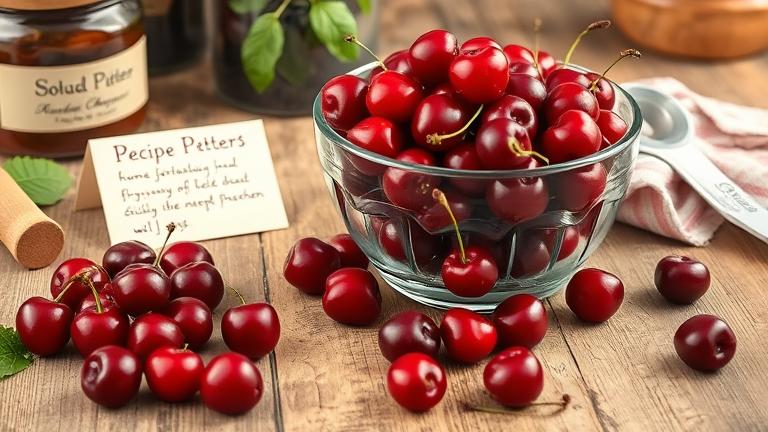
Traditional Methods for Preserving Sour Cherries
Preserving sour cherries using traditional methods involves techniques such as drying, freezing, and making jams or preserves. These approaches are time-tested for maintaining flavor and ensuring quality over extended periods [source]. Drying sour cherries entails spreading them in a single layer and dehydrating them either in the sun or in a food dehydrator. This process removes moisture and concentrates the flavor, making cherries portable and shelf-stable. Freezing is straightforward, requiring washing, removing stems and pits, and storing the cherries in airtight containers or freezer bags to retain freshness. For jams and preserves, cooking cherries with sugar and pectin produces a sweet, shelf-stable product that captures the fruit’s essence [source].

Advanced preservation methods include vacuum packing, which involves removing air to slow spoilage. Modern quick freezing techniques, like flash freezing, lock nutrients and flavor more effectively than conventional freezing. Combining old and new methods allows you to preserve sour cherries for months while maintaining their vibrant taste [source].
Proper Storage Conditions for Maximum Shelf Life
To extend the freshness of sour cherries, proper storage conditions are essential. Maintaining a cool environment at temperatures around 32°F to 36°F—equivalent to 0°C to 2°C—significantly slows down spoilage processes [source]. Using airtight containers or perforated plastic bags helps maintain optimal humidity levels and prevents mold growth. It is also crucial to store cherries away from ethylene-producing fruits such as bananas and apples, as ethylene gas accelerates ripening and decay. Regular inspection for mold or decayed fruit allows for immediate consumption or removal, thus preventing spoilage of remaining cherries [source].
For added preservation, wrapping cherries in paper towels can absorb excess moisture, further reducing mold risk. Research emphasizes that consistent cold storage combined with proper humidity extends the cherries’ shelf life. With these techniques, sour cherries can stay fresh for over a week or longer, depending on initial freshness [source].
For more detailed insights, visit our article on [how to store berries properly](https://testfoodkitchen.com/how-long-does-spinach-last-in-the-fridge/).
Transforming Sour Cherries into Preserves
Turning fresh sour cherries into delicious preserves is both rewarding and economical [source]. Start by washing and pitting the cherries to eliminate stems and leaves. Next, cook the cherries with sugar and lemon juice, which helps extract pectin and enhances flavor [source]. The mixture is simmered until it reaches a thick, jelly-like consistency, with optional ingredients like vanilla or cinnamon to add flavor. For jams, adding pectin helps gel the mixture; for jellies, straining creates a clear, glossy product.
After cooking, pouring the hot preserves into sterilized jars and sealing them properly ensures they last longer. Homemade preserves capture the tang and sweetness of sour cherries, making them ideal for gifting or enjoying throughout the year [source].
Pickling cherries involves immersing them in a vinegar-based brine, which adds a tangy flavor and extends shelf life. Proper sterilization and storage in a cool, dark place are critical for maintaining quality. Always inspect jars before consuming to avoid mold or off-odors, ensuring safety and flavor preservation [source].
Freezing and Dehydrating Sour Cherries
Freezing is one of the most convenient preservation methods for sour cherries. Begin with thorough washing to remove dirt and contaminants. Removing stems and pits is optional but recommended, as it simplifies later use [source]. Spread cherries in a single layer on a baking sheet and freeze until solid. Then, transfer them to airtight freezer bags or containers, squeezing out as much air as possible to prevent freezer burn. Properly labeled and dated packages help with inventory management [source].
Dehydrating cherries is another excellent preservation technique. Starting with clean, pitted cherries cut into halves or smaller pieces, lay them on dehydrator trays or baking sheets. Dry at around 135°F (57°C) in a dehydrator or oven with the door slightly open to release moisture. The cherries are ready when they have a leathery texture and minimal moisture. Dried cherries should be stored in airtight containers in a cool, dark environment to retain quality [source].
Nutritional Preservation During Storage
Maintaining the nutritional benefits of sour cherries during preservation hinges on gentle processing methods. Freezing retains most vitamins, antioxidants, and health-promoting compounds because it minimizes nutrient degradation [Research on freezing and nutrient retention]. To maximize nutrient preservation, avoid excessive heat, air exposure, and light during storage. Proper packaging, such as vacuum-sealing or airtight containers, prevents oxidation and moisture ingress, which can degrade nutrients [Impact of packaging on nutrient preservation].
Freeze-drying is another minimally invasive method that retains more nutrients due to its low-temperature water removal process [Freeze-drying and nutrient retention]. Combining gentle processing with optimal storage conditions helps preserve the health benefits of sour cherries over time [Food preservation tips].
Selecting Ripe Sour Cherries
Choosing ripe sour cherries involves inspecting their color, firmness, and aroma. Ripe cherries have a deep, vibrant hue and are firm but yield slightly when pressed [source]. Their scent should be sweet yet tart, signaling freshness. Before preservation, wash cherries thoroughly to remove any pesticides or dirt. Removing stems and damaged or overripe berries enhances flavor and prolongs storage life [source]. Proper selection and preparation are critical to ensuring your preserved sour cherries taste their best in various recipes.