
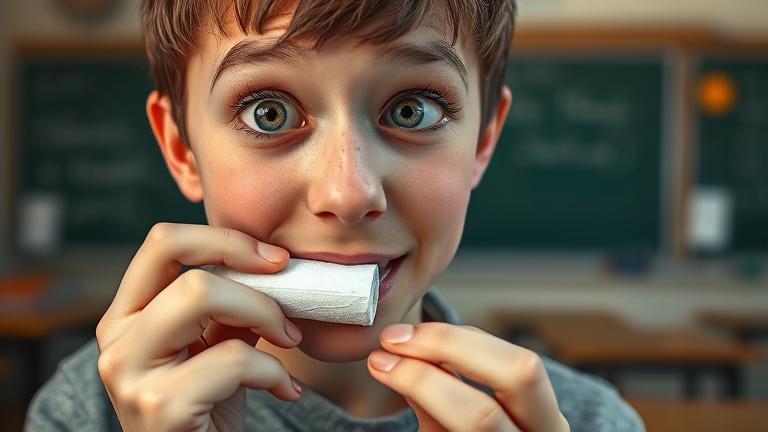
Is Eating Chalk Safe? Risks Explained
Many people wonder if eating chalk is safe, especially since some kids and even adults sometimes chew on or swallow small pieces of it. Chalk is commonly made from calcium carbonate, a substance that might seem harmless because it is used in antacids and supplements. But just because something is used in medicine doesn’t mean it’s safe to eat regularly or in large amounts. In fact, eating chalk can pose health risks that you should be aware of.
Consuming chalk is not recommended, as it can lead to various health problems. The main concern is that chalk is not meant for ingestion. Although small amounts might pass through your digestive system without major issues, frequent or large amounts can cause complications. For example, chalk can irritate your stomach lining, leading to nausea, vomiting, and stomach pain. In some cases, swallowing chalk may cause constipation because calcium carbonate can harden and get stuck in your tummy.
Potential Health Risks from Eating Chalk
- Gastrointestinal problems: Chalk can cause constipation, stomach pain, or even blockages if eaten in significant amounts.
- Dental damage: Chewing on chalk can wear down your teeth or cause chips and cracks, especially if done often.
- Allergic reactions: Some people may be sensitive to ingredients in certain types of chalk, leading to allergic reactions or skin irritation.
- Poisoning risks: If chalk contains added chemicals or dyes, there is a chance of toxicity, especially for children who may swallow larger pieces.
When to Seek Medical Advice
If you or your child accidentally swallow a small piece of chalk, it’s usually not cause for alarm, but keep an eye on any unusual symptoms. If the chalk was large, or if symptoms like severe stomach pain, vomiting, or difficulty swallowing occur, seek medical attention promptly.
In cases where someone deliberately consumes large amounts of chalk, it’s especially important to consult a healthcare professional right away. Medical providers can assess for any complications or poisoning and provide appropriate treatment. Also, if there’s any doubt about the ingredients or if the chalk might contain harmful substances, it is safest to get checked out.
Tips for Safety
- Keep chalk out of reach of children to prevent accidental ingestion.
- Discourage the habit of chewing or swallowing chalk, especially in children and teens.
- If you notice your child eating chalk regularly, talk with a healthcare provider to understand the cause and find safer ways to address the behavior.
- Always use chalk products intended for their specific purpose, like for writing or art, and avoid using any ingredient that isn’t designed to be edible.
In summary, eating chalk is generally unsafe and can cause health problems. While small accidental bites might not be serious, regularly consuming chalk can lead to issues that require medical attention. If you suspect someone has swallowed a large amount of chalk or is experiencing symptoms, don’t hesitate to seek professional help. It’s always better to stay safe and avoid any unnecessary health risks.
Why Do Kids Eat Chalk? Common Reasons
If you’ve noticed a child nibbling on chalk, you’re not alone. Many parents and caregivers wonder why kids sometimes eat chalk or other non-food items. Understanding the reasons behind this behavior can help you respond in a caring and practical way.
Children are naturally curious. They explore their world with all their senses, including taste. Chewing on chalk might be part of their way of discovering new textures, tastes, or sensations. It’s often a harmless habit during early development, especially when children are still learning about their environment.
Pica: The Medical Explanation
One common reason children eat non-food items like chalk is a condition called pica. Pica is when kids have a persistent craving to eat things that aren’t normally considered food, such as dirt, paper, or chalk. It can be caused by nutritional deficiencies, like low iron or zinc, or by other medical factors.
If you suspect pica, it’s important to watch for other signs such as unusual eating habits or health issues. Talking to a pediatrician can help identify if there’s an underlying medical reason and what steps to take next.
Sensory Preferences and Tactile Exploration
Some children enjoy the texture or taste of chalk because it provides a unique sensory experience. For example, the chalk’s smooth or powdery surface might feel good on their tongues or fingers. This sensory seeking behavior isn’t necessarily harmful in small amounts but should be monitored to ensure safety.
Kids with sensory processing differences may prefer certain textures over others. Offering alternative sensory activities, like modeling clay or textured toys, can help satisfy their curiosity in a safe way.
Other Common Reasons
- Teething: Younger kids who are teething might chew on chalk just like they would gums or teething toys.
- Imitating Others: If they see friends or adults chewing or handling chalk, children might copy that behavior.
- Filling Boredom: Sometimes, kids chew on chalk when they’re bored or seeking attention.
Tips for Parents and Caregivers
- Keep chalk out of reach of young children to prevent accidental ingestion.
- Offer safe alternatives like chewable jewelry or textured toys for sensory needs.
- If your child frequently eats non-food items, consult with a healthcare professional to rule out nutritional deficiencies or medical concerns.
- Encourage safe exploration by providing age-appropriate activities that satisfy curiosity and sensory needs.
- Stay calm and patient; this behavior often passes as children grow and learn more about their environment.
Understanding why kids eat chalk can help you respond with patience and care. Most importantly, keeping their safety in mind, providing alternatives, and seeking professional advice when needed can help manage this common behavior effectively.
Signs Your Child Is Eating Chalk
Noticing that your child might be eating chalk can be concerning. Chalk is often found in classrooms or arts and crafts areas, so it’s easy to overlook the signs. However, certain physical and behavioral indicators can help you determine if your child is consuming chalk. Being aware of these signs allows you to address the issue early and ensure your child’s safety.
Physical Signs to Watch For
- Changes in Tooth and Mouth Appearance: If your child’s teeth look stained, chalky, or have leftover residue, it might be a sign they’re eating chalk. You might also notice white spots or powder on their lips or tongue.
- Digestive Issues: Eating chalk can cause stomach upset, constipation, or a feeling of fullness. If your child complains of stomach pain or has unusual bowel movements, it could be related to chalk ingestion.
- Unusual Oral Discoloration: Occasionally, chalk can leave a white film or streak inside the mouth or on the teeth, which might be visible during brushing or talking.
Behavioral Signs to Observe
- Persistent Chewing or Biting: If your child is constantly chewing on objects, especially chalk or similar items, it may be a sign they’re craving or trying to consume chalk.
- Preoccupation with Chalk or Similar Items: Keeping a lookout for repeated attempts to pick up or chew chalk, or talking about it frequently, can suggest pica a condition where children crave non-food items.
- Ritualistic or Repetitive Actions: Some children might develop habits of licking or nibbling on chalk during class or playtime, even if not consciously aware of doing so.
Other Indicators and Tips
If you suspect your child has been eating chalk, it’s helpful to check their belongings or environment. Look for chalk dust or residue on their clothing, hands, or in their backpack. Also, pay attention if your child mentions liking the taste or feeling an urge to chew on chalk.
It’s important to note that eating small amounts of chalk occasionally may not cause serious harm, but frequent ingestion can lead to nutrient imbalances like calcium or mineral overload. If you notice any of these signs, or if you’re concerned about pica, consult a healthcare professional for proper guidance and advice.
Remember, gently addressing your child’s curiosity about chalk while encouraging healthier alternatives can prevent potential health issues. Offering safe, chewable toys or snacks can redirect their attention and reduce the likelihood of chalk ingestion in the future.
Dangers of Consuming Chalk Regularly
Many people might be curious or even tempted to try chalk, especially if they notice it in certain foods or environments. However, regularly consuming chalk can pose serious health risks that should not be ignored. Chalk is made primarily from calcium carbonate, a mineral not meant for human digestion, and eating it frequently can lead to a variety of health problems.
Gastrointestinal Issues
One of the most common dangers of eating chalk is the potential for gastrointestinal discomfort. Since chalk is not digestible, it can cause symptoms like constipation, stomach pain, and nausea. In some cases, an excessive intake can lead to blockages in the digestive tract, which may require medical attention. If you experience persistent stomach aches or changes in bowel movements, it’s a sign to seek help.
Mineral Imbalances
Chalk is high in calcium, and while calcium is essential for healthy bones, too much can disturb your body’s mineral balance. Overconsumption may lead to hypercalcemia, a condition where calcium levels become dangerously high. Symptoms include confusion, fatigue, muscle weakness, and irregular heartbeat. A sustained imbalance can also interfere with the absorption of other minerals like magnesium and zinc, which are vital for overall health.
Potential Toxins and Impurities
Not all chalk is pure. Some types used for gymnastic or classroom purposes may contain additives or impurities that are harmful if ingested. These can include dust, binders, or chemicals that can irritate the digestive tract or cause allergic reactions. Always ensure that if you’re considering chalk for any purpose, it is food-grade and safe for consumption.
Monitoring and Moderation
If you notice that you or someone else is consuming chalk regularly, it’s important to address this behavior. Moderation is key, as small amounts are less likely to cause serious problems. However, habitual consumption might signal a mineral deficiency or other underlying issue. Consulting a healthcare professional is a good idea if you suspect that your chalk intake is becoming a habit.
Tips to Stay Safe
- Keep chalk out of reach of children and teens.
- Choose only food-grade chalk if you must use it for a purpose that involves ingestion.
- Arrange your environment to avoid accidental consumption, especially in places where chalk is common.
- If you notice any adverse symptoms after consuming chalk, seek medical attention promptly.
| Potential Risk | Symptoms | Advice |
|---|---|---|
| Gastrointestinal issues | Constipation, stomach pain, nausea | Reduce intake and consult a doctor if symptoms persist |
| Mineral imbalance | Fatigue, confusion, muscle weakness | Monitor calcium levels and seek medical advice |
| Impurities | Allergic reactions, irritation | Use only food-grade chalk and verify its safety |
Remember, moderation and awareness are key when it comes to substances like chalk. Being informed helps prevent health issues and keeps your body safe while avoiding unnecessary risks associated with regular chalk consumption.
How Much Chalk Is Too Much? Warning Signs
Chalk might seem harmless after all, many people use it for school, sports, or even arts and crafts. However, eating or inhaling too much chalk can pose health risks. Knowing how much chalk is dangerous and recognizing warning signs can help keep you safe.
Chalk is made from minerals like calcium carbonate. In small amounts, it’s generally safe for external use or occasional ingestion, such as in some dietary supplements. But eating large quantities, or inhaling chalk dust regularly, can lead to health problems. It’s important to understand what constitutes too much and when to seek medical help.
How Much Chalk Is Considered Harmful?
There is no strict universal amount that defines when chalk becomes too much because it depends on several factors like age, overall health, and how it’s consumed. Generally, swallowing small amounts of chalk accidentally in food or during use isn’t dangerous. But intentional ingestion of larger quantities is risky.
Medical experts warn that ingesting more than a few grams equivalent to a teaspoon or more can cause discomfort or complications. Chronic inhalation of chalk dust, common in settings like classrooms or construction, can lead to respiratory issues over time. So, moderation is always key.
Warning Signs of Overconsumption
- Digestive upset: Nausea, vomiting, or stomach pain after eating chalk.
- Difficulty breathing: Coughing, wheezing, or shortness of breath, especially if inhaled dust irritates your lungs.
- Persistent cough or sore throat: Regular inhalation may cause inflammation or bronchitis.
- Constipation: Excess calcium from chalk can harden stool, causing discomfort.
- Signs of calcium overdose: Rashes, weakness, or confusion, although rare, require immediate medical attention.
What Should You Do If You Suspect Chalk Overdose?
If you notice symptoms like severe stomach pain, difficulty breathing, or confusion after ingesting or inhaling chalk, seek emergency medical care right away. Do not try to induce vomiting or take medication unless instructed by a healthcare professional.
In less urgent cases, contact a poison control center or your healthcare provider for advice. Keep the container or packaging of the chalk handy to help medical providers understand what was ingested.
Practical Tips to Stay Safe
- Store chalk out of reach of children to prevent accidental ingestion.
- Avoid inhaling dust by using chalk in well-ventilated areas or switching to dustless alternatives.
- If using chalk regularly, consider wearing a mask to reduce dust inhalation.
- Only use edible or health-approved chalk, especially if used in health or dietary contexts.
- Be aware of symptoms and act quickly if something doesn’t feel right after using or swallowing chalk.
Remember, although chalk might look simple, too much of anything can become harmful. Staying informed and cautious helps ensure you enjoy its benefits safely. If in doubt, always consult a healthcare professional about safe usage and what to do if you suspect overconsumption.
Safe Alternatives to Using Chalk
Many children find the texture and taste of chalk appealing, but eating chalk can be unsafe and isn’t recommended. Instead, there are plenty of healthier and safer alternatives that satisfy the desire for a tactile experience or help kids focus without risking their health. These substitutes can turn chalk-eating into fun, safe activities and promote better habits.
Healthy Snacks as Behavioral Alternatives
If children tend to put chalk in their mouths out of boredom or habit, offering healthy snacks can redirect their attention. For example, crunchy fruits like apple slices or carrots can provide a similar satisfying texture. Chewing sugar-free gum is another option, helping to keep mouths busy without ingesting any harmful substances.
Creative and Tactile Activities
Encourage children to channel their need for tactile stimulation into safe, creative activities. Playdough or modeling clay allow kids to squish, roll, and shape without any harmful ingredients. Sensory bins filled with rice, pasta, or beans can also keep little hands busy while being totally safe.
Safe Substitutes for Chalk in Learning Activities
If the goal is to replicate the fun of writing or drawing, consider these alternatives:
- Whiteboard markers: Use on whiteboards or glossy surfaces. They are non-toxic and easy to wipe clean.
- Colored pencils or crayons: Perfect for drawing on paper, providing a similar visual appeal without any health risk.
- Chalk markers: Specialty markers that look like chalk but are designed to be safer and easier to clean.
These options not only look similar but are also less likely to be ingested, making them ideal for young children learning to write and draw.
Tips for Encouraging Safer Behaviors
- Redirect your child’s focus when they reach for chalk with a favorite toy or activity.
- Discuss why eating chalk isn’t safe, using simple language they can understand.
- Provide plenty of engaging, safe activities that keep their hands or mouths busy.
- Set a good example by avoiding putting classroom supplies in your mouth or on your skin.
Understanding Why Kids Might Eat Chalk
| Reason | What to Do |
|---|---|
| Boredom or curiosity | Offer engaging alternatives like playdough or sensory activities. |
| Mineral deficiency (rare) | Consult a pediatrician if you suspect nutritional issues. |
| Habit or comfort behavior | Encourage helpful routines and positive reinforcement for safe behaviors. |
Remember, replacing chalk-eating habits with safe, engaging activities helps children develop healthier routines. Patience and positive reinforcement will encourage lasting good habits while keeping kids safe and happy.
When to See a Doctor About Chalk Eating
Eating chalk might seem harmless or simply a curious behavior, especially in young children. However, it can sometimes be a sign of underlying health issues or nutritional gaps. Knowing when to seek medical advice is important to ensure your child’s safety and well-being.
First, observe if your child has been repeatedly eating chalk over a period of days or weeks. If it’s a one-time thing, it may not be cause for concern. But regular chalk eating could indicate a problem that needs professional attention.
One of the main worries is the possibility of chalk causing a blockage in the digestive system. If your child experiences persistent stomach pain, vomiting, or constipation after eating chalk, it’s time to see a doctor. These symptoms can suggest a blockage or other serious issues that require prompt care.
Another important sign to watch for is if your child shows signs of choking or difficulty swallowing when trying to eat chalk. This could mean the chalk is getting stuck in the throat or esophagus, which can be dangerous.
You should also seek medical advice if your child exhibits any of the following symptoms:
– Excessive fatigue or weakness
– Loss of appetite
– Pale or jaundiced skin (yellowish tint)
– Signs of bleeding, such as bleeding gums or unusual bruises
Chalk often contains ingredients like calcium carbonate, which can be harmful in large amounts. Overconsumption might interfere with the absorption of nutrients like iron and zinc, potentially leading to deficiencies. So, if you notice other symptoms like unexplained irritability or poor growth, consult a healthcare professional.
If your child has a known pica condition, where they crave non-food items like chalk, it’s especially important to talk to a doctor. Pica can sometimes be linked to nutritional deficiencies, mental health issues, or developmental disorders. Your doctor can identify the cause and recommend appropriate treatment or nutritional support.
In some cases, chalk eating is associated with behavioral or sensory issues. If your child shows signs of anxiety, obsessive behaviors, or sensory sensitivities, seeking advice from a healthcare provider or a specialist such as an allergist or psychologist can be helpful.
Remember, it’s better to check with a healthcare professional if you’re unsure. When in doubt, a doctor can run tests to rule out deficiencies or health problems, and offer guidance on how to help your child stop eating chalk. Your quick action can prevent potential complications and ensure your child’s health stays on track.