
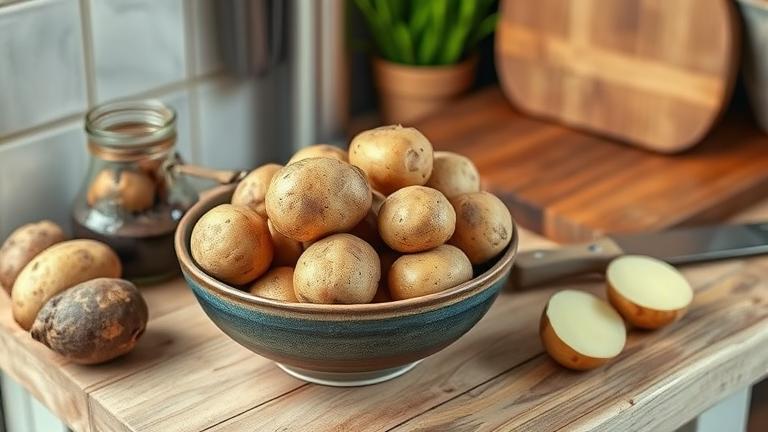
Understanding Potato Oxidation
Have you ever cut a potato and noticed it turning brown or gray almost immediately? This is caused by a natural process known as oxidation. When you cut or peel potatoes, you expose their inner tissues to air, which triggers a chemical reaction that changes their color and sometimes affects their quality.
Oxidation occurs when enzymes in the potato called polyphenol oxidases, also known as PPOs, come into contact with oxygen in the air. These enzymes react with phenolic compounds within the potato, producing melanin-like substances that create the brownish color you see. This is similar to what happens when an apple or banana turns brown after being cut.
It’s important to know that oxidation doesn’t make the potato unsafe to eat. The change in color is purely cosmetic, and the potato remains good to use. However, many people find the discoloration unappealing, especially if they’re preparing dishes like salads or presentation plates. In addition, oxidation can slightly affect flavor and texture, making the potatoes seem duller or more wrinkled.
Several factors influence how quickly potatoes oxidize after being cut. The main ones include the type of potato, storage conditions, and how they are prepared. For example, starchy potatoes like russets tend to brown faster than waxy types such as red potatoes. The presence of moisture, temperature, and exposure to air all speed up or slow down oxidation.
To understand how oxidation impacts potatoes, it helps to look at some of the key causes:
- Air exposure: When potatoes are cut or peeled and left exposed to air, oxidation happens more quickly.
- Temperature: Cooler temperatures can slow oxidation, while warmth speeds it up.
- Type of potato: Different varieties contain varying levels of polyphenol oxidases, affecting how fast they brown.
- Delay in preparation: The longer potatoes sit after being cut, the more discoloration occurs.
Fortunately, there are easy ways to minimize oxidation and keep your potatoes looking fresh. Techniques include immersing cut potatoes in water to limit oxygen contact, adding a little lemon juice, or refrigerating them promptly. These methods help maintain their appearance and ensure they taste good when you’re ready to cook or serve.
Knowing the science behind potato oxidation allows home cooks to better handle potatoes and prevent unwanted discoloration. It also reassures that the change in color is harmless, so you can focus on preparing delicious meals without worry about the appearance.
Causes of Potato Oxidation
Potato oxidation is a common and often frustrating issue that can affect the appearance and taste of your dishes. Understanding what causes potatoes to turn brown or gray helps you prevent it and keep your potatoes looking fresh and appetizing. The main causes of potato oxidation are exposure to air, light, and improper storage conditions. Let’s explore each factor in detail so you can take simple steps to avoid it.
Exposure to Air (Oxygen)
When you peel or cut potatoes, their fresh surface is exposed to oxygen in the air. This exposure triggers a chemical reaction called enzymatic browning, which causes the potatoes to turn brown or gray. The enzymes responsible are called polyphenol oxidases, or simply oxidases. These enzymes react with the phenolic compounds in potatoes when they come into contact with air, resulting in browning.
This process happens quite quickly, sometimes within minutes after peeling or cutting. To prevent it, it helps to submerge cut potatoes in water right after chopping. Water acts as a barrier, limiting oxygen contact and slowing down browning. Adding a splash of lemon juice or vinegar can also help because the acidity inhibits the enzymes responsible.
Exposure to Light
Light is another factor that accelerates potato discoloration. When potatoes are exposed to sunlight or artificial light, chlorophyll can develop, giving the potato a greenish tint. While green potatoes do not pose a high health risk, they may contain solanine, a natural toxin that can cause digestive issues if consumed in significant amounts.
To keep potatoes fresh and prevent green spots, store them in a dark, cool place. A pantry or a shaded cupboard is ideal. Keeping potatoes away from direct sunlight helps maintain their natural color and flavor.
Improper Storage Conditions
Storing potatoes in the wrong environment can lead to quick oxidation and spoilage. Potatoes prefer a cool, dark, and humid place. If stored in a warm or excessively humid area, they tend to sprout or rot faster. Conversely, storing potatoes in the fridge can cause the starches to convert into sugar, affecting taste and texture, and sometimes encouraging oxidation.
For the best results, keep potatoes in a paper bag or a perforated container that allows air circulation. Avoid storing potatoes next to onions or fruits like apples, because the ethylene gas they produce can hasten spoilage. Regularly check stored potatoes for sprouting or spoilage, and remove any affected ones promptly.
Additional Tips to Minimize Oxidation
- Use lemon juice or vinegar on peeled or cut potatoes to slow down browning.
- Cover peeled potatoes completely with water if you’re not using them immediately.
- Store potatoes in a cool, dark, well-ventilated place for maximum freshness.
- Avoid refrigeration unless potatoes are cooked or intended for long-term storage in cold conditions.
By understanding these common causes of potato oxidation, you can take simple steps to keep your potatoes looking fresh and appealing. Quick actions like submerging them in water or storing them properly in a dark spot can make a big difference in your cooking results.
Signs Your Potatoes Are Oxidized
Oxidized potatoes can be tricky to spot at first, but with a little attention, you’ll learn to recognize the signs quickly. When potatoes are exposed to air after peeling or cutting, they often undergo a chemical reaction that results in discoloration. This process is called oxidation, and understanding its visual cues helps you decide whether your potatoes are still good to eat or better discarded.
The most common sign of oxidized potatoes is a change in their color. Fresh potatoes have a light, creamy color, but once exposed to air, they can turn brown or gray. This darker appearance doesn’t mean the potatoes are spoiled, but it does indicate they’ve been sitting out for a while. If you notice these dark patches after peeling, it’s a clear sign of oxidation.
Another visual cue is texture. Oxidized potatoes often develop a slightly waxy, slimy, or sticky surface. When you run your fingers over the peeled or cut potato, you might feel a tacky or slippery layer, especially if they’ve been sitting out for some time. This sliminess is a sign that enzymes have started breaking down the potato’s tissues, which can lead to spoilage if not used quickly.
If you slice or peel potatoes and see brown or gray spots within the flesh, it’s likely due to oxidation. These spots are usually confined to the areas exposed to air and are not necessarily a sign of spoilage. Sometimes, these small discolorations can be cut away, and the remaining potato is still good. However, if the discoloration spreads or the potato has an unpleasant odor, it’s best to discard it.
Additional Indicators to Watch For
- Smell: If your potatoes develop a sour or rotten odor, that’s a red flag. Healthy potatoes should smell fresh or neutral.
- Sprouts or Eyes: While sprouting doesn’t always mean spoilage, prominently green sprouts or eyes can indicate the potato has begun to age. Green areas contain solanine, which should be avoided.
- Wrinkling or Shriveling: Fresh potatoes are firm. If they start to wrinkle or become shriveled, they’re past their prime, even if they’re not yet rotten.
To prevent oxidation, it’s best to peel and cut potatoes just before cooking. If you need to prepare them in advance, immerse the cut pieces in cold water and store them in the refrigerator. Adding a splash of lemon juice or vinegar can also help slow down the oxidation process. By keeping an eye out for discoloration, texture changes, and odors, you can easily tell if your potatoes are oxidized and still safe to use or if they should be discarded.
Is Oxidized Potatoes Safe to Eat?
If you’ve ever cut into a potato and noticed it turning brown or gray quickly, you’re seeing oxidation at work. Oxidized potatoes are common in kitchen prep, and many wonder if they’re safe to eat. The good news is that oxidation itself doesn’t mean the potato is spoiled or unsafe. But it’s helpful to understand what causes it and when you should be cautious.
Oxidation happens when the potato’s flesh is exposed to air. It’s a natural chemical reaction where enzymes in the potato turn the surface brown or gray. This discoloration is similar to how an apple turns brown after being sliced. It doesn’t change the flavor much, but it can make the potato look less appealing. If you see this happening, don’t panic. The potato is still safe to eat if it smells normal and has no signs of mold or spoilage.
However, it’s important to distinguish between oxidation and spoilage. A fresh potato that turns brown after cutting is different from one that shows mold, sliminess, or a sour smell. These signs mean the potato has gone bad and should be discarded. Also, if the potato has started to sprout or feels soft and mushy, it’s better to toss it, regardless of color.
- Bright white or yellowish potatoes that turn brown after slicing are usually safe when cooked thoroughly.
- If you notice dark spots or blackening spots separate from surface oxidation, these areas could be spoiled parts and should be cut away.
Does Oxidized Mean Harmful?
Not necessarily. Oxidized potatoes do not contain toxins from oxidation. The browning process is purely a chemical change and not a sign of dangerous bacteria or toxins. That makes oxidation mainly a cosmetic issue rather than a health concern.
That said, always trust your senses. If an oxidized potato has a strange smell, sliminess, or mold, it’s best to throw it out. Consuming spoiled potatoes can cause stomach upset or foodborne illness. But if the potato looks and smells fresh apart from the discoloration, you can safely eat it after cooking.
Tips for Preventing Excess Oxidation
- Keep cut potatoes in cold water. This slows down oxidation and keeps them looking fresh longer.
- Add a little lemon juice or vinegar to the water. The acidity helps prevent browning.
- Cook or use the potatoes soon after cutting. The longer they sit, the more color change occurs.
Summary
In summary, oxidized potatoes are generally safe to eat if they don’t show other signs of spoilage. The discoloration is harmless and happens naturally. Just make sure to check for any off-smells, slimy texture, or mold. Proper storage and quick use reduce browning and keep your potatoes looking their best.
Risks of Consuming Oxidized Potatoes
Oxidized potatoes happen when potatoes are stored for too long or in conditions that encourage browning and spoilage. This process not only affects their appearance but can also pose health risks if consumed regularly. Understanding these dangers can help you make safer choices in your kitchen.
One of the main issues with oxidized potatoes is nutrient loss. When potatoes turn brown or develop dark spots, they often lose valuable nutrients like vitamin C and antioxidants. These nutrients are important for your immune system and overall health. Eating potatoes that have begun to oxidize means you might miss out on these benefits.
Aside from nutrient loss, oxidized potatoes can develop harmful compounds called acrylamides. These are chemicals that can form when potatoes are cooked at high temperatures, especially if they are already starting to spoil or oxidize. Acrylamides have been linked to certain health risks, including an increased chance of cancer over long-term exposure. While eating oxidized potatoes occasionally is unlikely to cause harm, regular consumption should be avoided.
Potential health risks include:
- Gastrointestinal discomfort: Eating spoiled or oxidized potatoes can cause stomach upset, nausea, or diarrhea. The presence of bacteria or fungi on spoiled potatoes can upset your digestion.
- Food poisoning: In some cases, oxidized potatoes that have been stored improperly may harbor bacteria such as Salmonella or Listeria. Consuming contaminated potatoes can lead to food poisoning, which includes symptoms like cramps, fever, and vomiting.
- Formation of harmful compounds: When potatoes oxidize and are cooked at high temperatures, they can produce acrylamides. Regularly eating foods high in these compounds may increase health risks in the long run.
Another important thing to watch out for is mold growth. If your potatoes develop mold, especially green spots or fuzzy patches, they are unsafe to eat. Mold can produce mycotoxins, which are toxic and can cause allergic reactions or other health issues.
Many people make the mistake of removing only the bad parts of an oxidized potato and still eating the rest. This isn’t always safe, especially if the spoilage is widespread. When in doubt, it’s better to discard potatoes that show signs of decay or strong discoloration.
Tips for safer storage and handling
- Store potatoes in a cool, dark, and well-ventilated place to slow oxidation and spoilage.
- Avoid keeping potatoes in the refrigerator, as cold temperatures can convert potato starch to sugar, encouraging browning and acrylamide formation during cooking.
- Use peeled or cut potatoes soon after preparation. If they turn brown after peeling, rinse them with cold water to remove surface oxidation.
- Always inspect your potatoes before cooking. Throw away any that smell bad, look moldy, or have extensive discoloration.
By paying attention to how your potatoes look and store them properly, you can reduce health risks and enjoy your meals safely. If you notice any signs of spoilage, it’s best to discard the potatoes to protect your health and avoid possible foodborne illness.
How to Prevent Potato Oxidation
Potato oxidation is a common challenge in the kitchen that causes peeled or sliced potatoes to turn gray or brown. This discoloration happens when the potato’s natural enzymes react with oxygen in the air. Luckily, there are simple ways to keep your potatoes looking fresh and appealing. With a few practical tips, you can minimize oxidation and enjoy your prepared potatoes without the unwanted color change.
One of the main causes of oxidation is exposure to air. When you peel or cut potatoes, make sure to keep them covered or submerged in water immediately after. This limits their contact with oxygen, reducing the chances of browning. Light also plays a role in oxidation, so storing potatoes away from direct light can help maintain their natural color.
Storing Potatoes Properly
- Use an airtight container or cover with plastic wrap: After peeling or slicing, place potatoes in a container with a tight-fitting lid or cover them with plastic wrap. This creates a barrier against oxygen, slowing down browning.
- Submerge in water: If you’re not using the potatoes immediately, submerge peeled or cut potatoes in a bowl of cold water. Keep the water refrigerated if you plan to store them for more than an hour. The water prevents oxygen from reaching the potato’s surface.
- Keep in a cool, dark place: Store whole potatoes in a cool, dark, and well-ventilated area. Avoid exposing them to sunlight or fluorescent lights, which can accelerate oxidation and sprouting.
Additional Tips to Minimize Oxidation
- Add an acid: Sprinkling lemon juice or vinegar on sliced or peeled potatoes creates an acidic environment that slows enzymatic browning. Just a little goes a long way about a teaspoon of lemon juice per cup of water is enough.
- Opt for short storage times: Use peeled or sliced potatoes promptly. The longer they sit, the more likely they are to brown.
- Avoid storing in plastic bags without ventilation: Trapped moisture and lack of airflow can make potatoes spoil faster and encourage browning. Use perforated bags or paper bags instead.
- Use a dark-colored container: If you plan to store cut potatoes for a few hours, choose a dark-colored or opaque container to block out light.
Common Mistakes to Avoid
- Leaving peeled potatoes exposed to air without covering them this speeds up oxidation.
- Storing potatoes near onions or apples these produce gases that can cause potatoes to spoil faster.
- Using warm water for storage cold water is better at preventing enzyme activity that causes browning.
By controlling exposure to air and light, you can keep your potatoes fresh, white, and ready for cooking. Simple steps like submerging in water, adding a splash of lemon juice, and storing in a cool place make a big difference. Practice these tips to reduce oxidation and enjoy beautiful, appetizing potatoes every time.
Tips for Properly Storing Potatoes
Storing potatoes properly is key to keeping them fresh, flavorful, and ready to cook. When stored correctly, potatoes can last for weeks, reducing waste and saving money. The right storage conditions help prevent sprouting, spoilage, and oxidation, which can ruin their quality.
First, choose a cool, dark place for storage. Light exposure can turn potatoes green and give them a bitter taste. Aim for a temperature between 45 and 50 degrees Fahrenheit (7 to 10 degrees Celsius). A pantry, cellar, or basement often provides ideal conditions. Avoid storing potatoes in the refrigerator, as the cold temperature converts their starches into sugar, affecting flavor and texture.
Next, think about the container. Use a paper bag, burlap sack, or a perforated container to store potatoes. These options allow good air circulation around the tubers, which helps prevent moisture buildup and rotting. Avoid sealed plastic bags or airtight containers, as they trap humidity, speeding up decay.
Keep potatoes away from onions and other produce that emit gases which speed up sprouting and spoilage. Store them separately in well-ventilated areas. Also, check your potatoes regularly for signs of spoilage, such as soft spots, sprouts, or green patches. Remove any damaged or sprouted potatoes promptly to prevent them from affecting the others.
In addition, avoid washing potatoes before storage. Excess moisture can promote mold and rot. Instead, brush off dirt gently if needed. If potatoes become dirty, wash them just before use, not beforehand.
Important Tips for Storing Potatoes
- Keep potatoes in a cool, dark, well-ventilated spot with temperatures around 45-50°F (7-10°C).
- Use breathable containers like paper bags or burlap sacks.
- Store away from onions and other produce that emit gases.
- Avoid refrigerating, as cold can turn starches into sugar.
- Check regularly and remove any sprouted or spoiled potatoes.
- Don’t wash potatoes before storing to prevent excess moisture.
By following these simple tips, you can extend the life of your potatoes and enjoy fresh, delicious tubers whenever you need them. Proper storage not only preserves their quality but also helps you avoid waste and ensures your cooking always tastes great.