
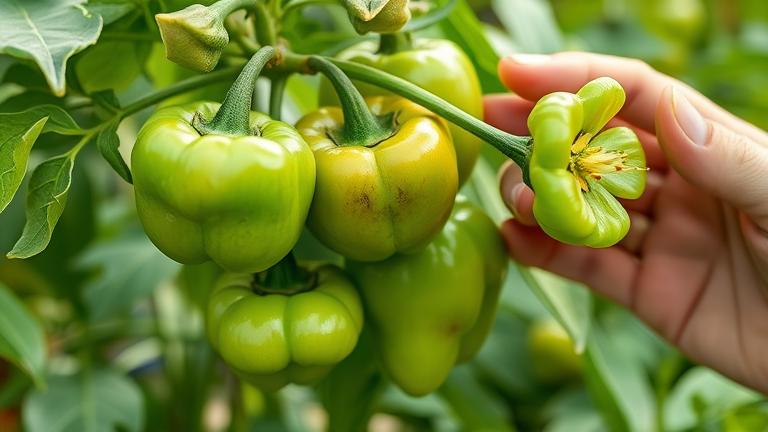
Do Pepper Plants Self-Pollinate?
Many home gardeners wonder if pepper plants can pollinate themselves or if they need help from other plants. The good news is that most pepper plants are capable of self-pollination, which means they can produce fruit from their own pollen. This trait makes growing peppers at home easier, especially if you have only a few plants or limited space.
Peppers belong to the nightshade family, just like tomatoes and eggplants. They are classified as self-pollinating or self-fertile plants. This means that each flower contains both male and female parts, allowing the plant to fertilize itself without needing pollen from another plant. When a pepper flower blooms, it has a stigma, the part that receives pollen, and stamens, the pollen-producing parts, which are situated close together. This arrangement makes self-pollination quite straightforward.
Biologically, the flower’s structure is designed for self-pollination. The pollen from the stamens can fall directly onto the stigma, especially when the flower is mature. Sometimes, natural movements like wind, insects, or even the breeze help shake the pollen loose and facilitate pollination. Because pepper plants are mainly self-fertile, they do not rely heavily on outside help to produce fruit.
In the wild or in your garden, natural pollination occurs quite frequently, particularly if your pepper plants are outdoors. Bees and other pollinators may visit flowers and accidentally transfer pollen. However, even without external pollination, most peppers will set fruit on their own. If you’re growing peppers indoors or in a greenhouse, hand-pollination can assist if you notice poor fruit set. To do this, gently shake the flowers or use a small brush or cotton swab to transfer pollen from the stamen to the stigma.
Some tips to encourage good pollination include planting your peppers in a sunny spot, as warmth encourages flower development, and avoiding excessive watering, which can cause flowers to drop. If you want to improve fruit production, gently tapping the plant or flowers every few days can help mimic natural movement and shake loose any pollen that needs to transfer.
It’s also almost impossible to get peppers to cross-pollinate between different varieties, so your hot pepper plants won’t accidentally produce sweet peppers or vice versa. This is advantageous because it preserves the qualities of each variety. However, if you are growing multiple varieties close together and want to keep the seeds true to type, marking your plants or separating different types is a good practice.
- Most pepper plants are self-pollinating, making them easy to grow with minimal fuss.
- The flowers contain both male and female parts, allowing self-fertilization.
- Natural pollination often occurs outdoors, but hand-pollination can improve fruit set indoors.
- Good sunlight, proper watering, and gentle shaking can boost pollination success.
- Cross-pollination between varieties is unlikely, helping maintain plant qualities.
Understanding how pepper plants pollinate can help you optimize their fruit production. With a little attention and care, your peppers will pollinate naturally or with just a gentle nudge, leading to a bountiful harvest of delicious peppers.
Tips to Pollinate Pepper Plants
Pollinating pepper plants is an important step to ensure they produce a good harvest of healthy, tasty peppers. Whether you’re growing peppers outdoors or inside a greenhouse, understanding how to assist pollination can significantly impact your garden’s success.
Many pepper plants are self-pollinating, meaning they can produce fruit from their own flowers. However, sometimes they need a little help to increase fruit set and yield. Here are some practical tips to help you effectively pollinate your pepper plants, whether naturally or manually.
Recognizing Flower Timing and Pollination Needs
Peppers typically bloom in clusters, and each flower contains both male and female parts for self-pollination. Flowers usually open early in the day, providing a good window to assist with pollination if needed. If you notice fewer flowers or less fruit, it might be time to lend a helping hand.
Supporting Natural Pollination
- Encourage Pollinators: Bees and other insects help transfer pollen naturally. Avoid using pesticides that can harm these beneficial insects. Planting flowers nearby, such as marigolds or basil, can attract pollinators to your garden.
- Provide Wind Help: Gently shaking the plant or using a fan indoors can help distribute pollen among flowers. This is especially useful in greenhouse settings where natural insect activity may be limited.
- Time Your Watering: Watering in the morning encourages healthy flowering and creates an optimal environment for pollination. Just ensure not to overwater, as soggy soil can harm the plants.
Manual Pollination Techniques
If natural pollination isn’t happening enough, or if you want to maximize fruit production, manual pollination is simple and effective.
- Gather Tools: Use a small paintbrush, cotton swab, or even a clean toothbrush. These tools help transfer pollen without damaging the flowers.
- Identify Flowers: Look for newly opened flowers, which are more receptive to pollen transfer.
- Transfer Pollen: Gently brush the inside of the flower’s pollen-covered stamens (the male part) and then touch the brush to the stigma (the female part). Repeat this process for each flower you want to pollinate.
- Repeat as Needed: Repeat the process each morning during the peak flowering period for best results.
Additional Tips for Better Pollination
- Keep Plants Healthy: Healthy plants with good nutrition are more likely to produce abundant flowers and fruit. Use a balanced fertilizer and avoid stress from drought or extreme temperatures.
- Maintain Proper Humidity: Very high or low humidity can affect pollen transfer. Aim for moderate humidity levels, especially indoors or in greenhouses.
- Monitor Flower Drop: If flowers fall off before they fruit, it may be due to poor pollination or environmental stress. Address issues promptly to improve overall yield.
By understanding and supporting natural pollination or using simple manual techniques, you can significantly boost your pepper harvest. With a bit of patience and care, your pepper plants will reward you with plenty of flavorful fruits to enjoy in the kitchen.
Common Pepper Pollination Issues
Pollination is a key step from flower to ripe pepper. If your pepper plants aren’t setting fruit as expected, several common issues might be at play. Understanding these problems can help you troubleshoot and improve your harvest. Factors such as environmental conditions and pests can interfere with the natural pollination process.
One of the main environmental issues is temperature. Pepper plants prefer warm, stable temperatures between 70°F and 85°F (21°C to 29°C). When it’s too hot or too cold, pollination can be compromised. For example, during hot spells over 90°F (32°C), the pollen may become desiccated or sterile, preventing fertilization. Conversely, cold temperatures below 60°F (15°C) can slow down or halt flower development and pollination.
Humidity levels also influence pollination. Very high humidity can lead to fungal issues and reduce pollen quality, while very low humidity can cause pollen to dry out quickly, making it less viable. Proper ventilation and watering help maintain balanced humidity around your plants.
Pests are another obstacle. Insects like bees, bumblebees, and other pollinators are vital for good fruit set. If bees are scarce or if pesticide use is excessive during flowering, pollination may be insufficient. You might notice fewer fruits developing or flowers dropping without setting. Pests such as aphids or thrips can also damage flowers, reducing their ability to produce fruit.
Wind can be beneficial in some gardens, helping disperse pollen. However, strong or gusty wind can shake fragile flowers off or dry out pollen and flowers quickly, hindering pollination. Providing wind protection or planting in a sheltered area can enhance pollination success.
Flower timing also matters. Pepper flowers are mostly self-pollinating, but they still require some vibration or movement for pollen to reach the stigma. Very hot, dry, or still conditions often result in insufficient pollination. Using a gentle brush or tapping flowers can help in hand-pollination, especially in greenhouses or protected environments.
- Tip: Avoid spraying pesticides during flowering to protect pollinators.
- Tip: Water plants early in the day to prevent stress and keep flowers healthy.
- Tip: Consider hand-pollinating if natural pollinators are scarce, especially in controlled environments.
Often, flowers drop off if conditions aren’t optimal. Improving the environment, promoting pollinator activity, and gentle hand-pollination can help increase fruit production. Monitoring temperature, humidity, and pests is essential to giving your peppers the best chance of a healthy, flavorful harvest.
Benefits of Hand-Pollinating Peppers
Hand-pollinating peppers can significantly improve your productivity, especially if you grow them in confined spaces such as greenhouses or small gardens. When natural pollinators like bees or wind are limited, manual pollination steps in to ensure your plants produce healthy, tasty peppers.
One major advantage of hand-pollinating peppers is that it helps increase fruit set. Sometimes, peppers struggle to get pollinated naturally, particularly during cooler or less windy days. Manually transferring pollen from the flower’s male part, the stamen, to the female part, the pistil, ensures reliable pollination. This leads to more peppers from each plant, boosting your overall harvest.
Another benefit is that hand-pollination allows you to control the timing and conditions. You can do it during the best part of the day when flowers are most receptive, usually in the morning. It also reduces dependence on outdoor weather or pollinator activity, which can sometimes be unreliable.
In environments like greenhouses, airflow might be limited, and natural pollinator activity may be low. Manual pollination compensates for this lack and reduces the chance of poor fruit development caused by insufficient pollen transfer. It’s especially useful when your peppers are flowering heavily but small or no fruits are forming.
This technique can also improve fruit quality by ensuring even size and shape. Proper pollination reduces deformities or irregular growth caused by incomplete fertilization.
- It’s a simple process that requires only basic tools just a small brush or even a clean finger.
- Perform it during the warm part of the day when flowers are open and pollen is viable.
- If natural pollinator activity is low, consider doing this daily during peak flowering times.
With patience and practice, hand-pollination can boost your harvest, promote healthier plants, and extend your growing season, especially in controlled environments. It’s a practical, rewarding method to take charge of your pepper production and enjoy more flavorful, home-grown peppers.
How to Know if Your Pepper Is Pollinated
Growing peppers at home is rewarding, but a key step is recognizing when your pepper flowers have been successfully pollinated. Pollination allows the plant to develop healthy fruit, so noticing the signs helps you stay on track with your crop.
Generally, peppers depend on their flowers for fruit development. When pollination occurs, pollen transfers from the male part, the stamen, to the female part, the pistil. This process results in fruit formation. So how can you tell if pollination has taken place? Let’s examine some clear signs and indicators.
Visual Changes in Flowers
An easy sign of successful pollination is a change in the flower itself. Right after a flower opens, it is usually vibrant and colorful. If pollination occurs, within a few days you might notice the flower beginning to wilt or turn brown slightly. This indicates that fertilization has likely happened.
Sometimes, a pollinated flower darkens at the base, where the fruit will develop. You may also see the petals falling off earlier than normal, leaving a small fruit behind. A healthy, pollinated flower tends to fade and drop gracefully, leaving the tiny pepper to continue growing.
Monitoring Fruit Development
The most reliable sign that pollination was successful is the development of the pepper itself. About one to two weeks after flowering, a small, green bump should form where the blossom once was. If this tiny fruit begins to swell and grow, it indicates that pollination was successful.
Observe the fruit’s color and size over time. A developing pepper will grow larger and often change to its mature color, such as red, yellow, or orange depending on the variety. If the fruit remains small or shrivels, pollination may have failed or the fruit isn’t developing properly.
Physical Signs of Successful Pollination
Another practical method is to gently examine the base of the flower. A small, firm fruit indicates successful pollination. Unpollinated flowers often drop off without developing into fruit. Persistent small fruits are a good sign of successful pollination.
Occasionally, a small bump may indicate partial pollination. If some flowers develop into peppers and others fall away, pollination is happening unevenly, which can still produce some peppers successfully.
Tips to Enhance Pollination
- Gently shake or tap flowers to mimic natural insect activity.
- If growing indoors, hand-pollinate using a small brush or cotton swab to transfer pollen.
- Ensure your plants are in a warm, sunny location to promote healthy flower and fruit development.
By observing these signs and caring for your plants, you can confidently track pollination success and enjoy a healthy harvest. Patience is key sometimes fruits take time to fully develop after successful pollination.