
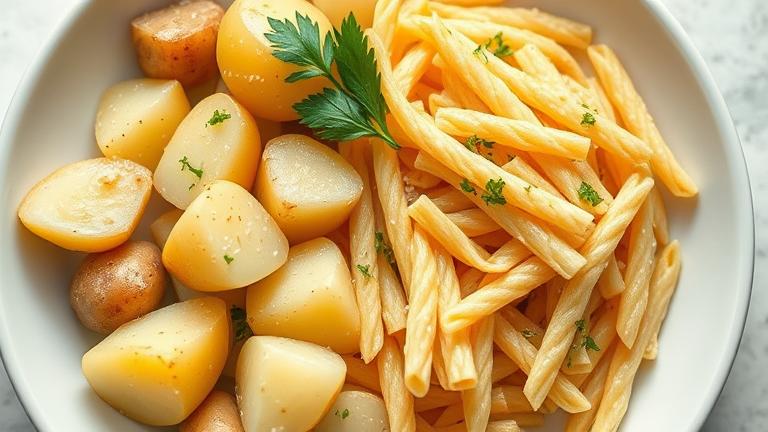
Nutritional Comparison: Potatoes vs Pasta
When choosing between potatoes and pasta, it’s helpful to understand their nutritional profiles. Both are popular carbohydrate sources but differ in key nutrients and calorie content. Knowing these differences can help you make healthier choices based on your dietary needs and preferences.
Potatoes are naturally rich in vitamins and minerals. They are a good source of vitamin C, vitamin B6, potassium, and dietary fiber. Pasta, especially if made from refined wheat, provides mainly carbohydrates with smaller amounts of protein and some B vitamins. Whole grain pasta, however, offers more fiber and nutrients similar to those in potatoes.
Nutritional Content per Typical Serving
| Nutrition | Potatoes (1 medium, about 150g) | Pasta (1 cup cooked, about 140g) |
|---|---|---|
| Calories | 130 | 200 |
| Carbohydrates | 30 grams | 42 grams |
| Protein | 3 grams | 7 grams |
| Dietary Fiber | 3 grams | 2 grams (refined pasta), 4 grams (whole grain) |
| Fat | 0.2 grams | 1 gram |
| Vitamins & Minerals | High in vitamin C and potassium | Provides some B vitamins and iron, especially in whole grain varieties |
While potatoes are lower in calories, they pack a punch with vitamin C and potassium, which support immune function and heart health. Pasta, on the other hand, is higher in calories and carbohydrates, making it a quick energy source. Choosing whole grain pasta can boost fiber intake, making it comparable to potatoes in terms of nutrient density.
Health Considerations
- Blood sugar impact: Potatoes tend to raise blood sugar quickly due to their high glycemic index, especially when eaten on their own. Pasta, particularly whole grain, generally causes a slower rise in blood sugar, making it a better choice for sustained energy.
- Weight management: Because potatoes are lower in calories and rich in fiber, they can be more filling. Pasta’s higher calorie content means portion control is key to avoid overeating.
- Preparation tips: How you cook them matters. Baking or boiling potatoes keeps most nutrients intact. Overcooking pasta can reduce some nutrients and increase glycemic response.
Summary
Both potatoes and pasta can fit into a healthy diet, depending on your goals. Potatoes deliver essential vitamins and minerals with fewer calories, making them a great choice for weight control and nutrition. Pasta, especially whole grain varieties, provides more fiber and a satisfying carbohydrate source for energy and endurance.
The best option is often balancing both in your meals, incorporating plenty of vegetables and lean proteins to round out the nutrition. Remember, how you prepare and serve these foods influences their health benefits, so opt for healthier cooking methods like boiling, baking, or steaming.
Health Benefits of Potatoes
Potatoes are a versatile and nutritious staple found in many kitchens around the world. They are not only tasty but also packed with essential nutrients that can support your overall health. Including potatoes in your diet can provide numerous benefits, thanks to their rich content of vitamins, minerals, and antioxidants.
Firstly, potatoes are a great source of vitamin C, which helps boost your immune system and promotes healthy skin. Just one medium potato provides about 20% of the recommended daily intake of this vitamin. They also contain several B vitamins, such as B6, which aids in brain health and energy production.
Minerals are another major benefit. Potatoes are rich in potassium, a key mineral that helps regulate blood pressure and maintain proper muscle function. They also supply magnesium, iron, and zinc, which are important for overall wellness and immune support. Including potatoes in your meals can support heart health by helping to manage blood pressure levels.
Potatoes are also a good source of dietary fiber, especially when eaten with the skin on. Fiber supports digestion and helps keep your bowel movements regular. It can also contribute to feelings of fullness, which is helpful if you are trying to manage your weight. The fiber in potatoes can also support gut health by feeding beneficial bacteria in your digestive system.
When it comes to antioxidants, potatoes contain compounds like flavonoids, carotenoids, and polyphenols. These antioxidants help protect your cells from damage caused by free radicals, which are linked to aging and many chronic diseases. The color of the potato skin can indicate higher antioxidant levels; for instance, red and purple potatoes tend to be especially rich in these beneficial compounds.
Another health-promoting property of potatoes is their low-calorie nature, especially when baked or boiled without added fats. This makes them a satisfying, filling food option for those watching their calorie intake. Plus, because they are naturally gluten-free, potatoes can be part of a balanced diet for people with gluten sensitivities or celiac disease.
- Including potatoes in your diet can support immune health with their vitamin C and antioxidants.
- The potassium and magnesium help regulate blood pressure and improve muscle function.
- Dietary fiber promotes digestion and may assist in weight management.
- Rich in essential B vitamins for energy and brain health.
- Low in calories when prepared healthily, making them a smart addition to balanced meals.
While potatoes are nutritious, it is important to prepare them in healthy ways. Baked, boiled, or roasted without excess fats or salt maximizes their benefits. Steer clear of deep-fried versions, which can add unnecessary calories and diminish some nutritional qualities.
Advantages of Eating Pasta
Pasta is a popular food around the world, loved for its versatility and satisfying taste. Including pasta in your diet can offer many benefits, especially for those looking for quick, delicious, and nourishing meals. One of the main advantages of pasta is its ability to provide a good source of energy. Because it is rich in carbohydrates, pasta helps fuel your body and keeps you feeling full longer. This makes it a great choice for active individuals or anyone needing a nutritious, energizing meal.
Another benefit of pasta is its versatility. You can prepare it in countless ways, from simple marinara to elaborate baked dishes. Whether you enjoy it with vegetables, lean meats, cheeses, or seafood, pasta adapts well to various flavors and ingredients. This flexibility makes it easy to create meals that suit your taste and nutritional needs. Plus, with so many pasta shapes available, you can choose the perfect one for your dish, whether it’s spaghetti, penne, or farfalle.
Eating pasta can also be part of a balanced diet. When combined with vegetables, lean proteins, and healthy fats, pasta dishes can be nutritious and satisfying. For example, adding spinach and grilled chicken boosts the fiber and protein content, creating a well-rounded meal. It’s simple to control portion sizes, too, helping you manage your calorie intake without sacrificing flavor.
Another advantage is that pasta is easy and quick to cook. Most types take only about 8 to 12 minutes to boil until al dente, which means still firm to the bite. This makes pasta a perfect option for busy weeknights or when you’re short on time but still want a homemade meal. To save even more time, you can cook a larger batch of pasta ahead of time and store it in the fridge for up to five days. Just reheat and toss with your favorite sauce for an instant meal.
Healthy eating doesn’t have to be tedious. Whole grain pasta, for example, offers more fiber and nutrients compared to traditional white pasta. Fiber promotes digestive health and helps regulate blood sugar levels. Whole wheat pasta has a slightly nutty taste that pairs well with hearty sauces or roasted vegetables. Including a variety of pasta types in your diet can increase your intake of different nutrients and benefit your overall health.
Lastly, pasta is generally budget-friendly and widely available. You can find it in almost any grocery store and it lasts a long time when stored properly in a cool, dry place. This makes it a practical pantry staple for families and anyone looking to prepare affordable, tasty meals regularly.
- Enjoy pasta as part of a balanced diet with vegetables and lean proteins.
- Choose whole grain or alternative pasta types for added health benefits.
- Plan ahead by cooking larger batches for quick meals later in the week.
- Experiment with different shapes and sauces to keep meals exciting.
Common Questions About Potatoes and Pasta
Potatoes and pasta are staples in many kitchens around the world. They’re versatile, filling, and easy to prepare. But you might have some questions about their health benefits, how to cook them properly, or common misconceptions. Here’s a friendly guide to help you get the most out of these popular foods.
Are potatoes healthy to eat?
Potatoes are a good source of vitamins, minerals, and fiber. They provide vitamin C, potassium, and some B vitamins, which are important for overall health. However, how you prepare them can make a big difference. For example, boiling potatoes keeps them nutritious and low in calories. Frying or adding lots of butter and sour cream can increase fat and calorie content significantly.
One common misconception is that potatoes cause weight gain or are unhealthy. In reality, potatoes are quite nutritious and can be part of a balanced diet. The key is moderation and healthy cooking methods.
Is eating pasta good for you?
Pasta is mainly made from grains, providing carbohydrates that give your body energy. Whole-grain pasta offers extra fiber, which aids digestion and helps you feel full longer. Like potatoes, the health impact depends on what you add to it. Pasta with fresh vegetables, lean proteins, and light sauces is a nutritious choice.
Some people worry about gluten or carb content. If you have gluten sensitivity or are watching your carbs, there are gluten-free and lower-carb alternatives. Remember, pasta in moderation is generally fine as part of a healthy diet.
What are the best ways to prepare potatoes and pasta?
- Potatoes: Boil, bake, roast, or steam. These methods keep you healthier than frying, which adds extra fat. For boiled potatoes, use enough water to cover them and cook until tender, about 15-20 minutes depending on size.
- Pasta: Use plenty of water with a pinch of salt. Bring it to a boil, then add pasta and stir. Cook according to package instructions until al dente, meaning firm to the bite. Drain and toss with your favorite toppings or sauces.
Tip: For extra flavor, save a cup of pasta water after boiling. It can be added to sauces to improve texture and taste.
Are there any common misconceptions about potatoes and pasta?
- Potatoes cause weight gain: Only if prepared with lots of butter, cream, or fried. Plain boiled or baked potatoes are low in calories.
- Pasta is unhealthy: Not true if eaten in moderation and paired with healthy ingredients. Whole-grain pasta can add extra fiber.
- Carbohydrates should be avoided: Carbohydrates are your body’s main energy source. The key is choosing healthy types and portion sizes.
Don’t forget, balance and variety are important. Enjoy potatoes and pasta as part of a colorful plate full of vegetables, lean proteins, and healthy fats for optimal health.
Tips for Healthy Cooking with Potatoes and Pasta
Potatoes and pasta are versatile, satisfying foods that can be part of a healthy diet when prepared thoughtfully. By paying attention to cooking methods and ingredients, you can boost their nutritional value while keeping meals delicious. Here are some practical tips to help you cook potatoes and pasta in a health-friendly way.
Choose Whole and Unprocessed Options
Start with whole or minimally processed varieties. For potatoes, opt for fresh, unwashed, or lightly washed potatoes instead of packaged potato products. When selecting pasta, choose whole wheat or other whole grain options instead of refined white pasta. Whole grains contain more fiber, vitamins, and minerals, which support digestion and overall health.
Control Portion Sizes
Both potatoes and pasta are carbohydrate-dense foods. Keep portions moderate to manage calorie intake. A typical serving size for cooked pasta is about one cup, and a medium potato usually weighs around 150 grams. Using smaller portions can help prevent overeating and keep your meals balanced.
Use Healthy Cooking Methods
Steaming, baking, boiling, and roasting are healthier techniques compared to frying. For potatoes, baking or roasting with a small amount of olive oil can add flavor without excess fat. When cooking pasta, boil in plenty of water until al dente tender but still slightly firm which helps retain nutrients.
Limit Added Fats and Salt
Many traditional recipes call for lots of butter, cream, or salt. To keep your dishes healthy, try flavoring with herbs, spices, lemon juice, or garlic instead. If you add oil, choose heart-healthy options like olive or avocado oil, and use them sparingly.
Incorporate Plenty of Vegetables
Adding vegetables boosts fiber, vitamins, and minerals. Mix cooked potatoes or pasta with colorful veggies like spinach, bell peppers, zucchini, or cherry tomatoes. This not only enhances nutrition but also makes your meal more satisfying and vibrant.
Pay Attention to Storage and Cooling
Cooked potatoes and pasta can be stored in the refrigerator for a few days. Cool them quickly after cooking and keep them in airtight containers. When reheating, make sure they are heated thoroughly to avoid bacteria growth. Avoid leaving cooked foods out at room temperature for more than two hours.
Experiment with Healthy Sauces and Toppings
Instead of creamy sauces loaded with saturated fats, try lighter options like tomato sauce, balsamic vinegar, or Greek yogurt-based dressings. A sprinkle of fresh herbs or crushed nuts can add flavor without extra calories. These small swaps can make your meal both healthier and more enjoyable.
Be Mindful of Food Combinations
Pair potatoes and pasta with lean proteins such as grilled chicken, fish, or beans. This balance helps create a complete meal with adequate protein, fiber, and healthy fats. Avoid combining them with high-fat, processed ingredients to keep your dish nutritious.
Common Mistakes to Avoid
- Overheating or overcooking potatoes, which can lead to nutrient loss.
- Using too much salt or fatty sauces, which increase calorie content.
- Relying solely on refined pasta instead of whole grain options.
- Skipping vegetables, missing out on added fiber and nutrients.
By following these simple tips, you can make your potatoes and pasta meals healthier without sacrificing flavor. Small changes in cooking methods, portion control, and ingredient choices make a big difference in your overall nutrition and well-being.