
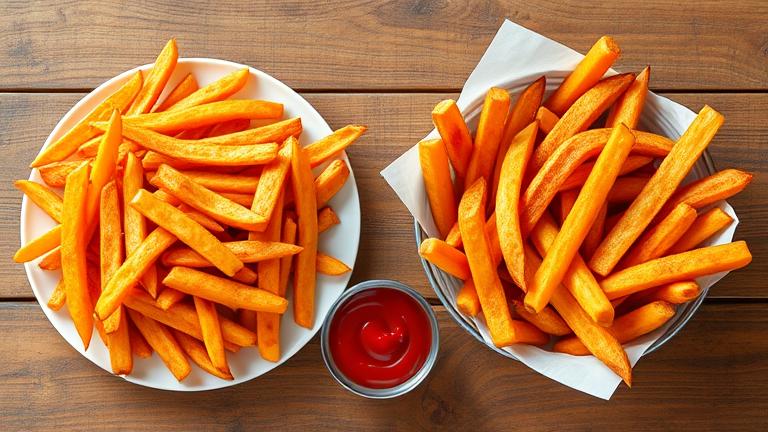
Introduction: Are Sweet Potato Fries Better?
Sweet potato fries have become a popular alternative to regular french fries, loved for their natural sweetness and vibrant color. Many people enjoy them as a healthier snack or side dish at restaurants and home kitchens alike. But are they really better? That depends on what you’re looking for in a fry.
Compared to traditional potato fries, sweet potato fries often come with some health benefits, like more fiber and vitamins, especially vitamin A. They also tend to have a different flavor profile that can add variety to your meals. However, some might find their texture or sweetness less appealing depending on personal taste.
It’s helpful to compare these two types of fries in all aspects—taste, nutrition, preparation, and versatility—so you can decide which one fits your diet and flavor preferences best. This guide will walk you through the main differences, plus tips for making the perfect sweet potato fries at home.
Whether you’re a seasoned home cook or just starting out, understanding what makes sweet potato fries a popular choice can help you enjoy them more. They may not always be “better” in every way, but they do offer a fresh twist on the classic fry. Ready to explore what sets them apart? Let’s dive in!
Benefits of Sweet Potato Fries Explained
Sweet potato fries are a popular snack and side dish that offer many benefits compared to regular fries. They are not only delicious but also packed with nutrients that can support your health. If you love crispy, flavorful fries, choosing sweet potato fries can be a smart and tasty decision.
One of the biggest advantages of sweet potato fries is their nutritional profile. Sweet potatoes are rich in vitamins, especially vitamin A. This nutrient is important for good eyesight, a strong immune system, and healthy skin. Just one serving of sweet potato fries can provide a significant portion of your daily vitamin A needs. They also contain vitamin C, which helps boost your immunity and aid in wound healing.
In addition to vitamins, sweet potatoes are a good source of fiber. Fiber is essential for healthy digestion and can help keep you feeling full longer. Choosing baked or air-fried sweet potato fries rather than deep-fried ones can maximize their health benefits by reducing added fats and calories. High fiber content also supports blood sugar regulation, making them a better option for people managing diabetes or aiming for balanced energy levels.
Another benefit of sweet potato fries is their antioxidant content. Sweet potatoes contain antioxidants such as beta-carotene and other phytochemicals. These compounds help protect your cells from damage caused by free radicals. Consuming antioxidant-rich foods may reduce the risk of chronic diseases like heart disease and certain cancers.
Flavor-wise, sweet potato fries offer a warm, slightly sweet taste that can be more appealing to those who find regular fries too salty or greasy. Their natural sweetness pairs well with herbs, spices, and dips like cinnamon, paprika, or garlic aioli. This makes them versatile for different recipes and flavor combinations, fitting well into both casual meals and more sophisticated dishes.
However, it’s important to prepare sweet potato fries healthily. Baking or air-frying is a better choice than deep-frying because it cuts down on unhealthy fats. You can also experiment with different seasonings to add flavor without extra calories. Keep an eye on portion sizes, as even healthy fries can contribute to excess calorie intake if eaten in large amounts.
- Sweet potato fries are naturally rich in vitamin A, supporting vision and immunity.
- They provide dietary fiber, aiding digestion and promoting fullness.
- Potassium and antioxidants in sweet potatoes help maintain heart health and fight cell damage.
- Their sweet flavor offers a tasty alternative to regular fries, which can be more appealing to some.
- Healthier cooking methods like baking or air frying preserve nutrients and reduce added fat.
In summary, choosing sweet potato fries can boost your nutrient intake, support your health, and add a unique flavor to your meals. Just remember to prepare them in a health-conscious way, and they can be a nutritious and delicious part of your diet.
Healthier Fry Options: What You Need to Know
When it comes to enjoying crispy, tasty fries, many people are looking for healthier options. Traditional fried potato fries, while delicious, can be high in unhealthy fats and calories. Fortunately, sweet potato fries offer a nutritious alternative that can satisfy your craving without compromising your health.
Sweet potatoes are rich in vitamins, minerals, and fiber. They contain high levels of beta-carotene, which your body converts into vitamin A. Adding more vegetables like sweet potatoes into your diet can boost your immune system and improve your eye health. Plus, the naturally sweet flavor makes them a delightful twist on classic fries.
One of the biggest benefits of choosing sweet potato fries is the way you prepare them. Deep frying in lots of oil can turn any healthy food into a calorie-dense dish. Instead, consider baking or air frying your fries. These methods use less oil, reducing the fat content while still giving you that crispy texture you love.
Here are some health considerations and tips for making your sweet potato fries as nutritious as possible:
- Use healthy oils: When oven or air frying, opt for oils like olive oil, avocado oil, or coconut oil. These contain healthier fats that support your heart health.
- Proper portion size: While sweet potato fries are healthier, they still contain calories. Enjoy them in moderation, especially if you’re watching your weight.
- Cooking temperature and time: Bake or air fry at about 400°F (200°C) for 15-20 minutes. Turn halfway through to ensure even crispiness. Avoid overcooking to prevent the formation of harmful compounds.
It’s also worth noting that how you cut and season your fries affects their healthiness. Thin cuts tend to crisp up better and cook faster, which can reduce cooking time. Using herbs and spices like paprika, garlic powder, or black pepper can add flavor without extra salt or calories. Just be cautious with pre-made seasonings that may contain added preservatives or sodium.
Some common mistakes to avoid include soaking sweet potato fries in water before cooking, which can remove nutrients and make them less crispy. Additionally, avoid using excessive oil or salt, as these can negate some health benefits. Instead, focus on natural flavors and healthy cooking techniques.
If you’re looking for a nutritious snack or side dish, sweet potato fries cooked this way are a smart choice. They give you all the satisfaction of fries but with added nutritional benefits. Whether oven-baked or made in an air fryer, these options can become a regular part of your healthy eating routine.
Flavor Differences: Sweet vs. Savory
When comparing sweet potato fries to regular french fries, the most noticeable difference is in their flavor profiles. Both are popular side dishes, but they offer distinctly different tastes that can change the way you enjoy your meal. Understanding these differences can help you choose the right option for your dish and even experiment with new flavor pairings.
Sweet potato fries have a naturally sweet flavor that comes from the high sugar content in sweet potatoes. This sweetness is mellow but pronounced, especially when the fries are baked or fried until crispy. The natural sugars caramelize during cooking, giving a rich, slightly caramel-like taste. In contrast, regular french fries, made from starchy potatoes like Russets, have a more neutral, earthy taste. They tend to be savory with a mild potato flavor that pairs easily with salty, spicy, or tangy seasonings.
Flavor Profiles and Texture
Sweet potato fries usually have a softer interior with a slightly chewy or crisp exterior, depending on how they are cooked. Their natural sweetness makes them a versatile base for adding contrasting flavors. For example, they work well with maple syrup, cinnamon, or a touch of honey. Regular fries, on the other hand, are crispy all around, especially when double-fried or baked at high heat. Their savory nature makes them a perfect partner for classic toppings like sea salt, garlic powder, or spicy ketchup.
Pairing Suggestions
- Sweet Potato Fries:
- Pair with sweet or spicy dips like honey mustard, chipotle mayo, or cinnamon yogurt sauce.
- Complement with tangy toppings such as crumbled feta, lime juice, or a sprinkle of chili flakes.
- Enjoy them as a side to roasted chicken, grilled fish, or salads with fruity or sweet elements.
- Regular French Fries:
- Best with classic condiments like ketchup, mayonnaise, or malt vinegar.
- Try them with cheese sauce or topped with herbs and spices for more flavor.
- They go well with burgers, sandwiches, or as a snack with spicy spicy dips.
Common Mistakes and Tips
- Avoid over-seasoning sweet potato fries, as their sweetness is delicate and can be overwhelmed.
- For crispy regular fries, soak the cut potatoes in cold water before frying to remove excess starch.
- Experiment with blending sweet and savory flavors to create unique pairings, like sweet chili sauce on regular fries or garlic butter on sweet potato fries.
How to Cook Perfect Fries Every Time
Making crispy, delicious fries at home is easier than you might think. Whether you prefer the classic taste of regular potatoes or the sweet flavor of sweet potatoes, the key is following a few simple tips and techniques. With the right approach, you can enjoy fries that are perfectly crispy on the outside and tender inside every time.
Choosing the Right Potatoes
Start with the right type of potatoes. For traditional fries, russet potatoes are ideal because of their high starch content. They create that crispy exterior while remaining fluffy inside. For a healthier and sweet alternative, sweet potatoes work well too. Just keep in mind that sweet potatoes tend to cook faster and may need slightly less cooking time.
Preparation Tips
- Wash and peel: Rinse your potatoes thoroughly. Peel them if you prefer skinless fries, but leaving the skin on adds extra texture and nutrients.
- Cut even-sized pieces: Slice the potatoes into uniform sticks. This helps them cook evenly. Aim for about ¼ to ½ inch thickness.
- Soak the fries: Soaking cut fries in cold water for at least 30 minutes removes excess starch, which helps them get crispier. For super crispy results, soak for up to an hour.
- Dry thoroughly: After soaking, pat the fries dry with a clean towel. Removing moisture is essential for achieving a crispy fry.
Cooking Techniques
There are two main methods for cooking fries: frying and baking. Each has its benefits.
Deep Frying
- Heat oil: Use a deep fryer or a large pot filled with vegetable oil. Heat the oil to about 350-375°F (175-190°C). Use a thermometer for accuracy.
- Fry in batches: Carefully lower a batch of fries into hot oil. Do not overcrowd, as this drops the temperature and results in soggy fries.
- Cook twice for crispiness: For the crispiest fries, fry the potatoes twice. First for 3-4 minutes until soft, then remove and drain. Increase the oil temperature slightly and fry again for another 2-3 minutes until golden brown.
- Drain and season: Remove fries with a slotted spoon and place on paper towels. Season immediately with salt and any other spices.
Baking Method
If you prefer a healthier option, baking is a great choice. Preheat your oven to 425°F (220°C). Toss dried fries with a tablespoon of oil and your favorite seasonings. Spread them out on a baking sheet lined with parchment paper, ensuring they aren’t crowded. Bake for about 25-30 minutes, flipping halfway through, until golden and crispy.
Additional Tips for Perfect Fries
- Use the right oil: Choose oils with high smoke points like vegetable, canola, or peanut oil for frying.
- Don’t skip the seasoning: Salt immediately after frying or baking, while fries are still hot to enhance flavor.
- Avoid sogginess: Keep cooked fries in a warm oven for a few minutes if you need to hold them before serving, but don’t leave them too long or they can become limp.
Common Mistakes to Avoid
- Overcrowding the pan or fryer — causes uneven cooking and soggy fries.
- Not soaking or drying potatoes — moisture prevents crispiness.
- Cooking at too low a temperature — fries can absorb too much oil and become greasy.
With these tips, you’ll be able to cook fries that are crispy, flavorful, and just right every time. Remember, practice makes perfect, so don’t be discouraged if they’re not perfect on your first try. Enjoy your homemade fries with your favorite dips and toppings!
Nutritional Comparison: Which Is Healthier?
When choosing between sweet potato fries and regular french fries, many people wonder which option is healthier. Both are popular sides, but their nutritional contents differ quite a bit. Understanding these differences can help you make better choices for your diet and overall health.
Sweet potato fries are often praised for their higher vitamin content, especially vitamin A, and their slightly lower glycemic index. Regular french fries, made from white potatoes, are a common comfort food but tend to be higher in calories, carbs, and sometimes less nutrient-dense depending on how they are prepared. Let’s take a closer look at their nutritional comparison.
Nutritional Content of Sweet Potato Fries vs. Regular French Fries
| Nutrient | Sweet Potato Fries (per 100g) | Regular French Fries (per 100g) |
|---|---|---|
| Calories | 150-160 | 312-365 |
| Carbohydrates | 27g | 35-40g |
| Protein | 1.6g | 3g |
| Fat | 7g | 17g |
| Fiber | 3g | 3g |
| Vitamins and Minerals | High in vitamin A, vitamin C, potassium | Rich in potassium, some vitamin C |
As the table shows, sweet potato fries generally have fewer calories and less fat than regular fries. They also pack a bigger punch of vitamin A, which is essential for eye health and immune support. Regular fries tend to have more protein, mainly from the potato itself, and are higher in calories because they often absorb more oil during frying.
It’s important to note that the nutritional benefits of both types of fries depend heavily on how they are cooked. Baked or air-fried versions of either can significantly reduce fat and calorie content. Using healthier oils and controlling portion sizes also makes a big difference.
Why Sweet Potatoes Are Slightly Better Nutritionally
- They contain more antioxidants, especially beta-carotene, which gives them their vibrant orange color.
- Higher vitamin A content supports eye and skin health.
- Lower glycemic index, meaning they cause a slower rise in blood sugar after eating.
However, both fries become less healthy if they are deep-fried in large amounts of oil or served with high-calorie dips. Moderation and cooking method are key.
In summary, sweet potato fries tend to be a healthier choice overall, thanks to their nutrient profile and lower calorie count. But the healthiest way to enjoy either is by baking or air frying, keeping oil and salt to a minimum. Always consider these factors when trying to make a tasty yet nutritious snack or side dish.
Top Dips and Seasonings for Your Fries
When it comes to enjoying fries, the right dips and seasonings can turn a simple snack into something special. Whether you’re munching on classic regular fries or trying out sweet potato fries, having a few tasty options on hand makes all the difference. Here are some popular dips and seasonings that will elevate your fry game and suit every taste bud.
Favorite Dips for Fries
Draping fries in ketchup is a timeless choice, but there are many other delicious dips to try. From creamy to tangy, the right dip can complement your fries perfectly.
- Ranch Dressing: Creamy and flavorful, ranch is great for adding a herby taste. It pairs especially well with sweet potato fries.
- Aioli: A garlic-infused mayonnaise that adds richness. You can find varieties like lemon or spicy aioli for extra flavor.
- Cheese Sauce: Warm, melted cheese makes fries indulgent and gooey. Perfect for a comforting treat.
- Sriracha Mayo: Spicy and smooth, this dip balances heat with creaminess. It’s great if you like a little kick.
- Honey Mustard: Sweet and tangy, honey mustard is excellent with crispy fries, adding a burst of flavor.
- Barbecue Sauce: Smoky and sweet, barbecue sauce works well especially if you enjoy a savory twist.
Popular Seasonings to Spruce Up Your Fries
Just as important as dips are the seasonings you sprinkle directly onto fries. These add crunch and flavor with every bite. Here are some classic and creative options:
- Sea Salt and Pepper: The simplest option that enhances the natural flavor. Use it as light or as much as you like.
- Garlic Powder: Adds a savory, aromatic touch. Perfect for both regular and sweet potato fries.
- Paprika: Mild and smoky, paprika gives a beautiful color and subtle flavor. Smoked paprika adds extra depth.
- Cajun Spice: A bold blend of spices that brings a little heat and southern flair to your fries.
- Parmesan and Herb Mix: Sprinkling Parmesan cheese along with herbs like oregano or thyme creates a rich, savory topping.
- Curry Powder: For an exotic twist, a touch of curry powder adds warmth and complexity.
Tips for the Best Fry Experience
- Try mixing your favorite seasonings with a little oil before tossing your fries to evenly coat them.
- Use dips at room temperature for the best flavor and consistency.
- Don’t be afraid to experiment — combine different dips and seasonings for unique flavor combos.
With these dips and seasonings, your fries will go from good to unforgettable. Keep a variety on hand so you can switch things up and find your perfect pairing every time. Happy snacking!