
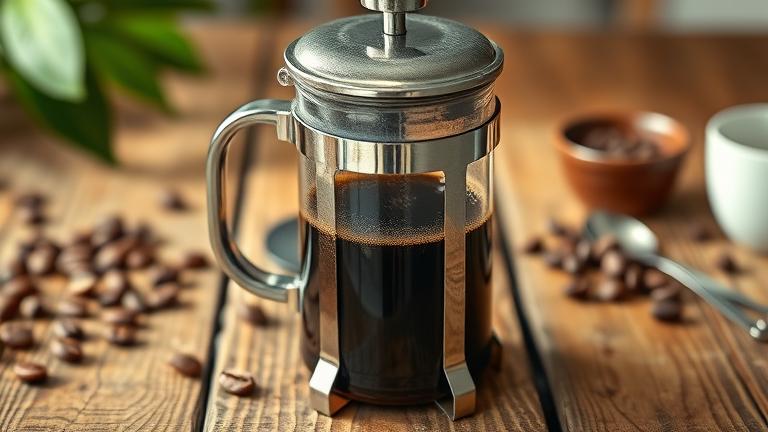
How French Press Extracts Caffeine
When you brew coffee with a French press, you’re using a simple yet effective method to extract caffeine from the coffee grounds. The process involves steeping coarsely ground coffee beans in hot water, which pulls out the caffeine along with other flavors and oils. Understanding how this works can help you make a better cup and even adjust the caffeine content if you like.
The key to caffeine extraction in a French press is the contact time between the coffee grounds and hot water. When you pour hot water over the grounds, the caffeine begins to dissolve immediately. The longer the grounds stay in the water, the more caffeine and flavors are extracted. Typically, French press brewing takes about four minutes, but this can be adjusted depending on your taste or desired caffeine strength.
The Brewing Process
- Measure the coffee: Use about one tablespoon of coarsely ground coffee per four ounces of water. Coarse grounds prevent over-extraction and clogging of the mesh filter.
- Add hot water: Pour water heated to around 200°F (about 93°C) onto the grounds. Stir gently to combine, ensuring all grounds are soaked evenly.
- Steep: Place the plunger on top but do not push down yet. Allow the coffee to steep for 4 minutes. If you prefer more caffeine, you can extend this time slightly.
- Press and serve: Gently press down the plunger to separate the grounds from the liquid. Pour the brewed coffee into your cup and enjoy.
Factors Influencing Caffeine Content
Several factors affect how much caffeine ends up in your final cup. These include the grind size, brewing time, water temperature, and the amount of coffee used. Coarser grounds typically result in less caffeine extraction per minute, but they can yield a richer flavor that’s less bitter.
Brewing time is especially important. A longer steep can extract more caffeine, but it also risks over-extracting bitter compounds. Similarly, slightly hotter water speeds up caffeine extraction, but be careful not to use boiling water, which can scald the grounds and create a harsh taste.
| Method | Approximate Caffeine per 8 oz | Notes |
|---|---|---|
| French press | 80-135 mg | Depends on brew time and coffee strength |
| Drip coffee | 95 mg | Standard method, often slightly more caffeine |
| Espresso | 63 mg | Concentrated brew, so caffeine per ounce is high |
By understanding the extraction process, you can adjust your French press technique to control caffeine levels. Want more caffeine? Extend the steep time or use more coffee. Prefer a milder cup? Shorten the steep or use fewer grounds. Experimenting can help you find the perfect balance for your taste and caffeine needs.
Caffeine Levels in French Press Coffee
If you’re a coffee lover, you might wonder how the caffeine content in French press coffee compares to other brewing methods. French press coffee is known for its rich flavor and full-bodied taste, but it also tends to have a higher caffeine level than many other preparations. Understanding these levels can help you manage your caffeine intake based on your preferences and daily needs.
In general, a standard 8-ounce (about 240 ml) cup of French press coffee contains approximately 80 to 100 milligrams of caffeine. This range can vary depending on how much coffee you use, the grind size, and brewing time. For example, if you put in more coffee grounds or extend the steeping period, the caffeine content will be higher.
Comparison to Other Brewing Methods
| Method | Average Caffeine per 8 oz |
|---|---|
| French Press | 80-100 mg |
| Drip Coffee | 95-165 mg |
| Espresso (1 shot, 1 oz) | 63 mg |
| Instant Coffee | 27-173 mg |
As seen in the table, French press coffee typically falls in the middle of the caffeine spectrum, often higher than drip brew per ounce but lower than some stronger espresso drinks when comparing tiny servings. This difference mainly comes down to brewing time and coffee-to-water ratio.
Tips to adjust caffeine levels:
- If you want more caffeine, add a little extra coffee grounds or steep longer, but don’t overdo it to avoid a bitter taste.
- To lower caffeine content, use fewer grounds or opt for a lighter roast, which may have slightly less caffeine.
- Remember, the size of your cup also impacts your caffeine intake. Larger mugs mean more caffeine even if the brew’s concentration remains the same.
Common mistakes to avoid:
- Over-extracting the coffee by brewing it too long can result in bitter flavors and slightly increased caffeine release.
- Using very fine grind sizes can make the brew overly strong and difficult to filter properly, affecting both taste and caffeine levels.
Ultimately, French press coffee offers a satisfying and potent caffeine boost, perfect for mornings when you need a little extra energy. Knowing the typical caffeine levels helps you enjoy your favorite brew responsibly, whether you need an extra perk or prefer a milder cup. Happy brewing!
Health Benefits of French Press Caffeine
Many coffee lovers enjoy their morning brew from a French press, not just for the rich flavor but also for some potential health benefits. Drinking coffee in moderation, especially from a French press, can give you more than just a caffeine boost. It may also support your overall well-being in several ways.
One of the main perks of French press caffeine is increased alertness. The caffeine in French press coffee acts as a natural stimulant, helping you stay focused and awake throughout the day. It can improve mental clarity and concentration, making it easier to tackle work tasks, enjoy conversations, or stay active. Just remember, too much caffeine can cause jitteriness or trouble sleeping, so moderation is key.
Antioxidant Properties
French press coffee is packed with antioxidants, which are compounds that help protect your cells from damage caused by free radicals. These antioxidants are believed to contribute to overall health by reducing inflammation and lowering the risk of chronic diseases like heart disease and certain cancers. Because the French press method retains coffee oils and antioxidants better than some other brewing methods, it can provide a higher level of these beneficial compounds.
To maximize antioxidants, it’s best to use fresh, high-quality coffee beans and drink your coffee without too much sugar or creamer that might dilute these benefits. Keep in mind, enjoying a cup of French press coffee as part of a balanced diet can be a simple way to boost your health.
Additional Benefits and Tips
- Improved Mood: The caffeine in French press coffee can stimulate the release of feel-good chemicals in your brain, such as dopamine, which might help improve your mood.
- Potential Metabolism Boost: Moderate caffeine intake can give your metabolism a slight boost, which supports energy expenditure and weight management.
- Reduced Risk of Some Diseases: Studies suggest that regular coffee consumption may be linked to a lower risk of diseases like Parkinson’s and type 2 diabetes, thanks to its antioxidant and anti-inflammatory properties.
However, it’s important to remember that too much caffeine can lead to side effects such as increased heart rate, anxiety, or sleep problems. To enjoy the health benefits safely, aim for about 2-3 cups of French press coffee daily. Also, pairing your coffee with a healthy breakfast can enhance its positive effects.
In the end, savoring your French press coffee isn’t just about taste it can be part of a healthy lifestyle. So, enjoy your brew, stay moderate, and appreciate all the good it can do for your body and mind.
Risks of Drinking Too Much Caffeine
Caffeine is a popular stimulant found in coffee, tea, energy drinks, and many other products. While enjoying a cup or two can boost energy and improve focus, drinking too much caffeine can have some unwanted health effects. It is important to understand the risks and aim for safe consumption levels to stay healthy and energized.
How Excessive Caffeine Can Affect Your Body
Consuming large amounts of caffeine can lead to several physical and mental issues. One common problem is feeling anxious or jittery. Too much caffeine can overstimulate your nervous system, making you feel restless, irritable, or worried. You might also notice your heart beating faster or irregularly, especially if you consume caffeine late in the day.
Another issue is trouble sleeping. High caffeine intake can interfere with your ability to fall asleep or stay asleep throughout the night. Poor sleep can lead to fatigue, decreased concentration, and a weakened immune system. It is best to limit caffeine, especially in the afternoon and evening.
Potential Health Risks of Drinking Too Much Caffeine
- Increased Heart Rate and Blood Pressure: Caffeine can cause a temporary spike in your heart rate and blood pressure. Over time, excessive intake might contribute to heart problems.
- Digestive Problems: Too much caffeine can irritate your stomach lining, leading to acid reflux, stomach pain, or upset stomach.
- Dependency and Withdrawal: Regularly consuming high amounts of caffeine may cause dependence. When you try to cut back, you might experience headaches, fatigue, or irritability.
- Bone Health Concerns: Excessive caffeine can interfere with calcium absorption, possibly weakening bones if your intake is consistently high over time.
What Are Safe Levels of Caffeine?
Most health experts agree that up to 400 milligrams of caffeine per day is generally safe for healthy adults. This is roughly equivalent to four 8-ounce cups of brewed coffee. However, individual sensitivity varies. Some people may experience symptoms of excess caffeine at lower levels, especially those with certain medical conditions or pregnant women.
If you’re pregnant, it is recommended to limit caffeine intake to about 200 milligrams per day. Always listen to your body and reduce consumption if you experience negative symptoms like anxiety, heart palpitations, or trouble sleeping.
Tips for Safe Caffeine Consumption
- Start with small amounts and see how your body reacts.
- Avoid drinking caffeine late in the day to prevent sleep problems.
- Read labels carefully, especially on energy drinks, as they can contain high levels of caffeine.
- Balance your caffeine intake with plenty of water and healthy foods.
By paying attention to how much caffeine you drink and understanding the risks, you can enjoy your favorite caffeinated beverages without harming your health. Moderation is key to staying energized and feeling your best every day.
Comparing French Press and Other Brewing Methods
When it comes to making coffee at home, choosing the right brewing method can be both fun and confusing. French press is popular for its rich flavor and full-bodied brew, but how does it compare to other techniques? Let’s explore how French press stacks up against methods like drip coffee, pour-over, and AeroPress, especially in terms of caffeine extraction and flavor profiles.
Caffeine Extraction
The amount of caffeine you get from your coffee depends on how coffee grounds interact with water. French press uses coarse grounds steeped in hot water for about four minutes. This longer brewing time allows more caffeine to be released, resulting in a stronger, more caffeinated cup compared to some other methods.
In contrast, drip coffee makers and pour-over brewers typically use medium grounds and filter the water through the coffee relatively quickly. This process extracts less caffeine overall, although it still provides a decent caffeine boost. AeroPress, which brews coffee with rapid pressure and shorter steeping times, can produce a caffeine level similar to pour-over if brewed for a longer time, but often it’s slightly less concentrated than French press.
Flavor Profiles
French press is known for its rich, full flavor. Because it uses metal mesh filters instead of paper, more of the coffee’s natural oils and tiny grounds stay in the brew. This results in a bold, robust taste with added depth and complexity. You’ll notice more body and a slightly earthy or chocolatey note, perfect if you love a strong cup.
Other brewing methods like drip or pour-over tend to produce cleaner, brighter flavors. Paper filters trap some oils and sediment, giving a smoother, lighter taste that highlights brighter, fruity, or floral notes. AeroPress can sometimes mimic the French press’s richness if brewed with a longer steep, but it also allows for a cleaner cup depending on the filter used.
| Brewing Method | Caffeine Extraction | Flavor Profile | Brewing Time |
|---|---|---|---|
| French Press | High (due to longer steeping) | Full-bodied, rich, earthy | 4 minutes |
| Drip Coffee | Moderate (quick extraction) | Clean, bright, smooth | 3-5 minutes |
| Pour-Over | Moderate to high | Bright, fruity, nuanced | 3-4 minutes |
| AeroPress | Variable (depends on brew time) | Rich or smooth, depending on method | 1-3 minutes |
Choosing the Right Method
Ultimately, your choice depends on what you prefer in your cup. If you love a bold, full-flavored coffee with a higher caffeine punch, the French press is a great choice. Want a sweeter, more delicate taste with less oil? Try drip or pour-over. The AeroPress offers a fun middle ground, allowing you to experiment with strength and flavor quickly. Remember, each method has its own charm so don’t hesitate to try them all and see which one you enjoy most!
Tips to Reduce Caffeine Intake
If you’re trying to cut back on caffeine but still want to enjoy your coffee, you’re not alone. Many people find it helpful to make gradual changes rather than quitting cold turkey. Here are some practical tips to help you reduce your caffeine consumption smoothly and comfortably.
1. Know Your Caffeine Sources
First, identify all the sources of caffeine in your daily routine. Besides coffee, consider tea, soft drinks, energy drinks, and even some medications. Once you understand where your caffeine comes from, it’s easier to plan your reduction strategy.
For example, a typical cup of coffee contains about 95 mg of caffeine, while black tea has around 47 mg. Recognizing these differences helps you set realistic goals.
2. Gradually Cut Back
Instead of stopping caffeine all at once, try reducing your intake slowly. For instance, if you usually drink three cups of coffee a day, decrease to two cups for a week.
Then, after a week or so, drop to one cup, and eventually replace your remaining cup with a decaffeinated or less caffeinated option. This gradual approach reduces withdrawal symptoms like headaches and irritability.
3. Mix Your Coffee with Decaf
To lower caffeine without losing the coffee flavor, try mixing your regular coffee with decaffeinated coffee. Start with a 50/50 blend and gradually increase the amount of decaf over time.
This method adjusts your taste buds and helps your body get used to less caffeine gradually.
4. Switch to Lower-Caffeine Alternatives
If you love the taste of coffee but want less caffeine, opt for lower-caffeine drinks like green or white tea. These contain less caffeine and can still provide a gentle energy boost.
Herbal teas are caffeine-free and can be a cozy alternative in the afternoon or evening.
5. Watch Hidden Caffeine!
Some foods and medications contain caffeine, so check labels carefully. For example, energy bars, chocolate, and certain over-the-counter medicines can contribute to your caffeine intake without you realizing it.
Reducing these helps you stay on track with your goals.
6. Stay Hydrated and Get Enough Rest
Sometimes, we reach for coffee because we’re tired or dehydrated. Drinking plenty of water throughout the day and getting enough sleep can naturally boost your energy levels without caffeine.
This reduces your need for that quick pick-me-up in the form of coffee.
7. Be Patient and Consistent
It’s normal to experience some withdrawal symptoms like headaches or fatigue when you reduce caffeine. Be patient and give your body time to adjust.
Stick with your plan, and soon enough, you’ll find a new routine that suits your needs without relying heavily on caffeine.
Summary
- Identify all sources of caffeine in your diet.
- Reduce intake gradually to avoid withdrawal symptoms.
- Mix regular coffee with decaf to ease the transition.
- Choose lower-caffeine or caffeine-free alternatives.
- Watch labels on foods and medicines for hidden caffeine.
- Stay hydrated and get plenty of rest.
- Be patient and consistent during your reduction journey.
With these practical tips, you can lower your caffeine intake while still enjoying your favorite coffee flavors. Remember, small changes can make a big difference over time.
Exploring Different Coffee Bean Types
When it comes to making French press coffee, choosing the right coffee bean can make a big difference in both flavor and caffeine content. Different types of coffee beans have unique tastes and levels of caffeine, so understanding these differences can help you craft your perfect cup.
There are two main types of coffee beans used worldwide: Arabica and Robusta. Arabica beans are the most common and valued for their smooth, sweet, and slightly acidic flavor. They often have a more complex taste profile with hints of fruit or sugar. Robusta beans, on the other hand, tend to have a stronger, more bitter flavor with earthy or woody undertones. These beans also usually contain more caffeine than Arabica beans.
Flavor Differences
Arabica beans are known for their mild and aromatic qualities. They’re great if you prefer a smooth cup with nuanced flavors. Robusta beans are often used in espresso blends to add extra body and a punch of caffeine. When making French press coffee, the bean type influences whether your brew is mellow or bold.
For example, if you enjoy a rich, full-bodied coffee with bold flavors, trying a dark roast of Robusta or a blend with Robusta might suit you well. If you favor brighter, more delicate tastes, then a light or medium roast Arabica will be more your style.
Caffeine Content
Not all beans have the same caffeine levels. Robusta beans generally contain about twice as much caffeine as Arabica beans. This means if you’re after a stronger caffeine kick, choosing Robusta or blends that include it can give you that extra energy boost.
However, keep in mind that roasting also affects caffeine levels and flavor. Darker roasts tend to have a slightly lower caffeine content than lighter roasts because the roasting process breaks down some caffeine. Still, the difference isn’t huge, so your choice should also depend on flavor preferences.
Tips for Choosing Your Coffee Beans
- Try different beans to discover what suits your taste buds best.
- Look for freshly roasted beans for the best flavor and aroma.
- Consider blending Arabica and Robusta for a balanced flavor with a caffeine boost.
- Store beans in a cool, dark place to keep their freshness longer.
Quick Comparison Table
| Bean Type | Flavor Profile | Caffeine Content | Best For |
|---|---|---|---|
| Arabica | Mild, sweet, complex | Lower | Light to medium roasts, smooth flavor |
| Robusta | Bitter, earthy, stronger | Higher | Bold flavors, extra caffeine |