
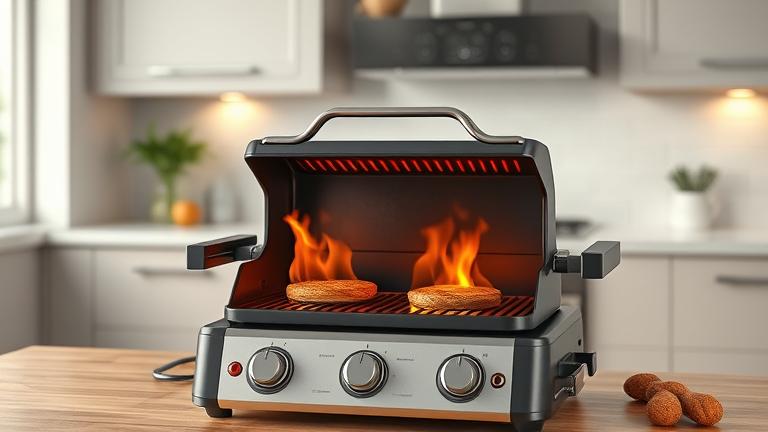
Are Electric Grills Fire Risks Real?
Many people wonder if electric grills are safe to use in their homes or outdoor spaces. Since they use electricity instead of traditional open flames, it’s natural to question whether they can still cause fires. The good news is that electric grills are generally considered safer than gas or charcoal grills, but like any electrical appliance, they do have some risks.
Understanding whether electric grills pose a real fire danger involves looking at common concerns. These include overheating, faulty wiring, and improper use. It’s important to remember that safety depends a lot on how you handle and maintain your grill. When used correctly, electric grills are a convenient and safe way to cook indoors and outdoors.
What Are the Main Fire Risks with Electric Grills?
- Overheating: Like any cooking device, electric grills can become hot. If left unattended or set at a very high temperature for a long time, they may overheat. This can potentially damage the grill or, in rare cases, cause a fire.
- Faulty wiring or electrical issues: Poor quality cords, damaged plugs, or exposed wiring can lead to electrical sparks or shorts. These problems might start a fire if not fixed promptly.
- Improper setup: Using the grill in a cluttered area or on flammable surfaces like paper or fabric can raise fire risks. For example, placing the grill near curtains or dry leaves can be dangerous.
Are Modern Electric Grills Safeguarded Against Fires?
Many electric grills come with built-in safety features designed to prevent fires. These include thermal cut-off switches that shut the grill off if it overheats. Some models also have auto shut-down timers, which turn off the grill after a certain period.
High-quality electric grills often meet safety standards set by organizations like UL (Underwriters Laboratories). These certifications indicate the appliance has been tested for electrical safety. Investing in a reputable brand can significantly reduce fire risks.
Best Safety Practices to Minimize Fire Hazards
- Always read the user manual before operating your grill. Follow the instructions carefully.
- Place the grill on a stable, non-flammable surface away from walls, trees, or anything that can catch fire.
- Keep the area around the grill clear of clutter, paper, or fabric materials.
- Check the power cord regularly for signs of damage. Replace it if you notice fraying or exposed wires.
- Never leave an electric grill unattended while it’s on or still hot.
- Unplug the grill after use, especially if you plan to leave it for a while.
What Should You Do in Case of a Fire?
If a fire does start, your first step is to turn off the grill and unplug it if possible. Do not try to extinguish an electrical fire with water because that can make matters worse. Instead, use a fire extinguisher rated for electrical fires, or cover the fire with a metal lid if it’s small. Always prioritize safety and call emergency services if needed.
Overall, while electric grills do carry some fire risks, these dangers are generally manageable with proper use and maintenance. When used responsibly, electric grills are a safe, easy way to enjoy delicious grilled foods without the worries that come with open flames.
Safety Tips for Using Electric Grills
Electric grills are a great addition to any kitchen or patio because they are easy to use and clean. But like all cooking appliances, safety is very important. To enjoy your grilling experience without accidents or fires, follow these simple safety tips.
Read the Manufacturer’s Instructions
Before using your electric grill for the first time, carefully read the user manual. It contains important safety information specific to your model. Pay attention to any warnings about placement, electrical requirements, and cleaning.
This helps you understand how to operate the grill safely and avoid common mistakes. If you have questions, contact the manufacturer or check their website for additional guidance.
Ensure Proper Placement
Place your electric grill on a stable, flat surface away from flammable materials. Keep it at least a few feet from curtains, paper, and furniture. Avoid using it outdoors in rain or snow unless the model is weatherproof and suitable for outdoor use.
Make sure there’s good ventilation. An open space helps prevent heat buildup and reduces the risk of smoke or fire.
Use the Right Power Source
Plug your electric grill into a grounded outlet that matches the voltage and wattage specifications in the manual. Using an outlet with incorrect voltage can cause overheating or electrical failures.
A dedicated socket is best, meaning no extension cords or other high-power devices plugged in at the same time. Extension cords that are too thin or long can cause power loss or overheating. If you need an extension cord, make sure it is heavy-duty and rated for outdoor use if needed.
Avoid Water and Moisture
Water is a big safety concern when using an electric grill. Keep the cord, plug, and controls dry at all times. Never use the grill with wet hands or in a damp environment.
If your grill has a drip tray or removable parts, empty and clean them regularly to prevent grease buildup, which could cause smoke or fire.
Monitor While Cooking
Never leave your electric grill unattended while in use. Stay nearby to keep an eye on the food and the appliance. This way, you can quickly respond if something goes wrong, like smoke or a strange smell.
Be mindful of overheating. If the unit becomes excessively hot or the indicator light is on continuously, turn it off and unplug it. Allow it to cool before inspecting or cleaning.
Keep Your Grill Clean and Maintained
Regular cleaning reduces fire risks caused by grease and food residue. Unplug the grill before cleaning, and wait until it is completely cool. Use non-abrasive scrubbers and follow the manufacturer’s cleaning instructions.
Check the power cord and plug periodically for damage. If worn or frayed, replace them or have the unit serviced. Using damaged electrical parts can cause a short circuit or fire.
Avoid Overloading and Improper Use
Don’t overload the grill with too much food at once, as this can cause uneven cooking and excess grease buildup. Follow the recommended cooking capacity in the manual.
Never use metal utensils that could scratch or damage the heating surface, making it unsafe or harder to clean. Stick to wooden or silicone tools.
- Always supervise children and pets around the grill.
- Turn off and unplug the grill after cooking.
- Store the grill in a dry, cool place when not in use.
By following these safety tips, you can enjoy delicious grilled meals with peace of mind. Proper care and cautious operation help prevent accidents and extend the life of your electric grill.
How to Prevent Electric Grill Fires
Electric grills are a convenient and easy way to enjoy delicious grilled food at home. However, like any cooking appliance, they come with some safety risks, including the potential for fires. To keep your cooking safe and enjoyable, it’s important to follow simple precautions and practical tips when using your electric grill.
First, always place your electric grill on a stable, flat surface. This prevents accidental tipping or spills that could cause a fire. Keep the grill away from any flammable materials such as curtains, paper towels, or paper plates. Make sure there’s plenty of space around the grill for proper ventilation.
Before each use, inspect your electric grill for signs of damage. Check the power cord for frays or cuts, and ensure that the plug fits securely into the outlet. If you notice any damage, do not use the grill until it has been repaired or replaced. Damaged cords can cause sparks or short circuits, increasing fire risk.
Another important safety step is to turn off and unplug the electric grill when you are done cooking or if you need to leave it unattended, even for a few minutes. Never leave an operating grill unattended, especially when it’s still hot. Unattended grills can produce temperature spikes that might lead to a fire.
Keep a fire extinguisher nearby in case of emergencies. Make sure it’s suitable for electrical fires — a Class C extinguisher works best. Also, having a fire blanket in your kitchen can be helpful for smothering small fires quickly.
Practicing good cleaning habits can prevent grease build-up, which is a common cause of grill fires. After each use, unplug the grill and let it cool down. Wipe down the cooking surface and remove any grease or food debris. Regular cleaning reduces the chance of flare-ups caused by accumulated grease.
Be mindful of how you load your grill. Avoid overloading it with too much food, which can cause drips and spills that might ignite. Use long-handled tools and heat-resistant gloves to prevent burns and accidental contact with hot surfaces.
When it’s time to store your electric grill, make sure it’s completely cool. Store it in a dry, safe place away from flammable items. Keep the cord loosely coiled and stored where it won’t get damaged or cause a trip hazard.
- Never leave the grill unattended while it’s on.
- Place the grill on a stable, non-flammable surface.
- Check for damage before each use.
- Keep a fire extinguisher nearby.
- Clean regularly to prevent grease buildup.
By following these simple steps, you can enjoy your electric grill safely and reduce the risk of accidental fires. Remember, safety first makes grilling more fun and worry-free!
Recognizing Faulty Electric Grills
Electric grills are convenient and fun tools for cooking your favorite meals. However, like any appliance, they can develop issues over time that might pose safety risks or affect their performance. Knowing how to spot the signs of a faulty electric grill can help you prevent accidents and keep your cooking safe.
Start by regularly inspecting your electric grill for visible damage. Look for frayed or cracked electrical cords, as damaged wiring increases the risk of electrical sparks or fire. If the cord feels hot to the touch or shows signs of wear, it’s time to replace it or have it checked by a professional.
Next, pay attention to any unusual smells coming from the grill when it’s plugged in. A burning plastic or electrical smell indicates wiring issues or that components may be overheating. Do not ignore these smells, as they can lead to dangerous fires if left unaddressed.
Another common sign of trouble is inconsistent heating. If your electric grill heats unevenly, with some areas being much hotter than others, it may have failing heating elements or loose connections. This can cause food to cook improperly or even burn, which is a warning that repairs are needed.
Observe the operation of the switches and display panels. If the switches feel loose, stick, or do not respond properly, it could be a sign of internal damage or worn-out parts. Similarly, if the display shows error messages or flickers, it suggests a malfunction that requires attention.
Check the grill’s overall build for signs of damage such as cracks in the plastic parts or warped metal surfaces. These can compromise the appliance’s safety and function. Pay particular attention to the drip tray and other removable parts. If they are damaged or missing, it can lead to spills or fire hazards.
It’s also important to note if your electric grill trips the circuit breaker frequently. This might mean that the appliance is drawing too much power or has an internal electrical fault. Don’t try to fix electrical issues yourself; consult a professional to evaluate and repair the problem safely.
For your safety, never ignore these warning signs. Even if the grill still operates, damaged or malfunctioning parts can lead to fire hazards or electrical shocks. Regular inspection and maintenance help ensure your electric grill remains a safe, reliable kitchen tool. If you suspect your grill is faulty, it’s best to stop using it and contact a professional for repairs or consider replacing it if needed.
Fire Safety Precautions for Grilling
Grilling is a fun and tasty way to enjoy outdoor cooking, but safety should always come first. When using a grill, whether it’s charcoal, gas, or electric, taking some simple fire safety precautions can prevent accidents and keep everyone safe. Follow these practical tips to make your grilling experience safe and enjoyable.
Set Up Your Grill in a Safe Location
Place your grill on a flat, stable surface away from buildings, deck railings, overhanging branches, and other flammable objects. Keep it at least ten feet away from your house or any structures. Avoid areas with lots of wind, as gusts can spread sparks or flames unexpectedly.
Inspect Your Equipment Before Use
Always check your grill for damage or leaks before lighting. For gas grills, look for cracked hoses or loose connections that could cause leaks. For charcoal grills, ensure the vents open and close properly. Clean grease and fat buildup from previous uses, as these can ignite and cause flare-ups.
Have Fire Safety Equipment Ready
Keep a fire extinguisher nearby and know how to use it. A bucket of sand or a garden hose is also helpful to quickly extinguish small fires. Never leave the grill unattended while it’s lit. Also, make sure everyone in your group knows where the safety equipment is located.
Follow Safe Lighting Procedures
Use approved lighter fluids for charcoal grills only, and never add lighter fluid to hot coals. If using a gas grill, open the lid before lighting to prevent gas buildup. Follow the manufacturer’s instructions carefully. Don’t try to relight a fire that goes out or appears smoky; wait until it cools and investigate the problem safely.
Dress and Behave Safely During Grilling
- Wear short sleeves or tightly fitting clothing to prevent fabric from catching fire.
- Use long-handled tools to keep hands away from flames.
- Avoid wearing loose or dangling jewelry that could catch fire or get caught in the grill.
Manage Flare-Ups and Fires
If flare-ups happen, close the lid or turn off the gas to starve the flames. For charcoal grills, carefully move coals apart or onto a fireproof surface if flames get out of control. Never attempt to move a hot grill while it’s still hot, and always wait until it cools completely before cleaning or storing.
Properly Extinguish and Store the Grill
Once you’re finished, ensure the fire is completely out. For charcoal, close the vents and lid to smother the fire. Wait until ashes are cool before disposing of them in a non-combustible container. For gas grills, turn off gas supplies. Store the grill in a safe, dry place away from children and pets.
Common Mistakes to Avoid
- Not checking for leaks or damage before grilling.
- Leaving the grill unattended while in use.
- Using inappropriate lighter fluids or methods to start the grill.
- Overloading the grill with food or excess fuel, causing flare-ups.
- Ignoring safety gear or protective clothing while cooking.
What to Do If Your Grill Catches Fire
Having your electric grill catch fire can be frightening, but staying calm and acting quickly can prevent injuries and further damage. Knowing what to do in this situation is important for every home cook. Here are simple steps to stay safe and handle the emergency effectively.
First, turn off the power supply to the grill if you can safely do so. Most electric grills have a power button or can be unplugged. This stops the flow of electricity and reduces the fire’s intensity. Do not try to move the grill while it’s on fire, especially if you’re uncertain about the situation.
Next, if the fire is small and contained, you can try to smother it. Use a fire extinguisher rated for electrical fires, which is usually a class C extinguisher. Hold the extinguisher upright and aim at the base of the flames. Spray in short bursts until the fire is out. If a fire extinguisher is unavailable, try to cover the flames with a metal lid or baking sheet. Smothering deprives the fire of oxygen and can help put it out quickly.
Important: Never use water on an electrical or grease fire. Water conducts electricity and can cause serious shocks or spread the fire further. Also, avoid using flour or baking powder, as these can worsen the fire.
If the fire is spreading or too large to control, evacuate your area immediately. Alert everyone nearby and call the fire department. It’s better to be safe and let professionals handle a large or uncontrolled fire. Keep a safe distance and don’t attempt to fight a fire beyond your skill level.
Once the fire is extinguished, wait until the grill has cooled down completely before touching or cleaning it. Inspect for any damage or signs of electrical issues. If the cord, plug, or wiring has been affected, do not try to use the grill again until it has been repaired by a professional.
To prevent future incidents, always follow the manufacturer’s safety instructions. Keep your grill in a well-ventilated area, away from flammable objects and materials. Regularly check the cord and connections for wear or damage. Make sure to clean the drip tray and remove grease buildup, as excess grease can ignite.
Safety Tips:
- Have a fire extinguisher nearby and know how to use it.
- Never leave the grill unattended while it’s on.
- Maintain a clean grill to prevent grease fires.
- Keep a fire blanket handy in case of emergencies.
Remember, safety always comes first. Acting quickly and calmly can make a big difference if your electric grill catches fire. With these tips, you’ll be prepared to handle the situation safely and effectively.
Maintaining Your Electric Grill Safely
Keeping your electric grill in good condition is key to enjoying tasty meals and preventing accidents. Regular maintenance not only helps your grill last longer but also reduces the risk of fire or other hazards over time. With a few simple habits, you can ensure your grill stays safe and ready to use whenever you want.
First, always unplug your electric grill when cleaning or not in use. This simple step minimizes the risk of electrical shocks and prevents accidental activation. Before cleaning, let the grill cool completely. Hot surfaces can cause burns or damage cleaning tools, so patience pays off.
Once cooled, start by removing any leftover food, grease, or crumbs. Most grills feature removable parts like drip trays and grates, which are easier to clean separately. Check your user manual to know which parts are dishwasher safe or require hand washing. Use warm, soapy water and a soft brush or cloth to scrub off grease and debris. Avoid abrasive cleaners, which can scratch surfaces and compromise the grill’s safety.
Pay special attention to the drip tray. Grease buildup can be a fire hazard, so clean it regularly. Some trays are dishwasher safe, but if not, empty and wash with hot soapy water. Also, wipe down the heating element with a damp cloth, making sure it’s unplugged and cool. Never use harsh chemicals or immerse electrical parts in water, as this could damage the grill or cause electrical hazards.
Check the power cord for any signs of wear or damage. Frayed or cracked cords are dangerous and should be replaced immediately. Avoid overloading the outlet or using extension cords that aren’t rated for the grill’s power needs. When plugging in, ensure your hands are dry to prevent electrical shocks.
Inspect the grill’s exterior for any rust, cracks, or loose parts. Tighten screws if needed, following the manufacturer’s instructions. If you notice any electrical or structural damage, do not use the grill until it’s repaired or replaced. Regularly reviewing these details helps prevent safety issues before they happen.
Another helpful tip is to store your grill in a dry, sheltered space when not in use for extended periods. Moisture can cause electrical components to corrode or rust, increasing fire risk. Cover the grill with a weather-resistant cover to protect it from dust, debris, and moisture. Just ensure the grill is clean and dry before covering.
Finally, create a cleaning schedule based on how often you grill. For instance, quick weekly cleanings after each use and a more thorough cleaning once a month help keep grease and grime from building up, which can cause fires if left unchecked.
Remember, safety comes with awareness. Never ignore the signs of damage or malfunction. If your electric grill is sparking, smoking, or not heating properly, unplug it immediately and seek professional repair. A well-maintained grill not only cooks better but keeps you safe and happy at mealtime.