
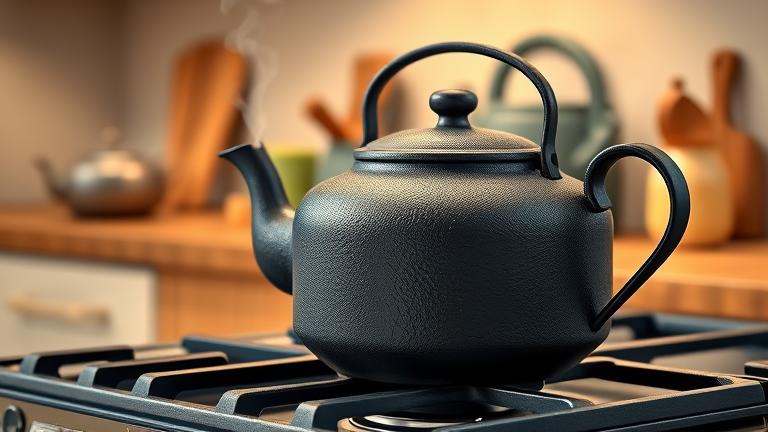
Are Cast Iron Teapots Stove Safe?
Cast iron teapots are a classic choice for brewing tea, thanks to their durability and excellent heat retention. But if you’re wondering whether it’s safe to use these sturdy pots directly on your stove, the answer is generally yes. However, there are a few important safety considerations to keep in mind.
Using a cast iron teapot on the stove can be safe when proper precautions are followed. Because cast iron is a heavy material that heats evenly, it can withstand regular stove use without issue. Still, you want to avoid some common pitfalls to keep your teapot and stove in good shape.
Potential Risks of Using Cast Iron Teapots on the Stove
- Cracking or Warping: Sudden temperature changes can cause cast iron to crack or warp. For example, pouring cold water into a hot teapot or placing a cold teapot on a hot burner can be risky.
- Overheating: Extended exposure to high heat can damage the enamel coating in some teapots or cause rust if the coating is compromised. Always monitor your stove to prevent overheating.
- Weight and Stability: Cast iron teapots are heavy, especially when filled with water. Make sure the stove grate is stable and that you handle the teapot carefully to prevent accidents.
- Condensation and Rust: If your cast iron teapot is uncoated or the coating wears off, moisture can cause rust over time. Proper drying after use helps prevent this issue.
Tips for Safe Use of Cast Iron Teapots on the Stove
- Start with low to medium heat: Gradually heat the teapot to avoid rapid temperature changes that can cause damage.
- Don’t heat when empty: Always add water or tea before placing the teapot on the stove. Heating an empty cast iron teapot can cause warping or cracking.
- Use a suitable stove grate: Ensure the teapot sits stably on the grate. Avoid using teapots on uneven or very small burners.
- Monitor the heat: Keep an eye on boiling points and turn off the stove once you’ve brewed your tea. Overheating can damage the teapot over time.
- Handle with care: Use oven mitts or pot holders when pouring hot tea or moving the teapot to prevent burns.
- Proper cleaning and drying: Hand wash with mild soap, dry thoroughly, and store in a dry place to prevent rust.
Summary
In general, cast iron teapots are stove safe when used correctly. They are designed for stovetop use, but it’s important to avoid thermal shock and overheating. By handling your teapot carefully, monitoring the temperature, and ensuring proper cleaning, you can enjoy safe, beautiful tea brewing with your cast iron teapot for years to come.
Benefits of Using Cast Iron Teapots
Using a cast iron teapot is a wonderful choice for tea lovers. These traditional teapots are known for their many advantages that can improve your tea experience. From heat retention to durability, cast iron teapots offer practical benefits that make them a favorite among home brewers.
Excellent Heat Retention
One of the biggest advantages of a cast iron teapot is its ability to keep tea hot for a long time. The thick iron material heats evenly and retains warmth better than ceramic or glass teapots. This means your tea stays warm longer, so you can sip at your leisure without the need to reheat. It’s especially handy if you enjoy multiple cups or want to serve tea over a period of time.
Durability and Longevity
Cast iron teapots are built to last. Unlike more fragile materials, they resist chipping, cracking, and breaking. With proper care, a cast iron teapot can last for decades. Their sturdy construction makes them ideal for everyday use, whether you’re brewing tea for yourself or entertaining guests. Over time, they develop a beautiful, matte patina that adds to their charm and character.
Enhancing Tea Flavor
Many tea enthusiasts appreciate how cast iron teapots can enhance the flavor of tea. The even heat distribution ensures your tea steepies consistently, bringing out rich and full flavors. Some cast iron teapots have a special enamel interior that prevents rusting and allows you to brew different types of tea securely. Additionally, their heat retention helps develop a deeper, more aromatic brew, making every cup a satisfying experience.
Versatility and Aesthetic Appeal
Cast iron teapots come in a variety of shapes and decorative designs. Whether you prefer a traditional, ornate style or a simple modern look, there’s a cast iron teapot to match your kitchen. Plus, they work well on stovetops, allowing you to heat water directly in the pot if needed. Their timeless appeal makes them not only functional but also a lovely addition to your home decor.
Tips for Maintaining Your Cast Iron Teapot
- Wash with warm water, avoiding soap which can damage the seasoning.
- Dry thoroughly to prevent rusting; wipe out excess moisture after each use.
- Store in a dry place and avoid leaving water inside for extended periods.
- Occasionally, lightly oil the interior to maintain its quality and prevent rust.
Overall, a cast iron teapot is a practical and charming tool for brewing tea. Its heat retention, durability, and ability to enhance flavors make it a smart choice for both casual drinkers and tea connoisseurs. With proper care, your cast iron teapot can bring joy and delicious tea for many years to come.
How to Prepare Your Cast Iron Teapot
Getting your cast iron teapot ready for use is an important step to ensure it lasts a long time and stays in good condition. Proper preparation helps prevent rust, enhances the teapot’s appearance, and makes brewing tea a better experience. Luckily, it’s simple to do with a few friendly tips.
Step 1: Wash Your Teapot
When you first get your cast iron teapot, give it a gentle wash with warm water and a soft sponge. Avoid using soap, as it can leave residues that might affect the flavor of your tea later. Rinse thoroughly to remove any dust or manufacturing oils. After washing, dry the teapot fully with a clean towel, making sure no moisture remains. This step helps reduce the risk of rust formation.
Step 2: Season Your Teapot
Seasoning creates a natural, protective coating on the cast iron surface, which prevents rust and makes the teapot more durable. To season, pour a little vegetable oil or other high-smoke-point oil into the teapot. Use a soft cloth or paper towel to spread the oil evenly over the interior and exterior surfaces.
Do not over-oil just a thin layer is enough. Then, place the teapot upside down in an oven preheated to 350°F (175°C). Bake it for about an hour, then switch off the oven and let the teapot cool completely before handling. This process builds up a protective layer that improves with use.
Step 3: Prepare for Stove Use
Before brewing tea, make sure your cast iron teapot is fully dry and seasoned. When ready to use, fill it with cold water and bring it to a gentle boil on the stove. Be careful not to overheat the teapot, as rapid temperature changes can cause cracking. Using a low to medium flame is best. Avoid sudden temperature shocks by enlarging the opening slightly before pouring hot water, especially if the teapot has just been seasoned or washed.
Tips for Long-Term Care
- Never leave water in your teapot overnight. Empty and dry thoroughly after each use.
- Avoid washing with soap or harsh scrubbing tools; stick to warm water and soft sponges.
- After each use, dry the teapot completely to prevent rust. You can warm it slightly on the stove to evaporate remaining moisture.
- Store your teapot in a dry, well-ventilated place. If storing long-term, a small amount of oil can be applied to the interior to protect against moisture.
| Preparation Step | Purpose |
|---|---|
| Washing | Remove dust and oils, prevent rust |
| Seasoning | Builds a protective, non-stick surface |
| Heating Gently | Prevents cracking and ensures even heat |
With these simple steps, your cast iron teapot will be well-prepared for many delicious tea sessions. Remember, caring for it properly not only extends its life but also results in better-tasting tea every time.
Proper Heating Techniques for Cast Iron
Heating cast iron teapots properly is key to ensuring they last long and perform well. When used on the stove, cast iron needs a gentle approach to avoid cracks, warping, or damaging the finish. Let’s explore simple steps to safely and effectively heat your cast iron teapot.
Start with a Cold Teapot
Always place your cast iron teapot on the stove when it is completely cold. Heating a cold teapot gradually prevents thermal shock, which can cause cracks. If you’re switching from a different heat source or a fridge, give it a few minutes at room temperature before heating.
Use Low to Moderate Heat First
Cast iron is excellent at retaining heat, so you don’t need high temperatures to warm it up. Begin with low or medium-low heat. This gentle start allows the teapot to heat evenly and reduces the risk of hot spots that could cause damage. High heat can cause uneven heating or, in extreme cases, crack the cast iron.
Control Temperature Carefully
For pouring hot water or making tea, aim for a steady, moderate temperature. If your stove has precise controls, keep it around the medium mark. Avoid boiling water too quickly, as rapid heating can strain the material. For delicate teas, a gentle warm-up is best. Remember, cast iron holds heat so well that you might not need high heat at all once it’s warmed through.
Heating Duration and Tips
- Allow about 5 to 10 minutes to fully warm a cast iron teapot on low or medium heat. The exact time depends on the stove’s strength and the amount of water inside.
- If heating dry (without water), do so for just a few minutes to avoid damaging the teapot. Never leave a dry cast iron teapot on high heat for long.
- Always monitor the teapot during heating. If you notice smoke or a burning smell, turn down the heat immediately.
Safety Tips and Common Mistakes
- Never heat a cast iron teapot rapidly, as this can cause cracking. Always warm it gradually.
- Use oven mitts when handling hot cast iron. It retains heat longer than other materials.
- Don’t put a hot cast iron teapot into cold water this can cause thermal shock. Let it cool down naturally before cleaning or rinsing.
By following these simple heating techniques, you can keep your cast iron teapot in top shape, enjoy safe brewing, and get the best flavor out of your tea. Remember, patience and gentle heat are your best friends when working with cast iron cookware.
Do’s and Don’ts of Stove Use
Using a cast iron teapot on the stove can be a great way to brew tea, keep water warm, or even heat water for cooking. However, to get the best results and ensure your teapot stays in good condition, it’s important to follow some best practices and avoid common mistakes. Here’s a friendly guide to help you use your cast iron teapot safely and effectively.
Do’s When Using Your Cast Iron Teapot
- Preheat gradually: When heating water or tea, turn the stove on low or medium heat first. Gradually increase to your desired temperature. This helps prevent thermal shock that could crack the cast iron.
- Use a stove trivet or heat diffuser: Place a trivet or diffuser under the teapot, especially if your stove has very high flames or coils. This distributes heat evenly and protects the teapot from direct flame contact.
- Pour out the water carefully: When pouring hot water or tea, lift the lid gently and pour slowly. Cast iron retains heat well, so be cautious to avoid burns.
- Keep the exterior dry: After heating, wipe the outside of the teapot if it gets damp to prevent rust. Store it in a dry place when not in use.
- Use it regularly: Cast iron performs best when used often. Regular use helps maintain a light seasoning and keeps rust away.
Don’ts to Avoid When Using Your Cast Iron Teapot
- Don’t heat an empty teapot: Always add water or tea before turning on the stove. Heating a dry cast iron can cause it to crack or warp.
- Don’t sudden temperature shifts: Avoid pouring cold water into a hot teapot or placing a hot teapot on a cold surface. This can cause thermal shock and damage the cast iron.
- Don’t use abrasive scrubbers: When cleaning, skip steel wool or harsh scrubbing pads. Instead, clean with a soft sponge and mild soap if needed. Always dry thoroughly afterward.
- Don’t rely on soap regularly: While small amounts are okay, frequent soap use can strip the seasoning of your cast iron. Use hot water and a brush for cleaning when possible.
- Don’t store with the lid on tightly: Leave the lid slightly open or off when storing to prevent moisture buildup that could cause rust.
Additional Tips for Best Results
| Tip | Reason |
|---|---|
| Use a soft cloth for cleaning | Prevents scratching and maintains the protective coating. |
| Dry completely after washing | Reduces risk of rust formation. |
| Season your teapot regularly | Builds a natural non-stick surface and protects against rust. |
By following these simple do’s and don’ts, you can enjoy your cast iron teapot for many years. Treat it with care, handle it gently, and always remember to keep safety in mind. Happy brewing!
Maintenance and Care Tips
Taking care of your cast iron teapot is key to making sure it lasts for many years and works at its best. Proper maintenance not only protects the teapot but also keeps your tea tasting fresh and smooth. Luckily, caring for a cast iron teapot is simple with some friendly, practical tips you can follow regularly.
Cleaning Your Cast Iron Teapot
After each use, rinse your teapot with warm water. Avoid using soap or harsh cleaners, as they can damage the seasoned surface or leave residues that affect flavor. Instead, use a soft brush or sponge if needed. For stubborn stains, gently scrub with coarse salt and rinse well. Always dry your teapot thoroughly with a soft cloth or towel to prevent rust from forming. Never leave water sitting inside the teapot for long periods, as moisture encourages rust.
Seasoning and Preventing Rust
Cast iron teapots develop a natural, protective layer over time called seasoning. This layer helps prevent rust and gives the teapot a beautiful, dark patina. If your teapot starts to look dull or rusty, you can lightly reseason it. To do this, wipe the interior with a thin layer of vegetable oil and heat the teapot gently on the stove for a few minutes. Allow it to cool, then wipe off any excess oil. Regular seasoning can keep your teapot in top shape, especially if you notice signs of rust.
Storing Your Teapot
Store your cast iron teapot in a dry, well-ventilated space. Make sure it is completely dry before putting it away to avoid moisture buildup. If possible, leave the lid slightly ajar to let air circulate inside. This minor step helps reduce humidity and prevents rust. Avoid storing your teapot in damp areas like a humid kitchen corner or a basement.
Additional Tips for Longevity
- Use it regularly: Frequent use helps maintain the seasoning and prevents corrosion.
- Handle with care: While cast iron is durable, avoid dropping or banging it, which could crack the enamel lining or damage the body.
- Avoid sudden temperature changes: Do not pour cold water into a hot teapot or vice versa, as this can cause thermal shock and damage the enamel.
- Check for rust: Regularly inspect your teapot. If you see rust spots, gently scrub with a steel wool pad, then reseason as needed.
| Aspect | Care Tip |
|---|---|
| Cleaning | Rinse with warm water, avoid soap, dry thoroughly after each use |
| Rust prevention | Season periodically, keep dry, store in a ventilated area |
| Storage | Keep in a dry place, leave lid slightly open for airflow |
| Handling | Handle gently, avoid sudden temperature changes |
With these simple maintenance and care tips, your cast iron teapot will stay beautiful and functional for years to come. It’s a small effort that makes a big difference in enjoying your favorite teas with every brew!
Troubleshooting Common Issues
Rust on Your Cast Iron Teapot
Rust is a common concern with cast iron teapots, especially if they are not dried properly after use. Rust appears as reddish-brown spots on the surface and can affect the taste of your tea and the pot’s longevity.
To fix minor rust, gently scrub the affected areas with a soft brush or a cloth dipped in a mixture of equal parts baking soda and water. This helps remove rust without damaging the cast iron. After cleaning, rinse thoroughly and dry completely with a towel. To prevent future rust, always dry your teapot thoroughly after each use and consider applying a thin layer of vegetable oil to the interior and exterior before storing.
Cracking or Chipping of the Cast Iron
Cracks or chips in your cast iron teapot can happen if it is exposed to sudden temperature changes or if it is dropped. Quick shifts from hot to cold temperatures cause the metal to expand or contract rapidly, leading to cracks.
If you notice a crack, stop using the teapot immediately to avoid further damage. Unfortunately, cracks cannot be repaired easily. To prevent cracking, always preheat your teapot gradually. Avoid pouring cold water into a hot teapot, and never put a hot cast iron teapot into cold water. Handle your teapot with care, especially when cleaning or moving it around.
Surface Sticking or Difficult Pouring
Sometimes, your cast iron teapot might develop a surface that causes tea to stick or makes pouring difficult. This can happen if the seasoning layer built-up oil that protects the cast iron wears down over time.
To fix this, you can re-season your teapot. Wash it with warm water and a gentle brush, then apply a thin layer of vegetable oil inside and out. Place it upside down in an oven at 350°F (175°C) for about an hour. This helps restore the non-stick surface and improves pouring. Regularly re-season your teapot to maintain a smooth surface and prevent tea from sticking.
Tips for Long-Lasting Cast Iron Teapots
- Always dry your teapot thoroughly after washing to prevent rust.
- Maintain the seasoning layer by periodically applying oil and warming it in the oven.
- Handle your teapot with care to avoid cracks and chips.
- Use gentle cleaning tools like soft brushes or cloths. Avoid soap, which can strip seasoning.
- Preheat gradually and avoid sudden temperature shifts.
By following these tips and troubleshooting methods, your cast iron teapot can stay in great shape for many years. Remember, a little care goes a long way in preserving its beauty and functionality.