
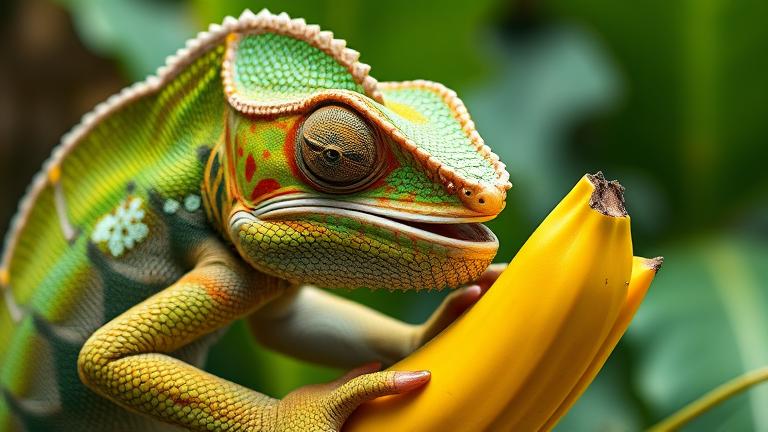
Do Chameleons Eat Bananas?
Many people wonder if chameleons, those fascinating reptiles known for their color-changing abilities, can eat bananas. In their natural habitat, chameleons are primarily insectivores, meaning they mostly eat bugs like crickets, flies, and moths. Their diet is high in protein and low in fruits. However, in captivity, some owners consider offering fruits like bananas as a treat or supplement.
Bananas are rich in vitamins, minerals, and natural sugars. But are they suitable for chameleons? The short answer is that bananas are not a natural part of a chameleon’s diet. While they are safe for humans and many other animals in moderation, bananas do not provide the nutrients that chameleons need to thrive. Feeding too much fruit, including bananas, can lead to health issues like obesity or digestive problems.
In the wild, chameleons get most of their nutrition from insects. Their bodies are adapted to digest protein and fat rather than high-sugar fruits. Offering bananas to a chameleon in captivity is generally not recommended as a regular food source. It may be tempting to give a chameleon a piece of banana because it seems harmless, but it can upset their natural diet balance.
If you’re caring for a chameleon and want to include fruits, it’s best to choose options closer to their natural diet. Fruits like small amounts of papaya, mango, or berries can occasionally be offered. These provide some variety and nutrients without overwhelming their system. Always peel fruits and cut them into small, manageable pieces so your chameleon can easily eat them.
When offering new foods, do it gradually. Observe your chameleon’s reaction and ensure it’s not showing signs of digestive upset. Remember, a healthy chameleon mainly munches on insects that you can buy at pet stores. Supplements such as calcium powder can help ensure their diet is complete, especially if insects are not gut-loaded with nutritious foods.
In summary, chameleons do not naturally eat bananas, and it’s best to avoid making bananas a regular part of their diet. Focus on their preferred insect-based foods and occasionally include safe fruits like berries or small pieces of softer fruits. This way, you keep your chameleon happy and healthy while respecting their natural eating habits.
Nutritional Benefits of Bananas for Chameleons
Bananas are a popular fruit, known for their sweet flavor and convenient packaging. For chameleons, they can provide some valuable nutrients when fed in moderation and prepared correctly. While bananas shouldn’t replace a balanced diet of insects and leafy greens, they can be a tasty and nutritious treat.
First, bananas are rich in vitamins and minerals that support a chameleon’s overall health. They contain vitamin A, which helps maintain good eyesight and immune health. They also provide vitamin C, known for its antioxidant properties that can assist in fighting free radicals. Minerals like potassium and magnesium are important for muscle function and hydration.
In terms of nutritional content, a small banana provides around 90 calories, mostly from natural sugars like glucose, fructose, and sucrose. These sugars can act as quick energy sources for active chameleons. However, because bananas are relatively high in sugar, they should be given sparingly to avoid weight gain or digestive issues.
How Bananas Can Benefit Your Chameleon
- Support for immune health: Vitamin A and C bolster the immune system, helping your chameleon resist illnesses.
- Energy boost: Natural sugars provide immediate energy, especially useful during active days or times of growth.
- Mineral intake: Potassium and magnesium aid in proper muscle function and fluid balance, which are key for your pet’s vitality.
It’s important to remember that bananas are not a staple food for chameleons. They should be offered as an occasional treat rather than a regular part of their diet. Feeding too much banana can lead to digestive upset or obesity in your pet.
Feeding Tips for Bananas
- Preparation: Peel the banana and slice it into small, manageable pieces suitable for your chameleon’s size.
- Frequency: Offer banana once a week at most, as a supplement to their primary diet of insects and greens.
- Quantity: Start with a small piece about the size of your chameleon’s head and observe how they respond.
- Safety note: Always remove any uneaten banana after a few hours to prevent spoilage or mold growth.
Be mindful of the ripeness. Overripe bananas are softer and easier to eat, but they can also be overly sugary. Slightly underripe bananas tend to have less sugar and are safer for occasional treats.
Possible Mistakes to Avoid
- Feeding bananas too often, which can cause health problems.
- Using overly ripe or moldy bananas, which may contain harmful bacteria.
- Offering large chunks that could pose a choking hazard.
In summary, bananas can be a healthy, energy-boosting treat for your chameleon when given properly. They add variety and valuable nutrients, but always prioritize their main diet of insects and leafy greens for optimal health.
Risks of Feeding Bananas to Chameleons
Feeding bananas to chameleons might seem like a healthy treat, but it can actually pose some health risks. While bananas are nutritious for humans, they are not always suitable for reptiles like chameleons. It’s important to understand the potential dangers before offering this fruit to your pet.
One common concern is that bananas are high in sugar. Too much sugar can cause digestive upset in chameleons, leading to issues like diarrhea or weight gain. Chameleons are insectivores by nature, and their digestive systems are not designed to handle large amounts of sugary fruit. Giving them bananas regularly can disrupt their digestion and overall health.
Another risk is potential nutritional imbalance. Bananas lack many of the essential nutrients that chameleons need, such as vitamin D3, calcium, and certain minerals. Relying on bananas as a staple or frequent treat can lead to deficiencies that weaken their immune system, cause skeletal problems, or affect their overall vitality.
There are also concerns about pesticide residue. Like many fruits, bananas may carry pesticides that are harmful to chameleons. If you choose to offer bananas, always wash them thoroughly or opt for organic options to reduce exposure to chemicals.
Feeding bananas in large quantities can also lead to gut blockages. Chameleons have delicate digestive tracts, and introducing too much fruit can cause impaction, which is a serious and sometimes life-threatening condition. Symptoms of impaction include constipation, lethargy, or loss of appetite.
It’s worth noting that some chameleons may be more sensitive to certain foods than others. For instance, younger chameleons or those with pre-existing health issues might react more severely to unusual diets. Always monitor your pet closely if you decide to try small amounts of banana, and watch out for any signs of distress.
In summary, while bananas might seem like an easy treat, they are not an ideal food for chameleons. Offering a balanced diet focused on insects and specific vegetables is much safer. If you do give fruit as an occasional treat, stick to small amounts and make sure it is prepared properly to minimize health risks.
- Avoid giving bananas frequently to prevent sugar overload and nutritional imbalance.
- Always wash bananas thoroughly or choose organic options to reduce pesticide exposure.
- Monitor your chameleon after offering new foods for any signs of digestive upset.
- Consult a reptile veterinarian for guidance on safe treats and diet adjustments.
How to Safely Introduce Bananas
Bananas can be a tasty treat for chameleons, but it’s important to introduce them carefully. Bananas are high in sugar and moisture, so they should only be given in moderation. To keep your chameleon healthy, follow these friendly tips on how to safely add bananas to their diet.
First, always start with small portions. A tiny piece about the size of the chameleon’s eye is enough for a beginner. You can gradually increase the amount if your chameleon seems to enjoy it and shows no signs of digestive upset. Remember, bananas should be a treat and not a regular part of their diet.
Preparation Tips
- Always wash the banana thoroughly with cool water to remove any dirt or pesticides. Organic bananas are a safer choice if you have them.
- Peel the banana completely, as the peel can be difficult to digest and may contain pesticides. Avoid feeding the peel to your chameleon.
- Cut the banana into small, manageable pieces. Small chunks make it easier for your chameleon to eat and reduce the risk of choking.
- For easier digestion, consider mashing the banana slightly or offering tiny strips. This is especially helpful if your chameleon is new to this fruit.
Introducing Bananas into the Diet
When offering bananas for the first time, place a small piece on your chameleon’s feeding branch or enclosure surface. Observe carefully for any signs of discomfort or adverse reactions, such as diarrhea or lethargy. If your chameleon tolerates it well, you can incorporate bananas into their diet a few times a month.
Remember, bananas are high in sugar and moisture. Too much can lead to health issues like obesity or digestive problems. As a rule, make bananas a rare treat, not a daily snack.
Additional Tips and Common Mistakes to Avoid
- Never feed your chameleon canned or processed banana products. These often contain additives or preservatives that are harmful.
- Avoid giving large amounts of banana at once. Excessive sugar intake can cause health problems over time.
- Do not feed spoiled or rotten bananas. Look for ripe, firm fruit without brown spots or mold.
- If introducing bananas causes loose stools or other issues, stop feeding it immediately and consult a reptile veterinarian if needed.
By following these simple guidelines, you can safely include bananas as an occasional treat in your chameleon’s diet. Keep portion sizes small, prepare the fruit properly, and watch your chameleon closely for any signs of trouble. With these precautions, bananas can be a healthy, enjoyable snack for your little reptile friend.
Expert Tips for Feeding Your Chameleon
Feeding your chameleon a healthy, balanced diet is essential for its well-being and vibrant health. While bananas can be a tasty treat for your reptile, they should never make up the main part of their diet. Here are some practical tips from reptile care experts on feeding bananas and maintaining overall diet balance.
First, remember that bananas are high in sugar and should be offered sparingly. Too much fruit, including bananas, can lead to obesity or other health issues. Use bananas as an occasional treat rather than a daily staple. A small slice once a week is enough for most chameleons to enjoy without overdoing it.
When offering bananas, always ensure they are ripe. Ripe bananas are softer, sweeter, and easier for your chameleon to digest. To prepare, peel the banana and cut it into small, manageable pieces. Smaller chunks reduce the risk of choking and make it easier for your chameleon to eat.
Additional tips include offering a variety of foods for better nutrition. Leafy greens like collard greens, dandelion leaves, and mustard greens should form the main part of your chameleon’s diet. Insects such as crickets, roaches, and mealworms are also essential for their protein intake. Incorporating a mix of these foods ensures your chameleon gets all necessary nutrients.
When feeding bananas along with insects and greens, place the fruits in a separate dish to avoid contamination. Also, be cautious with the quantity avoid giving large pieces of banana or too much at once. Overfeeding fruit can cause diarrhea or an upset stomach.
Make sure to dust your insects with calcium and vitamin supplements. This helps prevent deficiencies that might result from the limited variety of fruits like bananas. Reptile-specific powder supplements should be sprinkled over the insects at every feeding.
Another important tip is to observe your chameleon’s response to new foods. If you notice any signs of digestive upset, like loose stools or lethargy, reduce or eliminate bananas and consult a reptile veterinarian if necessary.
Finally, keep fresh water available at all times. Hydration is just as important as diet. Mist your chameleon daily and provide a shallow water dish if your pet prefers to drink from standing water.
- Offer bananas as an occasional treat, not daily.
- Use ripe bananas, cut into small pieces.
- Use a variety of leafy greens and insects for a balanced diet.
- Dust insects with calcium and vitamin supplements.
- Monitor your chameleon for signs of digestive upset.
- Always provide fresh water and proper hydration.
Following these expert tips will help ensure your chameleon remains healthy, happy, and vibrant. Proper diet and careful feeding practices are key to raising a thriving reptile.