
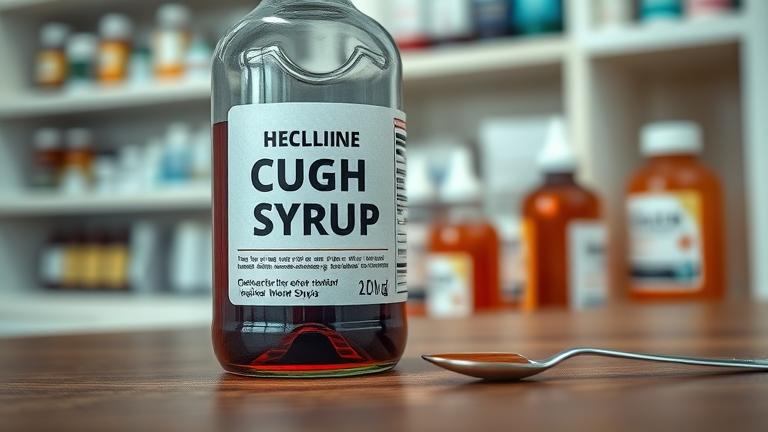
Proper Storage of Cough Syrup
Cough syrup is a medicinal formulation that helps soothe or suppress cough. Its active ingredients, such as dextromethorphan, codeine, or guaifenesin, work effectively only if stored correctly. Proper storage is essential for maintaining its potency and ensuring safety, especially in homes with children. The best practice is to keep the syrup in a cool, dry place, away from direct sunlight. Exposure to heat or light can cause the active ingredients to degrade, which reduces the medication’s effectiveness.
THIS STOPS COUGH IMMEDIATELY!
It is important to store cough syrup out of children’s reach to avoid accidental ingestion. Many pharmacies recommend keeping medications in a high cabinet or a locked box. The container should be tightly sealed to prevent moisture and air from compromising the syrup’s quality. Proper storage not only prolongs shelf life but also preserves the therapeutic properties of the medication. Be sure to check the label for specific storage instructions provided by the manufacturer. If your medication contains preservatives that are sensitive to temperature fluctuations, adhering to these guidelines is critical.
Understanding Expiry Dates on Cough Syrup
Expiry dates on cough syrup bottles indicate the period during which the manufacturer can guarantee its potency and safety when stored correctly. These are usually marked as “use by,” “best before,” or “EXP.” Once the designated date has passed, the formulation may no longer be as effective or safe to use.
Chemical components in medications such as cough syrup can break down over time. This degradation might lead to reduced efficacy, meaning the syrup might not adequately suppress cough or soothe sore throats. Some active ingredients may even turn harmful if they change chemically. Most cough syrups remain effective for about 2 to 3 years if stored properly. However, variations can occur depending on the ingredients and storage conditions specified by the manufacturer.
To determine if the cough syrup is still usable, always inspect its appearance and smell. Signs like discoloration, thickening, or a foul odor suggest that the medication has spoiled and should not be used. When in doubt, it is safest to dispose of expired syrup. Proper storage can help extend the shelf life, but expiration dates serve as a vital guideline for safety.
Signs That Cough Syrup Has Spoiled
Changes in the physical appearance of cough syrup can indicate spoilage. Look for discoloration, mold growth, or a slimy texture on the surface. These are clear warning signs that the medication may no longer be safe to consume.
Another important indicator is the smell. A foul, sour, or off odor often signifies bacterial or fungal contamination. If the syrup develops an unusual smell, it is best to discard it to avoid health risks. Additionally, if you notice a change in consistency, such as a sticky or overly dry surface, these are signs that the medication has deteriorated. Always perform a visual and olfactory inspection before using any medication past its expiration date.
Never ignore these signs, as using spoiled cough syrup can lead to adverse reactions or an infection. When medications are suspected to be compromised, it is best to err on the side of caution and dispose of them properly.
Maintaining Efficacy Through Proper Storage
Proper storage of cough syrup is the key to maintaining its effectiveness over time. To achieve this, keep the bottle in a cool, dry place away from direct sunlight, heat, and humidity. The optimal temperature range is between 15°C and 30°C, or 59°F to 86°F.
Ensuring that the container is tightly sealed prevents air and moisture from entering, which can cause bacterial growth and spoilage. Store the medication in a location that remains stable in temperature and humidity to prevent deterioration. It is also good practice to routinely check for any signs of spoilage or changes in appearance or smell. Proper storage conditions prolong the effectiveness of cough syrup, preserves its safety, and helps maintain the correct dosage.
The Risks of Using Expired Cough Syrup
Using cough syrup after its expiration date can pose health risks. The active ingredients may have degraded, which diminishes their capacity to effectively treat cough or soothe the throat. This may result in inadequate symptom relief and prolong illness.
Moreover, expired medication can lead to adverse reactions. The breakdown of chemical components may cause allergic responses or gastrointestinal discomfort. There is also a risk of microbial contamination in expired syrups if storage conditions have been compromised.
Health professionals recommend discarding expired cough syrup to avoid these dangers. Old medications can harbor bacteria, fungi, or other pathogens. Using medication past its expiry date adds unnecessary health hazards that can be avoided with proper disposal.
Proper Disposal of Expired or Unused Medication
Proper disposal of expired cough syrup is essential for environmental and personal health. The safest method is to participate in a drug take-back program or visit designated disposal sites in your community. These programs ensure that medications are disposed of safely and do not pollute water sources.
Flushing medications down the toilet is generally discouraged unless specifically instructed by the packaging or local regulations. Flushing can introduce pharmaceuticals into water supplies, potentially affecting aquatic life and human health. The best practice is to check with your local waste management authority for disposal guidelines.
Always remove personal information from containers before disposal, and never pour medications into drains unless instructed. Consulting healthcare providers or pharmacists can also help determine the appropriate disposal method. By disposing of medications responsibly, you help protect the environment and prevent misuse or accidental poisoning.
When to Seek Medical Advice for Expired Medications
Knowing when to consult a healthcare professional about expired medication is vital, especially for critical drugs. For life-sustaining or chronic condition medications such as heart or diabetes medications, contact your healthcare provider immediately if the medication is past its expiry date.
In such cases, the potency of the medication may decline, risking inadequate treatment. For over-the-counter medicines or supplements, if the expiration date has passed, it is generally safer to replace them. Changes in appearance, smell, or texture are also warnings that the medication is no longer safe to use.
When in doubt, consult your healthcare provider or pharmacist. They can advise whether the expired medication should be discarded or if it might still offer some therapeutic benefit. Following professional guidance ensures preferred health outcomes and prevents potential complications from ineffective medications.