
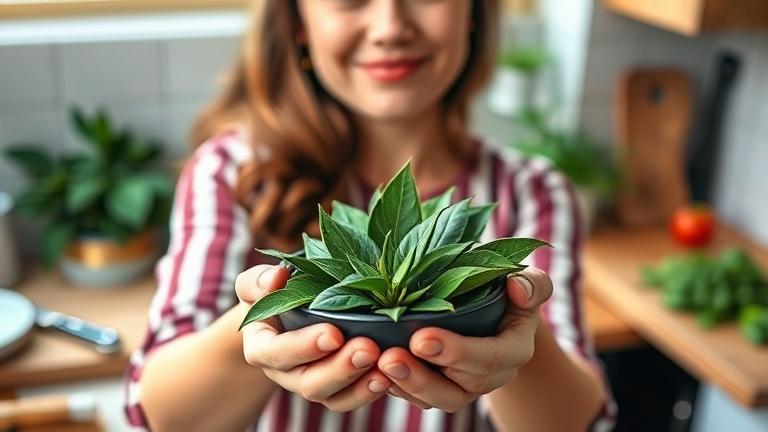
Are Bay Leaves Edible or Toxic?
Many home cooks wonder whether bay leaves are actually safe to eat or if they might be toxic. The good news is that bay leaves, when used correctly, are safe and add great flavor to a variety of dishes. But it’s important to understand which parts of the bay leaf are edible and which are best avoided to prevent any health issues.
Bay leaves come from the Laurus nobilis tree, a shrub or small tree that grows in Mediterranean regions. The leaves are usually dried before being used in cooking. When used properly, the leaves themselves are safe to handle and flavor your food. However, the actual leaf is quite tough and sharp-edged, which means it is usually removed before serving. Eating a whole bay leaf can be a choking hazard or cause discomfort inside the mouth or digestive system.
It’s also worth noting that bay leaves contain essential oils which give them their distinctive aroma and flavor. These oils are released during cooking and enhance the taste of dishes, but ingesting the leaf in its entirety is not recommended because of its toughness and sharp edges. Always handle bay leaves with care and remove them before eating.
Which Parts Are Edible?
In fact, only the dried leaf itself is considered edible in the sense that it is safe to use in cooking as a flavoring. When added to soups, stews, or sauces, the bay leaf imparts a fragrant, herbal aroma. Most home cooks keep the leaf in the dish during cooking and then remove it before serving. You should never try to eat a whole bay leaf directly, as the leaf is quite stiff and can cause damage or be difficult to chew.
It’s also worth noting that the essential oils inside the leaves are what make them flavorful. These oils are released during cooking, enhancing your dish’s aroma. The leaf’s tough texture is not meant to be eaten whole, which is why removing the bay leaf before serving is a common practice.
Are There Any Toxic Risks?
Generally, bay leaves are considered safe when used as a spice. However, consuming large quantities of dried leaves or ingesting the leaf tips can cause problems, mainly because of their sharp edges and tough texture. Swallowing a whole leaf or a piece could potentially cause choking or internal injury.
There are some reports of allergic reactions or sensitivities, especially for people with plant allergies. But serious toxicity from bay leaves is rare. It’s always best to use bay leaves as a flavoring rather than an ingredient to eat directly.
Safety Tips When Using Bay Leaves
- Use dry bay leaves in small amounts for cooking.
- Remove the whole leaves before serving to avoid choking or mouth injuries.
- Avoid eating the leaf itself, especially the sharp edges or the central stem.
- If you’re unsure about a particular bay leaf, discard it; safety comes first.
In summary, bay leaves are safe to use in cooking as long as you handle them correctly. The leaves are safe when used as a flavoring, but they are not meant to be eaten directly. Removing the leaves before serving minimizes the risk of discomfort or injury, making bay leaves a safe and flavorful addition to your kitchen adventures.
Health Benefits and Safety Precautions
Bay leaves are a popular herb used to flavor soups, stews, and other culinary dishes. Besides their aromatic taste, they offer several health benefits. Incorporating bay leaves into your cooking can support digestion and provide antioxidants, which help protect your cells from damage.
Bay leaves contain compounds such as essential oils, vitamins, and minerals that may boost your immune system. Some studies suggest they have anti-inflammatory properties that could help reduce swelling and discomfort. Using bay leaves in your meals might also promote better digestion by stimulating enzymes that break down food more efficiently.
However, it is important to be mindful of safety precautions when handling bay leaves to enjoy their benefits without any issues. Raw bay leaves are quite tough and can pose a choking hazard if accidentally swallowed. That is why they are typically used in cooking and then removed before serving. Never consume a whole bay leaf directly, as it can be sharp and difficult to chew, risking throat injury.
Additionally, some people may experience allergic reactions or sensitivities to bay leaves. If you notice symptoms like skin irritation, headaches, or stomach discomfort after using them, discontinue use and consult a healthcare professional.
Here are some safety tips to keep in mind when working with bay leaves:
- Always remove whole bay leaves from dishes before serving, especially if children or elderly people are eating. Their tough texture can be a choking risk.
- Buy quality bay leaves from reputable sources to avoid contamination or subpar products. Organic options may be preferable.
- When using ground or crushed bay leaves, use in moderation as their flavor can become overpowering, and excessive intake may lead to stomach upset.
- Store bay leaves in a cool, dry place away from direct sunlight. Proper storage extends their shelf life and maintains their aroma and potency.
While bay leaves are generally safe when used properly, it’s wise to use them in moderation. If you are pregnant, nursing, or taking medications, talk to your healthcare provider before adding new herbs like bay leaves to your diet.
In summary, bay leaves can be a healthful addition to your cooking, providing antioxidants and anti-inflammatory properties. Just remember to handle them safely by removing whole leaves before eating and keeping an eye out for any allergic reactions.
How to Use and Prepare Bay Leaves
Bay leaves are a wonderful addition to many dishes, adding a subtle, aromatic flavor that enhances stews, soups, and sauces. To get the most out of bay leaves, it’s important to know how to handle and prepare them properly. This simple guide will walk you through the best ways to use bay leaves in your cooking.
Choosing the Right Bay Leaves
When shopping for bay leaves, opt for whole, dry leaves rather than pre-ground versions. Whole leaves tend to have a stronger, more authentic flavor and last longer. Look for leaves that are greenish-brown and firm. Avoid any that appear brittle or have dark spots, as these may be old or dried out.
Preparing Bay Leaves for Cooking
- Rinsing: Before using, rinse the bay leaves lightly under cold water to remove any dust or impurities.
- Handling: Always handle bay leaves with dry hands to prevent them from tearing or crumbling.
- Inculcation: Since bay leaves have tough, leathery texture, they are typically added whole to dishes. Do not chop them, as the essential oils are released gradually during cooking.
Adding Bay Leaves to Recipes
To incorporate bay leaves into your meals, simply add one or two whole leaves into broths, stews, or sauces while they simmer. The key is to let the leaves absorb the heat and release their aroma slowly.
Always remember to remove the bay leaves before serving. Although they are safe to eat, they have a sharp, woody texture that can be unpleasant or even pose a choking hazard if swallowed. Use tongs or a slotted spoon for easy removal.
Tips for Using Bay Leaves Effectively
- Timing: Add bay leaves early in the cooking process to give their flavor time to infuse into the dish.
- Quantity: Use 1 or 2 leaves for most recipes. Using too many can overpower other flavors.
- Storage: Keep dried bay leaves in an airtight container in a cool, dark place. Properly stored, they will stay fresh for up to a year.
What to Do If a Leaf is Left in the Dish
If you forget to remove the bay leaves before serving, remind guests to be cautious. Some people prefer to fish out the leaves from their bowls to avoid biting into a hard, woody piece. It’s a good practice to always check thoroughly before you serve.
Alternative Uses for Bay Leaves
Besides cooking, bay leaves can be used to make herbal sachets for drawers and closets, helping to keep things smelling fresh and natural. They can also be added to homemade cleaning solutions for a subtle floral scent.
With these tips, you will confidently handle bay leaves and use them to add a lovely depth of flavor to your dishes. Remember, patience and care in preparation make the difference between a good meal and a great one!
Flavor Impact in Cooking
Bay leaves are a popular herb in many kitchens, known for their subtle yet distinct influence on a dish’s flavor profile. When used properly, they can add depth, aroma, and a hint of earthiness that elevates your cooking. The key to benefiting from bay leaves is understanding how they work and the best ways to incorporate them into your recipes.
Unlike some herbs, bay leaves are usually added during the cooking process rather than used as a finishing touch. Their flavor develops slowly, releasing gentle, complex notes over time. They are especially common in soups, stews, braises, and sauces. When you taste dishes with bay leaves, you might notice a slightly herbal, floral aroma combined with a mild bitterness that balances richer ingredients.
How They Influence Flavor
- Bay leaves provide a subtle layer of aroma that enhances other ingredients without overpowering them.
- Their flavor is earthy with hints of pine, eucalyptus, and clove, which adds warmth and complexity.
- When simmered for a long time, bay leaves release oils that deepen the taste, making broths and sauces more rounded.
One common mistake is adding too many bay leaves. Since they are potent in flavor, a single leaf often suffices for a large pot. Too many can give a dish a bitter or medicinal taste that can be hard to fix. Conversely, forgetting to add bay leaves altogether means missing out on their subtle enhancement.
Best Ways to Use Bay Leaves
- Start with one or two leaves for recipes like soups or meats. You can add more if you want a stronger aroma, but always taste as you go.
- Place bay leaves in the cooking liquid early, allowing enough time for their flavors to develop. They work best when simmered for at least 30 minutes.
- Remove the bay leaves before serving. Although they are not toxic, their sharp edges and rough texture make them unpleasant to eat.
- Pair bay leaves with other herbs like thyme, rosemary, or parsley to create a more layered flavor profile.
Another tip is to use a spice bag or a cheesecloth pouch for the bay leaves. This way, you can remove all the leaves easily once the aroma has infused the dish, saving you from unpleasant surprises in every bite.
Flavor Pairings and Tips
- Use bay leaves in hearty stews, legume dishes, or tomato-based sauces to add depth.
- Combine with garlic, onion, and peppercorns for a well-rounded flavor base.
- In slow-cooked recipes, add bay leaves at the beginning and taste before removing to gauge their impact.
With a little practice, you’ll notice how bay leaves subtly transform simple ingredients into richer, more flavorful dishes. Remember, their power lies in patience and balance—adding enough to enhance, but not dominate, the overall taste. Keep experimenting, and soon you’ll master how to use bay leaves to their fullest potential in your cooking.
Common Questions About Bay Leaves
Bay leaves are a popular herb used to add flavor to soups, stews, and many other dishes. If you’re new to cooking with bay leaves or simply want to learn more, you’ve come to the right place. Here are some frequently asked questions about bay leaves to help clear up common concerns and misconceptions.
Are bay leaves safe to eat?
Most bay leaves are safe to use in cooking. However, it is important to note that the leaves themselves are usually too tough and that they are often removed before serving. Some people worry about choking on whole leaves or ingesting sharp edges. To avoid this, always remove the bay leaves from your dish before eating. In addition, ensure you are using culinary bay leaves, which are different from some decorative or ornamental varieties that may contain compounds not meant for consumption.
Should I remove bay leaves before serving?
Yes, it is a good practice to take out bay leaves before serving. Whole leaves do not break down during cooking and can be a choking hazard or cause damage to your mouth or digestive tract. Plus, bay leaves can leave a bitter or unpleasant taste if bitten into. When cooking, simply use a pair of tongs or a slotted spoon to fish out the leaves towards the end of cook time. Some cooks prefer to tie the leaves in a small piece of cheesecloth to make removal easier and prevent any accidental bites.
Can I eat bay leaves?
While bay leaves are generally safe to consume in cooked dishes, their tough texture makes them inedible in practice. They are usually removed before eating because they do not soften much during cooking. Eating whole bay leaves can sometimes cause choking or discomfort, so it’s best to treat them as a flavoring tool rather than a food you chew and eat.
How should I store bay leaves?
Proper storage keeps bay leaves fresh and flavorful for longer. The best way is to keep them in an airtight container, away from direct sunlight, heat, and moisture. You can store dried bay leaves in a small jar or a sealed spice container in your pantry. For extended freshness, some people prefer to keep them in the freezer. Just make sure they are dry before storing to avoid mold.
What are the flavor notes of bay leaves?
Bay leaves provide a subtle, herbal aroma with hints of mint, eucalyptus, and pine. They add depth and complexity to dishes, especially soups, stews, and roasted meats. The flavor intensifies as they cook, so a little goes a long way. Remember, bay leaves are more about aroma and background flavor than a strong, bold taste, so use them accordingly.
Can I substitute bay leaves?
If you don’t have bay leaves, you can try using substitutions like thyme, oregano, or a mixture of dried herbs. However, each herb brings its own flavor, so the result won’t be exactly the same. For recipes calling for bay leaves, it’s best to use bay leaves when possible. If you’re out, consider adding a splash of fresh herbs near the end of cooking to subtly mimic the herbal aroma.
Are fresh and dried bay leaves different?
Yes, they are. Dried bay leaves are more common and have a concentrated flavor that works well for slow-cooked dishes. Fresh bay leaves tend to have a more vibrant aroma but can be milder in flavor. You can often substitute fresh for dried at a 3-to-1 ratio, meaning use three times as many fresh leaves as dried. Keep in mind that fresh leaves may be more tender and slightly more flexible, making them easier to remove after cooking.