
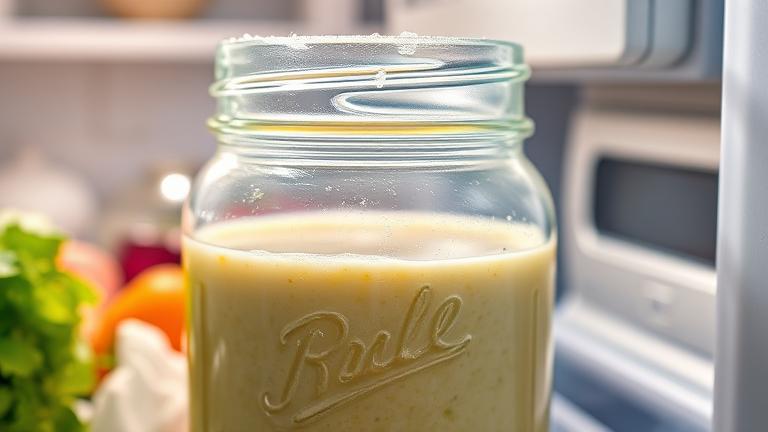
Can You Freeze Salad Dressing? Yes or No?
Many home cooks wonder if they can freeze salad dressing to make it last longer. The answer is yes, but with some important considerations. Freezing salad dressing can be a good way to store extra or homemade dressings, especially if you made a large batch. However, not all dressings freeze equally well, and some might change in texture or flavor after thawing.
Understanding when and how to freeze salad dressing can help you avoid waste and enjoy your favorite flavors anytime. Let’s go over what you need to know to decide if freezing salad dressing is right for you.
What Types of Salad Dressing Freeze Best?
Most vinaigrettes and oil-based dressings freeze successfully. These dressings tend to have a simple mixture of oil, vinegar, and seasonings. When frozen, they usually retain their flavor and texture well once thawed.
However, dressings with a creamy base, such as ranch, Caesar, or blue cheese, may not freeze as perfectly. These dressings contain dairy, mayonnaise, or other emulsifiers that can separate, become grainy, or change consistency after freezing and thawing.
How to Freeze Salad Dressing Properly
- Allow the dressing to cool if you just made it. Warm dressings don’t freeze well and can cause condensation.
- Pour the dressing into an airtight container. Use a glass jar, plastic container, or a freezer-safe bag.
- Leave some space at the top of the container. As the dressing freezes, it expands, so room is needed to prevent spills or container breaking.
- Label the container with the date. This helps you keep track of how long it’s been in the freezer.
- Place the dressing in the freezer, ideally on a flat surface where it won’t get knocked over.
How Long Can You Freeze Salad Dressing?
| Type of Dressing | Freezing Time (Approximate) |
|---|---|
| Oil-based vinaigrettes | Up to 3 months |
| Creamy dressings (ranch, Caesar) | 1 to 2 months |
| Homemade dressings with fresh herbs or fruit | 1 month |
For the best taste and texture, try to use the frozen dressings within these timeframes. After that, the quality may decline, and the dressing might develop freezer burn or off-flavors.
Thawing and Using Frozen Salad Dressing
To thaw, move the frozen dressing from the freezer to the refrigerator. Let it sit overnight or for several hours until fully thawed. If the dressing has separated, give it a good shake or stir before use. For creamy dressings, you might need to whisk in a little water or oil to restore smoothness.
Keep in mind that the texture may be slightly different after freezing. A vinaigrette might become a little more liquid, while a creamy dressing could turn a bit grainy. Usually, a good stir is enough to bring it back to a usable state.
Tips for Freezing Salad Dressing
- Only freeze dressings you’ve made yourself or that are specifically designed for freezing. Commercial dressings often contain preservatives that may affect freezing quality.
- If you frequently freeze dressings, consider portioning them into smaller containers or ice cube trays. This makes thawing only what you need.
- Always taste and check the dressing after thawing. If it smells or looks off, discard it to stay safe.
- Label your containers with the date and type of dressing to keep organized.
In conclusion, freezing salad dressing is an option that works best with certain types. By following proper storage and thawing tips, you can extend the life of your dressings and reduce waste. Just remember that some dressings may not come out exactly the way they went in, so experiment to see what works best for your favorites.
Risks and Solutions When Freezing Salad Dressings
Freezing salad dressings can be a great way to keep them fresh longer, but it can also come with some risks. Understanding these potential problems and knowing how to solve them can help you preserve your dressings safely and maintain their quality.
One common risk when freezing salad dressing is separation. When dressings are frozen, the ingredients like oil and vinegar may separate upon thawing. This can make the dressing look unappealing and affect its texture. To minimize separation, choose dressings with emulsifiers or those designed to be shaken before use. Before freezing, give the dressing a good stir or shake, and when ready to use, re-emulsify by whisking or shaking it again.
Another issue is changes in texture. Freezing can cause some dressings to become thick, grainy, or watery. For example, dressings with dairy ingredients like yogurt or mayonnaise are more prone to texture changes. To reduce this, avoid freezing dressings that contain delicate ingredients unless you are prepared for some possible texture adjustments. If you do freeze them, plan to whisk or blend the dressing thoroughly after thawing to restore a smoother consistency.
Safety is also a key consideration. Salad dressings that contain fresh herbs, garlic, or dairy may develop bacterial growth if not stored properly. Freezing can slow bacteria growth, but it does not kill all bacteria. Always freeze dressings in airtight containers to prevent contamination. Label the containers with the date and avoid freezing dressings that are older than a few months to ensure safety. When thawing, do so in the refrigerator, not at room temperature, to keep bacteria growth under control.
Additionally, freezing can impact flavor. Some ingredients may lose their bright, fresh taste after thawing, particularly herbs or fresh citrus. To preserve flavor, it’s best to freeze dressings that are more vinegary or oil-based, which tend to hold their taste better. For dressings with delicate flavors, consider making small batches and using them fresh when possible.
Practically speaking, it’s wise to portion your salad dressings into small, freezer-safe containers or ice cube trays. This allows you to thaw only the amount you need without repeatedly freeze-thawing the entire batch. Always leave some space at the top of containers to accommodate expansion when freezing.
Helpful Tips:
- Use airtight containers to prevent freezer burn and flavor loss.
- Label your dressings with the date to track freshness.
- Thaw dressings in the refrigerator for even, safe defrosting.
- Shake or whisk dressings after thawing to restore texture.
- Limit freezing to dressings stored for up to three months for best results.
By being aware of these risks and applying practical solutions, you can enjoy your homemade salad dressings even after freezing. This simple step helps reduce waste and keeps your ingredients fresh and tasty for salads anytime you want.
How to Thaw Salad Dressing Properly
Freezing salad dressing is a great way to extend its shelf life, especially if you make or buy it in large quantities. However, thawing it correctly is important to preserve its texture, flavor, and safety. In this guide, we’ll walk you through simple, effective steps to thaw your frozen salad dressing without ruining its quality.
When you store salad dressing in the freezer, it may separate or become slightly thickened. That’s normal. The key is to thaw it gradually and carefully to restore its original consistency. Rapid thawing or improper handling can cause texture changes or food safety issues. Follow these trusted methods to get the best results.
Step 1: Plan Ahead for Slow Thawing
The safest way to thaw salad dressing is to plan ahead and use the refrigerator method. Place your frozen container of dressing in the fridge about 24 hours before you need it. The cool temperature will allow the dressing to defrost slowly and evenly.
Letting it thaw in the fridge helps prevent bacteria growth and maintains the quality of the dressing. If your dressing is in a large container, consider transferring it to a smaller jar or bowl. This speeds up the thawing process and makes stirring easier.
Step 2: Use Cold Water for Faster Thawing
If you need your dressing sooner, use the cold water method. Seal the dressing tightly in a leak-proof plastic bag if it’s not already in a waterproof container. Submerge the bag in a bowl filled with cold water.
Change the water every 30 minutes to keep it cold. Usually, this method takes a few hours, depending on the size of the container. Check the dressing frequently and give it a gentle stir once it begins to thaw to help distribute the ingredients evenly.
Step 3: Avoid Thawing at Room Temperature
It might be tempting to leave your dressing out on the counter, but this is not safe. Thawing at room temperature can promote bacterial growth, especially if the dressing contains eggs, dairy, or fresh ingredients.
Always stick to refrigeration or cold water methods. No matter how urgent, never use hot water or heat to thaw salad dressing, as it can alter the texture and flavor.
Step 4: Stir and Check the Texture
Once thawed, give your salad dressing a good stir. Separation is common after freezing, and stirring helps reincorporate the ingredients. If it feels too thick, you can add a splash of fresh water, vinegar, or a little oil to loosen it up.
Use a spoon or whisk to blend everything smoothly. If you find the taste is slightly different, give it a quick taste test. Sometimes, a pinch of salt, pepper, or lemon juice can brighten the flavor again.
Extra Tips for Success
- Label your frozen dressing with the date so you know how long it’s been stored.
- Remember that homemade dressings often freeze better if they are simple and well-emulsified before freezing.
- Never refreeze dressing after thawing, especially if it has been at room temperature for a while.
- Use thawed dressing within a few days for best freshness and safety.
By following these steps, you can enjoy your favorite salad dressing again without sacrificing taste or safety. Proper thawing helps keep your salads delicious and your kitchen safe.
Tips for Maintaining Smooth Texture After Freezing
Freezing salad dressing can sometimes cause it to lose its smooth, well-emulsified texture. When the ingredients separate or become grainy after thawing, it can be frustrating. Fortunately, with a few simple tricks, you can help preserve that silky consistency and enjoy fresh-tasting dressing every time.
The key to keeping your salad dressing smooth after freezing is understanding how the ingredients react during the process. Oils, vinegars, and emulsifiers can sometimes separate or thicken when frozen. The good news is that most issues can be addressed or prevented with proper techniques.
Choose the Right Dressings to Freeze
Not all dressings freeze equally well. Oil-based, creamy, or vinaigrette dressings tend to hold up better than those with fresh herbs or fruit. For best results, opt for dressings that contain stabilizers or emulsifiers, such as mustard or egg yolk, which help maintain a uniform texture.
Properly Store and Seal Your Dressings
Use airtight containers or heavy-duty freezer bags to prevent freezer burn and moisture loss. Leave a little space at the top, as liquids expand when frozen. Label each container with the date and type of dressing, so you know how long it has been stored.
Slow Thaw Method
When you’re ready to use a frozen dressing, thaw it in the refrigerator instead of at room temperature. This slow process helps prevent separation or curdling. Usually, 8-12 hours is enough, so plan ahead.
Rescue Separated Dressings
If your dressing has separated or become grainy after thawing, don’t worry. You can try to restore its smoothness with a quick re-emulsification. Whisk the dressing vigorously or shake it in a jar until it comes back together. Sometimes, adding a teaspoon of fresh mustard or a small splash of warm water can help re-emulsify the mixture.
Use an Immersion Blender for Best Results
If whisking doesn’t do the trick, an immersion blender can be a game-changer. Simply place the thawed dressing in a tall container and blend until it looks smooth and creamy again. This method works especially well for dressings that have become lumpy or separated.
Prevent Freezing Damage in the First Place
- Only freeze dressings when you plan to use them within three months for optimal quality.
- Mix the dressing well before freezing to ensure an even consistency.
- Consider freezing smaller portions in ice cube trays. Once frozen, transfer the cubes to a bag. This way, you thaw only what you need and avoid repeated freeze-thaw cycles.
Keep in mind Common Mistakes
- Reseating or refreezing dressings that have been thawed can lead to spoilage or uneven texture.
- Overmixing after thawing might incorporate too much air, causing the dressing to become foamy or watery.
- Using warm ingredients to thaw can cause the dressing to break apart. Always thaw in the fridge for best results.
With these tips, you can freeze your salad dressings confidently and enjoy their fresh, silky goodness even after thawing. Remember, a little preparation and patience go a long way to keeping that perfect texture!
How Long Can You Store Salad Dressing in the Freezer?
Storing salad dressing in the freezer can be a handy way to keep it fresh for longer, especially if you have homemade or excess dressing. But how long can you actually freeze it without losing quality or safety? The answer depends on the ingredients and storage methods, but generally, most salad dressings can be safely stored in the freezer for a certain period.
In the freezer, salad dressing’s texture and flavor might change over time. Freezing can cause ingredients like oil, vinegar, and herbs to separate or become less smooth when thawed. To get the best results, it helps to know how long you can keep dressing frozen and how to store it properly.
Recommended Freezer Storage Duration
| Type of Salad Dressing | Optimal Freezer Storage Time |
|---|---|
| Homemade Oil and Vinegar Dressings | Up to 3 months |
| Cream-Based Dressings (ranch, Caesar) | Up to 2 months |
| Vinaigrettes with Fresh Herbs | Up to 3 months |
| Store-Bought Dressings (unsensitive to freezing) | Check label; generally 3-6 months if suitable |
For best quality, aim to use frozen salad dressing within these time frames. After that, the dressing may develop an off taste, become grainy, or separate more easily when thawed. Always check the dressing after freezing and before using it in salads.
How to Freeze Salad Dressing Properly
- Choose airtight containers: Use freezer-safe jars, zip-top bags, or plastic containers with tight-fitting lids. Leave some space at the top for expansion.
- Label and date: Write the date on the container so you can keep track of how long it’s been frozen.
- Cool before freezing: If the dressing is freshly made, let it cool down to room temperature before freezing to avoid condensation and ice crystals.
- Freeze flat or upright: For easy storage, freeze dressings flat in bags or upright in containers. Thawing will be more convenient this way.
Thawing and Using Frozen Salad Dressing
When you’re ready to use the frozen dressing, thaw it in the refrigerator overnight. Avoid thawing at room temperature to prevent bacteria growth. Once thawed, give the dressing a good stir or shake. You might notice some separation or a slightly different texture, especially with cream-based dressings. If the dressing looks or smells off, it’s safest to discard it.
Note that freezing and thawing can slightly change the dressing’s consistency. For best results, give it a whisk or shake to recombine the ingredients. If it’s too thick, add a little water or oil and stir to restore its original texture.
Tips for Freezing Salad Dressing:
- Avoid freezing dressings with fresh fruits or certain herbs that don’t freeze well.
- Always store in airtight containers to prevent freezer burn and odors.
- Use frozen dressing within the recommended time for freshness and safety.