
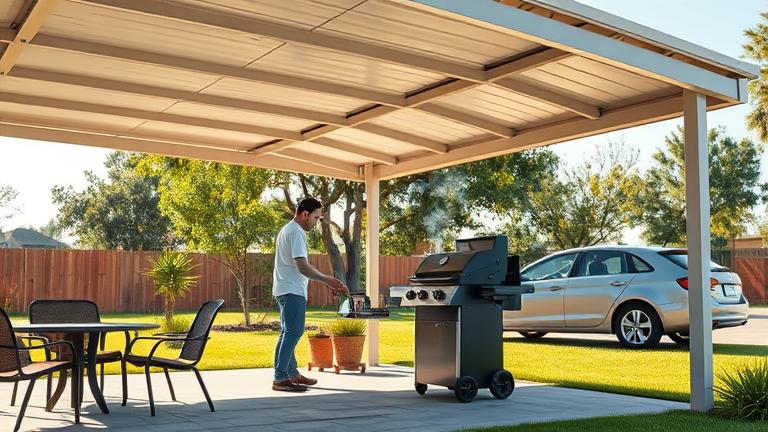
Is Grilling Under a Carport Safe?
Many home cooks wonder if it is safe to grill under a carport, especially since it offers shelter from sun and rain. While it might seem convenient, there are important safety considerations to keep in mind before setting up your grill in this area.
Grilling under a carport can pose fire risks if proper precautions are not taken. Carports are often made of materials like wood, metal, or fabric, which may be flammable or less resistant to heat. Additionally, the close proximity to cars, stored items, and the structure itself can increase the chances of accidents or fires.
One of the main concerns is ventilation. Cooking produces smoke and fumes that need to escape freely. An enclosed or poorly ventilated space can cause smoke buildup, which is not only uncomfortable but can also be hazardous to your health. It might also trigger smoke alarms or cause a carbon monoxide buildup if using certain types of grills.
To safely grill under a carport, you should follow some essential safety tips:
- Check for proper ventilation: Make sure your carport is open on at least three sides. Avoid grilling in spaces that feel enclosed or where smoke seems to hang in the air.
- Maintain a safe distance: Keep the grill at least 10 feet away from the building, vehicles, and stored items. This helps prevent accidental fires or heat damage.
- Use the right grill: Always opt for a clean, well-maintained grill that is suitable for outdoor use. Avoid using charcoal or propane grills indoors or in semi-enclosed spaces with limited airflow.
- Have safety equipment ready: Keep a fire extinguisher, a bucket of sand, or a hose nearby in case of emergencies.
- Monitor your grill: Never leave the grill unattended while in use. Constant supervision helps catch any issues early.
- Avoid combustible materials: Keep paper, fabric, or other flammable items away from the grill, including the carport’s roof or sides.
If you follow these safety precautions, grilling under a carport can be safer and more enjoyable. However, it’s still important to stay alert and cautious. If your carport feels cramped, poorly ventilated, or too close to your home or fuel sources, consider moving your grilling setup to a more open outdoor area. Remember, safety always comes first when enjoying your outdoor cooking adventures.
Best Grills for Carport Cooking
Cooking under a carport can be a great way to enjoy outdoor grilling while staying protected from the elements. When choosing the best grill for this space, factors like safety, convenience, and ventilation are very important. Fortunately, there are several options that work well in a carport setting, including portable grills, electric models, and propane units.
Portable Grills
Portable grills are a popular choice for carport cooking because of their flexibility and ease of use. They come in sizes that can fit on a small table or stand, making them perfect for limited space. These grills are often fueled by charcoal or small propane bottles, and they can be moved easily if needed.
One advantage of portable grills is their quick setup. They heat up fast, so you can start grilling within minutes. Plus, many are light enough for one person to carry, which is convenient for storage and cleaning. However, keep in mind that portable charcoal grills can produce smoke and fumes, so proper ventilation is essential to ensure safety.
Electric Grills
Electric grills are a practical choice for carport cooking because they are clean, easy to operate, and produce no smoke. All you need is access to a standard power outlet. They are generally compact and ideal for small spaces, making them perfect if your carport is limited in size.
One big benefit is safety, since electric grills don’t involve open flames or gas. They also heat quickly and are easy to clean. The main limitation is that electric grills may not reach the high temperatures of propane or charcoal models, which can affect grilling certain foods. They are best suited for grilling chicken, vegetables, or simpler fare.
Propane Grills
Propane grills are a popular choice for many outdoor cooks, including those under a carport. They can produce high heat and give you that traditional grilled flavor. Portable propane grills are easy to use and can be connected to small propane tanks, making them convenient for occasional or frequent use.
However, safety is key with propane grills. Make sure your carport has good ventilation because burning propane produces carbon monoxide. Never operate a propane grill in a fully enclosed space, and check hoses and connections regularly for leaks. For added safety, keep a fire extinguisher nearby and ensure your grill is on a stable, flat surface.
Safety Tips for Carport Grilling
- Always ensure proper ventilation to prevent buildup of dangerous fumes.
- Keep a fire extinguisher nearby and know how to use it.
- Place your grill on stable, non-flammable surfaces away from overhanging structures or flammable objects.
- Never leave the grill unattended while in use.
- Follow the manufacturer’s instructions for safe operation.
Ventilation Tips for Outdoor Grilling
When you’re outdoor grilling under a carport, good ventilation is essential for safety and comfort. Proper airflow helps prevent smoke buildup, keeps the area clear, and ensures your grilling experience is enjoyable. With a few simple strategies, you can create a well-ventilated space that lets you cook safely and effectively.
First, assess your grill’s location. Place it away from walls, curtains, or any objects that could trap smoke or block airflow. Ideally, the grill should be at least a few feet from the edges of the carport to allow for efficient smoke dispersal. Remember, the goal is to let the smoke rise and drift away naturally without lingering underneath the cover.
Next, consider installing or using existing natural ventilation features. If your carport has open sides or gaps in the roof, these act as ventilation channels that help move smoke away. If not, think about adding small vents or windows that can be opened during grilling. Even a small opening on the opposite side of the grill can make a big difference in airflow.
Use Fans to Improve Air Circulation
Sometimes, natural airflow isn’t enough. In these cases, portable fans can be your best friends. Position a fan so it blows away smoke and fumes from the grilling area, but avoid pointing it directly at hot coals to prevent accidents. A fan set on low is usually enough to improve circulation without creating dangerous sparks or wind gusts that might cause flare-ups.
Be cautious when using fans. Always ensure they are stable, and keep cords away from heat. If you have a ceiling or wall-mounted fan, make sure it’s functioning properly before starting your grill. Using fans effectively can help disperse smoke quickly and keep the air breathable.
Safety Tips for Ventilation
- Never block existing vents or openings. Keep pathways clear for air to flow freely.
- Check the weather forecast. Avoid grilling during very windy conditions, which can blow smoke into your living space or cause flare-ups.
- If using a cover or tarp, ensure it doesn’t trap smoke inside. The cover should be breathable and not airtight.
- Maintain your grill regularly. A clean grill produces less smoke and fumes.
Finally, keep a fire extinguisher or water hose nearby in case of emergencies. Good ventilation is about controlling smoke and fumes, but safety always comes first. Regularly inspect your setup to ensure excellent airflow, making your outdoor grilling under the carport both fun and safe.
Managing Fire Hazards and Safety
Cooking and grilling are fun activities, but they do come with the risk of fires if not managed carefully. Being prepared and cautious can prevent accidents and keep your kitchen or outdoor space safe. This section offers practical tips for managing fire hazards effectively.
Keep Fire Extinguishers Nearby
Having a fire extinguisher within reach is essential when cooking or grilling. Choose a multi-purpose extinguisher rated for kitchen fires, typically a Class ABC type. Keep it stored in an easy-to-access spot, such as under the kitchen sink or near the grill station.
Make sure everyone in your household knows where it is and how to use it. Regularly check the pressure gauge and ensure the extinguisher is in good working condition. Remember the acronym PASS when using it: Pull the pin, Aim at the base of the fire, Squeeze the handle, and Sweep side to side.
Safe Placement of Grills and Cooking Equipment
Place grills and open flames on flat, stable surfaces away from overhanging branches, house walls, or other flammable materials. For outdoor grilling, keep it at least 10 feet away from your house, deck railings, and outdoor furniture.
Inside the kitchen, never leave the stove or oven unattended while in use. Use burners with proper flame control and keep a clear area around hot appliances. Keep a fire-resistant mat or heat-proof pad underneath grills or hot pans to prevent accidental fires from hot surfaces.
Handling Flare-Ups and Fire Risks Responsibly
Flare-ups can happen unexpectedly when grilling or frying, especially with fatty foods. Stay alert during all cooking processes and keep a lid nearby to smother small fires. Do not pour water on grease fires, as this can make the fire worse.
If you experience a large fire that you cannot control, evacuate immediately and call emergency services. Avoid trying to move hot equipment or pan contents, as spillages can spread the fire. Always keep a fire blanket or baking soda close by as an additional safety tool for small kitchen fires.
Additional Safety Tips
- Never leave cooking unattended, especially when using oil or open flames.
- Keep flammable objects like towels, paper, or plastic away from heat sources.
- Regularly clean grease buildup from your stove, hood, and grilling equipment to prevent fire hazards.
- If using charcoal or wood grills, handle coals carefully and allow sufficient time for them to cool before disposal.
- Educate family members or guests about fire safety rules in your home or outdoor space.
Legal Regulations for Carport Grilling
Thinking about grilling under your carport? It’s important to understand the legal considerations before lighting up the barbecue. Local laws, building codes, and safety regulations can vary a lot depending on where you live. Knowing the rules helps you enjoy your cookout without unexpected problems or trouble.
First, check your local ordinances. Many cities and towns have specific rules about outdoor grilling, especially in covered areas like carports. Some places might prohibit grilling under roofs or structures made of certain materials to prevent fires. Others might have restrictions on the type of fuel you can use, such as charcoal, propane, or electric grills.
Building Codes and Fire Safety
Building codes are rules designed to keep everyone safe. These codes might specify how close your grill can be to walls, vehicles, or other structures. For example, a common rule is keeping the grill at least ten feet away from the house or garage to reduce fire risk. Fire safety regulations often require having a fire extinguisher nearby whenever you grill.
If your carport has flammable materials or lacks proper ventilation, it could be a safety hazard. Some codes require that you install fire-resistant barriers or use grills that meet specific safety standards. Otherwise, you risk violating regulations that could result in fines or insurance problems if a fire occurs.
Permits and Notifications
In some areas, you might need a permit to set up a grill under a carport, especially if it’s a permanent installation or involves significant modifications. Also, some towns require you to notify local authorities or neighbors if you plan to do regular outdoor cooking sessions in covered areas. Doing your homework helps prevent surprises later.
Homeowners’ Associations and Housing Rules
If you belong to a homeowners’ association (HOA), check their rules as well. HOAs often have additional restrictions on outdoor activities, including grilling setups. They might specify what kind of grills are allowed, or ban grilling in certain areas altogether. Make sure your plans align with these community guidelines.
Practical Tips to Stay Compliant
- Contact your local city or county building department to ask about specific rules regarding grilling under a carport.
- Review your homeowner’s insurance policy to understand what is covered in case of a fire or damage.
- Choose a grill that meets safety standards and ensure proper distance from structures and flammable materials.
- Keep a fire extinguisher nearby and ensure your smoke detectors are working properly.
- Stay informed about any changes in local laws or homeowners’ association rules regarding outdoor cooking.
By taking these steps, you can enjoy delicious barbecues without risking legal trouble or safety hazards. Remember, safety and compliance are the best ingredients for a fun and worry-free grilling experience under your carport.
Tips for Smoke Control and Cleanup
Grilling under a carport can be convenient, but managing smoke and cleanup is important to keep your space clean and enjoyable. Smoke can spread easily and cause discomfort, so learning how to control it and clean up properly will make your grilling sessions better for everyone. Here are some friendly and practical tips to help you master smoke control and cleanup after your cookouts.
Controlling Smoke During Grilling
- Choose the right location: Place your grill in a spot where wind usually blows smoke away from your house, neighbors, and carport walls. If possible, set it up facing toward open space or away from enclosed areas.
- Use a smoker box or wood chips wisely: Only add a small amount of wood chips at a time. Using too many can create excessive smoke. Soak wood chips in water beforehand for a slower burn and less smoke release.
- Manage your heat: Keep the grill at medium or medium-high heat to prevent flare-ups and excess smoke. High heat can cause fats to flare up, which produces more smoke and potentially dangerous fumes.
- Maintain proper airflow: Make sure your grill’s vents are open and unobstructed. Good airflow helps burn the fuel more cleanly and reduces smoke buildup.
- Avoid overloading the grill: Don’t pile on too much meat or vegetables at once. Overcrowding causes moisture and fats to drip and produce lots of smoke. Cook in smaller batches for cleaner smoke and better results.
Managing Smoke After Grilling
- Let the grill cool down: Once you’re done, turn off the grill and let it cool completely before cleaning. Hot surfaces can cause burns and make cleanup harder.
- Burn off residue: After cooling, run the grill on high for 10-15 minutes to burn off grease and leftover food particles. This makes scrubbing easier and reduces smoke the next time you grill.
- Clean grates regularly: Use a grill brush or scraper to remove charred bits after each session. Clean grates while they are still warm for easier removal of grime.
- Wash with appropriate cleaners: Use a mild soap or specially formulated grill cleaner. Avoid harsh chemicals that can linger and cause fumes when grilling again.
- Clear ash and debris: Empty ashes from charcoal grills once cooled. Store ashes in a metal container away from any combustible items to prevent fire hazards.
Additional Tips
- Use a drip pan: Placing a drip pan beneath your food catches excess fats and drippings, reducing smoke and flare-ups.
- Consider a smoke filter: Some grills or outdoor hoods come with smoke filters or vented covers. These can help reduce smoke escaping into your space.
- Watch the weather: Wind and humidity influence smoke behavior. Aim to grill on days with light wind and dry conditions for better smoke control.
With these simple tips, you can enjoy your grilling sessions without overwhelming smoke and keep your carport clean afterward. Proper management makes outdoor cooking more fun and hassle-free for you and your neighbors.
Alternative Outdoor Cooking Options
When it comes to outdoor cooking, safety is key. Grilling under a carport might seem convenient, but it can pose risks like fires or smoke buildup. Luckily, there are plenty of other outdoor cooking options that are safer and just as fun. Whether you have limited space or want to try something different, exploring these alternatives can make your outdoor meals enjoyable and safe.
One popular option is using a campfire or firepit. This classic choice provides a cozy vibe and allows you to cook with simple tools like skewers, cast-iron pots, or even grilling baskets. Just make sure to set up your fire in a clear, open area away from trees, structures, or anything flammable. Always monitor the fire and have water or a fire extinguisher nearby for safety.
Another great method is a portable propane stove or butane burner. These little stoves are lightweight, easy to set up, and produce minimal smoke. They’re perfect for cooking a quick meal in your backyard or on a camping trip. Always follow the manufacturer’s instructions and ensure good ventilation during use.
A smoker or outdoor smoker box can also be excellent for outdoor cooking. Smoking meat, vegetables, or even cheese adds rich flavors. Set it up outdoors in a well-ventilated area. Keep in mind that smokers need a bit of space and proper safety precautions to prevent accidents.
If you don’t have much outdoor space, consider an electric outdoor grill. These are safe, produce less smoke, and can be used on decks, patios, or balconies. Make sure your electric grill is rated for outdoor use and kept away from overhangs or flammable objects.
For a no-fuss alternative, try cold meals like salads, sandwiches, or picnic-style snacks. They require no cooking at all but can still be enjoyed outdoors. Pack a cooler with fresh ingredients, and you can have a delicious meal without any safety concerns related to open flames.
Lastly, think about an outdoor kitchen setup if you frequently cook outside. Installing a built-in grill station with proper ventilation, or a dedicated outdoor cooking area with a roof or awning, creates a safe and functional space. These setups often include counters, storage, and safety features that make outdoor cooking easy and secure.
Here are some tips for choosing the best outdoor cooking method:
- Pick a well-ventilated area that’s free from overhanging branches or structures.
- Keep a bucket of water, sand, or a fire extinguisher nearby when using open flames.
- Check local regulations about outdoor cooking—some areas have restrictions.
- Use equipment suited for your space and comfort level.
- Clean up thoroughly after cooking to prevent accidents or pests.
Trying out different outdoor cooking options can make your meals more enjoyable and safer. From campfires to portable stoves, there’s a method for every space and preference. Just remember to prioritize safety and have fun experimenting.