
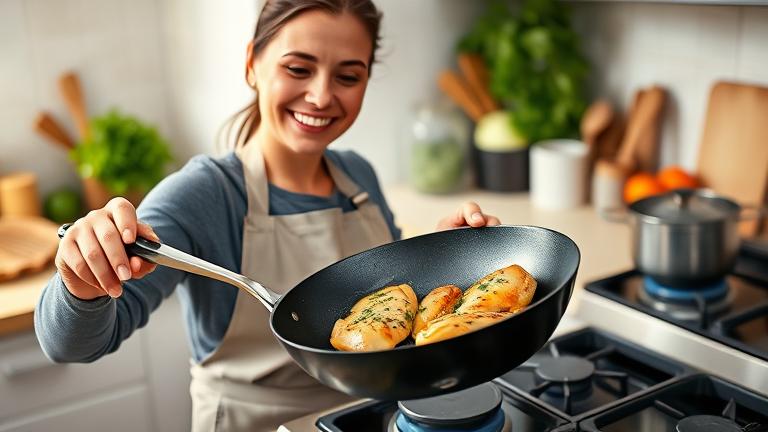
Can You Pan Fry Chicken Without Oil?
Many home cooks wonder if they can pan fry chicken without using oil. The idea of cooking a crispy, flavorful chicken skin or tender meat without added fats might seem challenging, but it is possible with the right techniques. Pan frying traditionally involves oil to prevent sticking and help develop a crispy crust, but there are options to cook chicken without oil while still achieving tasty results.
First, it’s important to understand why oil is often used. Oil creates a barrier between the hot pan and the food, preventing sticking and helping with browning. Without it, chicken may stick to the pan or cook unevenly. However, you can overcome this by choosing the right pan, preparing the chicken properly, and using alternative methods.
Using Non-Stick Pans
A good non-stick skillet is essential when pan frying without oil. These pans have surfaces specially designed to reduce sticking, so you can cook chicken with less or no fat. Before adding the chicken, ensure the pan is clean and heated properly. A medium heat works best—hot enough to cook the chicken but not so hot that it burns.
Preparing the Chicken
Pat the chicken dry with paper towels to remove excess moisture. Moisture can cause sticking and prevent browning. If you’re using skinless chicken, consider marinating it or adding spices for flavor, since you’re missing the oil’s flavor contribution.
Alternative Cooking Techniques
- Dry Searing: Place the chicken in the hot non-stick pan and cook without moving it initially. Let it develop a crust, then flip and cook the other side. This method works well for chicken breasts and thighs.
- Adding a Little Water or Broth: To prevent sticking, add a splash of water or chicken broth in the pan. Cover with a lid to trap steam, which helps cook the chicken evenly and keeps it moist.
- Using a Cooking Spray: If completely oil-free is not necessary, a quick spray of cooking oil can make a big difference. It uses less fat but still prevents sticking and aids browning rather than using full amounts of oil.
Considerations and Tips
- Keep the heat moderate to avoid burning the chicken or scorching the pan.
- Flip the chicken frequently if needed, especially if you notice sticking.
- Check for doneness with a meat thermometer—165°F (75°C) is the safe internal temperature for cooked chicken.
- For extra crispness, finishing the chicken quickly under a broiler can add crunch without extra oil.
While pan frying without oil can take some practice, it’s a healthy way to cook chicken. With the right pan, patience, and a few tricks, you can enjoy crispy, flavorful chicken without the added fats. Experiment with these methods to find what works best for your kitchen and taste preferences.
Tips for Perfect Pan-Fried Chicken
Pan-fried chicken is a delicious, crispy treat that’s perfect for a quick meal. The secret to making it juicy and well-cooked lies in choosing the right techniques and paying attention to details. With a few simple tips, you can learn how to achieve crispy, tender chicken every time.
Choose the Right Chicken and Prepare It Properly
Start with high-quality chicken pieces, such as thighs, breasts, or drumsticks, depending on your preference. Thighs and drumsticks tend to stay juicier because they contain more fat, while breasts are leaner and can dry out if cooked too long.
Before cooking, pat the chicken dry with paper towels. Removing excess moisture helps achieve crispiness. Season your chicken generously with salt, pepper, and any herbs or spices you like. For extra flavor, consider marinating or coating with a seasoned flour or breadcrumb mixture.
Use the Right Pan and Oil
A heavy skillet, like cast iron or stainless steel, is ideal for pan-frying because it distributes heat evenly. Choose an oil with a high smoke point, such as vegetable, canola, or peanut oil. These oils can handle high heat without burning.
Fill the pan with enough oil to cover the bottom about a quarter inch deep. This way, the chicken will fry evenly and develop that perfect crispy crust. Avoid crowding the pan; leave enough space so the chicken pieces do not touch. Overcrowding drops the temperature and can lead to soggy results.
Mind the Temperature and Timing
Temperature control is crucial for juicy, well-cooked chicken. Heat your oil over medium-high heat until it reaches about 350°F (175°C). If you don’t have a thermometer, test with a small piece of chicken; it should sizzle immediately when added.
Once the chicken is in the pan, cook it without moving it too much. Flip only once or twice to prevent breaking the coating. For evenly cooked chicken, cook thighs or drumsticks for about 8-10 minutes per side, and breasts for around 6-8 minutes per side. Adjust based on thickness, aiming for an internal temperature of 165°F (74°C).
Tips for Perfect Results
- Let the chicken rest for a few minutes after cooking. This helps juices redistribute and keeps the meat moist.
- Use a meat thermometer to check doneness instead of relying on sight or time alone.
- If the coating browns too quickly and the chicken is not cooked inside, lower the heat to finish cooking through without burning the outside.
- Avoid moving the chicken around too much during cooking. This helps develop a crisp crust and prevents tearing the coating.
- If you notice excess grease or splatters, keep a lid nearby to reduce splashing and a paper towel to blot excess oil if needed.
Practice makes perfect, so don’t be discouraged by initial setbacks. With these practical tips, your pan-fried chicken will come out crispy on the outside and juicy on the inside every time. Enjoy your delightful, homemade meal!
Healthy Chicken Recipes to Try
If you’re looking for delicious and nutritious ways to enjoy chicken, you’re in the right place. Chicken is a versatile protein that can be prepared in many healthy ways, whether you prefer it baked, grilled, sautéed, or even slow-cooked.
These healthy chicken recipes are low in fat, full of flavor, and easy to make at home. They are perfect for anyone wanting to eat healthier without sacrificing taste or variety. Let’s explore some tasty options that are both satisfying and good for you.
Grilled Lemon Herb Chicken
This simple recipe is perfect for a quick, healthy meal. It combines tender chicken breasts with fresh lemon juice and herbs for a bright, refreshing flavor. Grilling keeps the fat low and adds a smoky touch.
To make it, marinate chicken breasts in lemon juice, garlic, olive oil, and herbs like thyme or rosemary for at least 30 minutes. Then, grill on medium-high heat until fully cooked, about 6-7 minutes per side. Serve with steamed vegetables or a light salad for a well-rounded, nutritious meal.
Baked Chicken Thighs with Vegetables
Baking is a great way to cook chicken with minimal added fat. Combine skinless chicken thighs with colorful vegetables like bell peppers, zucchini, and cherry tomatoes. Season with herbs, garlic, and a little olive oil.
Arrange everything on a baking sheet and bake at 400°F (200°C) for about 25-30 minutes. This method keeps the chicken juicy and the veggies tender. It’s a one-pan dish that’s easy to prepare and clean up, making it perfect for busy weeknights.
Slow Cooker Chicken and Bean Chili
This hearty yet healthy chili is packed with lean chicken, beans, and vegetables. Using a slow cooker helps lock in flavors without needing extra oil or fat. It’s great for meal prep and feeding a family.
Combine shredded cooked chicken, black beans, diced tomatoes, onion, garlic, and spices like cumin and chili powder in the slow cooker. Cook on low for 6-8 hours. Serve with fresh cilantro or a dollop of Greek yogurt for added flavor and creaminess.
Stir-Fried Chicken with Broccoli
This quick stir-fry is both low in fat and high in nutrients. Use lean chicken breast strips and fresh broccoli for a colorful, crunchy dish. Keep the sauce light by using low-sodium soy sauce and a splash of sesame oil.
Cook the chicken in a non-stick pan or wok until browned, then add broccoli and cook until tender-crisp. Finish with garlic, ginger, and a bit of rice vinegar or lemon juice. Serve over brown rice or cauliflower rice for extra fiber.
- Tips for success: Always use skinless chicken to keep fat content low.
- Marinate chicken for better flavor and tenderness.
- Control portion sizes to avoid overeating.
- Include plenty of vegetables in every meal to boost fiber and nutrients.
With these healthy chicken recipes, you can enjoy flavorful meals that fit into a nutritious lifestyle. Whether you prefer grilling, baking, or stir-frying, there are endless ways to cook chicken healthily. Give them a try and add your own twist to make healthy eating both fun and satisfying!
Common Mistakes in Pan-Frying Chicken
Pan-frying chicken is a popular way to cook tender, flavorful meat quickly. However, many home cooks stumble into common mistakes that can turn a simple dish into a culinary disappointment. Knowing what these errors are and how to avoid them can help you get crispy, juicy chicken every time.
One of the biggest mistakes is using the wrong heat setting. Too high, and the outside burns before the inside cooks; too low, and the chicken becomes greasy and soggy. It’s best to start with medium heat, giving the chicken enough time to develop a golden crust without overcooking the exterior.
Another common error is not properly preparing the chicken before frying. Skipping steps like patting the pieces dry or seasoning evenly can lead to uneven cooking and bland flavor. Pat the chicken dry with paper towels to remove excess moisture, which helps achieve that desirable crispy surface. Season the chicken generously before cooking to evenly distribute flavor.
Using too much oil is another frequent mistake. Filling the pan with a lot of oil can cause splatters and uneven cooking. Use enough oil to coat the bottom of the pan lightly, about 1/4 to 1/2 inch deep. This creates a nice crust without excess splatter or greasiness.
It’s also important not to overcrowd the pan. Adding too many pieces at once causes the temperature to drop, resulting in soggy chicken rather than crispy. Cook in batches if necessary, giving each piece enough space. This ensures even cooking and helps develop that tempting crispy exterior.
Overcooking or undercooking can ruin your chicken. To avoid this, use a meat thermometer to check doneness. Chicken should reach an internal temperature of 165°F (74°C). When the juices run clear and the meat is firm, it’s ready to be removed from the pan.
Finally, many cooks forget to let the chicken rest after frying. Resting for a few minutes allows the juices to redistribute throughout the meat, keeping it moist and flavorful. Transfer the cooked chicken to a paper towel-lined plate to absorb any excess oil, then let it rest before serving.
- Tip: Keep an eye on the heat and adjust as needed to prevent burning or sogginess.
- Remember to dry and season the chicken well before frying for the best flavor and texture.
- Use a thermometer to ensure the chicken is cooked safely and thoroughly.
- Don’t forget to give the chicken a few minutes to rest for juicy results.
By avoiding these common mistakes and following simple tips, your pan-fried chicken can turn out crisp, tender, and wonderfully tasty. Practice makes perfect, so don’t be discouraged if your first few attempts aren’t flawless. Keep refining your technique, and soon you’ll be cooking chicken that everyone adores.
Best Alternatives to Oil for Frying
When it comes to pan-frying, oil is the traditional go-to for getting that crispy, golden-brown texture we love. But if you’re looking to cut back on oil or want to try different options, there are plenty of effective alternatives. These options can help you achieve a delicious fry without the excess fat, making your cooking healthier and just as tasty.
One of the simplest swaps is using cooking sprays. They are convenient, easy to measure, and create a thin, even coating that prevents sticking. Look for sprays labeled as “light” or “no-additive” if you want to avoid added chemicals. Just a few spritzes in your pan can provide enough slipperiness for frying or sautéing vegetables, chicken, or even tofu.
Non-stick cookware is another excellent alternative. With a good non-stick frying pan, you can cook many foods with very little or no oil at all. The non-stick surface means your food won’t stick and will turn out crispy without needing to drown everything in oil. Keep in mind that non-stick pans work best when heated gradually and cleaned gently to preserve their coating over time.
Sometimes, using natural binders can help improve texture without oil. For example, beaten eggs, mashed bananas, or even a little yogurt can act as a coating for foods like chicken or vegetables. These ingredients stick to the food and help create a nice crust when cooked. This method works especially well in baking or pan-frying dishes that benefit from a moist, crispy exterior.
Another popular alternative is using broth or water with a splash of vinegar or lemon juice. These liquids can add flavor and help prevent sticking while cooking. For stir-fries or shallow frying, adding a small amount of water or broth to the pan and frequently stirring can produce good results. Keep the heat moderate to prevent burning and stir often for even cooking.
For those interested in more natural or unconventional approaches, some cooks turn to foods like cornmeal or breadcrumbs. Dredging ingredients in these before pan-frying provides a crunchy exterior without oil. Simply coat your food lightly with flour or egg wash, then dip in cornmeal or bread crumbs, and cook in a hot, non-stick pan or with a spritz of cooking spray.
Tips for success include keeping your pan at the right temperature—medium heat usually works best. Overheating can cause sticking or burning, especially when using less fat. Also, avoid overcrowding the pan; too much food in one go can lower the temperature and lead to soggy results.
In summary, you don’t always need oil to get that satisfying crispy finish. With options like cooking sprays, non-stick cookware, natural binders, and broth-based liquids, you can enjoy healthier frying with excellent results. Experiment with these alternatives to find what best suits your tastes and cooking style.
How to Prevent Sticking When Frying
Frying chicken can be a delicious way to prepare a meal, but it can also be frustrating if the pieces stick to the pan. Luckily, with a few simple tricks, you can keep your chicken from sticking and get perfectly crispy, tender results every time.
One of the most important steps is to prepare your pan properly before adding the chicken. This helps create a non-stick surface and reduces the chances of sticking. Also, controlling the frying temperature and choosing the right cookware can make a big difference. Let’s explore some practical strategies to keep your chicken from sticking during frying.
1. Use the Right Pan and Surface
- Opt for a heavy-bottomed skillet or cast iron pan. These materials distribute heat evenly, which helps prevent hot spots that can cause sticking.
- Make sure your pan is clean and dry before cooking. Residues or moisture can cause sticking and uneven cooking.
- If you prefer, non-stick pans are also a good choice, especially for beginners. They require less oil and tend to prevent sticking more effectively.
2. Prepare your Chicken Properly
- Pat the chicken dry with paper towels. Excess moisture can create steam, which increases the risk of sticking and prevents the chicken from getting crispy.
- Season and coat the chicken evenly with flour, cornstarch, or breadcrumbs. This creates a barrier that helps prevent sticking and adds crispiness.
- Ensure the coating is not too thick, as it can flake off or cause uneven cooking.
3. Control the Oil Temperature
Maintaining the right oil temperature is crucial to prevent sticking. Too cold, and the chicken can stick to the pan; too hot, and it can burn or become greasy.
Use a thermometer to keep the oil around 350°F to 375°F (175°C to 190°C). When you add the chicken, it should sizzle immediately. If it doesn’t, the oil isn’t hot enough.
4. Add Chicken Carefully and Avoid Overcrowding
- Place the chicken gently into the hot oil to prevent splatters and sticking.
- Avoid overcrowding the pan. Too many pieces at once lowers the oil temperature and encourages sticking.
- Work in batches if needed, giving each piece space to cook evenly.
5. Use Proper Cooking Techniques
- Let the chicken cook undisturbed for a few minutes after adding it to the pan. Moving it too early can cause sticking and tear the coating.
- Use tongs or a slotted spoon to turn or remove the chicken once it develops a golden crust.
- If you notice sticking, gently lift the chicken with a spatula or tongs and slide it loose; avoid forcing it off.
6. Consider Non-Stick Surfaces or Add a Layer of Fats
- If sticking persists, try using a non-stick pan designed for frying, or lightly oil the surface before cooking.
- Adding a thin layer of oil or butter before adding chicken provides a barrier and enhances browning.
Bonus Tips to Keep in Mind
- Use fresh, high-quality oil. Old or low-quality oil can break down and cause sticking or unpleasant flavors.
- Avoid moving the chicken constantly. Let it form a crust before turning or removing.
- If sticking happens despite precautions, turn down the heat slightly and let the chicken release naturally.
By following these simple steps, you can prevent chicken from sticking when frying. With patience and attention to detail, you’ll achieve crispy, golden pieces that are cooked evenly and come out of the pan effortlessly. Happy frying!
Flavorful Marinades for Chicken
Marinating chicken is a fantastic way to add extra flavor and keep the meat juicy and tender. The right marinade can turn a simple chicken breast into a delicious and memorable meal. Whether you prefer tangy, spicy, or savory flavors, there’s a marinade for everyone. Today, we’ll explore some popular options and share tips to help you get the best results every time.
Basic Components of a Good Chicken Marinade
A good marinade includes three main elements: an acid, a fat, and seasonings. The acid, like lemon juice or vinegar, helps tenderize the meat. The fat, such as olive oil, keeps the chicken moist and adds richness. Finally, herbs, spices, and flavorings give your chicken its personality.
For best results, marinate chicken in the fridge for at least 30 minutes. For more intense flavor, you can leave it for up to 4 hours. Be careful not to marinate chicken too long in highly acidic mixtures, as it can break down the meat and make it mushy.
Popular Marinade Recipes
- Lemon Herb Marinade: Mix 1/4 cup olive oil, juice of 2 lemons, 3 minced garlic cloves, 2 teaspoons chopped fresh rosemary, salt, and pepper. Perfect for a fresh, bright flavor.
- Spicy BBQ Marinade: Combine 1/2 cup barbecue sauce, 2 tablespoons apple cider vinegar, 1 teaspoon smoked paprika, 1/2 teaspoon cayenne pepper, and a dash of garlic powder. Great for grilling.
- Honey Soy Marinade: Whisk together 1/4 cup soy sauce, 2 tablespoons honey, 1 tablespoon rice vinegar, 1 teaspoon grated ginger, and chopped scallions. Ideal for an Asian-inspired twist.
- Yogurt Tandoori Marinade: Mix 1 cup plain yogurt with 2 teaspoons garam masala, 1 teaspoon turmeric, 1 teaspoon cumin, and a pinch of chili powder. This marinade tenderizes and adds authentic flavor.
Techniques for Marinating Chicken
- Use a resealable bag or shallow dish: This ensures the marinade evenly coats the chicken. Turn the chicken occasionally so all sides get flavored.
- Don’t marinate too long: Especially with acidic marinades, 2-4 hours is enough. Longer can make the chicken mushy.
- Pat dry before cooking: Remove excess marinade with paper towels before cooking to prevent steaming and to get a nice sear.
- Cook safely: Always cook chicken to an internal temperature of 165°F (75°C). Use a meat thermometer for accuracy.
Tips for Flavorful Outcomes
- Use fresh herbs and spices for the best flavor. Dried can be used, but fresh makes a bigger impact.
- Experiment with different flavor combinations to find your favorite.
- If marinating for a longer time, store the chicken covered in the fridge to prevent contamination.
- Remember, marinade used for raw chicken should not be reused unless boiled first to destroy bacteria.