
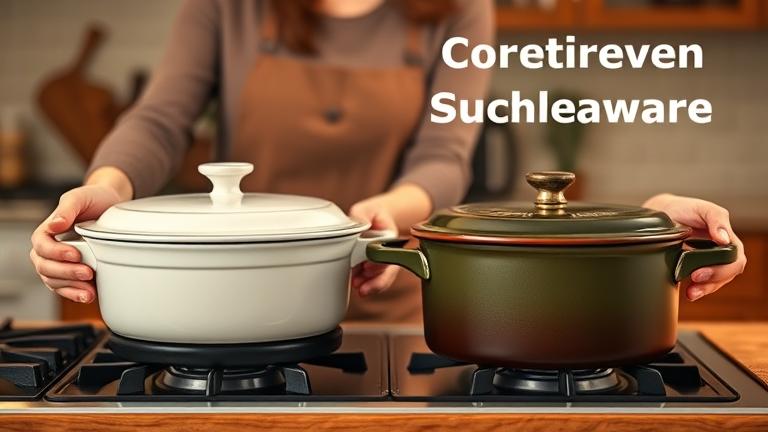
What is a Dutch Oven?
A Dutch oven is a versatile and sturdy piece of cookware that many home cooks rely on for a variety of dishes. Usually made of heavy cast iron, it features a thick, tight-fitting lid that helps lock in moisture and heat. This allows for slow braising, roasting, baking, and even simmering stews and soups.
One of the key features of a Dutch oven is its durability. Because it’s often cast iron, it can last for decades if cared for properly. Some Dutch ovens are enameled on the outside and inside, making them easier to clean and preventing rust. They come in various sizes, from small ones perfect for individual servings to large ones suitable for family meals or batch cooking.
People love a Dutch oven because it distributes heat evenly. This means your food cooks more uniformly and you get better results, especially for slow recipes that require gentle heat. Once heated, it retains warmth exceptionally well, making it great for serving straight from the oven to the table.
Typical uses for a Dutch oven include everything from hearty stews and roasts to bread baking and deep-frying. Its ability to go from stovetop to oven is a big plus, allowing for complex recipes that build flavors over time. Many chefs and home cooks use them for overnight braises, simmered casseroles, and even baking bread with a crusty exterior.
While classic Dutch ovens are made of cast iron, there are also modern options like ceramic-coated or enameled versions. These are often preferred for their ease of cleaning and resistance to rust. However, they tend to be a bit lighter and sometimes more delicate than traditional cast iron.
Understanding what a Dutch oven can do helps you appreciate its value in the kitchen. Its sturdy design and heat-retention qualities make it a reliable workhorse. It’s especially useful for recipes that require long cooking times or high moisture content.
- Use for braising meats, making stews, and baking bread
- Suitable for slow cooking and roasting
- Can transition from stovetop to oven easily
- Durable with proper care, often lasts for generations
If you’re considering alternatives to a Dutch oven, like CorningWare, understanding its features helps you compare what suits your cooking needs best. While CorningWare is lightweight and versatile, a Dutch oven’s strength lies in its ability to handle high heat and retain moisture, making it ideal for hearty, slow-cooked dishes.
Features of CorningWare
CorningWare is a well-loved kitchen essential known for its durability and versatility. It is made from a special type of glass-ceramic material called Pyroceram, which can withstand high temperatures and sudden temperature changes. This means it can go directly from the freezer to the oven without cracking or shattering.
One of the main features of CorningWare is its excellent heat resistance. It can handle oven temperatures up to around 450°F (232°C), making it perfect for baking casseroles, roasting vegetables, or even baking bread. Its ability to tolerate hot and cold conditions without damage is a big plus for busy home cooks. You can also use it in microwave ovens, adding convenience when reheating leftovers or cooking because it heats food evenly and quickly.
CorningWare’s non-porous surface means it doesn’t absorb food odors or stains. This quality makes it easy to clean, either by hand or in the dishwasher. Many CorningWare pieces are also microwave and freezer safe, which increases their versatility in meal prep, storage, and reheating.
Durability and Design
CorningWare is celebrated for its toughness. It’s resistant to scratches and chips, especially if cared for properly. While it’s generally durable, it’s still important to avoid sudden drops or impacts. Even so, many users find their CorningWare lasts for years without cracks or breaks, making it a cost-effective choice for everyday cooking.
The design of CorningWare varieties ranges from classic white with a simple finish to colorful patterns and shapes. Its aesthetic appeal allows you to serve directly from oven to table, impressing guests with its charming look. Plus, the lightweight nature compared to traditional ceramic or glassware makes it easier to handle when cooking or serving.
- Heat resistance: Up to 450°F (232°C) in oven.
- Microwave safe: Yes, for reheating and cooking.
- Dishwasher safe: Typically yes, simplifying cleanup.
- Freezer safe: Yes, great for storing leftovers.
- Material: Made from Pyroceram, a type of glass-ceramic that withstands temperature shifts.
Overall, CorningWare offers a practical and stylish solution for many kitchen tasks. Its unique combination of durability, heat resistance, and ease of use makes it a favorite for home cooks. Whether you’re baking a casserole, reheating a meal, or storing leftovers, CorningWare adapts to your needs with reliability and flair.
CorningWare vs. Dutch Oven: Key Differences
When choosing between CorningWare and a traditional Dutch oven, it helps to understand their main differences. Both are popular cookware options, but they are built for different types of cooking and situations. Knowing their construction, heat retention, and best uses can help you pick the right piece for your kitchen.
CorningWare is well-known for its lightweight, versatile glass-ceramic material. It is made from a special glass called Pyroceram that can go from the oven to the freezer without problem. Dutch ovens, on the other hand, are usually made of heavy cast iron or enameled cast iron. This makes them sturdy and great for slow cooking or braising.
Construction and Material
- CorningWare: Made of glass-ceramic. It’s smooth, lightweight, and resistant to thermal shock. This means it can handle quick temperature changes without cracking.
- Dutch Oven: Usually cast iron or enameled cast iron. Cast iron is extremely durable and retains heat well, while enamel-coated versions add an easy-to-clean, colorful surface. Both types are heavy but built to last a lifetime.
Heat Retention and Distribution
Because of its material, a Dutch oven tends to hold heat longer and distribute it evenly. This is perfect for recipes like stews, roasts, and baked bread that require steady, slow cooking. The weight of cast iron helps keep the temperature consistent, even when the heat source fluctuates.
CorningWare heats quickly and evenly, but it doesn’t retain heat for as long as a Dutch oven. It’s ideal for quick baking, casseroles, or reheating dishes. If you’re using the stove, CorningWare can handle it, but it performs best at moderate temperatures. Dutch ovens, especially cast iron ones, excel over longer cooking times and can sit directly over a campfire or on a stovetop for hours.
Suitability for Different Cooking Methods
- CorningWare: Great for baking, reheating, and quick stovetop cooking. It’s microwave-safe and can go from oven to table easily. Perfect if you love making casseroles, desserts, or need a portable dish.
- Dutch Oven: Best for slow roasting, baking bread, simmering stews, and outdoor cooking. Its ability to hold heat makes it ideal for recipes requiring low, consistent heat over an hour or more.
Safety and Durability
Both pieces are safe when used correctly, but there are some important tips. CorningWare can crack if heated too quickly or exposed to sudden temperature changes, which is rare but possible. Always preheat gradually and avoid dropping it on hard surfaces.
Cast iron Dutch ovens are nearly indestructible but can rust if not seasoned or cleaned properly. Enamel-coated ones are chip-prone if handled roughly. They need careful cleaning, especially avoiding metal scrubbers.
In summary, CorningWare and Dutch ovens serve different needs. CorningWare is lighter, versatile, and perfect for everyday cooking and entertaining. Dutch ovens are heavy-duty, ideal for slow-cooked meals and outdoor adventures. Choosing the right one depends on your cooking style and what dishes you love to prepare.
Can CorningWare Handle High Heat?
If you love using your Dutch oven, you may wonder if CorningWare can handle the high temperatures often needed for roasting, baking, or slow-cooking. CorningWare is a popular glass-ceramic cookware known for its durability and versatility. But how well does it stand up to heat, especially the high temperatures you might use in the oven?
The good news is that many types of CorningWare are designed to withstand high oven heat. Typically, CorningWare can handle temperatures up to 450 degrees Fahrenheit (around 232 degrees Celsius). This makes it suitable for most oven recipes, including casseroles, baked dishes, and roasting meats. However, it’s important to know the specific type of CorningWare you own, as some older or different varieties may have lower heat tolerances.
Most modern CorningWare products are made with a special glass-ceramic that can endure high heat without cracking or breaking. This material is specifically engineered to resist thermal shock, which means it can go from a hot oven to a cooler table or refrigerator without cracking. That’s a big advantage if you like to serve family-style meals directly from oven to table.
However, there are some precautions to keep in mind. Never place a hot CorningWare dish directly on a cold surface or into a cold water bath. Sudden temperature changes can cause the glass to crack. Also, avoid putting CorningWare directly on stovetops or open flames, as it’s not designed for direct heat from burners.
For high-heat cooking, always follow the manufacturer’s instructions. If your CorningWare has a label or packaging, check its maximum oven temperature. Many newer models are labeled as oven-safe up to 450 degrees F, but older versions may have lower limits. If in doubt, use a thermometer to check the internal temperature of the dish during cooking or stick to lower heat settings to keep your cookware in top shape.
Keep in mind that while CorningWare can handle high oven temperatures, it’s still a glass product. Excessive or uneven heating can cause stress on the material. For best results, heat your dish gradually when necessary, especially during initial oven preheating.
In summary, CorningWare generally handles high heat well when used within the recommended temperature limits. It’s a reliable choice for oven-cooked dishes and can safely go from oven to table. Just be sure to follow safety tips, avoid thermal shocks, and check your specific product’s guidelines to enjoy your cookware without worry!
Best Uses for CorningWare as a Dutch Oven
CorningWare is a versatile and popular choice for many home cooks, especially when you need a reliable substitute for a traditional Dutch oven. Its heat-retaining qualities, oven safety, and easy-to-clean surface make it an excellent option for a variety of recipes. Here are some practical tips and ideas on how to use CorningWare effectively as a Dutch oven in your kitchen.
First, CorningWare performs well in roasting and braising. You can use a covered dish to slow cook meats like pot roast or beef stew. The glass-ceramic material distributes heat evenly, helping your ingredients cook thoroughly without hot spots. Just make sure your CorningWare piece has a tight-fitting lid for moisture retention, which is essential for tender results.
Next, CorningWare is perfect for casserole-style baking. It can go from oven to table, making it ideal for baked pasta dishes, gratins, and lasagnas. Because it is oven-safe at high temperatures, you can prepare your dish in the morning, pop it in the oven, and enjoy a warm meal later. Always check the manufacturer’s instructions for maximum temperature limits to avoid any damage.
Another great use is for making bread or artisanal baked goods. Its even heat distribution supports consistent baking. Plus, CorningWare’s durable surface can handle some variations in oven heat, making it a reliable choice for baking crusty bread or frittatas. Be cautious with sudden temperature changes, as thermal shock could crack the material.
Tips for Using CorningWare as a Dutch Oven
- Preheat the oven gradually if you are going from cold to hot, to reduce the risk of cracking.
- Always use oven mitts when handling hot CorningWare, as it retains heat for a long time.
- Make sure the lid fits well to keep moisture inside, crucial for slow cooking and braising.
- Use wooden or silicone utensils to prevent scratching the surface.
- Avoid sudden temperature changes, such as placing hot CorningWare directly into cold water, to prevent cracks.
While CorningWare is quite durable, it is not designed for stovetop use, so avoid using it directly over burners. Instead, use it in the oven or microwave for reheating leftovers or cooking one-pot meals. It’s also excellent for serving directly at the table, thanks to its beautiful appearance.
In summary, CorningWare can be a handy and versatile substitute for a Dutch oven in many cooking scenarios. Its adaptability makes it perfect for roasting, baking, slow-cooking, and serving. Just follow these guidelines to ensure your CorningWare stays in great condition and performs well in your kitchen routines.
Safety Tips When Using CorningWare
CorningWare is a popular choice for many home cooks because it is versatile and durable. However, to keep your kitchen safe and your cookware in good shape, it’s important to follow some basic safety tips. Whether you’re baking, microwaving, or using CorningWare in unconventional ways, these guidelines can help prevent accidents and damage.
First, always check that your CorningWare is oven-safe before using it in a hot oven. Most pieces are designed to withstand high temperatures, but some vintage or unusual patterns may not be. When in doubt, look for the manufacturer’s marking or instructions on the bottom of the dish. Using non-oven safe pieces in the oven can cause cracking or even breaking.
Next, avoid rapid temperature changes. For example, don’t take a cold dish directly from the refrigerator and place it into a hot oven or microwave. This sudden change can cause the glass to crack. Instead, let the dish come to room temperature first. Similarly, don’t pour cold liquids into hot CorningWare, as the thermal shock could damage the material.
Be cautious with the use of CorningWare in the microwave. Although most mugs and dishes are microwave-safe, always double-check the bottom of the piece for safety markings. Remove any metal or metallic trim, as these can cause sparks and fires. When heating food, use microwave lids or microwave-safe covers to prevent splattering, and avoid overfilling to reduce the risk of spills and burns.
When handling hot CorningWare, use oven mitts or pot holders to protect your hands. The glass can become very hot during cooking or baking, and touching it directly may cause burns or accidents. Also, be careful when removing the dish from the oven or microwave to prevent drops or spills, especially if it’s heavy or filled with hot food.
If you want to use CorningWare for other purposes, like storing leftovers, ensure that the lid fits tightly. While many pieces have snap-on lids, some older or different patterns may not seal completely. Proper sealing prevents spills and keeps food fresh. When cleaning, avoid abrasive scrubbers that can scratch the surface. Instead, use soft sponges or cloths along with gentle dish soap.
Finally, store CorningWare carefully. Stack pieces with protective padding like paper towels between them to prevent scratches. Keep the cookware in a dry place away from sudden impacts or dropping hazards. When stacking, make sure that heavy items are at the bottom to avoid crushing or damaging delicate pieces.
- Always verify that your CorningWare is oven-safe before baking.
- Avoid sudden temperature changes to prevent cracking.
- Check for microwave safety before using in the microwave.
- Use oven mitts to handle hot dishes safely.
- Store and stack carefully to prevent damage.
By following these simple safety tips, you can enjoy the benefits of CorningWare while keeping yourself and your kitchen safe. Happy cooking and baking!
Final Verdict: Is It a Good Substitute?
After comparing CorningWare and a traditional Dutch oven, it’s clear that CorningWare can sometimes serve as a suitable substitute, but it depends on what you’re cooking. Both have their strengths and limitations, so understanding these will help you decide if CorningWare fits your kitchen needs.
CorningWare is known for its glass-ceramic material that heats evenly and is great for baking and serving. It’s lightweight and versatile, making it convenient for many everyday dishes. However, when it comes to high heat cooking like searing meats or deep braising, a classic cast iron Dutch oven might perform better because of its superior heat retention and durability.
If your recipes involve slow cooking at moderate temperatures, or if you need something that can go from oven to table with style, CorningWare can work well. For instance, it’s perfect for casseroles, baked pasta, and roasted vegetables. Plus, it’s safe for microwave use, which adds to its versatility. You can easily use it for reheating leftovers or for quick, in-microwave finishes.
On the other hand, for high-temperature searing or cooking on the stovetop, your Dutch oven shines. Its heavy lid seals in moisture beautifully and it withstands high temperatures, making it ideal for baking bread, making stews, or frying. It also performs better for slow-cooking methods that require consistent, even heat over a long period.
Safety and durability are also considerations. CorningWare is resistant to thermal shock, so you can often go from fridge to oven without worry. But it’s more delicate than cast iron—dropping it can cause cracks or chips. Dutch ovens, especially those made of cast iron, can handle rougher handling and last for decades with proper care.
Tips to keep in mind:
- If you mostly cook casseroles, baked dishes, or reheat meals, CorningWare is a reliable, attractive choice.
- If you cook stews, roasts, or need deep, high-heat frying, a Dutch oven is more dependable.
- Always follow manufacturer instructions to avoid thermal shock and damage.
- Consider your cooking style and what dishes you prepare most often to decide wisely.
In summary, CorningWare can replace a Dutch oven for many everyday dishes, especially in baking and reheating. But for high heat, slow-cooking, or roasting, a Dutch oven remains the gold standard. Understanding your cooking habits will help you determine if CorningWare can be a practical alternative in your kitchen.