
Can You Boil Vodka Safely? An In-Depth Look
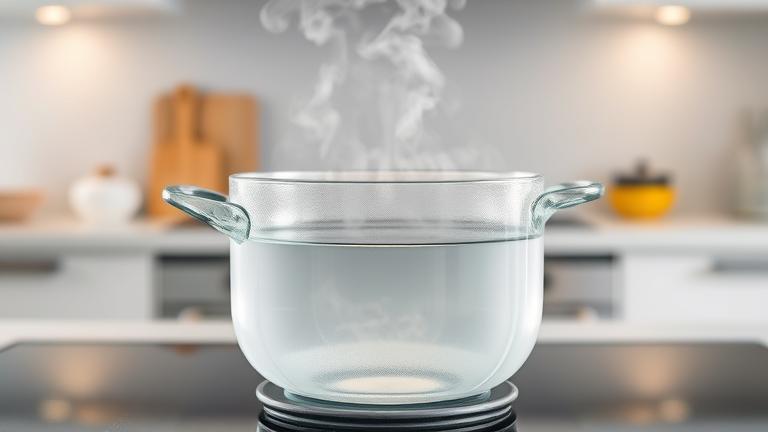
Boiling vodka is technically possible because of its alcohol content and boiling point. The boiling point of vodka is approximately 78.5°C (173.3°F), which is lower than water. Because of this, vodka begins to evaporate before reaching a full boiling state, making the process tricky and potentially dangerous.
When heated, the alcohol vapors produced are flammable, posing fire hazards if not handled correctly. Proper safety precautions are essential when attempting to boil vodka.
Conducting the process in a well-ventilated area away from open flames is critical. Using indirect heat sources, such as a double boiler, helps prevent splattering and uneven heating that could lead to accidents.
Fire safety measures, including having a fire extinguisher nearby and avoiding any sparks or ignition sources, must be observed because of vapors’ high flammability. Due to these safety risks, boiling vodka at home is generally discouraged. Even in professional settings, strict safety protocols are in place to prevent accidents.
In summary, attempting to boil vodka without proper precautions can result in dangerous situations. The evaporation process can quickly lead to fires or inhalation of harmful vapors.
Using Vodka in Cooking and its Culinary Benefits
Vodka is a versatile ingredient widely used in culinary arts to extract and enhance flavors. Its neutral profile makes it excellent for infusions, marinades, and sauce enhancement. In many dishes, vodka acts as a solvent, dissolving fats and flavor compounds that contribute to a richer taste. For example, adding vodka to sauces like Alfredo or tomato-based varieties can deepen the flavor profile, creating a more complex and harmonious dish.
In desserts, vodka helps heighten flavors without adding extra sweetness. It is an essential ingredient in classic desserts such as tiramisu and fruit liqueurs. The high alcohol content prevents water activity, which extends shelf life and preserves aroma. The infusion properties of vodka make it ideal for creating homemade liqueurs infused with herbs and fruits, adding lasting aroma and depth to culinary creations.
Overall, vodka’s role in cuisine goes beyond flavor enhancement. It enables chefs and home cooks to experiment with infusions and flavor extraction, elevating a broad range of dishes. Its ability to seamlessly blend flavors makes vodka a valuable tool for creative culinary arts, both professionally and at home.
The Science of Alcohol Evaporation During Cooking
The evaporation of alcohol during cooking is a crucial process that influences both the flavor and safety of dishes. When heated, alcohol begins to vaporize, allowing cooks to control how much remains in the final dish. This is particularly important in dishes like flambé or wine sauces where alcohol content influences safety and flavor.
Good ventilation is vital for managing these vapors safely. Range hoods, opening windows, and ensuring consistent airflow can significantly reduce the risk of buildup and fires. Understanding the temperatures at which alcohol evaporates helps cooks prevent accidents and attain the desired flavor profile. The safety tips include never leaving alcohol unattended while heated, keeping flames away from vapors, and having fire extinguishers readily accessible.
By following proper safety measures, one can enjoy creating spirited dishes safely. Adequate ventilation and cautious handling of alcohol during cooking minimize risks. These precautions help maintain a safe environment in the kitchen while still allowing the enjoyment of flavorful, alcohol-infused dishes.
How To Incorporate Vodka Effectively in Your Recipes
Using vodka in cooking requires attention to quality and timing. Starting with high-quality vodka ensures a clean, crisp flavor in your dishes. Add vodka during the simmering phase of sauces to extract flavors from herbs, spices, and other ingredients. As the dish simmers, most of the alcohol will evaporate, leaving a subtle depth of flavor that elevates the dish’s overall profile.
Gradually pouring in the vodka and cooking it off for a few minutes creates a balanced flavor. This process helps to harmonize the ingredients, improving texture and consistency. When making sauces like vodka sauce for pasta, the alcohol enhances emulsification, resulting in a smooth, cohesive sauce. Pair vodka with ingredients such as tomatoes, garlic, and fresh herbs for optimal flavor.
It is important to taste and adjust the seasoning after adding vodka to ensure it complements rather than overpowers. Proper infusion can add a silky texture and depth to your culinary creations. With these tips, you can confidently add vodka to a variety of recipes for a sophisticated touch and enhanced flavor experience.
Enhancing Dishes with Spirits and Responsible Usage
Incorporating spirits like vodka into your culinary repertoire can elevate flavors and add an extra layer of depth. Alcohol acts as a flavor enhancer by dissolving volatile aromatic compounds, intensifying overall taste. For instance, limited amounts of vodka added to tomato sauces or desserts can enhance the flavor profile without making the dish overly alcohol-forward.
Expert advice emphasizes cooking off the alcohol thoroughly to avoid a raw or harsh flavor. Quick simmering for a few minutes usually suffices to evaporate most of the alcohol. It is also crucial to measure spirits carefully and avoid using them around open flames to prevent fire hazards, especially in professional kitchens.
Spirits like vodka are versatile for deglazing pans, infusing marinades, or creating flavorful reductions that concentrate aromas. Responsible usage and moderation ensure safety and improve culinary results. Proper techniques help prevent overpowering dishes or risking safety hazards while achieving impressive flavor profiles.