
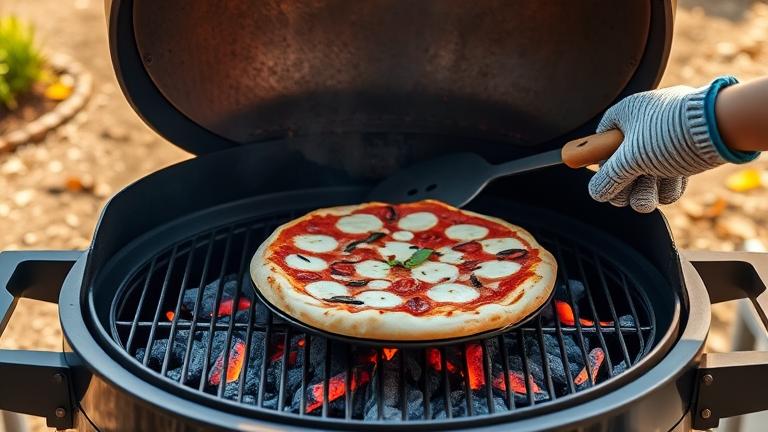
Is Grilled Pizza Possible?
Many home cooks wonder if making pizza on a charcoal grill is a good idea. The good news is, yes, grilled pizza is definitely possible. Grilling pizza can impart a delicious smoky flavor and produce a crispy crust similar to what you’d get from a traditional oven. It’s a fun way to cook outdoors and impress friends with a homemade dish. But there are a few things to consider before you start so your grilled pizza turns out perfect.
First, grilling pizza requires a bit of preparation. The key is to understand how the grill heats and how to control the temperature. Charcoal grills can reach very high temperatures, which is great because a hot surface helps create that nice, bubbly crust. It is important to keep the heat steady and not let it flare up too much. Too high, and your pizza might burn on the outside before the inside is cooked. Too low, and the crust may turn out soggy or undercooked.
Another thing to keep in mind is the type of pizza you want to make. Thin crust pizzas work best on a grill because they cook quickly and are easier to handle. Thick crust or deep-dish pizzas take longer and might not cook evenly without special equipment. Pre-cooking thick dough before adding toppings can help prevent sogginess and ensure it is cooked through by the time the toppings are golden and bubbly.
Before grilling, gather your tools: a sturdy pizza peel or large spatula, long-handled tongs, and a pizza stone or cast-iron skillet if you’re using one. These tools help you place the pizza on and off the grill safely and evenly. Lightly oil your dough or use a dusting of flour to prevent sticking when transferring it onto the grill.
Now, let’s walk through the basic steps to make grilled pizza:
- Preheat the grill. Get the charcoal going and allow it to reach high heat—around 450 to 500°F (230 to 260°C). If you have a thermometer, use it to monitor the temperature.
- Prepare your dough. Roll out the dough to an even thickness, about 1/4 inch. Keep it a bit thicker around the edges for a nice crust.
- Start grilling the crust first. Carefully slide the dough onto the hot grill. Grill for 2-3 minutes until grill marks appear, then flip using tongs or a spatula.
- Add toppings. Quickly transfer the partially cooked crust to a baking sheet or use a pizza peel. Spread sauce, cheese, and toppings evenly, then return it to the grill. Close the lid to help melt the cheese and cook the toppings thoroughly.
- Finish cooking. Grill for another 4-6 minutes, checking often. Look for bubbly cheese and crispy edges. Use a spatula or peel to remove the pizza when done.
Remember, every grill is different, so some experimentation may be needed to find the right timing and temperature. Keep a close eye during the first few tries, and don’t be discouraged if the first pizza isn’t perfect. Practice makes perfect, and soon you’ll be enjoying that smoky, crispy homemade grilled pizza right in your backyard.
- Tip: Use a grill-safe pizza stone for even heat distribution.
- Tip: Keep a spray bottle handy to control flare-ups caused by dripping toppings.
- Tip: Lightly oil your dough to prevent sticking and promote crispiness.
Best Techniques for Grilling Pizza
Grilling pizza on a charcoal grill can give you a crispy, smoky crust that’s hard to match with oven baking. The key is to understand some effective techniques that help you get evenly cooked and delicious results every time. Whether you’re a beginner or looking to refine your skills, these tips will help you master the art of grilling pizza.
Prepping Your Pizza and Grill
Start with a warm-up. Make sure your charcoal grill is heated well before you start. You want the coals to be evenly glowing red with a layer of white ash on top. This indicates the heat is stable and ready for cooking.
Prepare your pizza dough ahead of time. It should be at room temperature so it stretches easily without tearing. If you’re using toppings, keep them light and partial to avoid sogginess. Too many toppings or wet ingredients can make the crust soggy instead of crispy when grilling.
Creating a Two-Zone Fire
- Arrange the coals on one side of the grill to create a hot zone, and leave the other side cooler. This is called a two-zone setup.
- This setup allows you to quickly move the pizza from direct heat to indirect heat if it starts to burn or if you need to cook the toppings more slowly.
Using indirect heat helps prevent burning the crust while ensuring the inside and toppings cook thoroughly. It’s a simple trick that makes your grilled pizza turn out perfect.
Grilling the Pizza Step-by-Step
- Lightly oil the grill grates to prevent sticking. You can also brush the dough lightly with olive oil.
- Place the pizza dough directly over the hot zone. Cook for 2–3 minutes until the bottom gets a nice, golden color and grill marks appear.
- Using tongs or a big spatula, flip the dough to the cooler side of the grill.
- Quickly add your toppings—cheese, sauce, vegetables, meats—keeping in mind not to overload the pizza.
- If the toppings are thick or require more cooking, move the pizza to the indirect heat zone. Cover the grill if possible, to trap heat and help melt the cheese thoroughly.
- Check often to prevent burning. The pizza should cook for about 8–12 minutes total, depending on thickness and toppings.
Tips for Perfect Grilled Pizza
- Use a pizza peel or a flat, wide spatula to slide the pizza on and off the grill smoothly.
- For extra crispy crust, flip the dough a second time before adding toppings. This ensures even cooking.
- Reduce flare-ups by trimming excess fat from toppings like sausage or bacon.
- If you’re worried about sticking, brushing the dough lightly with oil or cornmeal can help.
Common Mistakes to Avoid
- Not preheating the grill long enough, which causes sticking or uneven cooking.
- Overloading toppings, leading to soggy crust.
- Cooking the pizza on high heat too long without moving to indirect heat, causing burnt crusts.
- Using a cold or uneven heat source; always aim for a steady, hot fire.
Tips for Perfect Grilled Pizza
Grilling pizza is a fun way to enjoy a crispy crust and smoky flavors right from your backyard. To make your grilled pizza truly exceptional, you’ll want to pay attention to a few key tips. These will help you master the art of pizza on the grill, ensuring a delicious outcome every time.
Start with the Right Dough
Using the right dough is crucial for a great grilled pizza. You can either buy pre-made dough or make your own at home. If you’re making it yourself, aim for a dough that is elastic and slightly sticky. Let it rise well before grilling, usually for 1-2 hours, so it develops enough strength to hold toppings and withstand the heat.
Rolling the dough to an even thickness, about ¼ inch, helps ensure the crust cooks uniformly. Keep in mind that thinner dough will get crisper, while a thicker crust offers a chewier bite. For extra flavor, you can add herbs or a little olive oil into the dough before rising.
Preheat Your Grill Properly
Temperature control is vital when grilling pizza. Preheat your grill to medium-high heat, ideally around 450-500°F (230-260°C). A hot grill gives the crust that beautiful char and even cooking. Make sure to clean the grill grates well and brush them lightly with oil to prevent sticking.
If you have a two-zone setup, with one side hotter than the other, you can start cooking the dough on the direct heat side for a few minutes, then move it to the cooler side to finish cooking with toppings.
Manage Cooking Time and Technique
The key to a perfect grilled pizza is quick cooking. Typically, it takes about 2-4 minutes per side. Use tongs or a pizza peel to flip the dough gently once you see bubbles and grill marks forming. Don’t walk away; watch closely to avoid burning.
Once flipped, add your toppings—sauce, cheese, vegetables, or meats—and close the lid if your grill has one. This helps heat distribute evenly and melts the cheese perfectly. Keep the lid down for another 2-4 minutes, until the cheese bubbles and the crust is golden brown.
Keep an Eye on the Heat
Cooking at too high a temperature can burn the crust before the toppings are cooked. Too low, and your pizza might turn out soggy or pale. Adjust your grill vents or burners to maintain an even temperature throughout the process. Using a grill thermometer can help you keep track of the heat accurately.
Additional Tips for Success
- Transfer the pizza onto a pizza peel or a baking sheet to move it easily on and off the grill.
- Apply a bit of olive oil to the dough before grilling to enhance browning and flavor.
- Use a cookie sheet or aluminum foil under the pizza if your grill is prone to sticking.
- Experiment with different toppings and cheeses for variety, but remember to keep toppings thin for even cooking.
With practice, these tips will help you achieve a crispy, flavorful grilled pizza that rivals your favorite pizzeria. Enjoy the process, get creative with your toppings, and have fun making your perfect grilled pizza!
Common Mistakes to Avoid
Grilling pizza on a charcoal grill can be a fun and delicious way to enjoy homemade pizza outdoors. However, there are some common mistakes that can prevent you from getting that perfect, crispy crust and evenly cooked toppings. Knowing what to watch out for can save you time and frustration, and help you achieve better results every time.
One frequent mistake is not preparing the grill properly. Before cooking, always ensure your charcoal has fully lit and is covered with a light ash coating. This indicates that the coals are hot enough for grilling. If the grill isn’t hot enough, your pizza can end up soggy or undercooked. Conversely, too much heat can burn the crust before the toppings are cooked through. Using a grill thermometer can help you maintain the right temperature, ideally around 450 to 500 degrees Fahrenheit for pizza.
Another common error is improper heat distribution. Charcoal grills often have hot spots, which can cause uneven cooking. To prevent this, set up a two-zone fire: pile the coals on one side of the grill for direct heat, and leave the other side cooler. This way, you can start the pizza on the hot side to crisp the crust, then move it to the cooler side if the toppings need more time or to prevent burning.
Many beginners omit the use of a pizza stone or a thick baking sheet. These tools help distribute heat evenly, resulting in a crisper crust. Without them, the bottom can burn or stay soggy. If you don’t have a stone, you can use an inverted heavy-duty baking sheet heated on the grill. Place the pizza directly on the preheated surface, and avoid moving it around too much to prevent sticking or breaking the crust.
Timing is also crucial. Opening the grill too often causes heat loss, which can make your pizza cook unevenly or cool down the grill’s temperature. Try to keep opening the lid to a minimum once the pizza is on the grill. Also, watch the pizza carefully during the last few minutes of cooking to avoid burning the toppings or crust. Many grill pizzas are done quickly, usually within 10 to 15 minutes, so stay close and check regularly.
Another mistake is overloading toppings. Heavy or multiple toppings can weigh down the crust or make the pizza soggy. Keep toppings moderate and use ingredients that cook quickly, like thinly sliced vegetables and shredded cheese. Pre-cook thicker ingredients like sausage or mushrooms to release excess moisture and ensure even cooking.
Lastly, it’s easy to forget about safety. Always handle hot tools and grates carefully and use long-handled utensils. Keep a fire extinguisher nearby just in case of flare-ups. Once done, let the pizza rest for a few minutes before slicing. This helps the cheese set and prevents toppings from sliding off.
- Prepare your grill and tools before you start.
- Maintain proper heat levels and use two-zone cooking for control.
- Use a pizza stone or heated baking sheet for even heat distribution.
- Limit opening the grill lid to keep the temperature steady.
- Don’t overload toppings, and pre-cook hearty ingredients.
By avoiding these common mistakes, you’ll be closer to mastering the art of grilling pizza on a charcoal grill. With practice, you’ll produce crispy, flavorful pies that rival your favorite pizza place.
Essential Tools and Equipment
Grilling pizza at home can be a fun and delicious experience, but having the right tools makes all the difference. The essential tools and accessories help you achieve that perfect, crispy crust and evenly melted cheese. Whether you’re a seasoned grill master or just starting out, investing in a few key items will boost your confidence and results.
Pizza Stone or Steel
A pizza stone or steel is the cornerstone of great grilled pizza. These tools absorb and distribute heat evenly, helping create that authentic, crispy crust. Pizza stones are made of ceramic or cordierite, and they work by mimicking brick oven effects. Steel, on the other hand, heats faster and is more durable, often producing a crisper base.
Place the stone or steel on the grill grates before preheating. Ensure it heats gradually to prevent cracking. Preheat it for at least 30 minutes on high heat so it’s hot enough to cook the pizza quickly and evenly.
Tip: Avoid moving the stone or steel too much during cooking to maintain temperature and prevent cracking. Always use a pizza peel or a flat, wide spatula to transfer your pizza onto and off the hot surface.
Pizza Peel
A pizza peel is a flat paddle that helps slide the pizza onto the hot stone or grill grates without disturbing the toppings. It’s especially useful if you’re working with a sticky dough or bulky toppings.
Opt for a peel with a wooden or metal surface. Wooden peels are gentler and can absorb excess flour, while metal ones are more durable and easier to slide under the pizza. Lightly dust the peel with flour or cornmeal to prevent sticking.
Using a peel gives you better control for positioning and removing the pizza after grilling.
Grill Tongs and Spatula
Good quality tongs and a sturdy spatula are essential for handling your pizza and moving it on the grill. Tongs with a locking mechanism provide a firm grip, making it easier to flip or adjust toppings. A wide spatula is useful for lifting and turning the pizza if needed.
Choose tools with heat-resistant handles to stay safe when working near high temperatures. Using these tools minimizes the risk of accidents and keeps your hands safe from hot surfaces and steam.
Grill Brush and Cleaning Tools
Keeping your grill grates clean improves heat transfer and prevents sticking. A sturdy grill brush with stiff bristles helps scrub off residue after each use.
Regular cleaning of the grates prevents buildup of debris and flavors that might interfere with the taste of your pizza. For deeper cleanup, you can also use a scraper or wire brush designed for grill maintenance.
Additional Accessories
- Oven mitts or heat-resistant gloves: Protect your hands when handling hot tools or adjusting the grill.
- Thermometer: Check your grill’s temperature accurately to ensure it’s hot enough for perfect pizza cooking, usually around 450 to 500°F (230 to 260°C).
Beyond these basics, you might want a good slicing knife or pizza cutter to serve your masterpiece smoothly. Remember, each tool helps you control the process better and enjoy the fun of grilling homemade pizza.
Flavor Variations and Toppings
Adding different toppings and flavor combinations can truly elevate your grilled pizza, making each one special and tailored to your taste. Whether you prefer classic favorites or adventurous blends, the right toppings can turn a simple pizza into a culinary masterpiece.
Start with the basics, then get creative. Fresh vegetables, proteins, cheeses, and herbs all work together to create unique flavors. Think about balancing textures too — crispy, gooey, and crunchy layers make every bite exciting.
Classic Topping Ideas
- Margherita style: Tomato sauce, fresh mozzarella, basil leaves, a drizzle of olive oil.
- Meat lovers: Pepperoni, cooked sausage, ham, or bacon add richness and savory flavors.
- Vegetarian: Bell peppers, red onions, mushrooms, black olives, and spinach create vibrant, healthy options.
Creative Topping Combinations
If you want to go beyond the basics, try some fun twists. Sweet elements like pineapple or caramelized onions add a surprise touch. Spicy peppers or a sprinkle of red pepper flakes bring some heat.
Cheese choices can also change the game. String cheese, goat cheese, blue cheese, or ricotta each offer a different flavor profile. Combining cheeses can create a rich, complex melt that makes your pizza stand out.
Flavor Enhancements
- Herbs and spices: Fresh basil, oregano, thyme, or crushed red pepper flakes boost aroma and flavor.
- Drizzles and oils: A balsamic glaze, garlic-infused olive oil, or a splash of hot honey can add sweet or tangy accents.
- Creative cheeses: Try a sprinkle of parmesan or a dash of feta for extra zest and depth.
Tips for Experimenting
- Start with small amounts of bold ingredients to avoid overwhelming the pizza’s base flavor.
- Balance flavors—pair sweet toppings with spicy or salty ones for exciting contrasts.
- Pre-cook hearty toppings like sausage or root vegetables before adding to the pizza to ensure they are tender and flavorful after grilling.
- Remember to spread toppings evenly, so every slice gets a little bit of everything.
- Try different cheese blends or finishing off with fresh herbs after grilling for maximum freshness and taste.
Common Mistakes to Avoid
- Overloading the pizza with too many toppings, which can make it soggy or difficult to cook evenly.
- Using wet or juicy ingredients without pre-draining, as excess moisture can cause loss of crispness.
- Adding delicate toppings too early in the grilling process, risking burnt or wilted ingredients.
By exploring these flavor variations and toppings, you can make each grilled pizza uniquely yours. Don’t be afraid to experiment — it’s the best way to discover new favorites and enhance your cooking skills. Happy grilling!
Frequently Asked Questions
Can I grill pizza on a charcoal grill?
Absolutely! Grilling pizza on a charcoal grill gives it a delicious smoky flavor that you can’t get from a conventional oven. The high heat from the charcoal helps create a crispy crust and bubbly toppings. It’s a fun and tasty way to enjoy homemade pizza outdoors.
What kind of pizza dough should I use?
You can use store-bought dough or make your own from scratch. For grilling, a slightly thicker crust works best because it holds up well to the direct heat. Look for dough that has some elasticity and doesn’t tear easily. If you’re new to making dough, pre-made pizza bases work just fine for quick grilling.
How do I prepare my charcoal grill for pizza?
Start by cleaning the grill grates to remove any leftover debris. Then, light your charcoal and arrange it for direct heat, aiming for a hot zone of about 450 to 500 degrees Fahrenheit. You can create heat zones by piling the coals on one side of the grill. Use a grill thermometer to monitor the temperature, ensuring it’s hot enough to crisp the crust without burning the toppings.
Should I use a pizza stone or a pan?
Using a pizza stone is highly recommended because it helps distribute heat evenly and creates a crispier crust. Before grilling, preheat the stone on the grill for at least 30 minutes. If you don’t have a stone, a heavy-duty cast-iron skillet or grilling directly on the grates can work, but be sure to oil them well to prevent sticking.
How do I prevent the pizza from burning?
To avoid burning your pizza, keep an eye on the heat and adjust the vents of your grill to control airflow. Use indirect heat if the toppings are cooking too fast—place the pizza away from the direct flames. Additionally, close the lid during cooking to help heat circulate evenly. Thin crusts cook faster, so watch closely after about 5-7 minutes.
How long does it take to cook pizza on a charcoal grill?
Generally, it takes about 8 to 15 minutes, depending on the thickness of your dough and the heat of the grill. Thin-crust pizzas can cook in as little as 5-7 minutes, while thicker crusts may need closer to 15 minutes. Check your pizza periodically to avoid overcooking or burning.
Any tips for achieving that perfect grill marks?
- Preheat your grill thoroughly to create a hot surface.
- Stretch your dough evenly to prevent thin spots that burn easily.
- Place the pizza directly on the hot pizza stone or grill grates.
- Cook with the lid closed to mimic an oven’s heat.
- After a few minutes, rotate the pizza or lift it slightly to check for grill marks.
Can I cook toppings beforehand?
Yes, especially if you’re using ingredients that take longer to cook, like chicken or sausage. Precooking toppings ensures they are fully cooked and prevents excess moisture from making the crust soggy. Add delicate ingredients like fresh herbs or vegetables towards the end of the cooking time to keep them fresh and flavorful.
What are some common mistakes to avoid?
- Not preheating the grill or pizza stone, resulting in uneven cooking.
- Using too much topping, which can cause sogginess and difficulty flipping.
- Cooking at too low a temperature, leading to a dough that remains soft or raw.
- Removing the pizza too early, before the cheese is bubbly and crust is crispy.