
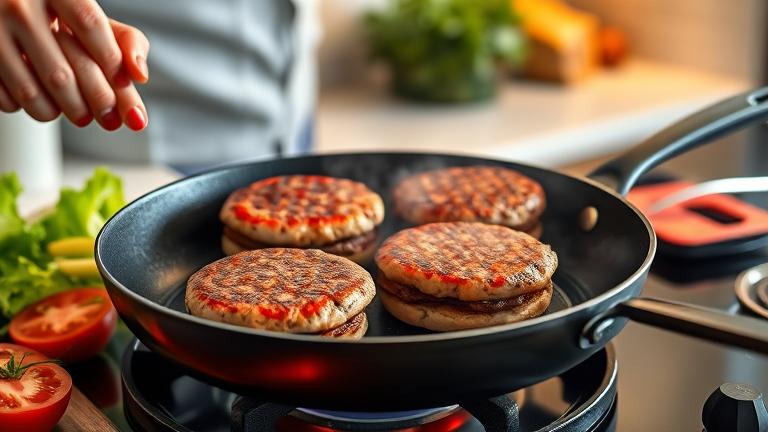
Is Frying Pan Perfect for Cooking Burgers?
If you’re wondering whether a frying pan is the right choice for making delicious burgers at home, you’re not alone. Many home cooks ask if their trusty skillet can handle burger patties perfectly. The good news is that a frying pan, especially a good-quality one, is actually a very popular and practical tool for cooking burgers. It offers a quick, easy, and effective way to get juicy, well-cooked burgers right on your stovetop.
Using a frying pan for burgers has several advantages. First, it heats up quickly and evenly, which helps cook the burger uniformly. Whether you prefer a gentle sear or a more intense crust, a frying pan can give you control over the temperature. This means you can cook your burger to your preferred level of doneness, from rare to well-done, without the need for outdoor equipment.
Another benefit is the convenience. With a skillet, there’s no need to fire up a grill or worry about weather conditions. You can cook your burger anytime, rain or shine, in the comfort of your kitchen. Plus, cleaning up afterward is typically simpler than cleaning a grill, especially if you use a non-stick or cast-iron skillet.
However, there are some limitations to keep in mind. A frying pan may not achieve the same smoky flavor or char that grilling provides. If you love that signature grill taste and grill marks, a pan might fall short. Also, bigger burgers or multiple patties can be tricky in small skillets, as overcrowding can cause steaming rather than searing.
Additionally, when cooking burgers in a pan, it’s important to use the right type of skillet. Cast iron pans are excellent because they hold high heat and develop a good sear, but they require proper seasoning and care. Non-stick pans are easier to manage and clean, but they may not develop the same crust as cast iron.
To make the most of your frying pan burger experience, here are some practical tips:
- Preheat your skillet well before adding the patties. This helps create a nice sear.
- Use a little oil or butter to prevent sticking and promote browning. Even if using a non-stick pan, a tiny bit of fat enhances flavor.
- Don’t press down on the patties while cooking. This squeezes out juices and can lead to a dry burger.
- Cook each side evenly and avoid overcrowding the pan to maintain temperature.
- Use a meat thermometer if you want to ensure your burger is cooked to a safe internal temperature.
In summary, a frying pan is a versatile and convenient tool for making tasty burgers at home. While it might not replace the smoky flavor of a grill, it allows for precise control and easy cleanup. Whether you’re in a hurry or just prefer cooking indoors, a good skillet can be your go-to for juicy, well-cooked burgers every time.
Best Techniques for Pan-Frying Burgers
Pan-frying burgers is a popular way to enjoy a juicy, flavorful burger right at home. The key is to use the right techniques to get a good sear and ensure the burger is cooked evenly. With a few simple tips, you can turn out delicious burgers that rival those from your favorite diner or restaurant.
First, start with quality ground beef. An 80/20 mix (that’s 80% meat and 20% fat) is ideal because it provides enough fat for flavor and juiciness. Shape your patties gently, making them slightly larger than your buns since they will shrink as they cook. Avoid pressing down on the patties while cooking, as this pushes out juices and can make the burger dry.
Preparing the Pan and the Burgers
- Use a heavy-bottomed skillet, like cast iron, for even heat distribution. This helps achieve a good sear.
- Preheat the pan over medium-high heat until it’s hot. You can test it by flicking a little water onto the surface—if it sizzles immediately, it’s ready.
- Lightly oil the pan with a high smoke point oil, such as vegetable or canola oil. You only need a thin layer to prevent sticking and assist with browning.
Cooking Technique
- Place the burger patties gently into the hot pan. Avoid overcrowding; cook in batches if necessary.
- Let the burgers cook without touching them for about 3-4 minutes. You will see the edges start to brown and juices may appear on the top.
- Flip the burgers carefully using a spatula. You want a deep, caramelized sear on each side, so avoid moving the patties around too much.
- Cook the second side for another 3-4 minutes for medium doneness. Use a meat thermometer if you like – the safe internal temperature for ground beef is 160°F (71°C).
- If you prefer your burgers more done, add a minute or two. For rare or medium-rare, cook less but remember that the USDA recommends fully cooking ground beef for safety reasons.
Finishing Touches
- For extra flavor, add a slice of cheese during the last minute of cooking. Cover the pan briefly to melt it evenly.
- Remove the burgers from the pan and let them rest for a few minutes before serving. Resting helps juices redistribute, keeping the burger moist.
Common Mistakes to Avoid
- P pressing down on the patties while cooking, which squeezes out juices.
- Using a cold or unheated pan, which causes the burgers to steam rather than sear.
- Overcrowding the pan, leading to uneven cooking and a loss of searing heat.
With these proven techniques, you’ll master the art of pan-frying burgers, achieving a perfect sear and even doneness every time. Remember, practice makes perfect, so don’t be discouraged if your first few attempts aren’t ideal. Soon, you’ll be making juicy, delicious burgers that everyone will love.
Tips for Making Perfect Burger Patties
Cooking a tasty burger starts with making the right patty. Whether you’re preparing a classic beef burger or experimenting with other meats or plant-based options, the way you shape and season your patties can make a big difference. Follow these simple tips to get burger patties that cook evenly and taste fantastic.
Choose the Right Meat and Ingredients
If you’re using beef, a ground meat with around 80% lean and 20% fat is ideal. The fat adds flavor and helps keep the burger juicy during cooking. You can also mix in ingredients like minced onions, grated cheese, or herbs for extra flavor. Keep your ingredients cold to prevent the meat from becoming sticky or overworked.
Shape Your Patties Properly
- Use your hands to gently form the meat into a ball, then flatten it into a patty that’s about 3/4 inch thick. Don’t press too hard; gentle handling helps keep the burger tender.
- Make a small dimple in the center of each patty with your thumb. This prevents the burger from puffing up or bulging in the middle as it cooks.
- Keep the edges a little thinner than the center to promote even cooking. Thick edges can stay raw while the center is done.
Season Generously and Season at the Right Time
Season your burger patties with salt and pepper just before cooking. Salt enhances flavor and helps create a tasty crust. For best results, avoid seasoning too early, as salt can draw out moisture and make the burger less juicy. Feel free to add other seasonings like garlic powder, paprika, or your favorite spices for extra flavor.
Adjust Thickness for Better Cooking
Thinner patties cook faster and are easier to handle, especially for beginners. However, thicker burgers stay juicy and have more flavor. Aim for about 3/4 inch thickness. If you prefer thinner patties, flatten them slightly more. Always remember, thicker burgers need a little more time on each side to cook through evenly.
Tips for Even Cooking and Juicy Burgers
- Do not press down on the patties with your spatula during cooking. This squeezes out the juices and results in a dry burger.
- Cook over medium-high heat for a nice char without burning the exterior. Adjust heat as needed to avoid flare-ups or uneven cooking.
- Flip the burger only once during cooking. Frequent flipping can prevent a good crust from forming.
Handling and Storage Tips
If you’re preparing burgers ahead of time, keep the patties covered and refrigerated until ready to cook. For the best flavor and safety, don’t leave raw burgers out at room temperature for more than an hour. When cooking leftovers, reheat them thoroughly or enjoy cold in a burger or salad.
With these simple but effective tips, you’ll be able to craft burger patties that cook evenly, stay juicy, and taste delicious. Practice makes perfect, so don’t be afraid to experiment with seasonings, thickness, and shaping until you find your ideal burger style!
Common Mistakes to Avoid When Frying Burgers
Frying burgers might seem simple, but a few common mistakes can turn your delicious meal into a disappointing one. Whether you’re new to cooking or just want to perfect your technique, knowing what to watch out for can save you time and ensure every burger turns out juicy and flavorful.
One frequent mistake is using ground beef that is too lean. Beef with very little fat can result in dry, tough burgers. Aim for ground beef with at least 15-20% fat content. The fat helps keep the burger juicy and adds flavor. If you’re using lean meat, consider adding a small amount of butter or oil to keep things moist.
Another common error is forming the burger patties too thick or too thin. Thick patties can result in a raw center while the outside burns. Thin patties tend to dry out quickly. A good rule is to make patties about 3/4 inch thick, which cooks evenly. Also, make a slight indent in the center of each patty; this helps prevent the burger from puffing up during frying.
Overcrowding the pan is a mistake that many home cooks make. When too many burgers are in the pan at once, the temperature drops, and the burgers end up steaming instead of frying. This can make them soggy or unevenly cooked. Fry in batches if needed, and give each burger enough space for heat to circulate.
Keeping the heat too high or too low can also cause issues. High heat might burn the outside before the inside is cooked, while low heat results in a greasy, undercooked burger. Medium-high heat is generally best for frying burgers. You want a sizzle when the burger hits the pan but avoid burning the meat.
- Using cold meat directly from the fridge can cause uneven cooking. Let the meat sit at room temperature for about 15 minutes before frying.
- Pressing down on the burger during frying might seem tempting to release juices, but it actually squeezes out flavorful fats, making the burger dry.
- Forgetting to flip the burger at the right time can lead to uneven doneness. Wait until you see juices pooling on the uncooked side or a nice crust forming before flipping.
Lastly, not seasoning the burger properly is a simple mistake that can be easily fixed. Season the meat generously with salt and pepper just before frying. Remember, the seasoning enhances the flavor, so don’t be shy with it.
By avoiding these common pitfalls, you’ll be well on your way to perfect, juicy, and flavorful fried burgers every time. Remember, practice makes perfect, and paying attention to these details can turn your burger fry into a delicious success.
How to Know When Burgers Are Fully Cooked
Cooking burgers to the right level of doneness is key to enjoying a safe and delicious meal. Whether you like them rare, medium, or well done, knowing how to tell when your burger is fully cooked helps prevent food safety issues and ensures juicy, flavorful results.
There are several ways to check if your burgers are done. Using a combination of visual cues, internal temperature, and other indicators will give you the best results.
Visual Cues
Start by looking at your burger’s exterior. The outside should be browned and slightly crispy, especially if you’ve grilled or pan-fried it. A well-seared crust often indicates that the burger has cooked enough on the outside.
However, visual cues alone can be misleading because burgers can look cooked on the outside but still be raw inside. Avoid judging doneness solely by color, especially if you’re cooking from frozen or very thick patties.
Internal Temperature Targets
The most accurate way to determine if your burger is cooked through is by checking its internal temperature with a meat thermometer. Insert the thermometer into the center of the burger, making sure it doesn’t touch the pan or grill surface.
Here are some general temperature guidelines based on your preferred doneness:
| Doneness Level | Internal Temperature | Description |
|---|---|---|
| Rare | 120°F to 125°F | Cool red center, soft texture |
| Medium Rare | 130°F to 135°F | Warm red center, slightly firmer |
| Medium | 140°F to 145°F | Pink center, moist and tender |
| Medium Well | 150°F to 155°F | Little pink, firmer texture |
| Well Done | 160°F and above | Brown throughout, firm texture |
The USDA recommends cooking ground beef to at least 160°F to ensure safety. Use a reliable digital meat thermometer for the most accurate readings. Avoid guessing or relying on visual cues alone, as undercooked ground beef can pose health risks.
Other Indicators
- Juices: When pressed, the burger should release clear juices, not red or pink. If juices are pink, the meat may still be undercooked.
- Texture: Properly cooked burgers should feel firm but not hard. If they are mushy or squishy, they may need more cooking time.
- Cooking Time: Although time can vary based on thickness and cooking method, a typical 1/2-inch thick burger takes about 3-4 minutes per side on a hot grill or pan for medium doneness.
Always use a meat thermometer for safety, especially with ground beef. Making sure your burgers reach the right temperature will give you peace of mind and a perfect, juicy burger every time.
Healthier Ways to Cook Burgers in a Pan
Cooking burgers in a pan is quick and convenient, but it can sometimes result in a meal that’s higher in fat and calories. Luckily, there are simple ways to make your burger dishes healthier without sacrificing flavor. By making some smart choices and adjustments, you can enjoy tasty burgers that are better for your health.
First, consider using leaner cuts of meat or plant-based proteins for your burger patties. Instead of traditional ground beef with higher fat content, choose options like ground turkey, chicken, or lean beef. You can also try veggie or bean-based patties which are naturally lower in fat and calories. These alternatives offer plenty of flavor and fiber while cutting down on unhealthy fats.
When it comes to cooking in a pan, using less oil is important. Instead of pouring oil into the pan generously, opt for a non-stick skillet or a well-seasoned cast-iron pan. These surfaces require less oil and still prevent sticking. If you do need a little oil, choose healthy ones like olive oil or avocado oil, and use just a teaspoon or so. You can also spray the pan lightly with cooking spray for even less fat.
To reduce fat further, drain any excess fat from the cooked burger by placing the cooked patty on paper towels for a moment. This simple step removes some of the grease, making the burger leaner. Avoid pressing down on the burger while cooking, as this pushes out juices and fat, making the burger both drier and greasier.
Another tip is to add plenty of vegetables to your burger. Lettuce, tomato, onions, peppers, and pickles add crunch and flavor without extra calories. You can also incorporate chopped vegetables or shredded lettuce directly into the patty mixture, which boosts nutrition and reduces the fat content per serving.
If you enjoy cheese, opt for reduced-fat or part-skim versions. Using just a small slice can add flavor without adding too many extra calories or saturated fat. Additionally, consider serving your burger on a whole grain bun or lettuce wrap instead of white bread to increase fiber and make the meal more wholesome.
Finally, practice portion control by making smaller patties. This helps you enjoy burgers without overeating and keeps the calorie count in check. Cooking your burger just until it’s fully cooked and browned on the outside also ensures it remains juicy but not greasy.
- Use lean meats like turkey, chicken, or plant-based alternatives.
- Limit the amount of oil or choose a non-stick pan.
- Drain excess fat after cooking.
- Add lots of vegetables to boost nutrition.
- Choose lower-fat cheese and whole grain buns.
- Make smaller patties for better portion control.
With these simple modifications, you can enjoy delicious pan-cooked burgers that are much healthier. Little changes like these add up over time and help you maintain a balanced, tasty diet.
Easy Pan-Cooked Burger Recipes You Can Try
Cooking burgers in a pan is a quick and tasty way to enjoy a homemade meal. Whether you prefer classic beef, chicken, or veggie options, there are plenty of simple recipes to try that require minimal equipment and time. In this section, you’ll find easy-to-follow ideas and step-by-step instructions to help you create delicious burgers right on your stovetop.
Classic Beef Pan-Cooked Burger
This is the traditional burger recipe that everyone loves. Using ground beef with a bit of fat ensures juicy, flavorful patties. Start with high-quality beef, ideally 80% lean for the best balance of flavor and moisture.
- Form your beef into patties about ¾ inch thick. Make a small indentation in the center of each to prevent puffing up while cooking.
- Season both sides generously with salt and pepper. You can add garlic powder or onion powder for extra flavor.
- Heat a tablespoon of oil or butter in a skillet over medium-high heat. When hot, add the patties.
- Cook for about 4-5 minutes on each side for medium doneness. Adjust time for your preferred level of doneness.
- Rest the burgers for a couple of minutes before serving. Toast burger buns if desired, and assemble with your favorite toppings.
Tip: Don’t press down on the patties while cooking as this squeezes out the juices. Keep them juicy and flavorful!
Chicken Burgers in the Pan
If you’re looking for a lighter alternative, chicken burgers are a great choice. Use ground chicken or finely chopped chicken breast for tender patties.
- Mix ground chicken with chopped onions, garlic, herbs, and a pinch of salt and pepper.
- Shape into burger-sized patties and refrigerate for about 15 minutes to help them hold their shape during cooking.
- Cook in a lightly oiled skillet over medium heat for about 5-6 minutes per side, until fully cooked through. Use a meat thermometer to ensure it reaches 165°F (74°C).
- Serve with fresh toppings and your choice of sauce or cheese.
Tip: Be careful not to overcook chicken to keep it moist and tender. A gentle press with a spatula can help check doneness without breaking the burger apart.
Vegetarian Pan-Cooked Burger
For a meatless option, try veggie or bean-based burgers. They cook just as easily in a skillet and are packed with flavor and fiber.
- Combine mashed beans (like black beans or chickpeas), chopped vegetables, oats, and spices in a bowl.
- Form into compact patties. If the mixture feels too loose, add a bit of flour or breadcrumbs to help it hold together.
- Cook on medium heat with a little oil, about 4-5 minutes per side until golden brown.
- Serve with toppings like avocado, tomato, lettuce, or cheese for a tasty veggie burger.
Tip: Use a non-stick skillet for easier flipping, and avoid overcrowding the pan for even cooking.
Additional Tips for Perfect Pan Burgers
- Always preheat your skillet before adding the burgers. A hot pan ensures a good sear and prevents sticking.
- If you’re making multiple burgers, work in batches to avoid overcrowding, which can lower the pan temperature and lead to steamed rather than fried patties.
- Use a leaner meat if you’re watching your fat intake, but keep in mind that adding a small amount of fat helps tender and juicy burgers.
- Finish your burger with fresh toppings and condiments that balance the richness of the meat or veggie base.
With these simple recipes and tips, you can enjoy flavorful, homemade burgers from your stove in no time. Feel free to customize ingredients and toppings to make each burger your own!