
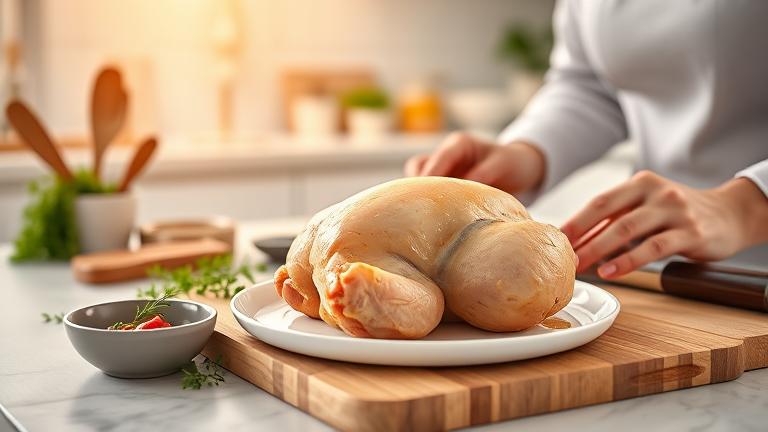
Benefits of Cooking Chicken Ahead
Cooking chicken ahead of time can be a real game-changer for home cooks. It offers a variety of advantages that make meal planning easier and save you effort during busy days. Whether you’re preparing for a week’s worth of lunches or just want to streamline dinner, cooked chicken ahead provides many benefits.
One of the main reasons to cook chicken in advance is the time-saving factor. Instead of cooking chicken each day, you can prepare a bulk batch once and store it for several meals. This means you spend less time in the kitchen on busy weekdays and can focus more on enjoying your food rather than cooking from scratch every time. It’s a simple way to make your weekly meal prep more efficient.
Another important benefit is food safety. Properly cooked and stored chicken reduces the risk of foodborne illnesses. When you cook chicken ahead, you’re in control of the temperature and handling, ensuring it reaches the safe internal temperature of 165°F (75°C). Once cooled and stored properly, cooked chicken remains safe to eat for a few days, giving you peace of mind. Just remember to refrigerate or freeze it promptly and reheat it thoroughly when you’re ready to eat.
Having cooked chicken ready also helps with portion control and reduces waste. You can divide it into smaller servings, making it easier to customize portion sizes for different meals or dietary needs. Plus, leftover cooked chicken can be turned into various dishes like salads, tacos, or soups, giving you versatile meal options.
Cooking chicken ahead is especially useful for busy families or anyone tight on time. It means less last-minute stress when pulling together meals. For example, you can prepare a batch of grilled or baked chicken on the weekend, then use it for salads or wraps during the week. This prep work turns what might feel like a chore into a simple, quick assembly.
- Ensure you cook chicken thoroughly to the right temperature.
- Cool it quickly after cooking to prevent bacteria growth.
- Store cooked chicken in airtight containers in the fridge or freezer.
- Label stored chicken with date to keep track of freshness.
By cooking chicken ahead, you’re creating a flexible ingredient that can be used in multiple meals. It also provides a safety net for busy days, so you always have something nutritious ready to go. Whether you’re planning your weekly menu or just want to save some time, preparing chicken in advance is a simple step that offers many practical benefits.
How to Store Cooked Chicken Safely
Storing cooked chicken properly is important to keep it fresh and prevent foodborne illnesses. Knowing the best ways to store your leftovers can make a big difference in safety and taste. Whether you’ve roasted a whole chicken or made chicken salad, follow these simple tips to store cooked chicken safely.
First, always cool your cooked chicken quickly after cooking. Leaving it out at room temperature for too long can encourage bacteria growth. Ideally, place the chicken in shallow containers to help it cool faster. Once cooled, it’s time to pack it for storage.
Choosing the Right Container
- Airtight Containers: Use containers with tight-fitting lids to prevent air from entering. This helps keep the chicken moist and safe from contamination.
- Glass or Plastic: Both work well. Glass containers are easy to clean and won’t stain or hold odors. Plastic containers are lightweight and convenient.
- Wraps and Foil: If you don’t have containers, wrap cooked chicken tightly with aluminum foil or plastic wrap. Make sure it’s sealed well to prevent exposure to air and other odors in the fridge.
Storage Duration and Placement
Cooked chicken should be stored in the refrigerator within two hours of cooking. Bacteria multiply rapidly between 40°F and 140°F, so prompt refrigeration is key.
| Storage Method | Maximum Duration |
|---|---|
| Refrigerator (below 40°F) | 3 to 4 days |
| Freezer (0°F or below) | Up to 4 months |
Place the chicken on the middle or lower shelves of the fridge to keep the temperature stable. Keep cooked chicken away from raw meats or other raw foods to avoid cross-contamination.
Tips for Safe Storage
- Label your containers with the date so you know how long you’ve had the leftovers.
- Do not store cooked chicken at room temperature for more than two hours.
- If you plan to keep the chicken for more than a few days, freezing is your best option.
- Reheat leftovers to an internal temperature of 165°F before eating to ensure safety.
By following these simple storage techniques, you can enjoy your cooked chicken later without worry. Proper storage not only keeps your food safe but also preserves its flavor and texture for your next delicious meal.
Best Reheating Techniques for Chicken
Reheating cooked chicken can be tricky if you want to keep it flavorful, juicy, and safe to eat. Whether you have leftover roasted chicken, grilled pieces, or fried tenders, choosing the right method makes a big difference. Here are some friendly tips and techniques to help you reheat chicken perfectly every time.
Reheating in the Oven
Reheating chicken in the oven is ideal for keeping it moist and crisp, especially if you’re working with larger pieces like breasts, thighs, or a whole bird. The oven provides even heat and helps maintain the texture.
Start by preheating your oven to 350°F (175°C). Place the chicken on a baking sheet or an oven-safe dish. To prevent it from drying out, add a splash of chicken broth or water around the meat. Cover the dish loosely with foil. This traps moisture and keeps the chicken tender.
Heat for about 15-20 minutes or until the internal temperature reaches 165°F (74°C). Use a meat thermometer to check for safety. If the chicken is sliced, it may need less time, around 10-15 minutes. For crispy skin, remove the foil during the last few minutes of reheating. Always verify the chicken is steaming hot all the way through before serving.
Reheating in the Microwave
The microwave is quick and convenient, especially when you’re in a hurry. But it can sometimes make chicken rubbery or dry if not done carefully.
Place the chicken pieces on a microwave-safe plate. Cover them with a microwave-safe lid or damp paper towel. This helps trap moisture and prevents the chicken from drying out. Reheat on medium power (50-70%) for 1-2 minutes, then check for doneness.
If the chicken isn’t hot enough, continue reheating in 30-second bursts. Turn the pieces halfway through to promote even heating. Remember, microwave heat can vary based on wattage. Always verify that the internal temperature hits at least 165°F (74°C) before eating. Quick reheats are perfect for small portions or leftovers like shredded chicken used in salads or wraps.
Reheating on the Skillet
Using a skillet is a great way to reheat chicken if you want to keep it crispy or slightly browned. This method works well for fried chicken, cutlets, or even grilled pieces.
Heat a little oil or butter in the skillet over medium heat. Add the chicken pieces and cover with a lid or foil. Turn the chicken occasionally to heat evenly. This method usually takes about 5-7 minutes depending on the size of the pieces.
For extra flavor, sprinkle some herbs or spices before reheating. Keep an eye on the chicken to prevent burning. When the chicken is steaming hot and reaches an internal temperature of 165°F (74°C), it’s ready to serve. This method helps restore some of the original texture, especially for fried crispy chicken.
Helpful Tips for Reheating Chicken
- Always reheat to an internal temperature of 165°F (74°C) to ensure safety.
- Reheat chicken quickly but avoid overheating to prevent dryness.
- Adding moisture like broth, water, or a sauce can help keep chicken juicy.
- If reheating in the microwave, check frequently and stir or turn pieces to promote even heating.
- Use the oven for large portions or when you want to preserve crispiness.
Reheating chicken doesn’t have to be complicated. With these friendly tips and methods, you can enjoy leftovers that taste just as good as when they were first made.
Flavor Ideas for Pre-Cooked Chicken
Pre-cooked chicken is super convenient, but sometimes it needs a little extra flavor to make your meals exciting. Fortunately, there are plenty of simple ways to enhance its taste using marinades, sauces, and seasoning blends. These ideas can turn plain chicken into a delicious centerpiece for salads, wraps, pasta, or rice bowls.
Using Marinades to Boost Flavor
Marinades are a quick way to add moisture and rich flavor to pre-cooked chicken. Even if the chicken is already cooked, marinating briefly can infuse new taste. For best results, plan to marinate for at least 30 minutes, but even 15 minutes can make a difference.
- Basic Lemony Herb Marinade: Mix lemon juice, olive oil, garlic, thyme, and a pinch of salt and pepper. Toss the chicken in this mixture and let it sit.
- Spicy Taco Marinade: Combine lime juice, chili powder, cumin, garlic powder, and a dash of hot sauce. Marinate the chicken for a zesty kick.
- Asian-Inspired Marinade: Use soy sauce, sesame oil, ginger, and a little honey. This will give your chicken a sweet and savory flavor.
Tip: Always refrigerate while marinating and discard any leftover marinade that has touched raw chicken to stay safe.
Sauces to Add Deliciousness
Sauces are an easy way to add moisture and flavor without much effort. Simply heat the sauce and pour over the chicken. Here are some tasty options:
- Barbecue Sauce: Great for a smoky, sweet flavor. Brush it on and heat the chicken in the oven or microwave for added richness.
- Buffalo Sauce: Perfect if you like spicy food. Mix hot sauce with melted butter for a classic buffalo flavor.
- Honey Mustard: Mix Dijon mustard, honey, and a little vinegar for a tangy, sweet sauce.
Tip: Use these sauces for chicken salads, tacos, or even as dipping sauces for a quick snack.
Seasoning Blends and Spices
If you prefer dry flavorings, seasoning blends and spices can be sprinkled right onto the chicken for a quick flavor boost. Here are some ideas:
- Italian Seasoning: Combine oregano, basil, thyme, and garlic powder for a Mediterranean touch.
- Curry Powder: Adds warmth and depth. Mix with a little yogurt or mayonnaise for a flavorful spread.
- Chili Powder and Cumin: Create a southwestern flavor perfect for tacos, salads, or wraps.
Tip: Feel free to experiment with spices you have in your pantry. Remember, a little goes a long way.
Practical Tips for Flavoring Pre-Cooked Chicken
- Always taste test after adding new sauces or seasonings to ensure you like the flavor.
- Using fresh herbs like cilantro, parsley, or basil can brighten up any dish topped with flavored chicken.
- Combine different methods: marinate your chicken then add a sauce or sprinkle some spices for layers of flavor.
With a few simple ingredients, you can turn plain pre-cooked chicken into a flavorful meal every time. Have fun experimenting with these ideas and find your favorite combinations!
Common Mistakes When Preparing Chicken
Preparing chicken might seem simple, but there are some common mistakes that can affect both safety and taste. Whether you’re cooking chicken for the first time or trying to perfect your favorite recipe, avoiding these pitfalls can make a big difference. Let’s go over what to watch out for so you can enjoy juicy, flavorful, and safe chicken every time.
One of the most important things to remember when handling chicken is to keep it separate from other foods. Raw chicken can carry bacteria like Salmonella and Campylobacter. If you accidentally cross-contaminate, it could lead to foodborne illness. Always use separate cutting boards, knives, and plates for raw chicken and other ingredients. After working with raw chicken, wash your hands thoroughly with soap and hot water for at least 20 seconds.
Many home cooks rush the cooking process or limit the use of a thermometer to check doneness. This can result in undercooked chicken that’s unsafe to eat. The best way to ensure your chicken is fully cooked is to use a meat thermometer. Chicken should reach an internal temperature of 165°F (75°C). Insert the thermometer into the thickest part of the meat without touching bone, and wait for the reading before serving.
Another common error is not marinating chicken properly or for too long. A marinade can add flavor and tenderize the meat, but if left in a marinade for too long, especially with acidic ingredients like lemon or vinegar, it can become mushy. Marinate chicken in the refrigerator for no more than 2-4 hours, or longer if your marinade is oil-based and less acidic. Always marinate in a sealed container or a resealable bag to avoid leaks and cross-contamination.
Incorrect storage is a frequent mistake which can spoil chicken or cause food poisoning. Raw chicken should be stored in the coldest part of your refrigerator, ideally below 40°F (4°C). Keep it in a leak-proof container or tightly wrapped to prevent juices from contaminating other foods. Use or freeze raw chicken within 1-2 days of purchase. Cooked chicken can last up to 3-4 days stored in an airtight container. When freezing, wrap the chicken tightly to prevent freezer burn and label it with the date. Proper storage not only keeps chicken safe but also maintains optimal flavor and texture.
Overcooking or under-seasoning is another mistake that can ruin the overall taste. Chicken tends to dry out if cooked too long, especially breasts. To prevent this, remove it from heat as soon as it reaches the safe temperature and let it rest for a few minutes. On the other hand, don’t be shy with seasoning. Use salt, herbs, and spices generously, but taste as you go to avoid oversalting. A balanced seasoning enhances the natural flavor of the chicken without overpowering it.
Finally, rushing the thawing process can be harmful. Never thaw chicken at room temperature on the counter, as this allows bacteria to multiply rapidly. Instead, thaw chicken safely in the refrigerator, in cold water (sealed in a bag), or using the microwave’s defrost setting. These methods keep the chicken at a safe temperature and help prevent food poisoning.
By avoiding these common mistakes—such as cross-contamination, improper cooking temperatures, poor storage, and incorrect thawing—you’ll be well on your way to preparing delicious, safe, and perfectly cooked chicken every time. Happy cooking!
How Early Can You Cook Chicken?
Cooking chicken in advance is a great way to save time during busy days or to meal prep for the week. But how early can you cook chicken without compromising its freshness and safety? The answer depends on how you plan to store it and the type of meal you’re preparing.
Generally, cooked chicken can be prepared ahead of time and stored safely for several days. Properly cooked and stored chicken can stay fresh in the refrigerator for up to 3 to 4 days. If you want to make meals further in advance, you can also freeze cooked chicken for up to 2 to 6 months, depending on the type of chicken and packaging.
Planning Your Cooking Schedule
Here are some practical tips for planning your chicken cooking schedule to fit different meal plans:
- Same-day meals: If you’re cooking chicken for dinner or lunch on the same day, you can prepare it a few hours in advance. Let it cool slightly before serving or storing.
- Meal prepping for the week: Cook large batches of chicken on a designated day, such as Sunday afternoon. Once cooled, divide it into portions and store in airtight containers. This can help streamline busy weekdays.
- Special event or party: Prepare chicken in advance, even a day or two ahead, then reheat properly before serving. Just ensure you cool it quickly after cooking and store it properly.
Timing Tips and Safety
Always make sure to cool the chicken properly before storing. Hot chicken should not be left out at room temperature for more than two hours. After cooking, let the chicken cool for about 20-30 minutes at room temperature, then refrigerate or freeze.
If you’re reheating cooked chicken, heat it to an internal temperature of 165°F (75°C) to kill any bacteria. Use a food thermometer to check; this will help ensure it’s safe to eat.
Best Practices for Making Ahead
To keep your cooked chicken tasting fresh and safe, here are a few pointers:
- Use airtight containers or wrap the chicken tightly in aluminum foil or plastic wrap.
- Label containers with the date cooked to track how long it has been stored.
- If freezing, consider portioning the chicken to make reheating easier.
By following these tips, you can confidently prepare chicken ahead of time, whether for the same day or several days later. Just remember the basics of safe storage and reheating to enjoy your chicken safely and deliciously!
FAQs About Cooking Chicken in Advance
Deciding to cook chicken ahead of time can save you stress during busy days. Whether you’re preparing for a big family meal or just want leftovers ready to go, it’s important to do it safely and correctly. Here are some common questions about cooking chicken in advance, along with helpful answers.
Can I cook chicken ahead of time and keep it safe to eat?
Yes, you can cook chicken in advance and enjoy it later. The key is to store it properly to prevent bacterial growth. After cooking, let the chicken cool down quickly. Place it in an airtight container or wrap it tightly with plastic wrap or foil. Store it in the refrigerator within two hours of cooking. Proper storage helps keep the chicken safe and delicious for up to three to four days.
How should I store cooked chicken to keep it fresh?
Cooked chicken should be kept in the fridge at or below 40°F (4°C). Use airtight containers or resealable bags to prevent moisture loss and protect against other odors. If you plan to keep it longer than three to four days, you can freeze the chicken. For freezing, wrap it tightly with plastic wrap or foil, then place it in a freezer-safe bag or container. Label it with the date to keep track of storage time.
What is the best way to reheat cooked chicken?
Reheat cooked chicken thoroughly to at least 165°F (74°C). The best methods include using the oven, microwave, or stovetop. For oven reheating, place the chicken in a baking dish, cover with foil, and heat at 350°F (175°C) until warm. For microwave reheating, cut the chicken into smaller pieces, place on a microwave-safe plate, cover with a microwave-safe lid or wrap, and heat in short intervals, stirring if needed. Using a food thermometer helps ensure the chicken is heated evenly and safely.
Can I freeze cooked chicken and reheat it later?
Absolutely. Freezing cooked chicken is a great way to extend its shelf life. Make sure it has cooled completely before packaging. Wrap the chicken tightly with plastic wrap or foil, then place it in a freezer-safe container or bag. It can be stored for up to four months. When you’re ready to eat, thaw it in the refrigerator overnight and reheat thoroughly. This method helps retain flavor and texture.
What are common mistakes to avoid when cooking chicken in advance?
- Leaving cooked chicken at room temperature for too long. Always refrigerate within two hours.
- Not storing it in airtight containers, which can lead to dryness or contamination.
- Reheating unevenly, which may leave cold spots where bacteria can survive. Use a thermometer to check the temperature.
- Freezing cooked chicken without properly wrapping it, risking freezer burn.
- Reheating chicken more than once. It’s safest to reheat only what you plan to eat.
Following these tips ensures your cooked chicken stays safe, tasty, and ready whenever you need it. Prepared well, it can be a handy ingredient for salads, sandwiches, or easy dinners.