
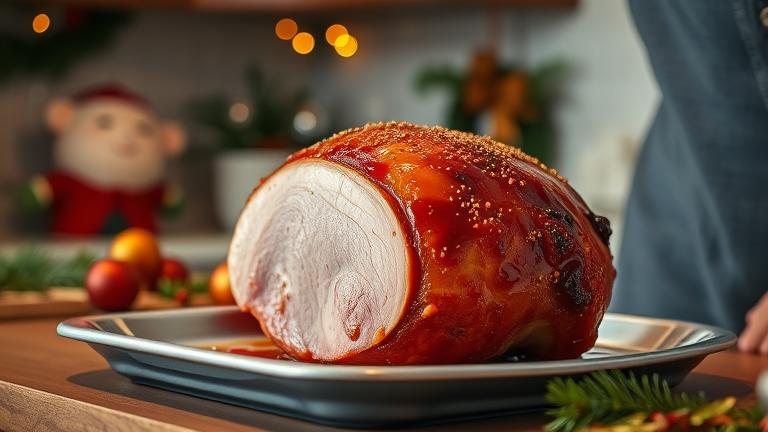
Benefits of Preparing Ham in Advance
Preparing your Christmas ham in advance offers many practical advantages that can make your holiday easier and more enjoyable. One of the main benefits is convenience. When you prepare the ham ahead of time, you spread out the cooking tasks, which helps avoid last-minute rushes. This way, you can focus more on other dishes or enjoy quality time with family and friends.
Another great reason to prepare your ham early is improved flavor development. When you marinate, glaze, or baste the ham in advance, those flavors have more time to soak in. This results in a richer, more delicious taste with every bite. For example, applying a glaze the day before allows it to caramelize slightly during reheating, giving your ham a beautiful, glossy finish and extra flavor depth.
Pre-cooking the ham also makes reheating easier. You can cook it to just the right temperature ahead of time, then simply warm it up before serving. This saves time on the day of your celebration and ensures the ham stays juicy and tender. Overcooked ham, on the other hand, can become dry and stringy, so preparing it in advance helps control the cooking process better.
Plus, preparing your ham early can help you plan your presentation better. When the ham is already cooked and decorated with your preferred glaze or garnish, you can focus on assembling side dishes or finishing touches. It also allows you to refrigerate or even freeze the ham if needed, giving you more flexibility on the big day.
Additionally, making the ham ahead can reduce stress. Knowing that a significant part of your meal is already taken care of means you can relax and enjoy the festivities. It’s especially helpful if you’re hosting a large gathering, as it lessens the workload on the day itself.
- Extra Tips: To keep your prepared ham fresh, wrap it tightly in foil or plastic wrap and store it in the refrigerator. If you plan to keep it for more than a day or two, consider freezing it with proper packaging.
- Safety First: Always reheat the ham thoroughly before serving, aiming for an internal temperature of 140°F (60°C) to ensure it’s safe and tasty.
Overall, preparing your Christmas ham in advance can lead to a more relaxed holiday experience, richer flavors, and perfectly cooked results. It’s a simple step that can make a big difference in your holiday meal planning.
When to Cook Your Christmas Ham
Timing is key when planning to cook your Christmas ham. You want it fresh, flavorful, and ready to serve right when your holiday feast begins. Knowing the best time to start cooking ensures your ham stays in perfect condition and tastes its best.
Most home cooks prefer to cook their ham a day or two before Christmas. This gives you plenty of flexibility and helps prevent last-minute stress. Cooking too early might risk the ham drying out or losing some of its juicy texture, especially if it needs to be reheated later.
Start planning your ham date by considering your holiday schedule. If you are hosting a big dinner, it’s smart to cook the ham the day before. This way, you can focus on side dishes and desserts on the day of the celebration. Plus, cooking it a day ahead allows time for glazing and carving without rushing.
However, if your ham is large or has specific cooking requirements, check the package instructions. Some hams are pre-cooked and only need reheating, while others require longer cooking times. Knowing this prevents surprises and ensures the ham is served at its best.
Another good tip is to buy your ham early, especially during the holiday shopping rush. This prevents the stress of last-minute shopping or shortages. Once you have your ham, store it in the fridge and plan your cooking schedule accordingly.
If you’re reheating a ham that was cooked in advance, aim to reheat it on Christmas Day about 1 to 2 hours before serving. Reheating slowly at a low temperature helps keep it moist and tender. Remember, never reheat a ham more than once, as it can compromise safety and quality.
- Always check the expiration date when purchasing your ham.
- If using leftovers, plan to use them within 3 to 4 days for best freshness.
- Keep your ham well wrapped and refrigerated until cooking to maintain flavor and prevent spoilage.
In summary, plan to cook your ham ideally one to two days before your Christmas celebration. This timing strikes a good balance between freshness and convenience, ensuring your holiday meal is both stress-free and delicious. Remember to consider the size and type of ham, your schedule, and storage tips for the best results.
How to Store Cooked Ham Safely
When you have cooked ham that you want to save for later, proper storage is essential to keep it safe, tasty, and moist. Whether it’s leftover slices or a large piece, following the right steps prevents bacteria growth and helps preserve its flavor. With a little care, you can enjoy your ham for days to come!
Safe storage begins right after you finish your meal. Make sure to refrigerate cooked ham promptly, ideally within two hours of cooking or serving. Leaving cooked ham at room temperature for too long increases the risk of bacteria multiplying, which can cause foodborne illnesses. Proper wrapping and container choices are key to maintaining quality as well.
Best Ways to Store Cooked Ham
- Use airtight containers or wrap tightly: Once cooled, place your cooked ham in an airtight container or wrap it tightly with plastic wrap or aluminum foil. This helps keep out air and moisture, preventing the ham from drying out or absorbing other fridge odors.
- Label and date: Always mark the storage date on the container or wrapping. This way, you’ll know how long it has been stored and when to use it before it spoils.
- Keep it refrigerated: Store cooked ham in the fridge at 40°F (4°C) or below. Use the coldest part of your refrigerator to maintain a consistent, safe temperature.
How Long Can You Keep Cooked Ham?
| Storage Method | Maximum Duration |
|---|---|
| Refrigerator (airtight container or wrapped tightly) | 3 to 4 days |
| Freezer (wrapped well or in airtight freezer bag) | 2 to 3 months |
For longer storage, freezing is a good option. Wrap the cooked ham tightly to prevent freezer burn, which affects flavor and texture. When you’re ready to eat it, thaw the ham in the refrigerator overnight for the best results.
Tips for Thawing and Reheating
- Thaw safely: Always thaw cooked ham in the refrigerator or using a microwave if you plan to reheat immediately. Never thaw at room temperature, as this can allow bacteria to grow.
- Reheat to a safe temperature: When reheating, make sure the ham reaches an internal temperature of 140°F (60°C). Use a food thermometer for accuracy. Reheat gradually in the oven or microwave, covered to retain moisture.
Common Mistakes to Avoid
- Leaving cooked ham out for more than two hours at room temperature.
- Not wrapping or sealing the ham tightly, leading to moisture loss and odor absorption.
- Refrigerating cooked ham in an unmarked container or without a clear date, causing confusion about freshness.
With these simple storage tips, you can enjoy your cooked ham safely and at its best flavor. Just remember: keep it cold, sealed, and well-labeled. Happy eating!
Best Ways to Reheat Leftover Ham
Reheating leftover ham can be tricky if you want to keep its juicy flavor and tender texture. Luckily, there are several easy and effective methods to warm up your pre-cooked ham safely and deliciously. Whether you prefer the oven, microwave, or stovetop, these tips will help you enjoy your ham just as much as the first time.
Oven Method
The oven is a great choice for reheating larger pieces of ham, such as a ham roast or thick slices. It heats evenly, helping to keep the meat moist. To reheat ham in the oven:
- Preheat your oven to 325°F (160°C).
- If your ham is not already sliced, cut it into slices about 1/4 to 1/2 inch thick. For whole or large pieces, keep it whole or in large chunks.
- Place the ham in a baking dish or roasting pan. Add a splash of water, broth, or pineapple juice to prevent drying out.
- Cover the dish tightly with aluminum foil to trap moisture.
- Heat for about 15-20 minutes per pound. For slices, check after 10-15 minutes. The goal is an internal temperature of 140°F (60°C).
- Remove from oven and let it rest for a few minutes before serving. This helps the juices redistribute.
This method works well for maintaining moist, flavorful ham. Just avoid overheating, as that can dry out the meat.
Microwave Method
The microwave is the fastest way to reheat smaller portions of ham. It’s perfect for a quick snack or adding ham to a dish. To microwave leftover ham:
- Place slices or small pieces of ham on a microwave-safe plate. Spread them out evenly.
- Cover the ham with a microwave-safe lid or a damp paper towel. This traps moisture and prevents splatters.
- Heat on medium power in 30-second intervals. Check the temperature after each interval.
- Stir or rearrange the ham pieces if possible to promote even heating.
- Pierce the thickest part of the meat with a thermometer. Reheat until it reaches 140°F (60°C).
Be careful not to overheat, as the microwave can cause the ham to become rubbery. This method is best for sliced ham or small chunks.
Stovetop Method
Reheating ham on the stove is a gentle way to warm it up and add flavor. It’s especially good for slices you plan to serve in sandwiches or salads. To do it:
- Place sliced ham in a skillet or saucepan.
- Add a little water, broth, or even some honey or maple syrup for extra flavor.
- Cover the pan and warm over low to medium heat.
- Cook for a few minutes, turning slices occasionally, until the ham is heated through and reaches 140°F (60°C).
- Remove from heat and serve immediately.
This method keeps the ham moist and allows you to add seasonings or glaze as it heats. Just keep the heat low to avoid drying out the meat.
Tips for Reheating Ham
- Always reheat to a safe internal temperature of 140°F (60°C) to prevent foodborne illness.
- If reheating in the oven or stovetop, cover the ham to retain moisture.
- For extra flavor, brush the ham with a glaze or add herbs during reheating.
- Store leftover ham in an airtight container in the fridge, and try to consume it within 3 to 4 days.
- Leftover ham can also be frozen and reheated later—just make sure to reheat it thoroughly after thawing.
Tips for Glazing and Serving the Day Before
Preparing your ham the day before the big celebration can save you time and help you achieve that beautiful, glossy finish everyone loves. Glazing the ham ahead of time allows the flavors to meld and makes serving much easier. Here are some friendly, practical tips to help you get it just right.
1. Choose the Right Glaze
Pick a glaze that complements your ham and blends well with other flavors. Popular choices include honey mustard, brown sugar and pineapple, or maple syrup with cloves. Making the glaze a day in advance gives the flavors time to develop. Store it covered in the refrigerator until you’re ready to use.
2. Glaze the Ham Lightly Before Storing
If you prefer a very glossy look, brush a thin layer of glaze on the ham before refrigerating. This helps the surface stay moist and prevents it from drying out. Avoid thick layers that might become sticky or overpower the flavor. Save the final, thick coat for reheating on the day of the event.
3. Wrap and Store Properly
Once glazed, tightly cover your ham with plastic wrap or foil to keep it moist and prevent it from absorbing other refrigerator odors. Place it on a baking sheet or dish in the fridge. Proper storage ensures the ham stays fresh and flavorful until you’re ready to serve.
4. Reheat and Finish Glazing on the Day
The day of your celebration, remove the ham from the refrigerator about 30 minutes before reheating. Reheat it gently in an oven at around 275°F (135°C). When it’s close to hot, apply a thicker layer of glaze on the surface. Finish glazing in the oven for about 10-15 minutes. This creates that beautiful, caramelized shine perfect for presentation.
5. Use a Sauce Brush or Baster
When applying the glaze during reheat, use a brush or baster for even coverage. This helps prevent drips and ensures all parts of the ham are coated. Be careful not to re-glaze too early, or the sugar could burn, so wait until the ham is warm enough.
6. Keep the Ham Covered During Resting
After glazing and reheating, let the ham rest for a few minutes before carving. Cover it loosely with foil to keep it warm. Resting helps juices settle so your slices stay moist and flavorful. A glossy, well-rested ham will look inviting and taste delicious.
7. Final Tips for a Stunning Presentation
- Slice the ham just before serving for the freshest appearance.
- Arrange slices on a platter, drizzle with any remaining glaze, and garnish with herbs or fruit if desired.
- Use a sharp knife and steady hand for clean cuts and elegant presentation.
By following these friendly tips, you’ll ensure that glazing and serving your ham the day before not only saves you time but also results in a beautifully glazed, flavorful centerpiece. A little planning makes your holiday meal easier and more special for everyone at the table.
Common Mistakes to Avoid When Preparing in Advance
Preparing your Christmas ham early can save you time and reduce stress during the busy holiday season. However, there are some common mistakes to watch out for to ensure your ham stays delicious and safe to eat. Being aware of these pitfalls can help you plan better and avoid last-minute surprises.
One of the biggest mistakes is not properly planning the storage. Hams need to be kept at the right temperature to stay fresh. If you leave it out too long at room temperature, bacteria can grow rapidly, making the ham unsafe to eat. Always store your ham in the refrigerator at 40°F (4°C) or below. If you’re preparing the ham days in advance, make sure to place it in a leak-proof container or tightly wrapped with plastic wrap or foil to prevent it from drying out or absorbing other odors in your fridge.
Another common error is forgetting to account for the ham’s size when planning cooking and storage. Larger hams require more time to cook and chill properly. If you prepare it too far in advance without considering this, you might end up with the ham not being fully cooked or stored within safe timeframes. Check your ham’s weight and follow recommended cooking guidelines based on size. Also, allow enough time for the ham to cool down before refrigerating—hot ham left out too long can foster bacteria growth.
Be cautious with the seasoning and glaze preparations. Some people make glaze or seasoning mixes too far ahead of time and leave them unrefrigerated. Bacteria can develop in these if left out, especially if they contain perishable ingredients like dairy, eggs, or certain fruits. Prepare your glaze close to serving time or store it in the fridge and add it just before reheating or serving.
Underestimating the importance of reheating and handling is another common mistake. When reheating your prepared ham, do so evenly to avoid cold spots where bacteria can survive. Use a food thermometer to ensure the internal temperature reaches 140°F (60°C) for pre-cooked ham or 165°F (74°C) for leftovers. Also, always reheat in a covered dish to retain moisture and prevent it from drying out.
It’s easy to forget that prepared ham should be consumed within a safe timeframe. Cooked ham can last in the refrigerator for three to four days, but if you prepare it weeks ahead, freezing is a good idea. Wrap the ham tightly in plastic wrap or foil and store it in an airtight container. Label it with the date so you remember when it was frozen. Avoid refreezing thawed ham multiple times, as this can affect its quality and safety.
- Plan ahead for storage space and refrigeration capacity.
- Check the size and cooking requirements of your ham.
- Prepare and store glazes and seasonings properly.
- Reheat the ham evenly and thoroughly before serving.
- Keep track of storage times and freeze if preparing far in advance.
By avoiding these common mistakes, your Christmas ham will stay flavorful, safe, and ready to enjoy when the big day arrives. Proper planning and preparation ensure that your holiday feast is a tasty success without last-minute stress.
Easy Tips for Perfect Christmas Ham Preparation
Preparing a Christmas ham can seem like a big task, but with a few simple tips, you can achieve a juicy, flavorful, and beautifully glazed centerpiece for your holiday table. Whether you’re using a pre-cooked honey glaze ham or roasting a raw ham, these practical ideas will help you get it just right.
Choose the Right Ham
Start with selecting the best ham for your celebration. Generally, there are two main types: pre-cooked (fully cooked) and raw (uncooked). Most store-bought hams are pre-cooked, so your main job is to heat and add flavor. If you opt for a raw ham, it will take longer to cook and needs thorough cooking to reach a safe temperature. Always check the packaging for guidance on cooking times and temperatures.
Prep the Ham Properly
- Remove any packaging and excessive fat from the ham. A little fat adds flavor but too much can be greasy.
- If your ham skin is thick, score it in a crisscross pattern. This helps the glaze to seep in and makes for a crisp, attractive finish.
- Place the ham in a roasting pan on a rack (if available). This allows heat to circulate evenly and prevents it from sitting in its own drippings.
Seasoning and Glazing Tips
Adding a flavorful glaze is one of the most enjoyable parts of ham prep. You can keep it simple or be creative with your ingredients. A common glaze includes honey, brown sugar, mustard, and a splash of orange juice or vinegar.
Brush the glaze over the ham during the last 30 to 45 minutes of roasting. Reapply a couple of times for a shiny, caramelized finish. Be careful not to glaze too early, as the sugar can burn if exposed to high heat for too long.
Cooking Time and Temperature
| Ham Type | Temperature | Cooking Time |
|---|---|---|
| Pre-cooked ham (bone-in or boneless) | Reheat to 140°F (60°C) | 10-15 minutes per pound |
| Raw ham | Cook to 145°F (63°C), then rest for 3 minutes | 20-25 minutes per pound |
Use a reliable meat thermometer to check the internal temperature. This ensures your ham is safe and perfectly cooked.
Rest and Serve
Once out of the oven, let your ham rest for about 10-15 minutes before slicing. Resting helps the juices redistribute, resulting in a juicy slice every time. Slice against the grain for tender, easy-to-eat pieces.
Extra Tips
- Wrap the ham loosely in foil if you want it to stay warm before serving.
- Save the drippings to make a tasty gravy or sauce.
- Don’t forget to carve the ham on a steady surface to get neat slices.