
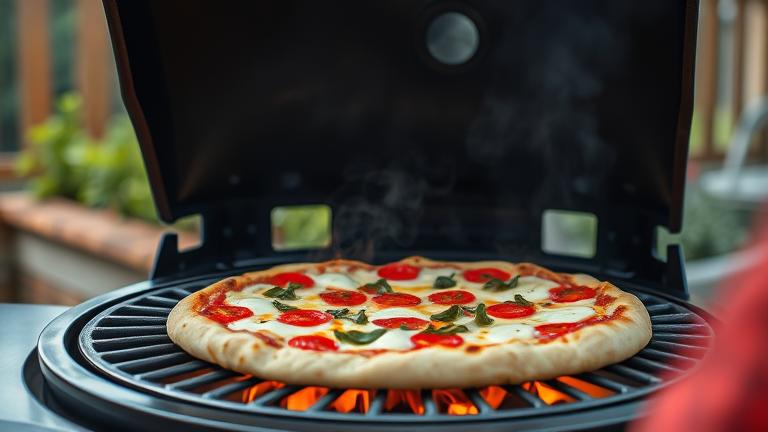
Can You Really Cook Pizza on a Grill?
Many home cooks wonder if they can make a tasty pizza on their grill instead of using a traditional oven. The answer is yes, you absolutely can! Grilling pizza can give it a unique smoky flavor and crispy crust that’s hard to achieve indoors. But there are a few things to keep in mind before you fire up your grill.
Grilling pizza is a popular choice for outdoor cooking, especially in warm weather or when you want to try something different. It’s also a fun way to experiment with new textures and flavors. However, it does come with some pros and cons compared to baking your pizza in a standard oven.
Pros of Grilling Pizza
- Flavor: Grilling adds a smoky, charred taste that many find delicious and more complex than oven-baked pizza.
- Crispy Crust: The high heat of a grill can create a wonderfully crispy crust, similar to pizzeria styles.
- Outdoor Fun: It’s perfect for backyard parties or summer cookouts, and there’s no need to heat up your house with the oven.
- Fast Cooking: With the right setup, pizza can cook quickly on a grill, making it great for last-minute snacks or dinners.
Cons of Grilling Pizza
- Learning Curve: It takes some practice to manage the heat and avoid burning the dough or toppings.
- Tools Needed: You might need special tools, such as a pizza stone, grill brush, or a pizza peel, to handle the pizza properly.
- Uneven Heat: Grills can have hot spots, which might result in uneven cooking unless you monitor carefully.
- Preparation Time: It often requires more prep work, like preheating the grill and preparing the crust to prevent sticking.
What to Expect When Grilling Pizza
When you make pizza on a grill, expect a slightly different experience than baking in an oven. The process usually involves preheating your grill to a high temperature, around 450-500 degrees Fahrenheit. Some people use a pizza stone or a cast-iron skillet on the grill to mimic an oven’s even heat.
Cooking times are shorter, often around 10-15 minutes. You’ll want to keep an eye on the pizza to prevent burning. The toppings should be cooked through, and the cheese should be bubbly and golden. You might notice a smoky aroma and a crust with beautiful grill marks, giving your pizza a rustic, homemade look and taste.
Preparing your pizza for the grill is key. Use a well-floured surface to roll out the dough, and consider par-cooking the crust slightly before adding toppings if your grill runs hot. This helps avoid burnt or soggy bases.
If you’re new to grilling pizza, start with small, thin crusts and simple toppings first. With practice, you’ll get the hang of managing heat and timing, and you’ll be rewarded with delicious, smoky pizza made right in your backyard.
Best Techniques for Grilling Pizza
Grilling pizza is a fun and delicious way to get a crispy crust and smoky flavor. To make the perfect grilled pizza, you need to use some key techniques. These tips will help you manage heat, placement, and flipping to achieve even cooking and that ideal crispy crust.
First, it’s important to control the grill temperature. A hot grill around 450 to 500 degrees Fahrenheit is ideal. This allows the pizza to cook quickly and develop a nice char without burning. Use one side of your grill for high heat and the other for indirect heat. This way, you can sear the crust first and then cook toppings without overcharring.
Next, preheat your grill thoroughly. A hot grill surface helps prevent sticking and ensures a crispy crust. If you’re using a gas grill, turn it on about 15 minutes before cooking. For charcoal, wait until the coals are coated in ash and evenly spread. Lightly oil the grates to help slide the pizza on and off smoothly.
Preparing Your Pizza
- Roll or stretch your dough to an even thickness, about 1/4 inch.
- Prebake your crust for 2-3 minutes if you want a crispier base.
- Apply sauce, cheese, and toppings while the dough is on a pizza peel or a baking sheet for easy handling.
Placing the Pizza on the Grill
Once your grill is hot, transfer the pizza carefully. Use a pizza peel, flat spatula, or a rimless baking sheet to slide the pizza onto the grill grates. Place the pizza directly over the hot side first to sear the bottom and get grill marks. Watch closely to prevent burning.
Cooking Technique
- Start with the pizza directly over the flames or hot side for 2-3 minutes. This helps develop a crisp bottom and marks. Keep the lid closed during this time.
- Using tongs or a spatula, rotate the pizza to cook evenly. If your grill has hot spots, be mindful to move the pizza around.
- Once the crust has nice char and bubbles appear, move the pizza to the cooler side of the grill. Add any additional toppings if needed.
- Close the lid and cook for another 5-8 minutes. Check every few minutes, looking for melted cheese and a crisp crust. You can cover the grill with a metal lid or foil to trap heat.
Flipping and Monitoring
Unlike stovetop pizzas, flipping on a grill isn’t usually necessary. Instead, you rotate or shift the pizza to evenly expose all sides to heat. If you notice the bottom is cooking faster than the toppings, move it to cooler zones or use indirect heat.
To prevent burning, keep an eye on the cheese and toppings so they don’t overcook or dry out. Use a spatula or tongs to gently lift and check the bottom. Once the crust is golden and toppings are bubbly, it’s time to remove and enjoy!
Final Tips for Perfect Grilled Pizza
- Use a pizza stone or cast iron skillet on the grill for even heat transfer and crispy results.
- Keep the grill lid closed as much as possible to maintain consistent temperature.
- Experiment with different toppings and cooking times to find what works best with your grill.
By mastering temperature control, proper placement, and rotation techniques, you can create delicious, evenly cooked grilled pizza every time. Enjoy experimenting and customizing your toppings for a truly homemade flavor!
Choosing the Right Grill for Pizza
Finding the perfect grill for making delicious pizza at home can turn a good meal into a fun and flavorful experience. The right grill helps you achieve that crispy crust and evenly cooked toppings that make pizza so irresistible. When selecting a grill, consider key factors like heat capacity, surface area, and special features that make grilling easier and more fun.
First, think about the type of grill that best suits your needs. The main options are gas grills, charcoal grills, and wood-fired pizza ovens. Gas grills are popular because they heat up quickly and give you easy temperature control, making them ideal for beginners. Charcoal grills can add extra smoky flavor to your pizza and tend to reach higher temperatures, which is perfect for a crisp crust. Wood-fired pizza ovens or grills combine the best of both worlds, offering authentic flavor and high heat, but they often require more space and a bit of setup.
Key Factors to Consider
- Heat Capacity: For making great pizza, aim for a grill that can reach at least 500°F (260°C). High heat helps create that perfect, crispy crust with a slight char. Check the grill’s maximum temperature before purchasing.
- Surface Area: Pizza needs enough space to cook evenly. A grill with a cooking surface of at least 300 square inches is recommended for preparing larger pizzas or multiple pies at once. This ensures even heat distribution and prevents overcrowding.
- Cooking Surface: Look for a grill with a flat, stable surface like a grill grate or a stone baking surface. Some grills come with pizza-specific accessories, such as pizza stones or steel plates, which help mimic a traditional brick oven environment.
Features That Enhance Your Grilling Experience
- Temperature Control: Precise heat regulation is crucial. Models with adjustable vents or digital thermostats allow better control, helping you achieve consistent results.
- Built-in Thermometers: An integrated thermometer on the lid helps monitor the grill’s internal temperature without opening it, which is essential for managing high-heat pizza cooking.
- Ease of Use and Maintenance: Consider grills with easy-to-clean grates, removable parts, and sturdy lids for convenient maintenance. Features like side shelves or tool hooks can also make assembly and cooking more enjoyable.
Additional Tips
- Read reviews to see how different models perform in real-world pizza making.
- Think about your outdoor space; some grills are compact, while others are large and more suitable for dedicated pizza stations.
- If you’re new to grilling, starting with a gas grill might be easier, but if you want authentic smoky flavor, a charcoal or wood-fired grill could be a better choice.
Choosing the right grill for pizza involves balancing heat capacity, surface area, and practical features. With the right equipment, you can enjoy homemade pizza with a deliciously crispy crust and perfectly melted toppings, right in your backyard.
Preparing Pizza for Grilling
Grilling pizza is a fun way to enjoy a crispy, flavorful meal right from your backyard. To get started, you’ll need to prepare your dough, gather your toppings, and assemble the pizza properly for grilling. This ensures your pizza cooks evenly and tastes great. Let’s walk through each step to help you create a delicious grilled pizza.
Preparing the Dough
Start with a good pizza dough recipe or store-bought dough that’s been brought to room temperature. Cold dough is harder to shape and won’t stretch as easily. Lightly flour a clean surface to prevent sticking. Gently knead the dough a few times to redistribute the ingredients.
Next, divide the dough into manageable portions — usually one ball per pizza. Using your hands or a rolling pin, stretch each ball into a thin, round shape. Keep the edges slightly thicker to form the crust. Be patient and work from the center outward, turning the dough as you go. If the dough resists stretching, let it rest for a few minutes, then try again. Avoid using too much flour, which can make the crust dry.
Preparing Toppings and Assembly
Gather your toppings ahead of time. Keep ingredients like cheese, vegetables, and meats prepped and ready. Remember, grilled pizza cooks quickly, so don’t overload it with toppings. A light layer works best to avoid sogginess and ensure even cooking.
- Slice vegetables thinly so they cook faster.
- Pre-cook meats if needed, especially for thicker cuts.
- Use shredded or sliced cheese for easy melting.
Before placing the toppings, brush the dough lightly with olive oil. This forms a barrier and helps prevent sticking on the grill. If you prefer a crispier crust, brush the edges as well.
With everything prepped, assemble your pizza on a peel or a piece of parchment paper for easy transfer. Place the dough on a floured surface, add your sauce, cheese, and toppings. Try to keep toppings centered and avoid overloading to prevent toppings from falling off when flipping.
Tips for Handling and Grilling
- Use a grill preheated to medium-high heat to ensure a good sear.
- Transfer the pizza quickly onto the hot grill, using a pizza peel or the back of a baking sheet.
- Cook the first side without worrying, about 4-5 minutes, until the bottom is golden and crispy.
- Use tongs or a spatula to carefully flip the pizza for the second side, if needed, or finish cooking with the lid closed for a few more minutes.
Keep a close eye to prevent burning. When the cheese is bubbly and the crust is crispy, it’s ready to come off the grill. Let it rest for a few minutes before slicing. Enjoy your homemade grilled pizza with friends and family!
Cooking Times and Tips for Perfect Pizza
Getting your grilled pizza just right involves knowing the right cooking times, temperatures, and some handy techniques. Whether you’re using a traditional grill or a pizza stone over the fire, these tips will help you achieve a crispy, evenly cooked, and flavorful pizza every time.
First, it’s important to preheat your grill to the right temperature. For a crispy crust, aim for a surface temperature of around 450°F to 500°F (230°C to 260°C). If using a pizza stone, let it heat up along with the grill for at least 30 minutes. This ensures the heat penetrates thoroughly, giving you that perfect charred crust.
Ideal Cooking Times
- Grilled Pizza: Typically takes about 10 to 15 minutes from start to finish. Keep an eye on it once the cheese melts and the crust turns golden brown.
- Using a Pizza Stone: Expect about 8 to 12 minutes. The high heat of the stone helps cook the crust quickly and evenly.
Remember, every grill is slightly different. It’s a good idea to check your pizza a few minutes before the expected finishing time. Look for bubbly cheese, golden crust, and some visible charring for that authentic grilled flavor.
Cooking Tips for Best Results
- Keep the lid closed: This traps heat inside, cooking the pizza evenly and speeding up the process. Only lift the lid to check progress.
- Use a pizza peel or large spatula: To carefully slide the pizza onto the hot grill or stone without deflating the dough.
- Manage flare-ups: Fat from the toppings can ignite flames. Keep a spray bottle of water handy to tame any flames so the pizza doesn’t burn.
- Build up a crust with some oil: Lightly brush the dough with olive oil before grilling. This helps prevent sticking and adds to the crispiness.
- Rotate the pizza: Every few minutes, rotate the pizza a quarter turn to promote even cooking and prevent burning on one side.
Common Mistakes and How to Avoid Them
- Poking the pizza too often: Opening the lid repeatedly lowers the temperature and increases cooking time. Check it only once or twice.
- Overloading toppings: Too many or too thick toppings can make the pizza soggy and slow cooking. Use a moderate amount for best results.
- Not preheating enough: Placing the pizza on an unhot grill results in a doughy crust. Always preheat thoroughly.
- Using the wrong tools: A pizza peel or a long spatula makes transferring and rotating the pizza much easier and safer.
With these cooking times and tips, you’ll be grilling pizza like a pro. Patience and a watchful eye are key. Soon, you’ll be enjoying delicious, evenly cooked, crispy grilled pizza right in your backyard.
Common Mistakes and How to Avoid Them
Grilling pizza can be a fun and delicious way to enjoy homemade pies, but it comes with its own set of challenges. Many home cooks encounter issues like burning the crust or ending up with a soggy base. Thankfully, understanding common mistakes and learning simple tricks can help you get perfect grilled pizza every time.
One of the most frequent errors is setting the grill temperature too high. High heat might seem like a good idea to cook the top quickly, but it can easily burn the crust before the toppings are heated through. To avoid this, preheat your grill to medium-high and keep an eye on the temperature. Use a grill thermometer if needed to maintain a steady heat around 375 to 425 degrees Fahrenheit.
Another mistake is not preparing the pizza correctly before grilling. For instance, using a pizza with too much sauce or heavy toppings can cause sogginess. Instead, spread a light layer of sauce and keep toppings simple. Additionally, always brush the crust lightly with olive oil before placing it on the grill. This helps prevent sticking and gives the crust a lovely, crisp finish.
Many beginners also struggle with flipping the pizza at the right time. If you flip too early, the dough might not be cooked enough; flip too late and it may burn. The key is to look for visual cues, like bubbly edges and grill marks on the crust. Usually, after about 2 to 3 minutes, the bottom should be golden and slightly firm. Use a wide spatula carefully to flip the pizza and cook the top for another 2-3 minutes.
Overcrowding the grill is another mistake that leads to uneven cooking. Keep enough space between pizzas, especially if you are grilling multiple ones. This allows heat to circulate freely and evenly cook each pizza. Also, avoid pressing down on the toppings while grilling, as this can squeeze out juices and lead to a soggy crust.
Tips for Success
- Preheat your grill thoroughly before placing the pizza on it.
- Use a pizza peel or a wide spatula to transfer the pizza carefully onto the grill and remove it when done.
- Invest in a good quality grill with a separate zone for indirect heat if you’re making larger or thicker pizzas.
- Experiment with different toppings and crust thicknesses to find what works best on your grill.
- Watch the pizza closely during grilling to prevent burning, especially near the edges.
By avoiding common pitfalls like overheating, improper preparation, and poor timing, you can master grilling pizza with confidence. Remember, practice makes perfect. With a little patience, you’ll soon be turning out delicious, evenly cooked pizzas that everyone will love.
Delicious Pizza Ideas for the Grill
Grilling pizza is a fun and tasty way to enjoy a homemade meal outdoors. It adds a smoky flavor that you just can’t get from the oven. Whether you’re hosting a summer barbecue or having a casual dinner, grilled pizzas are sure to impress your guests. Here are some creative ideas, flavorful toppings, and tips to make your grilled pizzas unforgettable.
First, think outside the traditional pepperoni and cheese. Unique toppings can turn your pizza into a culinary adventure. For example, try combining smoked salmon, cream cheese, and capers for a fancy touch. Or go for a taco-inspired pizza with seasoned ground beef, shredded lettuce, and a drizzle of sour cream after grilling. Fresh vegetables like grilled zucchini, eggplant, or sweet peppers add color and flavor. Don’t forget herbs like basil, cilantro, or oregano for a burst of freshness.
Flavor combinations are key. Combining sweet and savory can make your pizza stand out. A barbecue chicken pizza topped with shredded cooked chicken, red onions, and a drizzle of BBQ sauce is always a hit. For a Mediterranean twist, use ingredients like olives, artichoke hearts, feta cheese, and sun-dried tomatoes. If you prefer something spicy, add jalapeños, hot sauce, or red pepper flakes. Experimenting with cheeses also opens up new possibilities. Try adding dollops of goat cheese or ricotta for extra creaminess.
Another tip is to pre-cook ingredients that need longer cooking times. For example, if you’re using raw sausage or root vegetables, give them a quick sauté or grill first. This prevents undercooked toppings and keeps your pizza balanced. Also, consider using different bases, like pita bread, naan, or flatbreads, for quick and easy crust options.
When preparing your pizza for the grill, start by preheating the grill to medium-high heat. Use a pizza stone if you have one; it helps create a crispy base. Roll out your dough to about 1/4 inch thickness and don’t make it too thick or it might not cook through evenly. Lightly oil the grill grates or the dough itself to prevent sticking.
Assemble your pizza directly on a piece of parchment paper for easy transfer. Place it on the grill and cook for about 4-5 minutes on one side until the crust gets nice grill marks. Flip it carefully with tongs or a spatula, then add your toppings. Close the lid and cook for another 5-7 minutes, until the cheese is bubbly and the crust is golden.
For finishing touches, sprinkle fresh herbs or a splash of balsamic vinegar. A drizzle of good olive oil or a pinch of red pepper flakes can elevate the flavors. Remember, less is more, so add toppings thoughtfully—overloading can make the pizza difficult to cook evenly.
- Keep toppings light to prevent sogginess.
- Use a hot grill for crispier crusts.
- Experiment with different cheeses and sauces for variety.
- Always watch the pizza closely to avoid burning.
Try these ideas next time you fire up your grill. With a little creativity, you can turn simple ingredients into spectacular grilled pizzas that friends and family will love. Happy grilling!