
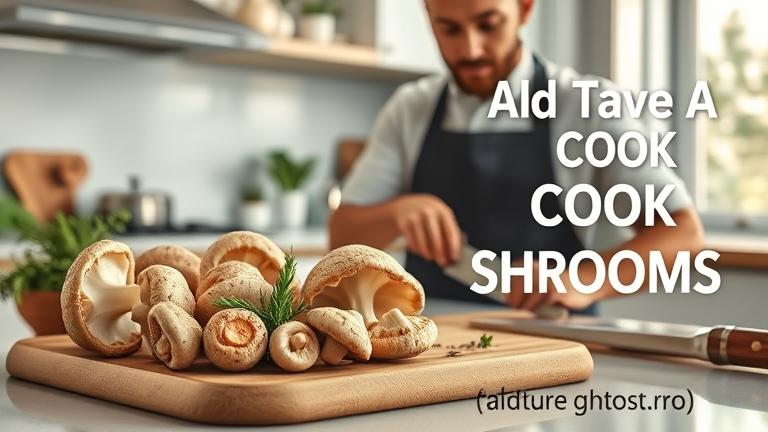
Are Mushrooms Safe to Cook?
Many people love adding mushrooms to their meals for their rich flavor and meaty texture. But before cooking, it’s important to consider if the mushrooms you’re using are safe to eat. Not all mushrooms are edible, and some can be toxic if misidentified. Knowing how to identify safe varieties and follow proper safety steps can help you enjoy mushrooms without worries.
First, always start with store-bought mushrooms from reputable sources. These are typically labeled and inspected for safety. Common edible types include button, cremini, portobello, and shiitake. If you pick wild mushrooms, identification becomes trickier, so it’s best to be cautious. Eating the wrong type can lead to food poisoning or worse.
How to Identify Edible Mushrooms
- Look for well-known species at a trusted store or market. Stick to varieties labeled as edible.
- Familiarize yourself with common edible mushrooms, such as the white button mushroom, which is widely available and safe.
- Learn to recognize poisonous varieties. For example, some wild mushrooms like death cap or destroying angel can look similar to edible types.
- Join a mushroom foraging class or consult expert guides if you plan to pick mushrooms outdoors.
- Never eat a wild mushroom unless you’re 100% sure it’s safe. When in doubt, throw it out.
Key Safety Tips for Cooking Mushrooms
- Always wash mushrooms thoroughly under cold water before cooking to remove dirt or contaminants.
- Cook mushrooms fully. Many toxins in wild varieties can be destroyed with proper cooking, but never eat raw wild mushrooms.
- Use fresh mushrooms within a few days of purchase. Store them in the refrigerator in a paper bag to prevent spoilage.
- If you buy dried mushrooms, soak them in water first, and discard any that look slimy or discolored.
- Check for any off odors or slimy textures before cooking. Spoiled mushrooms should be discarded.
Common Mistakes to Avoid
- Don’t rely solely on appearance some toxic mushrooms look similar to safe ones.
- Avoid eating mushrooms that are discolored, slimy, or have an unpleasant smell.
- Never mix wild mushrooms with store-bought varieties unless you’re certain of their safety.
- Be cautious with preserving mushrooms by canning or drying. Follow tested methods to prevent foodborne illness.
Safety Note
If you experience discomfort, nausea, or other symptoms after eating mushrooms, seek medical help immediately. Always keep a sample of any wild mushroom you collect, in case you need identification testing. Being cautious and prepared helps ensure your mushroom dishes are both delicious and safe to enjoy.
Popular Ways to Prepare Mushrooms
Mushrooms are a versatile ingredient that can be prepared in many delicious ways. Whether you prefer them sautéed, roasted, grilled, or boiled, each method brings out different flavors and textures. Choosing the right technique depends on the type of mushroom and the dish you want to create. Here, we’ll explore some popular cooking methods to help you make the most of these earthy, savory fungi.
Sautéing Mushrooms
Sautéing is one of the quickest and easiest ways to prepare mushrooms. It involves cooking them in a little oil or butter over medium-high heat until they become tender and golden brown. This method enhances their natural umami flavor and creates a delicious, slightly crispy texture on the outside.
To sauté mushrooms, start by cleaning them with a damp cloth or a soft brush to remove dirt. Slice or chop them as needed. Heat a skillet with a tablespoon of oil or butter, then add the mushrooms. Cook for about 5 to 10 minutes, stirring occasionally, until they release their moisture and turn brown.
- Tip: Avoid overcrowding the pan, which can cause the mushrooms to steam instead of sauté. Cook in batches if necessary.
- Tip: Add garlic, herbs, or spices during the last minute for extra flavor.
Roasting Mushrooms
Roasting mushrooms in the oven brings out a deep, rich flavor and a chewy texture. It’s great for larger mushrooms like portobellos or for adding a hearty touch to salads and side dishes. Simply toss the mushrooms with olive oil, salt, and your favorite herbs, then spread them on a baking sheet.
Preheat your oven to 400°F (200°C). Roast for about 15 to 20 minutes, turning halfway through. You’ll know they are ready when they look browned and slightly shriveled. This method caramelizes the natural sugars in mushrooms, giving them a sweet, smoky taste.
- Tip: Use parchment paper or a silicone baking mat to prevent sticking.
- Tip: For added flavor, sprinkle with Parmesan cheese or drizzle with balsamic vinegar before roasting.
Grilling Mushrooms
Grilled mushrooms add a smoky touch and are perfect for summer barbecues or outdoor dinners. Thick slices of portobello, oyster, or shiitake mushrooms work best on the grill. Brush them lightly with oil and season as desired.
Place the mushrooms on a preheated grill over medium heat. Cook for about 4 to 5 minutes per side, until grill marks appear and the mushrooms are tender. Grilling enhances their earthy flavor and gives a satisfying char.
- Tip: Use skewers for smaller mushrooms to prevent them from falling through the grill grates.
- Tip: Don’t forget to clean the grill grates well before cooking to avoid sticking.
Boiling Mushrooms
Boiling is a simple method, often used when preparing mushrooms for soups, stews, or purees. Since boiling can sometimes waterlog mushrooms, it’s best suited for recipes that involve further cooking or blending.
Bring a pot of water to a boil, add a pinch of salt, then drop in whole or sliced mushrooms. Cook for 5 to 10 minutes, depending on size. Drain well before using in your recipe.
- Tip: Avoid overcooking to prevent mushy textures.
- Tip: You can add flavor to the boiling water with herbs or garlic for extra taste.
Whichever method you choose, remember that mushrooms are delicate. Pay attention to cooking times and avoid overdoing it to keep their texture and flavor just right. Experimenting with different techniques can help you discover your favorite way to enjoy these tasty fungi.
Cooking Tips for Perfect Mushrooms
Cooking mushrooms might seem simple, but getting the perfect texture and flavor takes a little know-how. Whether you’re sautéing, roasting, or adding them to soups, these tips will help you make the most of these versatile fungi. Mushrooms are naturally packed with moisture and flavor, so understanding how to handle them can really elevate your dishes.
First, start with fresh mushrooms. Look for caps that are firm and dry, without any sliminess or wrinkles. Always clean them gently with a damp cloth or a soft brush instead of soaking them in water. Mushrooms are like sponges and will absorb excess moisture if washed directly under running water, which can make them soggy when cooked.
Cooking Times and How to Know When They’re Done
Generally, mushrooms take about 5 to 10 minutes to cook, depending on the size and method. For sautéing, cut them into uniform slices or pieces to ensure even cooking. Keep an eye on them as they cook so they don’t overcook or burn.
- Sautéed mushrooms: Cook over medium-high heat for 5-7 minutes until golden brown and tender.
- Roasted mushrooms: Roast at 400°F (200°C) for 15-20 minutes, tossing halfway through.
- In soups or stews: Mushrooms soften in 10-15 minutes, adding flavor and texture to the dish.
Look for a rich aroma and a deepened color as signs they’re cooked perfectly. Mushrooms should be tender but not mushy, retaining some of their bite.
Seasoning and Flavor Enhancement
Season mushrooms early to build flavor. Salt helps draw out moisture and intensifies taste, so add a pinch at the beginning of cooking. Garlic, thyme, and parsley are classic herbs that complement mushroom flavor beautifully.
For extra richness, add a splash of soy sauce, balsamic vinegar, or a dab of butter towards the end. These ingredients complement their earthy flavor and add depth to the dish. Remember, mushrooms absorb flavors quickly, so start with small amounts and adjust to taste.
Moisture Control Tips
- Dry cooking: Avoid overcrowding the pan. Too many mushrooms in one pan releases moisture, causing steaming instead of browning. Cook in batches if needed.
- High heat: Use a hot pan to quickly evaporate water and develop a crispy exterior.
- Preheat the pan: Make sure your skillet is hot before adding mushrooms to promote searing.
- Pat dry: If mushrooms are damp after cleaning, pat them dry with paper towels before cooking.
Common Mistakes to Avoid
- Adding salt too early, causing mushrooms to release water and become soggy.
- Overcrowding the pan, leading to steaming rather than browning.
- Using too much oil or butter, which can overpower the natural flavor and cause splattering.
With these simple tips, you’re well on your way to making perfectly cooked mushrooms every time. Practice a little to find your favorite seasonings and cooking times, and enjoy their rich, umami flavor in all your meals!
Delicious Mushroom Recipes to Try
Mushrooms are a versatile and flavorful ingredient that can elevate any meal. From savory appetizers to hearty main dishes, there are many ways to enjoy these tasty fungi. If you’re looking for new ideas to incorporate mushrooms into your cooking, you’re in the right place. Here are some delicious mushroom recipes that will inspire your next meal.
Sautéed Mushrooms with Garlic and Herbs
This simple recipe is a quick way to enjoy mushrooms as a side dish or topping. Start by cleaning and slicing your mushrooms. Heat a tablespoon of olive oil or butter in a skillet over medium heat. Add minced garlic and cook until fragrant, about 30 seconds. Then, add the mushrooms and cook, stirring occasionally, until they are browned and tender. Season with salt, pepper, and chopped fresh herbs like parsley or thyme. Serve hot with grilled meats, pasta, or crusty bread.
Mushroom Risotto
For a comforting main course, mushroom risotto is a perfect choice. Start by heating broth in a saucepan and keeping it warm. In a separate pan, sauté chopped onions and garlic in olive oil until soft. Add Arborio rice and cook, stirring, for 1-2 minutes. Then, add sliced mushrooms and cook until they release their juices. Begin adding the warm broth, one ladleful at a time, stirring constantly and waiting until the liquid is absorbed before adding more. Continue until the rice is creamy and tender. Finish with a handful of grated Parmesan cheese and a splash of white wine if desired. Stir well and serve immediately.
Stuffed Mushrooms
Stuffed mushrooms make a tasty appetizer or side dish. Clean large mushroom caps and remove stems. Prepare a filling with ingredients like cooked breadcrumbs, grated cheese, chopped herbs, and cooked sausage or vegetables if you like. Fill each mushroom cap generously with the mixture. Place them on a baking sheet and bake in a preheated oven at 375°F (190°C) for about 20 minutes, until the filling is golden and mushrooms are tender. These can be customized to suit your taste or dietary preferences.
Cream of Mushroom Soup
This classic soup is comforting and easy to make at home. Start by sautéing chopped mushrooms, onions, and garlic in butter until soft. Add some flour and cook for another minute to thicken the mixture. Gradually pour in chicken or vegetable broth, stirring constantly to prevent lumps. Bring to a simmer and cook for 10-15 minutes. Use an immersion blender or transfer to a regular blender to puree the soup until smooth. Return to heat, add a splash of cream, and season with salt and pepper. Serve warm with a crusty roll or a fresh salad.
Tips for Cooking with Mushrooms
- Always clean mushrooms gently with a damp cloth or soft brush. Avoid soaking them in water, as they can become soggy.
- Cook mushrooms until they are browned to bring out their best flavor.
- Experiment with different types of mushrooms, like cremini, shiitake, or portobello, to add variety to your dishes.
- Store fresh mushrooms in paper bags in the refrigerator to keep them fresh longer.
Common Mistakes When Cooking Mushrooms
Cooking mushrooms might seem simple, but many people run into common pitfalls that can affect their final dish. Whether you’re sautéing, roasting, or adding them to soups, understanding these mistakes can help you get the best flavor and texture. Let’s explore some of the most frequent errors and how to avoid them.
One of the most common mistakes is overcooking mushrooms. Mushrooms cook quickly, and leaving them on the heat for too long can make them rubbery or overly soft. Overcooking can also cause them to release too much water, diluting their flavor. To prevent this, cook mushrooms until they are browned and tender but not mushy. A good rule of thumb is to sauté sliced mushrooms over medium-high heat for about 5 to 7 minutes, stirring occasionally.
Another frequent error is improper cleaning. Many people rinse their mushrooms under running water, but mushrooms are porous and can absorb water. This excess moisture can lead to steaming rather than browning when cooking. Instead, it’s best to clean mushrooms with a damp paper towel or a soft brush to gently remove dirt. If they are very dirty, a quick rinse followed by thorough drying with a cloth is okay, but avoid soaking them.
Using too much oil or butter is another mistake that can result in greasy mushrooms. While some fat helps with flavor, too much can make the dish heavy. Always add just enough to coat the bottom of the pan. This encourages even browning without making the mushrooms soggy or greasy.
A similar mistake is crowding the pan. If too many mushrooms are added at once, they release water and tend to steam rather than brown. This can produce a soggy texture instead of the desired crispy exterior. To avoid this, cook mushrooms in batches if needed. This ensures they have enough space to brown evenly.
Another common error is adding salt too early. Salt draws out moisture from mushrooms, and adding it at the beginning can cause them to release extra water, leading to steaming instead of sautéing. It’s better to season with salt partway through cooking or after they are browned, to help maintain their texture and flavor.
Sometimes, people forget to consider the type of mushroom they are cooking. Different varieties have different water content and flavors. For example, button mushrooms are milder, while shiitake mushrooms have a stronger taste. Adjust your cooking time and heat accordingly to bring out the best in each type.
Lastly, failing to taste as you go can result in under-seasoned or bland mushrooms. Mushrooms have a natural umami flavor, but seasoning with salt, pepper, garlic, or herbs can boost their taste. Always taste and adjust seasoning before serving for the best results.
To sum up, avoid overcooking by cooking just until tender, clean mushrooms properly without soaking, cook in batches to prevent steaming, season thoughtfully, and choose the right variety for your dish. Being mindful of these common mistakes will help you enjoy perfectly cooked mushrooms every time.
Nutritional Benefits of Mushrooms
Mushrooms are a fantastic addition to any diet because they are packed with essential nutrients. Including mushrooms in your meals can boost your health in many ways. They are low in calories but rich in vitamins, minerals, and antioxidants. This makes them a smart choice for anyone looking to eat more nutritious, flavorful food.
One of the main highlights of mushrooms is their vitamin content. They are especially high in B vitamins like riboflavin, niacin, and pantothenic acid. These vitamins help your body turn food into energy and support your brain health. Mushrooms also provide a good dose of vitamin D, especially if they are exposed to sunlight during growth. Vitamin D is crucial for bone health and immune function.
In addition to vitamins, mushrooms are a great source of important minerals. They contain selenium, which acts as an antioxidant to protect cells from damage. Potassium is another vital mineral in mushrooms, helping to regulate blood pressure and maintain healthy muscle function. Copper, zinc, and iron are also present, supporting your immune system and helping your blood carry oxygen.
Antioxidants are compounds that protect your cells from damage caused by free radicals. Mushrooms are rich in antioxidants like ergothioneine and glutathione. These antioxidants may help reduce inflammation and lower the risk of chronic diseases such as heart disease and certain cancers. Including a variety of mushrooms in your diet can add these powerful protective compounds.
Besides being nutrient-dense, mushrooms are also rich in dietary fiber. Fiber promotes good digestion, helps control blood sugar levels, and keeps you feeling full longer. This makes mushrooms a good choice for weight management and maintaining overall digestive health.
Some commonly eaten mushrooms also contain unique compounds that may have specific health benefits. For example, reishi and maitake are believed to support immune health, while shiitake mushrooms are known for their potential anti-inflammatory properties. Incorporating different types of mushrooms can give you a wider range of health advantages.
It’s helpful to remember that the way you prepare mushrooms can impact their health benefits. Cooking mushrooms lightly such as sautéing or roasting helps preserve their nutrients. Avoid overcooking as it may diminish some vitamin content. Wash mushrooms gently under running water or wipe with a damp cloth instead of soaking, to keep their texture and nutrients intact.
In summary, adding mushrooms to your meals is a simple, delicious way to boost your intake of essential vitamins, minerals, antioxidants, and fiber. Whether you include them in salads, stir-fries, or soups, mushrooms support overall health and add flavor to your dishes. So next time you’re at the grocery store, consider picking up a variety of these healthful, versatile fungi.
How to Store and Handle Mushrooms
Keeping mushrooms fresh and safe before cooking is easy when you know the right storage and handling techniques. Mushrooms are delicate and absorb moisture quickly, so proper storage helps maintain their flavor and texture. Whether you buy them fresh from the store or pick some from your garden, a few simple steps can make a big difference.
Storing Mushrooms Properly
The best way to store mushrooms is to keep them in a cool, dry place. Ideally, they should be stored in your refrigerator. The key is to maintain good airflow and avoid excess moisture, which can cause them to spoil faster.
Place mushrooms in a paper bag rather than a plastic container. A paper bag absorbs excess moisture and allows the mushrooms to breathe. If you don’t have a paper bag, you can wrap them loosely in a paper towel and keep them in a breathable container.
Avoid storing mushrooms in plastic wrap or airtight containers. These trap moisture inside and can lead to sliminess or mold. Also, don’t wash mushrooms before storing. Instead, clean them just before use to prevent excess moisture from speeding up spoilage.
Handling Mushrooms Safely
Handling mushrooms gently is important because they are fragile. When you buy or pick them, examine for any signs of spoilage, such as slimy texture, dark spots, or a strong odor. Discard any mushrooms that look or smell off.
When preparing to cook, start by cleaning your mushrooms correctly. Use a soft brush or damp cloth to wipe off dirt. If necessary, rinse briefly under cold water, but dry them thoroughly afterward with a clean towel. Remember, mushrooms soak up water quickly, which can affect their texture when cooked.
Always use clean utensils and cutting boards to avoid cross-contamination. If you’re slicing or chopping mushrooms, do it on a clean surface and with sharp knives. Sharp knives minimize damage to the mushroom’s cell walls, helping them stay firm and flavorful.
Additional Tips for Freshness
- Buy only as many mushrooms as you plan to use within a few days.
- Check stored mushrooms regularly and use or discard any showing signs of spoilage.
- For long-term storage, you can also freeze mushrooms, but it’s best to cook or blanch them first to maintain texture.
- Label packages with the date so you stay aware of how long they’ve been stored.
Common Mistakes to Avoid
- Washing mushrooms before storing, which can make them slimy.
- Storing mushrooms in sealed plastic bags without air circulation.
- Keeping mushrooms at room temperature for an extended period.
- Using damaged or spoiled mushrooms in your recipes.
Following these simple storage and handling tips will keep your mushrooms fresh, flavorful, and safe to enjoy. Proper preparation ensures they taste their best in your favorite dishes, from sautés to soups.