
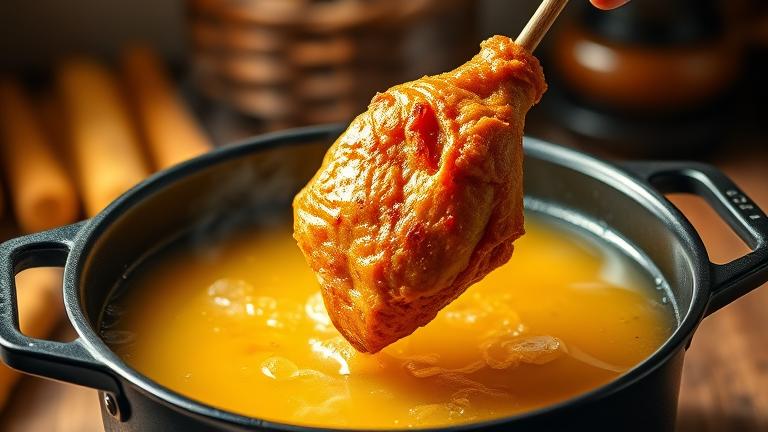
Is a Dutch Oven Good for Deep Frying?
If you’re considering trying your hand at deep frying at home, you might wonder if a Dutch oven is a suitable tool for the task. The short answer is yes, a Dutch oven can be an excellent choice for deep frying. It’s a versatile, sturdy piece of cookware that many home cooks already own. However, to achieve the best results, it’s helpful to understand its advantages and some considerations to keep in mind.
One of the main benefits of using a Dutch oven for deep frying is its thick, heavy walls. These help distribute heat evenly across the oil. Consistent heat is crucial when deep frying because it cooks the food evenly and helps prevent soggy or burnt bits. A Dutch oven’s heat retention also means it stays hot longer, which is advantageous if you’re frying multiple batches.
Another advantage is its capacity. Dutch ovens usually have a large, deep shape that allows you to fry sizable batches of foods like chicken, fries, or donuts all at once. This saves time and reduces the hassle of working in small batches. Plus, the high sides help contain splatters and prevent hot oil from spilling over, keeping your kitchen safer and cleaner.
Though Dutch ovens are well-suited for deep frying, there are some critical considerations. First, make sure you use the right type of oil—typically vegetable or canola oil with a high smoke point. Keep in mind that oil expands when heated, so don’t overfill the Dutch oven. A good rule of thumb is to fill it no more than halfway to prevent overflow or accidents.
Temperature control is vital in deep frying. Use a reliable thermometer to monitor the oil’s temperature, aiming for about 350°F to 375°F (about 175°C to 190°C). Most Dutch ovens can handle these temperatures safely, but it’s important to stay attentive. Cooking at too high temperatures can cause the oil to smoke or catch fire, while too low a temperature results in greasy, undercooked food.
It’s also good to remember that some materials are better suited for frying. Enameled Dutch ovens are great because they’re easy to clean and resist staining from fried foods. Bare cast iron Dutch ovens work well too but require some extra care to keep them seasoned and prevent rust. Always follow your manufacturer’s instructions for safety and maintenance.
- Use a deep-fry thermometer for consistent temperature control.
- Do not overfill the pot with oil—leave enough room for the food and oil expansion.
- Be cautious when lowering food into hot oil to avoid splatters and burns.
- After frying, let the oil cool completely before handling or disposing of it.
In summary, a Dutch oven is a versatile and effective tool for deep frying. It offers even heat, ample capacity, and safety features that make it a popular choice among home cooks. Just remember to monitor the temperature carefully, use appropriate oil, and follow safety tips for clean, delicious results every time.