
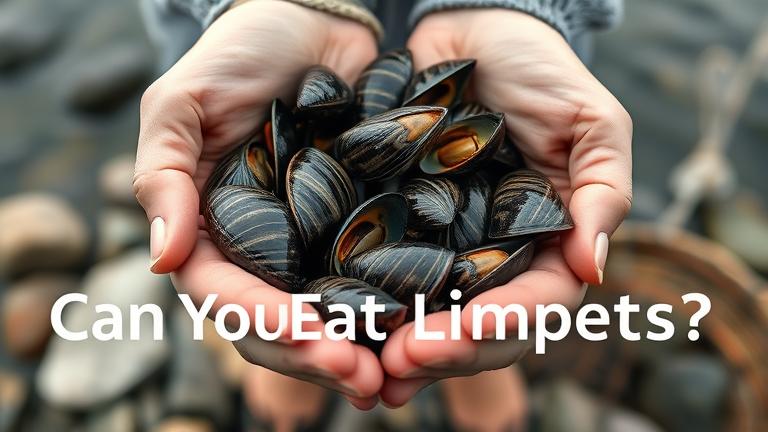
What Are Limpets?
Limpets are fascinating marine creatures that are often found clinging to rocks along coastlines. They are a type of mollusk, which means they belong to a large group of soft-bodied animals that usually have shells. Specifically, limpets are part of the class Gastropoda, the same group that includes snails and slugs.
One of the most distinctive features of limpets is their conical, dome-shaped shell. This shell acts like a helmet, protecting their soft bodies from predators and harsh environmental conditions. The size of limpets can vary depending on the species, but they are generally small to medium-sized, fit for crawling over rocks and other underwater surfaces.
Physically, limpets have a muscular foot that sticks tightly to rocks, which helps them resist strong ocean waves and currents. Their bodies are soft and often covered in a slimy, sticky substance that helps them cling even better. The color of limpets can range from grey and brown to more vibrant shades, often matching the color of their surroundings for camouflage.
Limpets thrive in intertidal zones, which means they live in areas that are underwater at high tide but exposed at low tide. They favor rocky shores because these surfaces provide the perfect habitat for feeding and staying safe from predators. During low tide, they often stay securely attached to rocks, making it easier for them to conserve moisture and avoid drying out.
In terms of their behavior, limpets are mostly herbivores. They graze on algae, which they scrape off rocks with a specialized radula—a tongue-like feeding organ covered with tiny teeth. This constant grazing helps keep algae levels in check and keeps the rocks clean. Limpets are very territorial, often defending their patch of rock from other limpets or sea creatures trying to take their space.
Biologically, limpets play an important role in their ecosystem. They control algae growth and serve as prey for larger animals like starfish, fish, and birds. Their unique ability to cling tightly to rocks makes them resilient and well-adapted to the tough conditions of the tidal zone.
Understanding what limpets are helps us appreciate their importance in the marine environment. Whether you’re interested in foraging for them or just learning about ocean life, knowing their characteristics and habitat gives a useful foundation. Remember, if you ever explore rocky shores, look closely for these charming, shell-covered creatures and admire their tough but fascinating nature.
Are Limpets Edible?
Yes, limpets are edible and enjoyed as a delicacy in many coastal regions around the world. These small, cone-shaped sea creatures are a type of marine snail that cling tightly to rocks and other hard surfaces along the shoreline. Many people are curious if they can safely eat limpets and how they might be prepared in the kitchen.
In some countries, especially in parts of Europe like the United Kingdom, Ireland, and Spain, limpets have a long culinary tradition. They are considered a tasty seafood option and are often collected by hand during low tide. In Japan and Korea, certain types of limpets are also popular in traditional dishes, highlighting their culinary versatility.
While limpets are enjoyed in these regions, they are not as widely known or consumed in North America. Cultural and regional preferences play a big role in whether limpets are part of the local diet. Some communities prize their chewy texture and rich, briny flavor, making them a sought-after ingredient. Others may not be familiar with them or may not include them in regular meals.
If you’re interested in trying limpets, it’s important to understand that not all limpets are safe to eat. Proper identification is key, as some marine snails can be toxic or carry parasites. Always source limpets from reputable suppliers or, if gathering yourself, ensure you are confident in your identification skills. Avoid collecting limpets from polluted waters, as they can accumulate harmful substances.
Cooking limpets is straightforward once you’ve sourced and prepared them properly. Typically, they are boiled or steamed to loosen their shells, then the meat is extracted and cooked further. They can be served with garlic butter, herbs, or simply enjoyed on their own. Their flavor is often described as slightly salty, with a chewy texture that seafood lovers appreciate.
In summary, limpets are indeed edible and cherished in many coastal cuisines. Their regional popularity varies, with some cultures having centuries of experience preparing and eating them. If you decide to try cooking limpets, make sure to correctly identify and source them safely. With some simple preparation, you can enjoy this unique seafood delight at home or during your next seaside adventure.
How to Properly Prepare Limpets
Limpets are a tasty and satisfying seafood choice, but preparing them properly is essential to ensure they are safe to eat and taste their best. Cleaning and cooking limpets correctly can make all the difference in your dish.
Start by choosing fresh limpets from a reliable fishmonger or seafood market. Fresh limpets should smell clean, like the sea, and have tightly closed shells. Avoid limpets with cracked shells or those that don’t close when touched, as these may not be fresh or safe to eat.
Cleaning Limpets
Cleaning limpet shells is a straightforward process. First, give the shells a quick rinse under cold running water to remove loose dirt and surface debris. Use a soft brush or a toothbrush to scrub away any stubborn grit or barnacles attached to the shell’s surface. Be gentle to avoid damaging the shell.
Next, you’ll want to remove the limpets from their shells for thorough cleaning. Hold the shell firmly, and use a small knife or a sturdy, flat tool to gently pry out the limpet muscle inside. Be cautious not to tear the muscle, as this is what keeps the limpet fresh and flavorful.
Removing Grit and Ensuring Cleanliness
Limpets can often contain grit or sand inside their shells, which can make eating unpleasant. To remove this, soak the cleaned shells in salted water or seawater for about 20-30 minutes. This encourages the limpets to eject any remaining grit or sand. After soaking, give them a final rinse under cold water.
If you plan to cook the limpets in their shells, simply scrub and rinse the shells thoroughly. If you prefer to remove the limpets for cooking, make sure they are well cleaned and free of any shell fragments or grit.
Cooking Limpets
Prepare limpets for cooking by choosing your preferred method. Boiling, grilling, or steaming are popular options. To boil limpets, bring a pot of salted water to a boil and add the limpets. Cook for about 2-3 minutes until the meat is firm but not rubbery. If grilling, place cleaned limpets on a hot grill for 2-3 minutes per side, just until they turn opaque.
Steaming is gentle and preserves flavor. Place limpets in a steamer basket over boiling water and steam for 3-4 minutes until they are cooked through. Overcooking can make the meat tough, so keep an eye on them. Once cooked, remove the limpets from the heat and serve immediately with some lemon, garlic, or your favorite sauce.
Tips for Success
- Always buy fresh limpets from a trusted source to ensure quality and safety.
- Remove grit thoroughly to avoid gritty bites or unpleasant textures.
- Do not cook limpets for too long; quick cooking keeps the meat tender and flavorful.
- If unsure about the freshness, smell the limpets; they should smell like clean seawater.
With these simple steps, you can prepare limpets safely and enjoy their delicious flavor at home. Proper cleaning and cooking make all the difference in creating a fresh, tasty seafood dish you’ll love.
Nutritional Benefits of Limpets
Limpets are a delicious seafood choice that also packs a punch when it comes to nutrition. These small, shellfish creatures are rich in essential vitamins and minerals that can boost your health. Adding limpets to your diet can be a tasty way to enjoy the benefits of seafood with a few extra nutrients.
One of the main nutritional advantages of limpets is their high protein content. Protein is important for building and repairing muscles, supporting immune function, and maintaining healthy skin and hair. A typical serving of limpets can provide a significant portion of your daily protein needs, making them a great option for anyone looking to increase their intake of this vital nutrient.
Limpets are also a good source of important minerals such as iron, zinc, and magnesium. Iron helps transport oxygen throughout your body and can prevent anemia, especially for those who don’t eat enough red meat. Zinc supports immune health and wound healing, while magnesium is essential for energy production and muscle function. These minerals contribute to overall well-being and can help prevent deficiencies.
In addition to minerals, limpets contain a variety of vitamins, particularly B vitamins like B12. B12 is crucial for nerve health and red blood cell formation. Because limpets are a natural source of this vitamin, they can be especially beneficial for those on vegetarian or low-meat diets who might struggle to find enough B12 in their foods.
Beyond their nutritional content, limpets are low in fat and calories, making them an excellent choice for those managing their weight. They offer a satisfying, savory flavor without adding excess calories or unhealthy fats to your meal.
Here are some of the key nutrients you find in limpets, along with their benefits:
| Nutrient | Amount per 100g | Health Benefits |
|---|---|---|
| Protein | ~20g | Muscle repair, immune support |
| Iron | ~4mg | Prevents anemia, improves energy levels |
| Zinc | ~1.5mg | Boosts immunity, wound healing |
| Vitamin B12 | ~2.8mcg | Nerve health, red blood cell production |
| Magnesium | ~20mg | Energy production, muscle function |
Incorporating limpets into your diet can be simple and rewarding. They are often prepared steamed, boiled, or grilled. Preparing limpets is easy: scrub their shells well, then cook just until they turn firm. Be cautious not to overcook as they can become tough.
Enjoy limpets as part of a seafood platter, in pasta dishes, or as a standalone snack. Their unique flavor pairs well with garlic, lemon, and fresh herbs. Keep in mind that fresh limpets should be kept refrigerated and eaten within a day or two for best taste and safety.
Potential Health Risks of Eating Limpets
Limpets are a popular shellfish enjoyed by many seafood lovers, but it is important to be aware of the possible health risks associated with eating them. Although they are generally safe when prepared properly, there are some concerns to keep in mind to ensure your meal remains safe and enjoyable.
One primary concern with limpets is contamination. Since they live attached to rocks or other surfaces in the water, they can accumulate pollutants, bacteria, or toxins present in their environment. If you harvest limpets from polluted waters, you risk ingesting harmful substances that can cause food poisoning or other health issues. To minimize this risk, it is best to collect limpets from clean, well-maintained coastal areas, and avoid harvesting after storms or heavy rainfall when water quality can degrade.
Another potential danger involves harmful bacteria. Like other shellfish, limpets can carry bacteria such as Vibrio vulnificus and Vibrio parahaemolyticus. These bacteria can cause gastrointestinal illnesses, especially if the shellfish are eaten raw or undercooked. Symptoms may include diarrhea, nausea, vomiting, stomach cramps, and in severe cases, more serious infections. Proper cooking is crucial to kill any bacteria present and reduce this risk.
Allergies are also a consideration. Some people might have an allergic reaction to shellfish, including limpets. Reactions can range from mild skin irritation to more serious issues like difficulty breathing or anaphylaxis. If you or someone in your household has a shellfish allergy, it is safest to avoid eating limpets altogether.
How can you enjoy limpets safely? Here are some practical tips:
- Always source limpets from reputable suppliers or from trusted, clean harvesting areas.
- Check for any local advisories about water quality or shellfish harvesting restrictions.
- Thoroughly clean limpets before cooking by scrubbing off any attached dirt or barnacles.
- Cook limpets completely, ideally boiling or steaming until they are firm and opaque. Avoid eating them raw.
- If you have a shellfish allergy, consult your doctor before trying limpets.
- Discard any limpets with broken shells or that do not open after cooking.
Understanding these potential health risks can help you make safer choices when preparing and enjoying limpets. By taking proper precautions, you can savor this tasty seafood while protecting your health and well-being.
Best Recipes Using Limpets
Limpets are a delicious seafood choice that can add a special touch to many dishes. If you’re looking for new ways to enjoy this tasty shellfish, you’ve come to the right place. Limpets have a distinct, sweet flavor and a chewy texture that works well in a variety of recipes.
Whether you want to cook them simply or use them in a more complex dish, there are plenty of options to explore. With a little preparation and the right ingredients, you can transform limpets into a standout meal. Here are some ideas to get you started.
Classic Limpet Sauté
This simple recipe is a great way to enjoy limpets at their freshest. You only need a few ingredients: limpets, garlic, olive oil, and fresh herbs.
- Clean the limpets thoroughly by rinsing them under cold water. Remove any sand or debris from the shells.
- Heat a generous amount of olive oil in a frying pan over medium heat.
- Add minced garlic and cook until fragrant, about 1 minute.
- Add the cleaned limpets to the pan. Sauté for about 2-3 minutes until they open slightly and turn opaque.
- Finish with chopped parsley or other herbs of your choice and a squeeze of lemon juice for extra flavor.
This dish is best served immediately with crusty bread to soak up the flavorful juices. It’s a quick, satisfying way to enjoy limpets without fuss.
Limpet and Tomato Pasta
For a heartier meal, try incorporating limpets into a tomato pasta. The seafood pairs beautifully with ripe tomatoes and herbs, making a dish that’s both easy and impressive.
- Cook your favorite pasta according to package instructions. Reserve a cup of pasta water before draining.
- While the pasta cooks, heat olive oil in a large skillet over medium heat.
- Add chopped onion and garlic, cooking until softened and fragrant.
- Add chopped ripe tomatoes or canned crushed tomatoes. Let it simmer for about 10 minutes, stirring occasionally.
- Place the cleaned limpets into the sauce and cook for about 3-4 minutes until they open.
- If the sauce is too thick, stir in a little reserved pasta water to loosen it up.
- Toss the cooked pasta into the sauce, mixing well. Finish with fresh basil or parsley.
This pasta dish combines the briny sweetness of limpets with the acidity of tomatoes, creating a balanced, flavorful meal that’s perfect for weeknights or weekends.
Grilled Limpets with Lemon and Herbs
Grilling limpets enhances their natural flavor with smoky notes. It’s a straightforward recipe that highlights the seafood’s freshness.
- Clean the limpets inside and out, removing any sand and breaking off any attached shells if necessary.
- Preheat your grill to medium-high heat.
- Brush limpets with olive oil and season with salt, pepper, and your favorite herbs like thyme or oregano.
- Place limpets on the grill, shell side down. Cook for about 2-3 minutes per side until they are cooked through and slightly charred.
- Squeeze fresh lemon juice over the top before serving.
This recipe makes a perfect appetizer or light main dish. Serve with a simple salad or crusty bread to complete the meal.
Tips for Cooking Limpets
- Always rinse limpets thoroughly before cooking to remove any grit or sand.
- Don’t overcook limpets — they are best enjoyed when just open and firm, not rubbery.
- Use fresh herbs and citrus to brighten up the natural sweetness of limpets.
- Experiment with different herbs and spices to find your favorite flavor combinations.
With these recipes and tips, you can enjoy limpets in many delicious ways. Get creative and try them in your own kitchen for a seafood dish that’s both fresh and full of flavor.
How to Identify Safe and Edible Limpets
Learning how to identify safe and edible limpets is essential for anyone who wants to enjoy this tasty seafood. Limpets are a popular shellfish found on rocky shores, but not all limpets are suitable for eating. Some species can be toxic, and even edible ones may look similar to unsafe types. With a little knowledge, you can confidently pick the right limpets and avoid any health risks.
First, it’s important to recognize the common edible species in your area. In many parts of Europe, for example, the common edible limpet is the Patella vulgata. This species has a conical shell that tapers smoothly to a point, and the shell surface is usually rough and slightly pitted. It’s generally grey or brown, blending well with rocky environments. Knowing what your local edible limpets look like helps you pre-judge their safety before collection.
Next, examine the shell closely. Edible limpets typically have a sturdy, conical shape with a rounded, broad base. The shell should be intact with no cracks or holes. Be wary of limpets with cracked shells, holes, or signs of damage, as these could harbor bacteria or indicate the shellfish are not healthy.
Identifying the right species also involves understanding the environment. Edible limpets tend to inhabit clean, unpolluted rocky shores. Avoid collecting limpets from areas near sewage outlets, busy ports, or pollution spills. Waste and toxins can accumulate in the shellfish, making them hazardous to eat.
Another helpful tip is to look at the size. Healthy limpets are usually within a certain size range, depending on your location. For example, in many regions, limpets smaller than 2 centimeters may not be fully developed or safe for consumption. Larger limpets, around 4 to 6 centimeters, are usually mature enough and safe to harvest, provided other safety checks are met.
It is also wise to check for signs of toxicity or illness. If a limpet has an unusual odor—like a nasty, rotten smell—it’s best not to eat it. Limpets should have a fresh, salty smell similar to the sea. Any off-putting odors suggest spoilage or contamination.
Use local guides or reputable references to help identify species correctly. Some areas have bacteria or mollusk species that look similar but are toxic. For example, avoid limpets with suspicious coloration, such as bright orange or dark spots. If you aren’t sure, consult local experts, shellfish guides, or marine wildlife organizations.
- Always test a small piece first when trying limpets for the first time.
- Learn about seasonal changes that may affect limpet safety and flavor.
- When in doubt, do not eat the shellfish. Better safe than sorry.
By taking these simple steps—identifying species, observing environmental conditions, inspecting shells carefully, and trusting your instincts—you can enjoy limpets safely. Remember, a little research and caution go a long way in making your seafood experience both enjoyable and safe.