
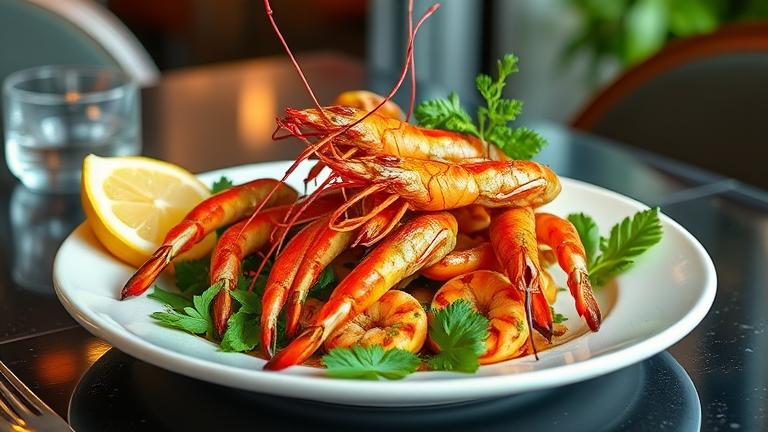
Mantis Shrimp: Health Benefits and Taste
Mantis shrimp are a delicious and eye-catching seafood choice loved by many for their sweet, juicy meat and striking appearance. These vibrant crustaceans, often found in warm waters around the world, offer more than just their unique look. They also pack significant health benefits, making them a popular option for those who want tasty food that boosts their well-being.
One of the main reasons to include mantis shrimp in your diet is their high protein content. Protein is essential for building and repairing tissues, supporting muscle health, and maintaining energy levels. Mantis shrimp are a lean source of protein, meaning they provide these benefits without a lot of fat.
Aside from protein, mantis shrimp are rich in important vitamins and minerals. They contain vitamin B12, which helps keep your nervous system healthy and prevents fatigue. They also have zinc, a mineral that supports immune function and helps wounds heal faster. Additionally, they are a good source of omega-3 fatty acids, which are known for their heart health benefits. Omega-3s can reduce inflammation and lower the risk of heart disease.
Flavor Profile of Mantis Shrimp
The taste of mantis shrimp is what makes them a favorite among seafood lovers. Their meat is tender and slightly sweet, with a flavor often described as a cross between lobster and shrimp. When cooked properly, their meat is juicy and succulent, offering a satisfying texture that holds up well in many recipes.
Many people enjoy mantis shrimp grilled, steamed, or boiled. They’re also popular in Asian cuisines, where they’re used in spicy stir-fries, broths, or sushi. Because of their delicate flavor, mantis shrimp complement bold seasonings and sauces well. For example, garlic, chili, ginger, and soy sauce are common pairings that enhance their natural sweetness.
Practical Tips for Cooking Mantis Shrimp
- Always clean your mantis shrimp thoroughly before cooking. Rinse them under cold water and remove any excess dirt or debris.
- If you’re new to preparing them, consider boiling or steaming first. These methods help preserve their tender texture and make shell removal easier.
- Be careful not to overcook mantis shrimp. Cooking times are short usually just 3 to 5 minutes. Overcooking can make their meat tough and rubbery.
- Try incorporating mantis shrimp into seafood pasta, rice dishes, or salads for a quick and flavorful meal.
While they might seem intimidating because of their striking appearance and tough shells, mantis shrimp are truly a worthwhile addition to your seafood repertoire. Their health benefits plus their delicious, sweet flavor make them a smart and tasty choice for any home cook eager to try something new.
Common Questions and Safety Tips
Mantis shrimp are fascinating seafood choices known for their vibrant color and unique flavor. If you’re considering trying them, you might have some questions about how to eat them safely and enjoy them properly. Here, we’ll cover some of the most common questions and share useful safety tips to help you make the most of your mantis shrimp experience.
Are mantis shrimp safe to eat?
Yes, mantis shrimp are generally safe to eat when purchased from reputable sources. However, it’s important to ensure they are fresh and properly prepared. Like all seafood, eating spoiled or contaminated mantis shrimp can cause foodborne illness. Always check for a clean, ocean-fresh smell and bright, clear eyes if purchasing live. Avoid any mantis shrimp with a strong, sour, or ammonia-like odor.
How should I prepare mantis shrimp?
Preparation usually involves cleaning, boiling, or steaming. First, remove the shell carefully, especially if you plan to eat the meat. Some people prefer to remove the venomous spines or claws, as these parts can be sharp or difficult to eat. Rinse thoroughly to wash away any dirt or sand. Cooking methods like boiling for about 5-7 minutes or steaming for 8-10 minutes work well to fully cook the shellfish and enhance flavor.
What are common safety tips when handling mantis shrimp?
- Wear gloves: Mantis shrimp have sharp claws and spines that can cause cuts. Gloves protect your hands during cleaning and shelling.
- Use proper tools: Use seafood scissors or a shellcracker to avoid injury when opening shells.
- Check for freshness: Always buy from trusted vendors and look for signs of freshness as mentioned earlier.
How do I know when mantis shrimp is cooked enough?
Properly cooked mantis shrimp turn opaque and bright pink or orange. The meat should be firm but not rubbery. Overcooking can toughen the meat, so keep an eye on the time. The internal temperature should reach at least 145°F (63°C) for safe consumption.
Are there any health risks to be aware of?
Occasionally, mantis shrimp can carry parasites or bacteria if not handled or stored properly. Always refrigerate or freeze them promptly after purchase. Do not eat raw or undercooked mantis shrimp unless you’re sure they have been prepared safely, as raw seafood carries a higher risk of foodborne illness.
Tips for safe eating mantis shrimp
- Always wash your hands and utensils after handling raw seafood.
- If you experience any allergic reactions like swelling, rash, or difficulty breathing after eating mantis shrimp, seek medical help immediately.
- Cook mantis shrimp thoroughly to eliminate harmful bacteria and parasites.
- Serve mantis shrimp hot or cold, but keep it refrigerated if not consumed immediately.
Enjoying mantis shrimp can be a delightful culinary adventure. With proper handling and safety precautions, you can savor their sweet, succulent meat confidently and safely.
Nutritional Value and Seafood Role
Mantis shrimp are a fascinating and tasty seafood choice, packed with nutrients that can benefit your health. They are a good source of high-quality protein, which is essential for building and repairing muscles, supporting immune function, and maintaining overall energy levels. If you enjoy adding seafood to your diet, mantis shrimp offer a nutritious option that fits well into a balanced eating plan.
Beyond protein, mantis shrimp also provide a range of important vitamins and minerals. They are rich in vitamin B12, which helps keep your nerve cells healthy and supports blood formation. They also contain zinc and selenium, minerals that are vital for immune health and antioxidant defense. Additionally, mantis shrimp offer omega-3 fatty acids, known for their benefits to heart health and brain function.
Calorie and Fat Content
In terms of calories, mantis shrimp are relatively low, making them a good choice for those watching their caloric intake. A typical serving of cooked mantis shrimp (about 3 ounces) contains roughly 100 calories. They are low in saturated fat, which means they support heart health without contributing to bad cholesterol levels.
Role in a Healthy Diet
Mantis shrimp can be a key component of a balanced seafood diet. They provide essential nutrients that contribute to overall health, especially when paired with vegetables, grains, and healthy fats. Because they are high in protein yet low in fat, they are ideal for those aiming to maintain a healthy weight or support muscle development.
When planning your meals, consider combining mantis shrimp with colorful vegetables and whole grains to create a nutritious and satisfying dish. For example, a spicy mantis shrimp stir-fry with bell peppers and brown rice is not only delicious but also wholesome. Including various types of seafood like mantis shrimp can diversify your nutrient intake and prevent dietary monotony.
Benefits of Including Mantis Shrimp in Your Diet
- Support for Heart Health: Rich in omega-3 fatty acids, mantis shrimp can help reduce inflammation and lower the risk of heart disease.
- Boosted Immune System: The zinc and selenium content promote immune function and help your body fight off illnesses.
- Brain Support: Omega-3s and vitamin B12 support cognitive health and nerve function.
- Healthy Protein Source: They offer a lean, high-quality protein, perfect for building muscle and maintaining energy.
Incorporating Mantis Shrimp Safely
When including mantis shrimp in your diet, ensure they are fresh or properly stored. Always cook seafood thoroughly to reduce the risk of foodborne illness. Mantis shrimp are versatile and can be prepared in many ways, such as boiling, grilling, or stir-frying, making them a practical addition to your weekly seafood intake.
Best Ways to Cook Mantis Shrimp
Mantis shrimp are a unique and tasty seafood that can be cooked in many ways. They have a sweet, tender meat that works well with different cooking techniques. Whether you like them boiled, grilled, or sautéed, there are simple methods to bring out their best flavors. Here are some of the best ways to cook mantis shrimp safely and deliciously.
Boiling Mantis Shrimp
Boiling is one of the easiest and quickest methods to cook mantis shrimp. It helps retain their natural sweetness and keeps the meat tender. To start, fill a large pot with enough water to cover the shrimp. Add a pinch of salt and, optionally, some herbs or lemon slices for extra flavor.
Bring the water to a rolling boil. Once boiling, add the mantis shrimp carefully, making sure they are fully submerged. Cook them for about 3 to 4 minutes or until their shells turn a bright orange color. Overcooking can make the meat tough, so keep an eye on the time.
When done, use a slotted spoon to remove the shrimp. Rinse briefly under cold water to stop the cooking process. Boiled mantis shrimp are great served with dipping sauces like garlic butter or spicy chili oil.
Grilling Mantis Shrimp
Grilling imparts a smoky flavor that enhances the natural sweetness of mantis shrimp. Prepare your grill and preheat it to medium-high heat. Before grilling, you can marinate the shrimp in olive oil, garlic, lemon juice, and herbs for 15 to 30 minutes for extra flavor.
Place the shrimp on the grill, shell side down first. Grill for about 2 to 3 minutes per side or until they turn opaque and develop nice char marks. Be careful not to overcook, as the meat can become rubbery. Using skewers can make flipping easier and prevent falling through the grill grates.
Grilled mantis shrimp go well with fresh salads or served on a bed of rice. They taste fantastic with a squeeze of lemon or a simple soy dipping sauce.
Stir-Frying Mantis Shrimp
For a quick and flavorful meal, stir-frying mantis shrimp is a great choice. Start by peeling and deveining the shrimp if desired, leaving the shells on for extra flavor during cooking. Heat a tablespoon of oil in a wok or large skillet over medium-high heat.
Add garlic, ginger, and your favorite vegetables like bell peppers or snap peas. Cook for a minute or two until fragrant. Then, add the mantis shrimp and stir-fry for about 3 to 4 minutes or until they turn opaque.
Season with soy sauce, fish sauce, or chili for a spicy kick. Serve over steamed rice or noodles for a satisfying meal. Stir-frying keeps the shrimp tender and absorbs the flavors of your sauce or spices.
Tips for Safe and Delicious Mantis Shrimp
- Always buy fresh mantis shrimp from reputable sources. Fresh shellfish should smell clean and ocean-like.
- Adjust cooking times based on the size of the shrimp. Larger mantis shrimp might need an extra minute or two.
- Ensure the meat is fully cooked before eating. The shells will turn bright orange or pink when done.
- Avoid overcooking, which can lead to chewy or rubbery meat. When in doubt, slightly undercook and finish with a quick final cook if needed.
- Experiment with different seasonings and sauces to find your favorite way to enjoy mantis shrimp.
Buying, Storage, and Freshness Tips
When it comes to mantis shrimp, selecting the freshest shellfish makes all the difference in your dish. Fresh mantis shrimp should have a clean, ocean-like smell think salty or slightly briny, not fishy or sour. Their shells should be firm and intact, without cracks or discoloration. Bright, clear eyes and vibrant shells are good indicators of quality. If you’re buying live mantis shrimp, look for lively movements and alertness, which signal they’re still fresh and healthy.
Before purchasing, it’s helpful to ask the fishmonger when the mantis shrimp was caught or if it’s been stored properly. Buying from a reputable source or seafood market known for quality freshness can reduce the risk of spoilage. If possible, choose mantis shrimp that are stored on ice or in a refrigerated display. Avoid any with slimy shells, dull appearance, or bad odors, as these are signs of aging or poor handling.
Proper Storage Techniques
The key to keeping mantis shrimp fresh at home is proper storage. If you plan to cook it within the same day, keep it cold by placing it in the refrigerator. Wrap live mantis shrimp loosely in a damp cloth or paper towel, then store them in a breathable container or perforated plastic bag. This prevents them from suffocating while allowing moisture to escape.
If you’ve bought pre-cooked mantis shrimp, store it in an airtight container. Keep it at or below 40°F (4°C) to maintain quality. It’s best to consume cooked mantis shrimp within 1-2 days for optimal freshness. For longer storage, freezing is a good option. Place them in a vacuum-sealed bag or airtight container, then freeze at 0°F (-18°C). Properly stored, frozen mantis shrimp can last up to 3 months without losing flavor or texture.
Ensuring Optimal Freshness
To enjoy mantis shrimp at their best, use them as soon as possible after purchase. If you notice any sliminess, a strong fishy smell, or discoloration, it’s best to discard them. When preparing mantis shrimp, gently rinse with cold water to remove any debris or surface dirt. Be careful not to scrub too hard, as this can damage their shells and affect the quality.
Cooking mantis shrimp promptly after purchase helps preserve their flavor and texture. For live mantis shrimp, it’s recommended to cook within a few hours of buying. If you need to store them, keep them cold and moist but avoid submerging them in fresh water, which can harm the shell and cause spoilage. Freshness is also about timing plan your cooking to avoid keeping mantis shrimp for too long before preparing.
- Always buy from trusted sources that keep mantis shrimp on ice or in refrigeration.
- Store live mantis shrimp in a damp environment in the fridge, not in standing water.
- Freeze pre-cooked mantis shrimp if not used within 2 days for longer storage.
- Avoid purchasing if you notice bad odors, dull shells, or sluggish movement in live shrimp.