
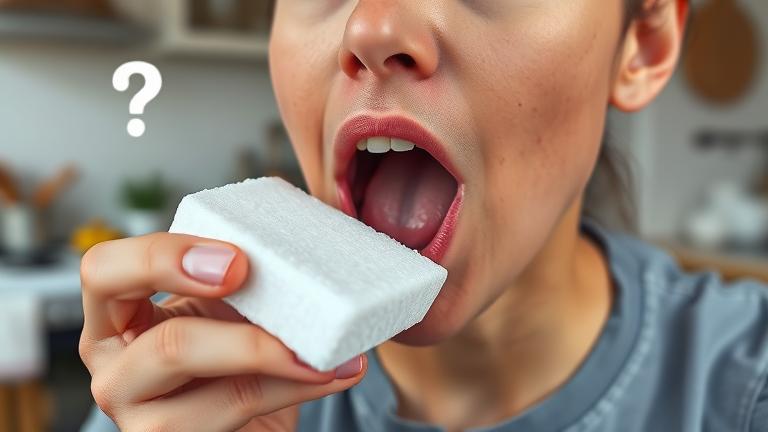
What Is Styrofoam?
Styrofoam is a type of lightweight, foam-like material made from a plastic called polystyrene. It is commonly used in packaging, insulation, and disposable containers. Many people recognize it by its white, fluffy appearance and its ability to keep items warm or protect fragile items during shipping.
One of the main properties of Styrofoam is its excellent insulating ability. This means it can keep heat in or out, making it perfect for things like coffee cups or cooler boxes. It is also very light, so it doesn’t add much weight to packages or products. Its foam structure helps absorb impacts, which is why it is often used to cushion delicate objects.
Common Uses of Styrofoam
- Food and beverage containers, such as coffee cups and takeout boxes
- Packaging material to protect fragile items during shipping
- Insulation in building construction to improve energy efficiency
- Crafts and DIY projects, thanks to its easy-to-shape nature
Although Styrofoam is very useful, it also has some environmental concerns because it does not decompose easily. That is why recycling or alternative materials are becoming more popular. But understanding what Styrofoam is helps us use it safely and responsibly, whether for storing food or shipping delicate items.
Is Styrofoam Toxic or Safe?
Styrofoam, a common material used for packaging, takeout containers, and cups, often raises concerns about its safety. Many people wonder if it is safe to handle or ingest foods from Styrofoam. Understanding the potential risks can help you make smarter choices about its use.
Styrofoam is a type of expanded polystyrene. It is lightweight, inexpensive, and has good insulation properties. These qualities make it popular for food packaging. But safety depends on its use, especially with hot foods and beverages.
Is Styrofoam Toxic?
Styrofoam itself is considered non-toxic when used under normal conditions. It does not inherently contain harmful chemicals that leach into food. However, problems can occur when it is exposed to heat or harsh chemicals.
Heating Styrofoam, especially with hot foods or liquids, can cause the material to break down. This can release chemicals like styrene, which has been linked to health concerns. Styrene is classified as a possible carcinogen, meaning it might increase cancer risk if people are exposed over a long period.
That is why it is safer to avoid putting very hot foods or drinks directly into Styrofoam containers. If the containers are damaged, discolored, or deformed, it is best not to use them to prevent chemical transfer to your food.
When Is Styrofoam Safe?
Styrofoam is generally safe for cold or cool foods and drinks like cold beverages or a packed lunch. Always look for containers labeled as food-safe and follow the storage instructions carefully.
Use Styrofoam mainly for short-term use. Do not heat or store hot foods in it for long periods. If you need to microwave food, transfer it to a microwave-safe dish instead. This avoids the risk of chemical release.
Inspect containers for tears, cracks, or warping before using. Damaged containers might leak chemicals or pose safety issues. When in doubt, switching to safer options like paper or reusable containers is a smart move.
Safety Tips for Handling Styrofoam
- Do not microwave Styrofoam unless it is specifically labeled microwave-safe.
- Avoid reusing Styrofoam containers multiple times if they are damaged.
- Use Styrofoam only for short-term food storage or serving.
- Dispose of Styrofoam properly, as it is not biodegradable and can harm the environment.
- Always check for cracks or warping before handling or serving from Styrofoam containers.
By following these tips, you can handle Styrofoam more safely, protecting both your health and the environment.
Summary
Overall, Styrofoam can be safe when used correctly—for cold and short-term storage. However, caution is needed with hot foods or liquids, as it may release potentially harmful chemicals.
Always check labels and damage before use. When heating or storing hot foods, consider switching to safer alternatives like paper or reusable containers to be on the safe side.
Why Some Consider Eating Styrofoam
People who consider eating Styrofoam often have various reasons behind their curiosity or attempts. Some are influenced by psychological factors, such as a condition called Pica. Pica is a disorder where individuals have an intense desire to eat non-food items, including things like paper, dirt, or even Styrofoam. For these individuals, the urge to eat Styrofoam isn’t about nutrition but stems from a deep-rooted compulsion.
Cultural influences can also play a role. In some communities, eating or chewing on certain materials might be part of traditional practices or rituals. Although this is rare with Styrofoam, curiosity about different cultural behaviors can lead people to consider trying it.
Another reason is the sensory appeal. Some people find the texture of Styrofoam interesting or satisfying to chew, especially if they are seeking sensation or stress relief. This behavior is often linked to mental health conditions or stress-related habits.
Additionally, some individuals may misunderstand what Styrofoam is made of and believe it to be edible or harmless. Myths or misconceptions about its safety can encourage experimentation.
Finally, curiosity itself plays a big part. People, especially children and teens, might want to see what it feels like or just want to explore unusual objects. Many experiments with non-food items start from simple curiosity.
Understanding these reasons helps us approach the subject with empathy and awareness. It’s important to note that eating Styrofoam can be dangerous, regardless of the motivation, because it is not digestible and can cause health issues like choking or internal damage.
Health Risks of Eating Styrofoam
Many people wonder about the dangers of accidentally swallowing Styrofoam. While it might seem harmless at first, eating Styrofoam can pose serious health risks. Styrofoam, often used in packaging and disposable cups, is not meant for consumption. When ingested, it can cause a range of adverse effects that you should be aware of.
The main concern with eating Styrofoam is that it does not break down easily inside your body. Unlike food, Styrofoam is made from polystyrene, a plastic that can stay intact for a long time. If swallowed, it can potentially block parts of your digestive system. This can lead to pain, discomfort, and in severe cases, require medical intervention.
Potential Digestive Problems
One of the most immediate risks is gastrointestinal blockage. If a large piece of Styrofoam gets lodged in your intestines or stomach, it can cause nausea, vomiting, and difficulty passing food. Small fragments might cause irritation or minor damage, but larger pieces are more likely to cause complications.
Possible Chemical Leaching
Styrofoam contains chemicals that are not meant for digestion. Over time, some of these chemicals can leach out into your body if ingested. These substances may include styrene, a chemical linked to health concerns like nerve issues and cancer risks. Although accidental ingestion of small amounts is unlikely to cause immediate harm, repeated exposure could be problematic.
Health Risks from Contaminants
Styrofoam often carries dirt, bacteria, or other contaminants from its manufacturing process or handling. Eating contaminated Styrofoam can lead to infections or food poisoning. It is always best to avoid any ingestion of non-food materials to keep your digestive system healthy.
Long-Term Effects
Regular consumption of Styrofoam or frequent accidental swallowing might contribute to more long-term health issues. Studies have shown concerns about plastic particles accumulating in your body, which might affect your immune system over time. While research is ongoing, it is clear that Styrofoam is not safe to eat.
In conclusion, even small amounts of Styrofoam can pose health risks. If you or someone else accidentally swallow a piece, seek medical advice promptly. The best practice is to avoid eating or handling Styrofoam in any way that might lead to accidental ingestion. Always keep food and non-food items separate to protect your health and well-being.
What Happens If You Swallow Styrofoam?
Swallowing Styrofoam can be a worrying experience, but it helps to understand what actually happens inside your body. Styrofoam is made of plastic materials that your digestive system cannot break down. When you accidentally swallow a small piece, it mostly moves through your system unchanged.
Once inside, the foam travels down your esophagus and into your stomach. Since Styrofoam isn’t digestible, it doesn’t dissolve like food does. If the piece is small, it may pass through your intestines and be expelled naturally within a few days. However, larger pieces or those with sharp edges can cause some problems.
Potential Medical Implications
The main concern with swallowing Styrofoam is that it might cause a blockage. If the foam gets stuck in your esophagus, stomach, or intestines, it could prevent food and liquids from passing through. This blockage may result in symptoms like pain, nausea, vomiting, or difficulty swallowing.
| Issue | Possible Symptoms | Required Action |
|---|---|---|
| Blockage in esophagus | Difficulty swallowing, chest pain | Seek immediate medical help |
| Blockage in stomach or intestines | Pain, vomiting, inability to pass stool | Medical intervention needed |
Another risk is irritation or minor injury to the lining of your digestive tract, especially if the Styrofoam has rough edges. This can cause discomfort or minor bleeding. In very rare cases, small foam particles might be inhaled accidentally during swallowing, which could lead to respiratory problems.
What Should You Do If You Swallow Styrofoam?
If you swallow a small piece of Styrofoam and feel okay, keep an eye on your symptoms. Drinking water might help move the foam along. However, if you experience severe pain, persistent vomiting, difficulty swallowing, or suspect a blockage, it is important to see a doctor immediately.
Doctors may perform scans like X-rays to locate the foam and decide if treatment is needed. In some cases, removal of the foam may be necessary through medical procedures to prevent complications.
Tips to Stay Safe
- Keep Styrofoam away from children who might accidentally swallow it.
- Handle foam products carefully to avoid breakage and sharp edges.
- If you’re unsure about swallowing or have concerns, consult a healthcare professional for advice.
In summary, swallowing small bits of Styrofoam often doesn’t cause serious harm, but larger or sharp pieces can lead to complications. Knowing when to seek medical help is important for your safety. Always prioritize prevention and caution when handling foam materials.
Safe Alternatives to Styrofoam
Styrofoam, also called polystyrene foam, is widely used for packaging and insulation. But it is not eco-friendly and can harm the environment and our health. Luckily, there are many safe and green options you can choose instead.
Picking the right alternative depends on your specific need—whether for packaging, insulation, or protecting items during shipping. Here are some popular, safe, and biodegradable options that work well and help protect our planet.
Biodegradable Packaging Materials
- Molded fiber cartons: Made from recycled paper fibers, these boxes are durable enough for shipping fragile items. They break down naturally in compost, making them a great environmentally friendly choice.
- Bamboo or straw packaging: These natural materials are lightweight and strong. They’re perfect for eco-conscious packaging, especially when you want something sturdy yet biodegradable.
- Cornstarch packaging: Used as loose fill or packing peanuts, cornstarch options dissolve in water and decompose quickly, reducing waste.
Switching to these alternatives cuts down on plastic waste and makes your packaging safer for everyone and the Earth.
Reusable and Natural Insulating Materials
- Cotton or wool insulation: Natural fibers that provide good thermal insulation. They are safe to handle, renewable, and break down naturally when no longer needed.
- Sheep’s wool: An effective insulator that also absorbs and releases moisture, helping to regulate indoor climate. When sourced responsibly, it’s a sustainable choice.
- Hemp insulation: Hemp grows quickly and needs fewer chemicals. It offers excellent insulation and is eco-friendly, making it a smart alternative for home insulation projects.
Using these options not only benefits the environment but can also improve your home’s energy efficiency and indoor comfort.
Eco-Friendly Foam Alternatives
| Material | Uses | Advantages |
|---|---|---|
| Cellular bioplastics | Packaging and cushioning | Made from renewable resources, biodegradable, safe for the environment |
| Recycled paper foam | Packaging | Recycles waste paper, fully biodegradable, lightweight |
| Air-filled cushions | Padding for shipping fragile items | Reusable, non-toxic, provides excellent protection |
These materials are great for cushioning and protecting items during transit without harming the environment, unlike traditional Styrofoam.
Making the switch to eco-friendly Styrofoam alternatives is easier than you think. Look for biodegradable packing options when you shop, or consider natural insulation materials for your home. Always read product labels to ensure they are safe, recyclable, or compostable. By choosing environmentally friendly options, we can reduce plastic waste and help create a healthier planet for future generations.
Final Tips on Styrofoam Safety
Be Aware of Its Limitations
Styrofoam is useful for packaging and insulation, but it has its limits. It is not designed to be used with hot foods or in the microwave. Heat can cause it to break down and release harmful chemicals into your food. Always check the label and follow the manufacturer’s instructions to stay safe.
Avoid Microwave Use
To prevent chemical leaching and melting, never microwave Styrofoam containers unless they are specifically labeled microwave-safe. It’s best to transfer your food to a microwave-safe dish before reheating. This simple step keeps your food safe and your microwave clean.
Prevent Accidental Ingestion and Cuts
Handle Styrofoam carefully to avoid small pieces breaking off. These fragments can be sharp or easily swallowed, especially by children and pets. Keep loose pieces out of reach, and discard any broken pieces properly to prevent accidents.
Proper Disposal Is Key
Since Styrofoam is not biodegradable, recycling options are often limited. Whenever possible, reuse Styrofoam packaging to extend its life. When it’s time to dispose of it, follow local regulations for safe disposal. Proper disposal helps protect the environment and prevents potential hazards at home.
Store Safely and Use Responsibly
Store Styrofoam away from direct sunlight, heat sources, and sharp objects. When using it for food storage or packaging, handle it with care. Being aware of how to safely manage Styrofoam is your best defense against accidents and health issues.
- Keep small pieces out of reach of children and pets.
- Do not expose Styrofoam to high heat or open flames.
- Reuse and recycle whenever possible to support environmental safety.