
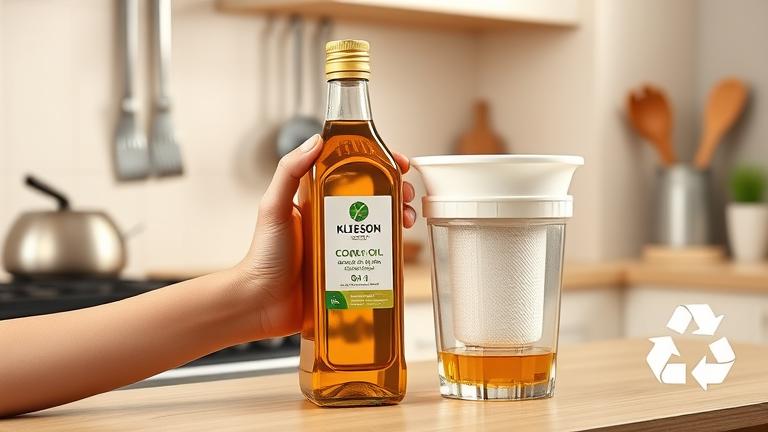
Can You Reuse Cooking Oil? An Overview
If you love frying foods at home, you might wonder whether you can reuse cooking oil. The answer is usually yes, but with some important considerations. Reusing oil can save money and reduce waste, but it also comes with safety and quality concerns. Knowing when and how to reuse cooking oil properly helps you enjoy delicious, safe meals every time.
Many home cooks reuse oil after frying snacks like fries, chicken, or donuts. It’s common to wonder if this practice is safe and how many times the oil can be used. Reusing oil is not always bad; in fact, it can be practical— as long as you follow certain guidelines. However, it’s crucial to understand the risks, including the potential for harmful compounds to form after multiple uses.
The good news is that with proper care, you can extend the life of your cooking oil. This involves checking the oil’s appearance, smell, and how it behaves in the pan. If the oil looks dark, smells off, or smokes at a lower temperature than usual, it’s time to discard it. Reusing oil isn’t worth risking your health or the taste of your food.
For safety and quality reasons, it’s best to reuse oil only a few times and always strain out food particles afterward. These particles can cause the oil to spoil faster and produce off-flavors. Storing used oil in a clean, airtight container away from light and heat helps maintain its quality. Be cautious about mixing new oil with old, as this can affect the oil’s stability.
Knowing the benefits of reusing oil can help you decide if it’s worth the effort. It can lower cooking costs and minimize waste. But it’s equally important to be aware of the risks, such as increased production of harmful compounds called free radicals when oil is heated repeatedly. These can pose health risks over time.
In the next sections, you’ll learn how to reuse cooking oil safely, how many times it can be reused, tips for storage, and signs that it’s time to throw it out. With a little care, you can make the most of your cooking oil while keeping your meals tasty and safe to enjoy.
Benefits of Reusing Cooking Oil
Reusing cooking oil can be a smart choice for many home cooks, offering several practical benefits. One of the main advantages is cost savings. Buying new oil for every single cooking session can add up quickly, especially if you cook frequently. By reusing oil, you extend its life and reduce the number of purchases needed. This not only saves money but also helps cut down on waste, making your kitchen more eco-friendly.
Another benefit is that reusing oil can improve your cooking habits. When you strain and store oil properly, it develops a slightly different flavor that can add complexity to your dishes. For example, used oil can give fried foods a richer taste, which some home cooks find desirable. Plus, reusing oil for similar types of dishes keeps flavor profiles consistent. Just remember, it’s best to reuse oil for foods that have similar flavors to avoid mixing unwanted tastes.
Many home cooks also appreciate the convenience of having oil ready to use when needed. Instead of running out of fresh oil, you can simply store the used oil in a clean container, making it easy to grab for your next batch of fried chicken or stir-fry. Proper storage is key— keep the oil in a sealed container away from sunlight and heat to avoid spoilage.
Though reusing oil has benefits, it’s important to keep health considerations in mind. Oil that is reused multiple times can break down, producing harmful compounds and free radicals. This can happen if the oil is heated to very high temperatures or if it’s used long after it has started to degrade. To get the most out of reusing oil safely, strain out food particles after each use, store it properly, and discard it if it smells rancid or looks cloudy.
Tips for Reusing Cooking Oil Safely
- Always strain the oil after use to remove leftover food particles.
- Store used oil in a clean, airtight container in a cool, dark place.
- Label the container with the date it was last used.
- Dispose of the oil if it smells sour, rancid, or has changed color.
- Avoid reusing oil more than 3-4 times for best health and flavor.
While reusing cooking oil is a practical way to save money and reduce waste, it’s important to balance those benefits with safety and health. When done correctly, reusing oil can be a useful part of cooking routines, especially for everyday frying and sautéing.
How to Properly Filter Cooking Oil
Filtering used cooking oil is an essential step to keep it fresh and safe for future use. Over time, oil can gather food particles, crumbs, and tiny bits that can affect the flavor and quality. Proper filtering helps remove these impurities and prevents spoilage, saving you money and promoting healthier cooking.
Luckily, filtering cooking oil is straightforward. It requires the right tools and a little bit of patience. Here’s a friendly guide to help you do it effectively and safely.
Tools and Materials You’ll Need
- A fine-mesh strainer or sieve
- Coffee filter, cheesecloth, or paper towel
- A clean, heat-safe container (like a glass jar or plastic bottle)
- Optional: a funnel for pouring
Preparation Steps
- Allow the oil to cool down. Hot oil can cause burns and makes filtering more difficult. Wait until the oil is warm or completely cooled before handling.
- Set up your workspace in a well-ventilated area. Place your filtering tools over a clean container to catch the filtered oil.
Filtering Process
- Pour the used oil slowly into the fine-mesh strainer or sieve. This initial step catches large food particles like bread crumbs or veggie pieces.
- If the oil still looks cloudy or contains tiny particles, line your strainer with a coffee filter, cheesecloth, or folded paper towel. This extra layer traps smaller bits.
- Carefully pour the oil through the lined strainer or directly from your container using a funnel. Do this slowly to prevent splashing or spilling.
- Repeat the process if necessary. You can filter the oil multiple times with fresh filters to get a cleaner result.
Tips for Effective Filtering
- Use a clean container for storing the filtered oil. Dirt or leftover food from previous uses can introduce bacteria or spoilage.
- Don’t overfilter. Excessively fine filters may remove some of the oil’s natural flavor and beneficial compounds.
- If you notice the oil has an off smell, sour taste, or murky color even after filtering, it’s best to discard it. Filtering cannot fix spoiled oil.
- Label your stored oil with the date of filtering. This helps you keep track of its freshness and when it might need replacing.
Safety and Storage Tips
- Always allow hot oil to cool completely before handling to avoid burns.
- Store filtered oil in a cool, dark place away from direct sunlight. Light and heat accelerate spoilage.
- Use your filtered cooking oil within a reasonable timeframe, usually about 1-2 months, depending on usage and storage conditions.
By regularly filtering your cooking oil, you can enjoy fried foods with better flavor and safety. It also extends the life of your oil, saving you money and reducing waste. With a few simple steps and the right tools, you’ll ensure your oil remains fresh, clean, and ready for your next tasty meal.
How Many Times Can You Reuse Oil?
Reusing cooking oil is common in home kitchens. It can save money and reduce waste. But knowing how many times to reuse oil safely is important to keep your food tasty and healthy.
The number of times you can reuse oil depends on several factors. These include the type of oil, what you cook, and how you store it. Generally, most oils can be reused around two to three times. However, it’s not just about the count. Watching for signs that oil has gone bad is key.
Different oils behave differently. For example, oils with high smoke points, like peanut or vegetable oil, tend to last longer than extra virgin olive oil. Reusing oil too many times can cause it to break down, develop off-flavors, and even produce harmful compounds.
After each use, you should strain the oil to remove food particles. These bits can burn during the next frying session and cause the oil to degrade faster. Use a fine mesh strainer or cheesecloth to filter out debris. Store used oil in a clean, airtight container away from light and heat. This helps slow oxidation and prolongs its life.
A good rule of thumb is to avoid reusing oil if it smells rancid or has a stale odor. If the oil looks dark or has a sticky or sludge-like texture, it’s time to discard it. You may also notice a change in color or excessive smoking when heated. These are signs the oil is breaking down and should not be reused.
Here are some practical tips for safely reusing oil:
- Reuse oil only if it was used for frying foods similar in flavor and coating. For example, use oil that was used for savory foods for similar dishes again.
- Never mix old oil with fresh oil. This can cause uneven cooking and faster spoilage.
- Keep track of how many times you’ve reused oil. Mark the container after each use.
- Always smell and visually inspect the oil before each reuse. If in doubt, it’s safer to discard it.
Some oils, like sesame or walnut oil, are more delicate and should not be reused many times. Their flavor and aroma can diminish quickly, and they tend to break down faster.
When in enough doubt about the safety of reused oil, it’s better to be cautious. Using fresh oil ensures your fried foods stay crispy, tasty, and safe. Remember, health comes first, and discarded oil is a small price for a safe and delicious meal.
Here’s a quick reference table to help you decide based on oil type and signs for discarding:
| Oil Type | Reuse Limit | Signs to Discard |
|---|---|---|
| Peanut, Vegetable, Canola | 2-3 times | Dark color, bad smell, excessive smoking |
| Extra Virgin Olive | 1-2 times | Rancid smell, thick texture, low smoke point |
| Nuts/Sesame | 1 time | Strong aroma loss, off-flavors |
Storing Used Cooking Oil Safely
Storing used cooking oil properly is important to keep it fresh, safe, and ready for reuse or disposal. When you cook with oil, it doesn’t just disappear—it needs proper handling afterward. Whether you plan to reuse the oil or throw it away, following some simple tips can help you avoid unpleasant smells, spoilage, or accidents in your kitchen. Good storage practices also protect your household and the environment.
First, always let the used oil cool down before handling it. Hot oil can cause burns or accidents if spilled. Once cooled, strain the oil through a fine sieve or cheesecloth to remove food particles. These bits can cause the oil to spoil faster or develop off-flavors.
Choose the right container for storage. Use a clean, airtight container that’s sturdy and made from materials like glass or heavy-duty plastic. Avoid thin plastics or containers that previous oils have been stored in, as they might react or leak. Make sure the lid fits tightly to prevent odors from escaping and to stop contaminants from entering.
Label your container clearly with the date it was used. This helps you keep track of how long the oil has been stored. Generally, used cooking oil can be kept for about one to three months if stored properly. After that, it may develop a rancid smell or taste, which means it’s time to discard it.
Store the oil in a cool, dark place away from direct sunlight, heat sources, or strong odors. Sunlight and heat accelerate the breakdown of oil, reducing its quality. A pantry or cupboard is usually a good spot. Keep it separate from cleaning supplies or chemicals to prevent accidental mixing or spills.
It’s also smart to avoid storing large amounts of used oil if you’re not planning to reuse it soon. Excess oil can be a fire hazard if it overflows or leaks onto heat sources. Pouring used oil down the drain or toilet is a big mistake—this can clog pipes and harm the environment. Instead, check if your local waste disposal or recycling center accepts used cooking oil. Many places have special collection programs or drop-off points to dispose of used cooking oil safely.
Here are some quick tips to remember:
- Always let the oil cool completely before storage.
- Strain the oil to remove food particles that cause spoilage.
- Use a clean, airtight container made for storing liquids.
- Label the container with the date of use.
- Store in a cool, dark place away from heat and sunlight.
- Do not pour oil down drains or onto the ground.
- Check with local services for proper disposal options.
By following these simple steps, you can keep your used cooking oil fresh longer, prevent accidents, and help protect the environment. Proper storage not only maintains the quality of your oil if you plan to reuse it but also keeps your kitchen safe and tidy.
Risks of Reusing Cooking Oil
Reusing cooking oil might seem like a good way to save money or reduce waste, but it can come with some health risks and safety concerns. When oil is used multiple times, it undergoes chemical changes that can impact your health and the safety of your food.
One of the main issues is the formation of harmful compounds. Each time oil is heated, especially at high temperatures, it can break down and produce substances called aldehydes. These compounds are linked to inflammation and may increase the risk of heart disease over time. Repeated heating also causes the oil to become increasingly oxidized, making it more unstable and more likely to produce toxic byproducts.
Using old or reused oil can also impact the quality and taste of your food. Oil that has gone bad may produce a rancid smell or flavor, which can make your dishes unpleasant. Rancid oil not only affects taste but also signifies that the oil’s nutritional value has decreased. For example, essential fatty acids can become damaged, reducing the health benefits you expect from cooking with oils like olive or canola oil.
Health Risks to Watch Out For
- Increased intake of harmful chemicals: Repeatedly heated oil contains more free radicals, which are substances that can damage cells in your body. Over time, consuming these can contribute to aging and disease.
- Potential carcinogens: Certain compounds formed during the breakdown of oil are classified as carcinogens, meaning they could increase the risk of some cancers if consumed regularly.
- Digestive issues: Consuming degraded oil might cause stomach discomfort or indigestion, especially if the oil has turned rancid.
Safety Tips for Handling Reused Oil
- Limit reuse time: Reuse cooking oil only 2-3 times at most. After that, the risk of harmful compounds increases significantly.
- Strain the oil: After cooking, strain out any food particles and store the oil in a clean, airtight container. This helps slow down the oxidation process.
- Watch for signs of spoilage: If the oil develops a off smell, color change, or becomes sticky, it’s time to dispose of it.
- Use the right temperature: Avoid overheating oil beyond its smoke point, which can accelerate chemical breakdown.
- Dispose of used oil properly: Never pour oil down the drain. Instead, let it cool, then pour it into a disposable container and throw it away or recycle if possible.
Conclusion
While reusing cooking oil can save money, it is important to be aware of the potential health and safety risks involved. Proper handling, limiting reuse, and paying attention to signs of spoilage can help you cook safely and enjoy tasty, healthy meals.
Tips to Extend Oil Lifespan
Cooking oil is a valuable kitchen staple, but it doesn’t last forever. Proper filtering, storage, and usage habits can help you get the most out of your oil and save money in the long run.
Filter Oil Regularly
When you fry foods, small particles and leftover bits tend to settle at the bottom of your oil. These particles can cause the oil to spoil faster and develop unpleasant flavors. To keep your oil fresh, strain it after each use through a fine mesh sieve or cheesecloth. This simple step removes debris and prevents the oil from breaking down prematurely.
Store Oil Properly
How you store your cooking oil has a big impact on its longevity. Keep oil in a cool, dark place away from direct sunlight and heat sources. Light and heat accelerate oxidation, which makes the oil go rancid quicker. Use an airtight container to prevent exposure to air, which also causes spoilage. Consider transferring it to a darker bottle if your original container isn’t opaque. Proper storage can extend the life of your oil by several months.
Monitor Oil Temperature and Avoid Overheating
Repeatedly heating oil to high temperatures speeds up its breakdown. Always heat your oil to the appropriate temperature for your recipe and avoid overheating it. Using a thermometer can help you keep track and prevent burning. If you notice smoke or a rancid smell, it’s time to replace the oil. Overheated oil not only spoils faster but also produces harmful compounds.
Limit Reuse of Oil
Reusing oil more than a few times can compromise its quality. Each cycle of frying adds to the breakdown of fats and creates free radicals. A good rule of thumb is to reuse oil up to three times for similar foods. After that, the oil loses its freshness and can impact the taste and safety of your dishes. When oil starts to turn dark, develops a strange smell, or becomes sticky, it’s time to discard it.
Keep an Eye on Smell and Color
One of the easiest ways to tell if your oil is still good is to check its smell and appearance. Fresh oil has a mild scent and clear appearance. If it develops a sour or rancid odor, or turns dark and cloudy, it’s no longer safe to use. Using spoiled oil can give your food off-flavors and may cause health issues.
Practical Tips for Saving Oil
- Pour excess oil into a clean, sealed container for future filtering and reuse.
- Label stored oil with the date of first use to keep track of its age.
- Keep a small cup or jar nearby for quick filtering between batches.
- Avoid cooking on extremely high heat unless necessary, and stir frequently to distribute heat evenly.
Following these simple tips will help you maximize the life of your cooking oil. Not only does this save money, but it also ensures your dishes always taste fresh and delicious. Proper filtering, storing, and mindful usage prevent waste and keep your kitchen safer.