
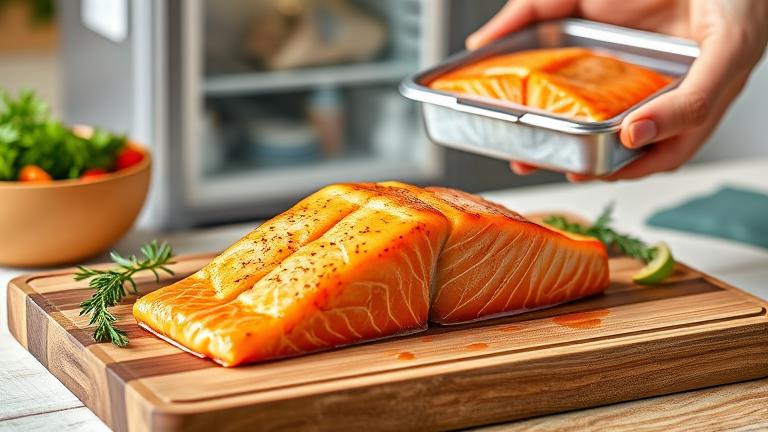
Can You Freeze Baked Salmon Safely?
Many home cooks wonder if they can freeze baked salmon and still enjoy its delicious flavor later on. The good news is, yes, you can freeze baked salmon safely if you follow a few simple guidelines. Proper storage helps keep the fish safe to eat and preserves its texture and taste. This way, you can enjoy leftovers or prepare meals in advance without worry.
But how do you freeze baked salmon correctly? And what are the safety considerations? Let’s go through some practical tips to ensure your baked salmon stays fresh and safe for future enjoyment.
Safety First
Freezing baked salmon is generally safe as long as you follow basic food safety rules. The most important thing is to make sure the fish is cool before freezing. Hot or warm baked salmon can raise the temperature inside your freezer, which might affect other stored foods and lead to bacteria growth.
Always refrigerate leftover baked salmon within two hours after cooking. If the room temperature is above 90°F (32°C), refrigerate within one hour. This quick cooling minimizes bacteria and keeps your food safe.
How to Freeze Baked Salmon
- Cool down first. Allow the baked salmon to cool completely at room temperature. You can set it on a plate or tray for faster cooling. But don’t leave it out for more than two hours.
- Wrap it well. Use plastic wrap, aluminum foil, or airtight containers to wrap the fish tightly. Removing as much air as possible helps prevent freezer burn and maintains quality.
- Label and date. Always label the packaging with the date you froze the salmon. It helps you keep track of how long it has been stored.
- Freeze promptly. Place the wrapped salmon in the freezer as soon as possible. For best quality, try to consume it within three months.
Tips for Best Results
- Use shallow containers or trays if you’re freezing multiple pieces. This helps the fish freeze evenly and quickly.
- If you want to enjoy the consistency of freshly baked salmon, consider portioning it into meal-sized pieces before freezing. It makes thawing easier.
- Thaw baked salmon safely by transferring it from the freezer to the refrigerator overnight. Avoid thawing at room temperature to prevent bacterial growth.
- Reheat gently in the oven or microwave to avoid drying out. Cover with a damp paper towel for moistness.
Common Mistakes to Avoid
- Freezing warm or hot salmon, which can cause bacteria growth and affect quality.
- Leaving baked salmon in the freezer for more than three to six months, as flavor and texture may decline.
- Not wrapping the fish tightly, leading to freezer burn and off-flavors.
Remember
Following these safe practices helps ensure your baked salmon remains tasty and safe to eat after freezing. Proper cooling, airtight wrapping, and timely consumption are key to enjoying leftovers without worry. Whether you’re saving extra portions or meal prepping, freezing baked salmon can be a convenient part of your cooking routine.
Best Methods to Store Baked Salmon
If you have leftover baked salmon and want to keep it fresh for later, proper storage is key. Freshness and safety depend on how well you package and store it, especially if you’re freezing it for longer-term use. Let’s explore some simple and effective ways to store baked salmon so it stays delicious and safe to eat.
First, it’s important to cool the baked salmon properly before storing. After baking, let it rest at room temperature for no more than two hours. Then, transfer it to the fridge or freezer promptly. Storing the salmon while it’s still warm can promote bacteria growth and spoilage.
When it’s time to store, focus on good packaging. Use airtight containers with tight-fitting lids or resealable plastic bags. Wrapping the baked salmon tightly in plastic wrap or aluminum foil also works well. The goal is to prevent air from reaching the fish, as exposure to air can cause freezer burn or spoilage.
For freezing baked salmon, container options include plastic storage containers designed for the freezer or sturdy resealable freezer bags. If using bags, squeeze out as much air as possible before sealing. Removing excess air reduces ice crystals and preserves the quality.
Label each package with the date you stored the salmon. This helps you keep track of how long it’s been in the freezer. Baked salmon stored properly can last about three to four months in the freezer without significant loss of quality.
When storing in the refrigerator, use a clean, airtight container or wrap the salmon tightly in plastic wrap and aluminum foil. It’s best to consume refrigerated baked salmon within two to three days. Make sure your fridge is set to 40°F (4°C) or lower to keep the fish safe.
Additional Storage Tips
- Always cool the fish before refrigeration or freezing.
- Use airtight containers or resealable bags for the best protection.
- Remove excess air from bags to prevent freezer burn.
- Label packages with the storage date.
- Keep frozen salmon at 0°F (-18°C) or lower for optimal quality.
If you notice any odd smell, sliminess, or discoloration when you thaw and reheat your baked salmon, it’s safest to discard it. Proper storage, gentle handling, and timely use help ensure your leftover fish stays tasty and safe to enjoy later.
How to Properly Freeze Salmon leftovers
Freezing leftover baked salmon is a great way to prevent waste and enjoy your seafood later. Proper storage helps preserve the flavor, texture, and nutritional value of the salmon while preventing freezer burn. Follow these simple steps to ensure your salmon stays fresh and delicious for future meals.
1. Cool the Salmon First
After baking the salmon, allow it to cool down to room temperature. This prevents excess moisture from forming ice crystals, which can impact the texture. Don’t leave the salmon out for more than two hours to avoid bacteria growth. If you’re in a hurry, you can place it in the refrigerator for about 30 minutes before freezing.
2. Portion Your Salmon
Divide the salmon into serving-sized pieces. This makes it easier to thaw only what you need later. Use a sharp knife or fork to cut the salmon into chunks or fillets, depending on how you plan to use it.
3. Wrap the Salmon Properly
Wrap each portion tightly with plastic wrap or aluminum foil. Make sure there are no air pockets because air can cause freezer burn. For added protection, place the wrapped fish inside a resealable freezer bag or airtight container. Squeeze out as much air as possible before sealing.
4. Label and Date
Use a permanent marker to write the date of freezing on each package. This way, you can keep track of how long the salmon has been in the freezer. Frozen salmon is best used within three to six months for optimal flavor and quality.
5. Store the Salmon in the Freezer
Place the wrapped and labeled salmon in the coldest part of your freezer, ideally at 0°F (-18°C). Keep it away from regular items that might crush or damage the packaging. Try to avoid leaving salmon near the freezer door where temperature fluctuations are common.
6. Thaw the Salmon Safely
When you’re ready to eat, thaw the salmon in the refrigerator overnight. This slow thaw maintains the best texture and flavor. For quicker thawing, you can seal the salmon in a resealable bag and immerse it in cold water until thawed. Never thaw fish at room temperature, as this can promote bacteria growth.
Additional Tips for Best Results
- Avoid refreezing salmon once it has been thawed, as this can degrade quality.
- If you notice any ice crystals or freezer burn, trim off the affected parts before reheating.
- For reheating, gently warm the salmon in the oven or microwave to prevent drying out.
By following these straightforward steps, you can enjoy your baked salmon leftovers with full flavor and freshness, even weeks after freezing. Proper storage not only keeps your salmon tasty but also reduces food waste and saves money in the long run.
Tips for Thawing Baked Salmon
Thawing frozen baked salmon properly is key to preserving its flavor and texture. If you don’t thaw it correctly, the fish can become mushy or dry out when reheated. Luckily, there are simple methods to thaw your salmon safely and efficiently, ensuring you enjoy every bite as if it were freshly cooked.
1. Plan Ahead with Refrigerator Thawing
The best way to thaw baked salmon is in the refrigerator. This gentle method keeps the fish at a safe temperature while thawing. Usually, it takes about 12 to 24 hours depending on the size of the fillet or portion.
To do this, remove the frozen baked salmon from the freezer and keep it in its original packaging or place it in a sealed container. Place it on a plate or shallow dish to catch any drips and set it on the lowest shelf of your fridge.
This slow thawing process helps maintain the fish’s moisture and texture. It also minimizes the risk of bacterial growth, making it the safest choice for thawing seafood.
2. Use Cold Water for Faster Thawing
If you need to thaw your baked salmon more quickly, the cold water method works well. It takes about 1 to 2 hours, depending on the thickness of the fish.
To do this, keep the salmon in its sealed packaging or put it in a resealable plastic bag, squeezing out any excess air. Submerge the bag in a large bowl or sink filled with cold water.
Change the water every 30 minutes to keep it cold. This helps speed up the process and prevents the fish from reaching unsafe temperatures.
Once thawed, cook the salmon immediately to keep it fresh and safe to eat.
3. Avoid Thawing at Room Temperature
Never thaw baked salmon at room temperature. Leaving it out on the countertop can cause bacteria to grow rapidly, leading to foodborne illnesses.
This includes no thawing on the stovetop or in hot water. Always stick to the refrigerator or cold water methods for safety and best results.
4. Reheat Properly After Thawing
After thawing, reheating your baked salmon gently helps maintain its flavor and texture. Avoid microwaving it at high power, as this can dry out the fish or make it rubbery.
Instead, reheat in the oven at a low temperature, around 275°F (135°C), covered loosely with foil. Heating for about 10-15 minutes usually works well, but check to prevent overcooking.
If you prefer, you can also reheat slices in a skillet over low heat with a splash of oil or broth, stirring gently until warm.
Extra Tips for Safe Thawing
- Always thaw baked salmon in the refrigerator or cold water for safety.
- Use thawed salmon within 1-2 days for the best quality.
- Never refreeze thawed fish unless it has been cooked first.
- Label your packages to keep track of how long the fish has been thawed.
Reheating Baked Salmon Perfectly
Reheating baked salmon can be tricky because you want to warm it up without drying it out or losing its delicate flavor. The goal is to restore its moisture so that it tastes just as good as when it was freshly cooked. With a few simple tips, you can enjoy your leftover baked salmon without sacrificing its tender texture and rich taste.
The key to reheating baked salmon is gentle warmth. High heat can quickly overcook the fish, making it dry and rubbery. Instead, aim for low and slow methods, which help preserve moisture and sweetness. Before reheating, check that your salmon is stored properly in the fridge, ideally in an airtight container and within two days of cooking. This keeps it fresh and safe to eat.
Methods for Reheating Baked Salmon
There are several ways to reheat baked salmon, and each method offers advantages depending on your time and equipment.
1. Oven Reheating This is the best method for maintaining texture and flavor. Start by preheating your oven to around 275°F (135°C). Place the salmon on a baking sheet lined with foil or parchment paper. To keep it moist, add a drizzle of olive oil, a splash of lemon juice, or a few drops of water. Cover it loosely with foil to trap steam. Heat for about 15 minutes or until the internal temperature reaches 125°F (52°C). Check that it’s warm enough but not overcooked.
2. Microwave Method This is quick and convenient but can be tricky to avoid overcooking. Cut the salmon into smaller pieces if possible. Place it on a microwave-safe plate and cover with a microwave-safe lid or a damp paper towel. Use medium or low power to warm the fish gradually, about 30 seconds at a time. Check frequently and stop once it’s heated through. Adding a little broth or water before microwaving can keep the fish moist.
3. Stovetop Steaming This method gently warms the salmon while maintaining moisture. Fill a pot with a few inches of water and bring to a simmer. Place a steamer basket or a heatproof plate above the water and put the salmon on it. Cover the pot with a lid and let it steam for about 5-10 minutes, depending on the thickness. This slow process retains the fish’s tenderness.
Tips for Perfect Reheating
- Don’t reheat baked salmon more than once it often leads to dryness and flavor loss.
- If the salmon seems dry upon reheating, try adding a squeeze of lemon, a pat of butter, or a drizzle of olive oil to revive its moistness.
- Always check the internal temperature with a food thermometer. Aim for around 125°F (52°C) to ensure it’s hot enough without overcooking.
- Avoid heating directly from frozen. Always thaw the salmon in the fridge overnight for best results.
- Use leftovers within two days for optimal freshness and safety.
Delicious Salmon Meal Prep Ideas
If you have frozen baked salmon on hand, you’re already one step ahead for quick, healthy meals. Salmon is packed with omega-3 fatty acids, protein, and essential nutrients, making it an excellent choice for meal prep. With a little planning, you can turn frozen baked salmon into a variety of delicious dishes that taste great and save time.
One of the best things about baked salmon is its versatility. You can easily incorporate it into salads, wraps, bowls, or even pastas. Plus, since it’s already cooked, you can skip the lengthy prep and focus on adding fresh or cooked ingredients to build complete meals.
Smart Tips for Using Frozen Baked Salmon
- Thaw the salmon properly by moving it to the fridge overnight or using the defrost setting on your microwave. This ensures even heating and the best flavor.
- Remove the skin if you prefer a smoother texture or if it was baked with skin on. It can easily be peeled off after thawing.
- Reheat baked salmon gently to avoid drying it out. Try microwaving at 50% power for a minute or so, or warm it in a low-temperature oven.
- Cooked salmon lasts well in the fridge for up to 3 days. Freeze leftovers if you plan to store them longer.
Easy Meal Prep Ideas Using Frozen Baked Salmon
- Salmon Salad Bowl: Flake the thawed salmon and toss it with mixed greens, cherry tomatoes, cucumber slices, and your favorite dressing. Add some cooked quinoa or rice for extra carbs.
- Salmon Wraps: Spread hummus or cream cheese on a whole-grain wrap, layer with salmon, sliced avocado, and some crunchy veggies like bell peppers. Roll it up for a portable lunch.
- Salmon Pasta: Toss chunks of baked salmon with cooked pasta, olive oil, lemon juice, and chopped fresh herbs. Stir in some spinach or peas for added nutrition.
- Salmon Grain Bowl: Combine cooked brown rice or quinoa with salmon, steamed broccoli, roasted sweet potatoes, and a drizzle of tahini or your preferred sauce.
- Stuffed Sweet Potatoes: Bake sweet potatoes until soft, then top with shredded or chopped salmon, sour cream or Greek yogurt, chopped chives, and a squeeze of lemon.
Additional Tips for Perfect Salmon Meal Prep
- Pre-season or marinate your salmon before freezing to add flavor in advance.
- Mix and match ingredients depending on what you have in your fridge. Flexibility keeps meals interesting.
- Batch cook grains and vegetables ahead of time to streamline assembly during busy weekdays.
- Store prepared meals in airtight containers to keep them fresh and easy to grab on the go.
Using frozen baked salmon for meal prep is a smart way to make nutritious eating simple and fast. With a variety of ideas, you can enjoy tasty, balanced meals without spending hours in the kitchen. Just plan ahead, get creative, and you’ll have delicious salmon dishes anytime you want.
FAQs About Freezing and Storing Salmon
Freezing and storing baked salmon properly is key to enjoying its fresh flavor later. Many home cooks have questions about how best to keep their salmon safe and tasty over time. Here are some common questions and helpful tips to guide you.
Can I freeze baked salmon?
Yes, you can freeze baked salmon. Freezing leftovers is a great way to extend its shelf life and prevent waste. However, keep in mind that baked salmon may lose some of its texture when frozen and thawed. To get the best results, cool the salmon to room temperature after baking and then package it properly before placing in the freezer.
How should I store baked salmon in the freezer?
The best way to store baked salmon is in airtight containers or tightly wrapped with plastic wrap and aluminum foil. Removing as much air as possible helps prevent freezer burn, which can dry out the fish and affect flavor. Label the package with the date so you can keep track of how long it has been stored.
How long can I keep salmon in the freezer?
For the best quality, try to consume frozen baked salmon within three to four months. While it remains safe to eat beyond that time if continuously frozen, the texture and taste may decline. Use a table like the one below for easy reference:
| Freezing Time | Quality Tip |
|---|---|
| Up to 3 months | Best flavor and texture preserved |
| 3-4 months | Good quality, minimal flavor change |
| Beyond 4 months | Possible decline in taste and texture |
Should I freeze cooked or raw salmon?
You can freeze both raw and cooked salmon, but storing raw salmon is usually better if you plan to cook it later. Raw fish freezes well and retains its quality longer if properly stored. Cooked salmon, like baked or grilled, is more prone to texture changes but still freezes well for later reheating.
How do I thaw frozen salmon safely?
The safest way to thaw salmon is in the refrigerator. Place the frozen salmon in a dish or container and let it thaw overnight. If you’re in a hurry, you can put it in a sealed plastic bag and submerge it in cold water, changing the water every 30 minutes. Avoid thawing at room temperature, as this can promote bacterial growth.
What are some tips for maintaining salmon quality during storage?
- Wrap the fish tightly to prevent air exposure.
- Use freezer-safe containers or bags.
- Label packages with the date of freezing.
- Keep the freezer at 0°F (-18°C) or lower for optimal storage.
- Try to use the frozen salmon within the recommended time for best flavor.
Following these tips helps preserve the flavor, texture, and safety of your stored baked salmon. Proper freezing and storage ensure that you can enjoy delicious, high-quality salmon whenever you like.