
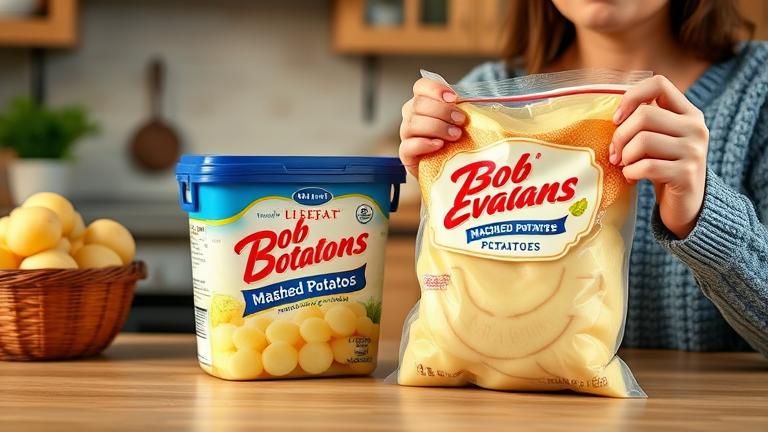
Is Freezing Mashed Potatoes Safe?
Many home cooks wonder if freezing mashed potatoes is a safe method to save leftovers or prepare meals in advance. The good news is that freezing mashed potatoes can indeed be safe if done correctly. It is a popular way to extend the shelf life of cooked potatoes and minimize waste.
However, there are safety considerations to keep in mind to prevent spoilage or foodborne illnesses. Proper handling, correct storage, and thorough reheating are essential to keep your mashed potatoes fresh and safe after freezing. Let’s explore the best practices and potential risks involved.
Potential Risks of Freezing Mashed Potatoes
- Texture Changes: Mashed potatoes tend to become grainy or watery once frozen and thawed. While this isn’t a safety issue, it can impact the eating quality.
- Growth of bacteria: If mashed potatoes are left at room temperature too long before freezing, bacteria can grow, increasing the risk of foodborne illnesses.
- Incorrect Storage: Not sealing the potatoes properly can lead to freezer burn, which affects taste and texture but does not necessarily make them unsafe.
Best Practices for Freezing Mashed Potatoes Safely
To preserve safety and taste after freezing, follow these tips:
- Cool Before Freezing: Let the mashed potatoes cool to room temperature within two hours of cooking. Hot potatoes can raise the temperature inside your freezer, risking other stored foods.
- Use Proper Containers: Store leftovers in airtight containers or freezer-safe bags. Remove excess air to prevent freezer burn.
- Label and Date: Write the date on your containers. This helps you keep track of how long they’ve been stored.
- Freeze Quickly: Place the potatoes in the coldest part of your freezer. Rapid freezing helps preserve their texture and flavor.
How Long Can You Freeze Mashed Potatoes?
| Freezing Duration | Quality |
|---|---|
| Up to 2 months | Best quality, texture remains good |
| 3 to 6 months | Good, but some texture may decline |
| Over 6 months | Possible loss of flavor and texture, safer to discard |
Tips for Reheating Frozen Mashed Potatoes Safely
- Thaw safely: Transfer frozen mashed potatoes to the fridge overnight. If in a hurry, reheat directly from frozen in a microwave or on the stove, stirring regularly.
- Reheat thoroughly: Ensure the potatoes reach a temperature of at least 165°F (74°C) to kill any bacteria.
- Watch for signs of spoilage: If the mashed potatoes develop an off smell, slimy texture, or mold after thawing, discard them.
By following these safety tips, freezing mashed potatoes becomes a practical way to save leftovers without risking your health. As long as you store, thaw, and reheat properly, your mashed potatoes will stay safe and delicious.
Best Ways to Store Mashed Potatoes
Proper storage helps keep mashed potatoes fresh, tasty, and safe to eat. Whether you have leftovers or are preparing in advance, knowing the correct storage methods makes a difference. From refrigeration to freezing, simple steps can help maintain their quality over time.
Refrigerating Mashed Potatoes
The most common method is storing in the fridge. After cooking or serving, let the mashed potatoes cool to room temperature within two hours. Cover them tightly with plastic wrap or transfer to an airtight container. This prevents air exposure and odour absorption from other fridge items.
Place the container in the coldest part of the refrigerator, typically at the back. When stored properly, mashed potatoes last for three to five days. Always reheat thoroughly to an internal temperature of at least 165°F (74°C) before eating to ensure safety.
Freezing Mashed Potatoes
If you want to store leftovers longer, freezing is an excellent option. Cool the mashed potatoes completely before freezing. Portion into smaller, freezer-safe containers or resealable bags. Flatten bags to remove excess air, and prevent freezer burn when possible.
Label each with the freezing date for tracking. Properly frozen, mashed potatoes last about four months, maintaining quality. When ready, thaw in the fridge overnight and reheat thoroughly, stirring well to restore their creamy consistency, which can slightly change due to freezing.
Tips for Best Storage Results
- Always cool the mashed potatoes before refrigeration or freezing to prevent bacterial growth.
- Use airtight containers to reduce moisture loss and prevent freezer burn.
- Avoid freezing mashed potatoes with added ingredients like cream or cheese unless you will reheat with additional liquids.
- If they seem dry after reheating, stir in milk or water to improve the texture.
- Check for spoilage signs, such as off smell, discoloration, or mold, and discard if found.
Common Mistakes to Avoid
Common errors include leaving mashed potatoes out at room temperature too long, which encourages bacteria growth. Freezing in large quantities without proper packaging can lead to freezer burn and texture issues. Reheating multiple times is also discouraged; reheat only once for safety and quality. Ensure even and thorough reheating to eliminate bacteria and prevent foodborne illnesses.
How to Properly Freeze Mashed Potatoes
Freezing mashed potatoes effectively saves time and reduces waste. Proper freezing preserves their texture and flavor, keeping them delicious upon reheating. Follow these steps for the best results, ensuring your mashed potatoes taste fresh and smooth later on.
1. Cool the Mashed Potatoes
Let the mashed potatoes cool to room temperature first. Hot or warm potatoes can cause condensation inside the container, leading to ice crystals and a soggy texture. Spread the potatoes on a baking sheet or large plate to cool faster, about 15-20 minutes.
Stir occasionally for even cooling. Do not leave them out too long refrigerate or freeze within two hours to prevent bacterial growth.
2. Portion the Mashed Potatoes
Divide into smaller portions to facilitate reheating. Use airtight containers or resealable freezer bags. For convenience, scoop out single servings or measure your typical meal size. Flatten bags to remove excess air or leave enough room in containers for expansion.
3. Add a Little Fat (Optional but Recommended)
To maintain creaminess, consider stirring in a small amount of butter or cream before freezing. These fats coat the potatoes and help keep moisture in during freezing and reheating.
Adding about 1–2 tablespoons of butter or half a cup of cream per batch is recommended. Mix thoroughly before sealing.
4. Label and Date
Always mark the package with the date of freezing. Use within one to two months for best quality and flavor. Use a permanent marker for clear labeling.
5. Freeze Properly
Place portions flat in the freezer for quick freezing. Once frozen solid, you can stack or organize them. Keep packages in the coldest part, away from the door, to maintain a stable temperature.
6. Reheating Frozen Mashed Potatoes
Thaw in the fridge overnight for the best texture or reheat directly from frozen. Use stovetop, microwave, or oven methods stir frequently for even heating.
If the potatoes seem dry, stir in milk or butter during reheating. Properly frozen mashed potatoes should come out creamy and delicious, just like fresh ones.
- Tip: Avoid freezing with added ingredients like cheese or sour cream, as these can alter texture or spoil faster.
- Tip: Consume within two months for optimal quality.
Thawing and Reheating Tips
Proper thawing and reheating are crucial for enjoying mashed potatoes at their best after freezing. Follow these simple guidelines to keep their fresh, creamy texture.
To thaw, move the potatoes from the freezer to the fridge overnight. This slow process helps maintain texture and reduces bacteria risk. For quick thawing, microwave on defrost setting in short intervals, stirring frequently.
If you’re in a hurry, you can reheat directly from frozen just ensure even heating to prevent sogginess or dryness. You can reheat on the stove, in the microwave, or in the oven, depending on your preference and amount.
Microwave Reheating
- Place mashed potatoes in a microwave-safe dish.
- Add a splash of milk or butter for creaminess.
- Cover with a microwave-safe lid or plastic wrap, leaving a vent.
- Heat on medium for 1–2 minutes, then stir.
- Repeat in short bursts until thoroughly hot, stirring often.
Stovetop Reheating
- Put mashed potatoes in a pot or skillet over low to medium heat.
- Add milk, cream, or butter to restore moisture and flavor.
- Cover and stir frequently to prevent sticking.
- Heat until steaming hot, about 5–10 minutes.
Oven Reheating
- Preheat oven to 350°F (175°C).
- Transfer mashed potatoes to an oven-safe dish and cover with foil.
- Optionally, stir in extra butter or milk for moisture.
- Reheat for 20–30 minutes, stirring halfway, until hot.
Additional tips include adding extra liquids if needed, stirring thoroughly after reheating, and ensuring mashed potatoes reach at least 165°F (74°C). Proper reheating prevents dryness and ensures the safety and quality of your leftovers.
Does Freezing Affect Taste and Texture?
Freezing mashed potatoes is a handy method to store leftovers or prepare ahead. But you might wonder if freezing impacts their flavor and texture when you enjoy them again. The good news is that with proper handling, you can keep your mashed potatoes tasting fresh and maintaining their creamy consistency.
During freezing, ice crystals can form inside the potatoes, which may cause some breakdown of structure. Upon thawing, your mashed potatoes might feel slightly grainy or watery compared to fresh ones. Also, some flavor loss can occur if stored too long or improperly sealed.
To minimize these effects, use airtight containers or tightly wrap the potatoes to prevent freezer burn. Removing excess air helps preserve flavor and texture. When freezing, consider adding a little extra butter or cream to help retain moisture.
When reheating, do so gently on low heat or in short microwave bursts, stirring often. Stirring in a splash of milk or cream after thawing can restore some of the original creaminess. While fresh mashed potatoes offer the best flavor, carefully handled frozen ones can still be quite enjoyable.
Common Mistakes to Avoid
- Freezing without proper airtight packaging, leading to freezer burn.
- Storing for too long, which diminishes quality. Aim to use within three months.
- Reheating at high temperature, risking uneven heating and texture deterioration.
In summary, freezing does have some impact on taste and texture, but careful handling can keep your mashed potatoes delicious. Use proper storage, add moisture before freezing if desired, and reheat gently to preserve their creaminess.
Food Safety Tips for Frozen Potatoes
Frozen potatoes, especially mashed ones, are a quick, convenient food option. However, proper handling is vital to prevent spoilage and ensure safety. Correct storage, thawing, and cooking practices help maintain their quality and safety for consumption.
Store Frozen Potatoes Correctly
Keep your frozen potatoes at or below 0°F (-18°C). Check your freezer temperature regularly, as this is essential for preventing bacteria growth and preserving flavor. Store in airtight, moisture-proof containers or resealable freezer bags. Remove as much air as possible to prevent freezer burn, which can impact texture and taste.
Label packages with the date of freezing. Typically, frozen mashed potatoes are best used within 10-12 months, but for peak quality, try to use within this period.
Avoid Thawing at Room Temperature
Thawing potatoes on the countertop is a common mistake. Leaving them out for more than two hours can promote rapid bacterial growth. Instead, transfer frozen potatoes to the refrigerator to thaw safely and slowly.
If needed quickly, microwave thawing or cooking from frozen is acceptable. Always follow specific instructions for your appliance or recipe.
Properly Thaw and Cook
When thawing, always do so in the fridge or via microwave defrost to prevent bacteria proliferation. Cook the potatoes thoroughly to a minimum of 165°F (74°C) to ensure safety. Stir during reheating to promote even heat distribution.
Cook to Safe Temperatures
Check that reheated mashed potatoes reach the proper temperature with a food thermometer. Ensure they’re steaming hot throughout. Undercooked leftovers can harbor bacteria, leading to foodborne illness.
Watch for Signs of Spoilage
Inspect frozen potatoes before cooking. Discard if they have an unusual smell, discoloration, or freezer burn. While freezer burn doesn’t make food unsafe, it affects flavor and texture. When uncertain, it’s safer to discard and use a new package.
- Organize your freezer to rotate older items to the front for consumption.
- Never refreeze potatoes once thawed unless fully cooked first.
- Practice good hygiene wash hands and utensils before handling frozen potatoes.
Homemade vs. Store-Bought Mashed Potatoes
Choosing between homemade and store-bought mashed potatoes involves considerations about how each handles freezing, storage, and quality retention after thawing. Both options have their advantages.
Homemade mashed potatoes are easy to prepare with fresh ingredients. You can adjust flavors, textures, and add-ins like garlic, cheese, or herbs. After cooking and mashing, let them cool completely before transferring to airtight containers or freezer bags. Leave some space at the top to allow for expansion during freezing. Label and date the packages. When reusing, thaw in the fridge overnight and reheat gently on the stove or microwave, stirring well. Textural changes, like a slightly softer or creamier consistency, are common after freezing.
Store-bought mashed potatoes are often pre-frozen or pre-packaged for convenience. They are designed to withstand freezing without significant quality loss. Keep unopened packages frozen, and once opened, transfer leftovers to airtight containers. These typically last around three months in the freezer. Their texture tends to be more stable after thawing, thanks to stabilizers, but they might lack some of the homemade flavor nuances.
Both types are suitable for planning ahead, but homemade gives full control over flavor and ingredients. Store-bought options save time and effort, ideal for quick meals. Proper packaging, labeling, and timely use preferably within three months are essential for maintaining quality. Reheat and stir in fresh dairy or butter if needed to restore creaminess.
In either case, good storage practices and gentle reheating ensure the best eating experience after freezing, whether homemade or store-bought.