
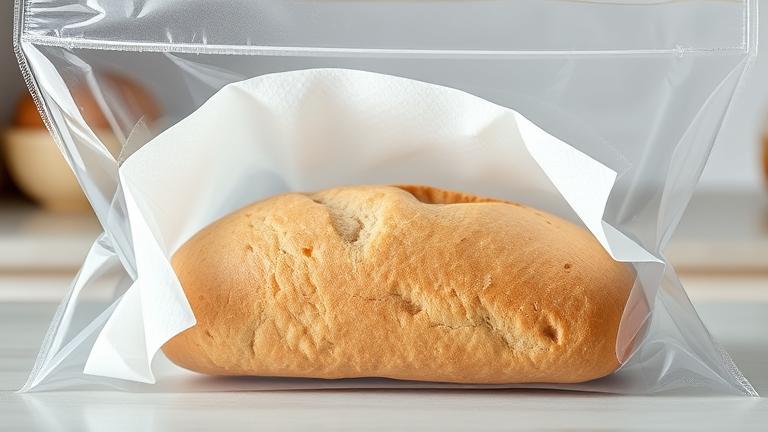
Why Use Paper Towels When Freezing Bread?
Freezing bread is a great way to store leftovers and keep them fresh longer. But to maintain the bread’s quality and flavor, many home cooks turn to an easy trick: using paper towels. The main reason for this is simple: paper towels help absorb excess moisture and prevent freezer burn.
When you wrap bread directly in plastic wrap or foil, moisture can become trapped. Over time, this moisture turns into ice crystals, which can damage the bread’s texture and make it soggy once thawed. By placing a paper towel around the bread, you create a barrier that absorbs any excess moisture that might escape during freezing.
Another benefit of using paper towels is that they help prevent freezer burn. Freezer burn happens when air reaches the food, dehydrating it and causing dry patches and tough textures. The paper towel acts as an extra layer of protection, reducing air exposure and keeping the bread fresher for longer.
This method also makes it easier to spot if any moisture buildup is happening. If you notice the paper towel getting damp, you can replace it with a fresh one before resealing, stopping moisture problems early. Plus, it’s a quick and affordable way to extend the bread’s shelf life without investing in special storage bags or containers.
Here are some tips for using paper towels when freezing bread:
- Wrap the bread tightly in plastic wrap or aluminum foil first, then add a paper towel around it. This combination provides a double layer of moisture control.
- Use a resealable freezer bag for added protection. Slide the wrapped bread inside before sealing.
- Label your package with the date so you know how long it’s been frozen. Bread usually keeps well for about 3 months in the freezer.
- If you plan to thaw only part of the loaf, remove the paper towel and rewrap the remaining bread to keep it fresh.
Step-by-Step: Freezing Bread with Paper Towels
Freezing bread is a great way to keep it fresh for longer, and using paper towels can help prevent moisture buildup that causes sogginess. This simple method is perfect for home cooks who want to preserve bread without sacrificing its texture and flavor.
Before you start, make sure your bread is completely cooled if it’s freshly baked. Warm bread can create condensation inside the wrapping, leading to freezer burn or sogginess. Once cooled, you’re ready to prepare it for freezing.
Step 1: Wrap the Bread with Paper Towels
Take a few clean paper towels and gently wrap the bread loaf or slices. The towels will absorb excess moisture, keeping the bread dry during freezing. If you’re freezing a whole loaf, wrap it snugly but avoid compressing the bread too much. For sliced bread, separate the slices with a piece of parchment paper if you want them to stay apart.
Step 2: Place the Wrapped Bread in a Freezer-Safe Bag
Put the paper towel-wrapped bread into a resealable freezer bag or an airtight plastic container. Squeeze out as much air as possible from the bag to prevent freezer burn. You can also wrap the bread in aluminum foil before placing it in the bag for added protection.
Step 3: Label and Date the Package
Use a marker to write the date on the bag or container. This way, you’ll know how long the bread has been in the freezer. For best flavor and texture, try to consume the bread within three months.
Step 4: Freeze Flat or Upright
Lay the bread flat in the freezer if you want to stack it easily. If it’s a tall loaf, you can store it upright in a freezer bin. Keep it away from items with strong odors, as bread can absorb smells from the freezer environment.
Tips for Optimal Results
- Always cool bread completely before freezing to prevent condensation.
- Wrap the bread snugly but not too tightly to avoid crushing it.
- Use paper towels for bread that you plan to use within a few months, as they help prevent sogginess upon thawing.
- If freezing sliced bread, consider separating slices with parchment paper for easy thawing.
- Thaw bread at room temperature or toast slices directly from the freezer for quick snacks.
Remember, proper wrapping and packaging are key to keeping bread fresh. With these simple steps, you can enjoy your favorite bread anytime without worry about staleness or freezer burn. Plus, the paper towels help maintain the bread’s texture, making every bite just as delicious as fresh-baked.
Benefits of Using Paper Towels for Freezing
When it comes to freezing food, using paper towels can be a simple yet effective trick that helps improve your storage. Paper towels are affordable, easy to use, and provide several advantages that can make your frozen foods stay fresher longer. Whether you’re freezing leftovers, fresh produce, or even baked goods, these little sheets can make a big difference.
One of the main benefits of using paper towels is their ability to control moisture. Freezing can sometimes lead to excess ice crystals forming on foods, which can cause freezer burn. By wrapping or placing a paper towel around or beneath your food, you absorb excess moisture. This helps prevent ice from forming on the surface of the food, keeping it crisper and more flavorful when thawed.
Another advantage is that paper towels make thawing easier and cleaner. Foods wrapped in paper towels tend to dry out less during freezing, so they don’t become overly soggy or waterlogged. When it’s time to thaw, the paper towel can be removed easily, reducing mess and making the process quicker. Plus, it helps foods retain their natural texture and taste better because they aren’t sitting in excess water.
Using paper towels also reduces the risk of mold growth in the freezer. Moist environments promote mold, which can spoil your stored food. A dry layer created by the paper towels discourages mold spores from settling on your food, especially if you freeze items like bread, baked goods, or fresh herbs. Besides preventing mold, paper towels can help keep your freezer cleaner by catching drips or leaks from packaging.
Freezer burn is another common issue that paper towels help combat. Freezer burn occurs when foods lose moisture and develop tough, discolored patches. Wrapping foods in paper towels acts as an extra layer of protection, sealing in moisture and preventing air from reaching the food. This keeps your items tasting better and looking fresher for longer. Remember that for best results, combine paper towels with airtight packaging like freezer bags or containers.
Using paper towels is also very practical. They are disposable, so cleanup is easy. When you finish using them, simply toss them away instead of dealing with complicated cleanups or reusing contaminated cloths. This makes your freezing process more convenient and hygienic, especially if you freeze different food types frequently.
To get the most out of this method, consider these tips: use single sheets to avoid waste, choose unbleached or brown paper towels for health reasons, and combine with proper packaging to maximize freshness. Keep in mind that while paper towels are helpful for many foods, they might not be suitable for very wet or juicy items, which might require extra wrapping or different storage techniques.
Common Mistakes to Avoid
When freezing bread, it’s easy to make some common mistakes that can affect its texture, flavor, and safety. Being aware of these pitfalls can help you keep your bread fresh and delicious for longer. Here are some typical errors to watch out for and tips on how to avoid them.
Over-Wrapping or Under-Wrapping
One of the most frequent mistakes is not wrapping the bread properly. Wrapping bread too loosely can allow air to enter, causing freezer burn and drying out the bread. On the other hand, over-wrapping with thick or excessive packaging can make it harder to store and may trap moisture. The goal is to wrap the bread snugly to prevent air exposure but not so tight that it crushes the loaf.
Improper Sealing
Another common error is failing to seal the packaging well. If the bag or container isn’t airtight, moisture and air can seep in, leading to freezer burn or mold growth. Use high-quality, airtight freezer bags or containers. Squeeze out as much air as possible when sealing the bag, or utilize vacuum sealers if available. Proper sealing preserves the bread’s quality and extends its freezer life.
Forgetting to Label the Package
Many home cooks forget to label their frozen bread. Without a label, it can be hard to remember how long it has been in the freezer. This can lead to eating bread that’s too old or risking spoilage. Always write the date of freezing on the package with a permanent marker. This way, you can keep track of freshness and use the bread within the recommended storage time.
Storing Bread in the Freezer for Too Long
Bread doesn’t last forever in the freezer, even when stored properly. For best quality, consume frozen bread within three months. After that, the texture and flavor may start to decline, and you might notice freezer burn or stale taste. To avoid this, plan your usage and only freeze what you’ll need for a reasonable period.
Ignoring Thawing Tips
Thawing bread incorrectly can lead to a soggy or rubbery texture. The best way is to leave the bread at room temperature for a few hours or use a toaster or oven for quick reheating. Avoid microwaving the bread for too long, as it can make the crust chewy or lead to uneven thawing. Proper thawing helps maintain the bread’s original freshness.
- Use durable, airtight packaging for freezing bread.
- Label your packages with the date of freezing.
- Freeze only what you plan to eat within three months for optimal quality.
- Thaw bread at room temperature or in a warm oven for the best texture.
- Avoid freezing bread if it’s already stale or moldy.
By avoiding these common mistakes, you’ll keep your frozen bread tasting fresh and safe whenever you’re ready to enjoy it. Remember, proper wrapping, sealing, labeling, and thoughtful storage make a big difference in preserving bread’s natural goodness.
How to Properly Thaw Frozen Bread
Thawing frozen bread properly helps restore its freshness and keeps it tasting delicious. Whether you’ve stored a loaf for later or bought frozen bread, knowing the right way to thaw it ensures the best results. Let’s walk through simple, safe methods to thaw bread so it stays soft and flavorful.
Always take care to thaw bread safely to prevent mold growth or spoilage. Avoid leaving bread out at room temperature for too long, especially in warm or humid conditions. The goal is to thaw the bread evenly while maintaining its texture and taste.
Pick the Right Thawing Method
- Room Temperature Thawing: This is the easiest method and works well for small to medium loaves or slices. Remove the bread from the freezer and place it on a plate or baking rack. Cover lightly with a clean towel to prevent dust. Let it sit at room temperature for 1 to 2 hours, depending on thickness. Thicker loaves may need longer.
- Microwave Thawing: Ideal for quick plans or slices. Use the microwave’s defrost setting or low power. Place the bread on a microwave-safe plate, and heat in short 10-15 second bursts. Check frequently to avoid overheating or making the bread tough. Usually, 30-60 seconds is enough for slices.
- Oven Thawing: Perfect for whole loaves or buns. Preheat your oven to 350°F (175°C). Wrap the bread in aluminum foil to keep moisture in. Place in the oven for about 10-15 minutes. Afterward, remove the foil and bake for another 5 minutes if you want a crisp crust.
- Toaster or Toaster Oven: For slices, this is quick and easy. Toast straight from the freezer. Keep an eye on it to prevent burning. Toasting will also refresh the crust and make the bread taste freshly toasted.
Helpful Tips for Better Thawing
- When thawing at room temperature, avoid leaving bread out for more than 2 hours, especially in warm weather, to reduce the risk of mold.
- If the bread starts to feel hard or frozen in the middle during microwave thawing, give it a bit more time, but check often to prevent overheating.
- For the best flavor and texture, consider toasting or warming the bread slightly after thawing. This enhances aroma and softness.
- Always store bread properly in a sealed bag or container before freezing to prevent freezer burn and maintain freshness.
Common Mistakes to Avoid
- Thawing bread in the refrigerator, which takes too long and can lead to soggy texture or mold if left too long.
- Overheating in the microwave, causing the bread to become rubbery or dry.
- Leaving bread at room temperature for too long, especially in humid climates.
- Refreezing bread immediately after thawing, which can change its texture and flavor.
Alternative Methods to Freeze Bread
Freezing bread is a great way to keep it fresh longer, but there are different methods to do it effectively. Some options include using plastic wrap, vacuum sealing, or freezer bags. Each technique has its pros and cons, so it’s good to know which works best for your needs.
Using Plastic Wrap
Wrapping bread tightly in plastic wrap is a simple and inexpensive method. To do this, place the bread on a clean surface and cover it completely with plastic wrap. Make sure there are no gaps or loose areas where air can seep in. Then, you can store the wrapped bread in the freezer.
This method helps prevent freezer burn and keeps the bread moist. However, plastic wrap might not provide the best protection against extensive air exposure over long periods. It’s ideal for short-term freezing, around 1–2 months.
Vacuum Sealing
Vacuum sealing is one of the most effective methods for freezing bread. It removes all air from the packaging, reducing the risk of freezer burn and staling. To vacuum seal bread, place slices or the whole loaf in a vacuum bag and use a sealing machine to remove the air before sealing.
This method is excellent for long-term storage, potentially up to 6–12 months. It preserves the bread’s freshness and texture better than other methods. Just be careful when sealing to avoid crushing softer bread types or fragile slices.
Using Freezer Bags
Freezer bags are a popular choice because they’re easy to use and affordable. Simply place individual slices or the whole loaf in a sturdy freezer bag. Remove as much air as possible before sealing it shut. For extra protection, you can double-bag your bread or press out excess air to prevent freezer burn.
This method works well for short to medium-term storage—about 1–3 months. To maximize freshness, lay the bag flat in the freezer so the bread freezes evenly. It’s also a good idea to label the bag with the date so you know when to use it.
Comparing Effectiveness
| Method | Protection Against Freezer Burn | Ease of Use | Best for | Storage Time |
|---|---|---|---|---|
| Plastic Wrap | Moderate | Easy | Short-term, quick freezing | |
| Vacuum Sealing | Excellent | More effort, requires equipment | Long-term storage | |
| Freezer Bags | Good when packed properly | Very easy | Short to medium-term storage |
Choosing the right method depends on how long you plan to keep the bread and how much effort you want to put into packaging. Vacuum sealing provides the best longevity but requires special equipment. Freezer bags are convenient for everyday use, while plastic wrap works well for quick sessions or smaller quantities.
Tips for Keeping Bread Fresh Longer
Fresh bread is a delight, but it doesn’t last forever. Whether you’ve baked a loaf at home or bought it from the store, knowing how to store bread properly can help it stay fresh longer. In this guide, you’ll find practical tips on storage duration, wrapping techniques, and how to make the most of freezing to keep your bread tasting good for days or even weeks.
1. Understand How Long Bread Lasts
Fresh bread is best enjoyed within the first couple of days after baking or purchasing. Typically, bread stays soft and tasty for about 2 to 3 days when stored at room temperature. After that, it may start to become stale or develop mold, especially in humid environments.
For longer storage, freezing is your best option. Properly frozen bread can last up to 3 months without losing much in flavor or texture. Knowing these timeframes helps you plan so you can enjoy fresh bread without waste.
2. Use the Right Wrapping Techniques
- Paper Wraps: Wrapping bread in a paper bag or wrapping it in parchment paper helps preserve the crust and prevents moisture buildup, which can lead to mold.
- Plastic Bags: For softer bread, placing it in a plastic bag with a tight seal traps moisture, keeping the bread soft longer. However, plastic can make the crust soft and less crispy.
- Combination: Wrap the bread first in paper to protect the crust, then place it inside a paper bag or breathable cloth bag for extra protection.
Avoid wrapping bread in airtight plastic wrap or zippered bags if you plan to eat it within a day. These can trap too much moisture and promote mold growth.
3. Store Bread in the Right Conditions
Room temperature storage is fine for a day or two, as long as the environment is cool and dry. Keep bread away from direct sunlight or heat sources, which can cause it to dry out or spoil faster.
If your home is humid, consider storing bread in a bread box or a container with ventilation. This allows airflow while protecting the bread from excessive moisture or dryness.
Never store bread in the refrigerator. Although it might seem like a good idea, refrigeration causes bread to go stale faster due to a process called starch retrogradation. Use it as a last resort if the weather is hot and humid, or if you need to prevent mold.
4. Freezing for Maximum Freshness
If you won’t finish your bread in a few days, freezing is the best way to keep it fresh. Follow these tips for freezing bread:
- Slice it first: Slice the loaf before freezing so you can easily grab a piece without thawing the entire loaf.
- Wrap tightly: Wrap the slices or loaf tightly in plastic wrap or aluminum foil to prevent freezer burn.
- Use airtight containers: Place the wrapped bread in an airtight container or freezer bag for extra protection.
When ready to eat, thaw bread at room temperature or toast slices directly from the freezer for quick, fresh-tasting bread.
5. Tips to Maximize Freshness
- Only buy or bake what you’ll eat within a few days to avoid unnecessary storage time.
- Keep bread in a cool, dry place when storing at room temperature.
- Use a cloth or paper wrap for crusty breads, and an airtight bag for softer breads.
- If freezing, label your bread with the date to keep track of storage time.
- When in doubt, freeze surplus bread to prevent waste and enjoy it later.
By following these simple tips, you can enjoy soft, delicious bread for longer periods and save money by reducing waste. Proper storage makes all the difference in maintaining that fresh-baked taste and texture you love.