
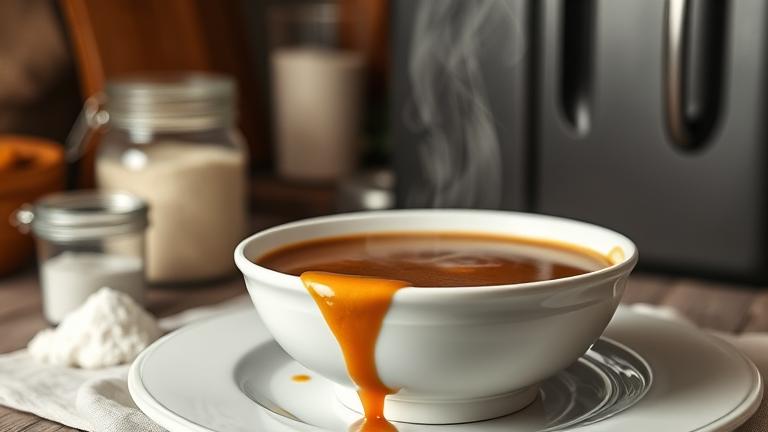
Can You Freeze Cornstarch Gravy?
Many home cooks wonder if they can freeze gravy made with cornstarch, especially when they want to prepare ahead or save leftovers. The good news is, yes, you can freeze cornstarch gravy. However, there are important things to know about how freezing might affect its texture and consistency.
When you freeze gravy that has been thickened with cornstarch, you need to consider how the ingredients react to cold storage. Cornstarch helps gravy thicken during cooking, but freezing and thawing can sometimes cause the texture to change slightly. The gravy might become a bit grainy or separate when thawed, especially if not stored properly. That said, with the right techniques, you can still enjoy delicious gravy after freezing.
Main Considerations
- Texture Changes: Because cornstarch thickens gravy by forming a gel-like structure, freezing can cause some of this structure to break down. When thawed, gravy might be slightly thinner or have a different mouthfeel. To minimize this, some cooks prefer to add a bit more cornstarch after reheating, if needed.
- Separation Issues: You might notice separation where the gravy looks watery or the fat separates out. Stirring well or reheating gently can help blend everything back together.
- Best Freezing Practices: Use airtight containers or freezer bags to prevent freezer burn. Leave some headspace in containers to allow for expansion when freezing.
- Storage Duration: For the best quality, use the frozen gravy within 1 to 3 months. Beyond that, flavors can degrade, and texture may suffer.
Steps to Freeze Cornstarch Gravy
- Cool the Gravy: Let the gravy cool to room temperature. Hot gravy can cause condensation and ice crystals in the freezer, which might affect texture.
- Choose Your Container: Transfer the gravy into airtight containers, freezer-safe jars, or resealable freezer bags. If using bags, squeeze out as much air as possible.
- Label and Date: Always label your container with the date so you know how long it’s been in the freezer.
- Freeze: Place the gravy in the freezer, making sure it’s lying flat if in a bag. Flat bags freeze faster and take up less space.
Thawing and Reheating
When you’re ready to use the frozen gravy, transfer it to the refrigerator and let it thaw overnight. Reheat gently on the stove over medium-low heat to prevent burning or breaking the sauce. Stir often, and if the gravy has become thinner, whisk in a little extra cornstarch mixed with cold water or broth to restore its thickness.
While the texture might not be exactly the same as freshly made gravy, a good reheat and a bit of stir can make it just as tasty. Keep in mind, practice makes perfect, and experimenting with your own recipes will help you get the best results when freezing cornstarch gravy.
How Freezing Affects Gravy Thickening
Freezing gravy is a handy way to save leftovers, but it can change how the gravy thickens once reheated. Many home cooks notice that gravy may get a bit different in texture after freezing and thawing. Understanding these changes can help you decide whether to freeze your gravy and how to get it just right after thawing.
When gravy is frozen, the water in it forms ice crystals. These ice crystals can sometimes break down the structure of the gravy’s thickening agents, like cornstarch or flour. As a result, your gravy might be runnier or less smooth once it’s been frozen and then reheated. You might also see some separation, where the gravy looks watery or clumpy. This is normal, but it means you might need to act a little to restore its thickness.
What Happens to Thickening Agents?
Most gravies rely on cornstarch, flour, or other thickeners to achieve their rich, velvety texture. When you freeze gravy with cornstarch, the heat and ice crystals can cause the cornstarch granules to break down or lose some of their thickening power. That’s why your gravy might be thinner when you reheat it. This change is usually mild, but it can be enough to affect the overall texture.
If your gravy was thickened with flour, freezing might cause it to become slightly lumpy or gritty after thawing. Flour-based gravies tend to be a little more stable, but they can still change in texture.
How to Prevent Texture Changes
- Before freezing, consider making your gravy a little thicker than usual. Since some thinning might occur upon thawing, a thicker initial batch will help maintain the desired consistency later.
- Use a cornstarch slurry mix equal parts cornstarch and cold water to thicken your gravy right before serving instead of adding a large amount of cornstarch at the start. This way, you can better control the thickness after reheating.
- If you notice separation or thinning after thawing, simply bring the gravy to a gentle simmer and stir in a little fresh cornstarch slurry. The heat will help it regain its thickness and smoothness.
Tips for Better Reheating
- Thaw frozen gravy overnight in the fridge for even reheating.
- Reheat slowly on low to medium heat, stirring often to prevent lumps and promote even heating.
- If needed, add a teaspoon of cornstarch slurry while reheating to restore thickness. Just mix and stir as the gravy warms up.
- Always taste and adjust seasoning after reheating, as freezing can sometimes mute flavors.
Final Thoughts
Freezing gravy can slightly change its texture and thickening ability, especially because of the effects on cornstarch or flour. But with a few small tips, you can easily restore its silky consistency after thawing. Remember that making your gravy a little thicker before freezing provides a great safety net. And when reheating, gentle heating and a quick stir with a slurry can bring it back to life.
Enjoy your homemade gravy, whether fresh or after freezing, knowing you have simple tricks to keep it delicious every time.
Best Tips for Freezing and Reheating
Freezing gravy made with cornstarch can be a great way to save leftovers or prepare meals ahead of time. But to keep its flavor and smooth texture, it’s important to follow some practical tips. Proper freezing and reheating ensure your gravy stays delicious and looks just as good when served again.
Freezing Tips for Cornstarch Gravy
- Cool the gravy first: Before freezing, let the gravy cool completely. Hot or warm gravy can create condensation in the container, leading to ice crystals and potential spoilage.
- Use airtight containers: Transfer the gravy to freezer-safe containers or resealable plastic bags. Squeeze out excess air to prevent freezer burn and maintain quality.
- Label and date: Mark the containers with the date you freeze the gravy. Cornstarch gravy generally keeps well for up to 3 months in the freezer.
- Leave some space: Leave a little room at the top of the container because the gravy may expand slightly as it freezes.
- Avoid freezing in large amounts: Freeze the gravy in smaller portions. This makes reheating quicker and more even, reducing the chance of overcooking or breaking the sauce.
Reheating Tips for Cornstarch Gravy
- Thaw properly: Thaw frozen gravy in the refrigerator overnight. This slow thaw helps maintain smoothness and reduces chances of separating.
- Reheat gently: Reheat the gravy on the stove over low to medium heat. Stir constantly to prevent the cornstarch from settling or forming lumps.
- Add a little liquid if needed: Sometimes, reheated gravy can become thicker. Stir in a splash of water, broth, or milk to restore the desired consistency.
- Avoid high heat: Don’t reheat gravy too quickly or over high heat, as this can cause it to break or lose sheen. Gentle heating helps keep it smooth and tasty.
- Use a whisk: For the best texture, whisk the gravy as it warms. This helps reincorporate any ingredients that may have separated and ensures a silky finish.
Additional Tips and Warnings
- Freshly made cornstarch gravy tends to thicken after cooling. When reheating, it may need a bit of extra liquid for smoothness.
- Always check the gravy for signs of spoilage before reheating, such as off smell or mold.
- If your gravy has lumps after reheating, you can strain it through a fine-mesh sieve for a silky texture.
- For best flavor, add fresh herbs or seasonings after reheating, if needed.
With these simple tips, you can freeze and reheat cornstarch gravy confidently, keeping it tasty and smooth every time. Proper handling helps preserve the flavor and texture, making leftovers just as delicious as freshly made gravy.
Storage Hacks for Long-Term Freshness
If you want your frozen gravy to stay delicious and safe to eat for a long time, proper storage is key. Keeping gravy fresh in the freezer involves more than just tossing it into a container and hoping for the best. With a few simple hacks, you can preserve its flavor and texture for months.
First, choose the right containers. Use airtight, freezer-safe containers or heavy-duty zip-top bags. These prevent air from getting in, which can cause freezer burn and spoil the gravy. If using bags, squeeze out as much air as possible before sealing. Label each container with the date you froze it, so you always know how old it is.
Another helpful tip is to portion the gravy before freezing. Instead of freezing large amounts all at once, divide it into smaller, meal-sized portions. This way, you only need to defrost what you’ll actually use, reducing waste and thawing time.
Freezing gravy flat in a zip-top bag is a neat trick. Lay the bag flat on a baking sheet until the gravy is frozen solid. Once frozen, stand the bags upright or stack them. This method saves space and makes thawing quicker and more even.
Temperature control is crucial for keeping gravy fresh. Make sure your freezer stays at or below 0°F (-18°C). This keeps bacteria and mold at bay, ensuring safety and quality. Avoid opening the freezer too often, as temperature fluctuations can cause the gravy to partially thaw and refreeze, which damages texture.
If you plan to store gravy for more than three months, consider double-wrapping. For instance, place the container inside a larger freezer bag for extra protection. Adding a layer of aluminum foil around the container can also help prevent freezer burn and preserve flavor.
When it’s time to use the gravy, thaw it in the fridge overnight. Avoid thawing at room temperature to prevent bacteria growth. After thawing, stir the gravy well. If it looks a little watery, simmer it gently to re-thicken and bring back its original consistency.
- Tip: If the gravy develops ice crystals, it’s still safe to eat but might not taste as good. Best to consume within the recommended storage time.
- Tip: Avoid refreezing gravy after thawing. It’s best to cook or use it fresh after the initial thaw.
By following these storage hacks, your frozen gravy can stay fresh and flavorful for up to four to six months, making meal prep easier and reducing food waste. With just a bit of planning and proper containers, you’ll always have tasty gravy ready whenever you need it.
Fixing Gravy After Freezing
Freezing gravy is a handy way to save leftovers or prepare in advance, but sometimes the texture gets a little off when you reheat it. Maybe it’s become grainy, separated, or too thick. Don’t worry. With a few simple tricks, you can restore or even improve the consistency of your gravy after freezing.
When gravy is frozen and reheated, the fat can sometimes separate from the liquids, or the texture can turn grainy. This happens because the water and fats react differently during freezing and thawing. The good news is that most texture issues can be fixed with some gentle stirring and the right techniques.
How to Fix Texture Issues in Frozen Gravy
- Stir it gently: When reheating, start by gently stirring your gravy to redistribute the fats and liquids. Sometimes, separation is just a matter of mixing things back together.
- Add liquid if it’s too thick: If your gravy has become too thick or sticky, slowly whisk in a bit of warm water, broth, or milk. Add small amounts gradually until you reach your desired consistency. Be careful not to add too much at once, or it could become too thin.
- Use a whisk or blender: For gravy that’s become grainy or chunky, a quick whisk or even blending with an immersion blender can smooth out the texture. Just be cautious not to over-blend, as it might change the flavor or make it too thin.
- Incorporate a binder: If the gravy is separating, adding a small spoonful of cornstarch or flour mixed with cold water can help. Whisk the mixture into the hot gravy and cook it for a few minutes until it thickens and emulsifies again.
- Heat gently: Always reheat gravy on low to medium heat. Rapid boiling can cause further separation or curdling. Patience helps maintain a smooth, tasty sauce.
Additional Tips for Perfectly Restored Gravy
- Prevent future issues: When freezing gravy, let it cool completely before storing it in airtight containers. Stir in a small amount of fat or butter before freezing to help preserve flavor.
- Refreeze carefully: If you notice separation during reheating, try fixing it before considering refreezing. Quality and texture tend to worsen with repeated freeze-thaw cycles.
- Extra flavor boost: Sometimes, reheated and fixed gravy can benefit from a splash of fresh herbs, a pinch of salt, or a squeeze of lemon juice to brighten the flavor after fixing the texture.
With a bit of patience and these simple steps, your gravy can look and taste just as delicious as when it was first made. Don’t let freezing stop you from enjoying tasty, homemade gravy anytime you like!