
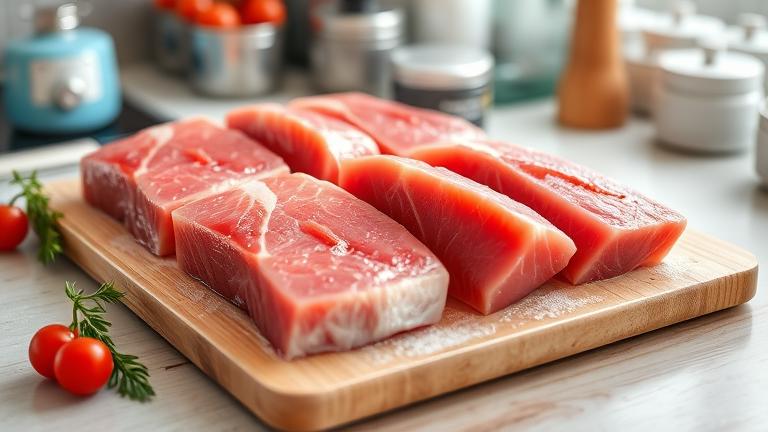
Introduction: Freezing Tuna Steak Basics
If you enjoy eating tuna steak, freezing it properly can help you keep it fresh and flavorful for later. Whether you bought a large cut or have leftover slices, knowing how and when to freeze tuna steak is key to maintaining its quality. Freezing is a simple way to extend the shelf life of tuna and make meal planning easier.
Many home cooks wonder if freezing affects the taste and texture of tuna. The good news is that when done correctly, freezing preserves most of the fish’s flavor and prevents spoilage. The main goal is to prevent freezer burn and maintain freshness, so understanding the basics helps you make the most of your tuna steaks.
So, why should you freeze tuna steak at all? Fresh tuna is best enjoyed quickly, ideally within a day or two of purchase. But if you don’t plan to cook it right away, freezing is your best option. Proper freezing allows you to store tuna for several months without losing quality, making it convenient for future meals.
Knowing the right time to freeze is important. If your tuna steak is approaching its expiration date or if you bought it in bulk, it’s a good idea to freeze it as soon as possible. Freshness starts to decline quickly once the fish is out of the store or supplier’s refrigeration, so freezing promptly helps lock in that fresh flavor.
Before freezing, it’s helpful to prepare the tuna properly. Removing excess moisture and wrapping it tightly prevents freezer burn. You should also label the package with the date so you keep track of how long it has been frozen. Usually, tuna steaks keep best when frozen for up to three months, though they can last longer with proper storage.
In summary, freezing tuna steak is a simple, effective way to preserve its freshness. The key points are to freeze it as soon as possible after purchase, use proper packaging techniques, and keep track of storage time. Whether you’re saving some for later or planning ahead, understanding these basics will ensure your tuna steaks stay delicious when you’re ready to cook them.
Benefits of Freezing Tuna Steaks
Freezing tuna steaks is a smart way to keep this delicious fish fresh and ready for your meals. When you freeze tuna steaks properly, you can enjoy the same great taste and quality later, even if you buy them in bulk or catch them yourself. This method offers several advantages that make meal planning easier and reduce waste.
One of the main benefits of freezing tuna steaks is preservation. Tuna is a perishable fish, which means it can spoil quickly if not stored properly. Freezing slows down the growth of bacteria and other microorganisms that cause spoilage, helping to extend the shelf life. This way, you can safely keep tuna for months instead of just a few days in the fridge.
Another great advantage is convenience. Frozen tuna steaks are easy to store in your freezer until you’re ready to use them. When needed, you can thaw only what you plan to cook, avoiding waste and saving money. Plus, pre-cut and vacuum-sealed steaks make meal prep faster because they’re already portioned out. Imagine opening your freezer and grabbing a perfectly sized tuna steak to grill or sear—no fuss, no preparation required.
Freezing also helps maintain the quality of the tuna over time. When done correctly, freezing preserves the texture, flavor, and nutrients of the fish. This means your tuna will taste fresh and succulent when cooked, rather than dried out or mushy, as can happen with improper storage. To keep this quality, it’s important to freeze tuna steaks quickly and use airtight packaging to prevent freezer burn or oxidation.
Additionally, freezing offers flexibility in meal planning. You can buy tuna steaks in larger quantities when they are on sale, then freeze what you won’t use right away. Having frozen tuna on hand makes quick weeknight dinners, salads, or sushi nights more accessible. It’s also helpful if you fish or catch your own tuna, allowing you to store your catch for later use without rushing to consume it.
- Freezing extends the shelf life from 1-2 days in the fridge to 2-3 months in the freezer.
- Proper packaging, such as vacuum sealing or wrapping tightly in plastic wrap and foil, prevents freezer burn.
- Label your packages with the date to keep track of how long the tuna has been stored.
- Thaw frozen tuna in the refrigerator overnight for the best texture and safety.
In summary, freezing tuna steaks is a practical, effective way to preserve their freshness, ensure convenience, and make the most of your seafood purchases. With the right techniques, you can enjoy high-quality tuna anytime, without worry about spoilage or wasted food.
Best Practices for Freezing Tuna
Freezing tuna steaks properly is key to keeping their fresh flavor and tender texture until you’re ready to enjoy them. Whether you bought fresh tuna or have leftovers from a recent meal, following these tips ensures your tuna stays delicious and safe to eat.
First, always start with high-quality, fresh tuna. Freshness impacts how well the fish freezes and thaws. Look for firm, vibrant flesh with a clean ocean smell. If the tuna isn’t fresh when you freeze it, the quality may decline even with proper techniques.
Proper Packaging
The goal is to protect the tuna from air and moisture, which cause freezer burn and freezer taste. Wrap each tuna steak tightly in plastic wrap or aluminum foil. Then, place the wrapped steaks into a resealable, airtight freezer bag or vacuum-sealed bag. Take out as much air as possible before sealing. For an extra layer of protection, you can wrap the fish in foil first, then a zip-top bag.
If you have a vacuum sealer, use it. It removes all the air and helps maintain the quality longer. Label each package with the date of freezing so you can keep track of how long it’s been in the freezer.
Portioning Tips
- Divide large tuna loins or steaks into serving-sized portions before freezing. This makes thawing easier and reduces waste.
- Small portions, like one or two steaks per package, allow you to defrost just what you need without exposing the entire batch to temperature changes multiple times.
- If you plan to cook the tuna shortly after thawing, individual portions help you save time.
Freezing Time and Safety
For the best quality, try to use your frozen tuna within two to three months. While it remains safe beyond this time if kept frozen, the flavor and texture may decline.
Ensure your freezer is set to 0°F (-18°C) or below. Keep the tuna away from strong-smelling foods, as fish can absorb odors during storage. Avoid opening the freezer too often, which causes temperature fluctuations that can affect the fish’s quality.
Tips to Minimize Freezer Burn
- Remove as much air as possible from packaging to prevent dehydration and oxidation.
- Use flat packages for quicker and more even freezing.
- Wrap the fish tightly and double layer when necessary.
- Don’t freeze tuna too long; use within a reasonable timeframe for the best taste.
Thawing Tips
To maintain the best texture and flavor, thaw tuna slowly in the refrigerator for several hours or overnight. If you need it quickly, place the sealed package in cold water, changing the water every 30 minutes until thawed. Avoid thawing at room temperature, as this can promote bacteria growth.
By following these best practices, your tuna steaks will stay fresh, flavorful, and ready for your favorite recipe whenever you want to enjoy them. Proper freezing preserves taste, texture, and nutritional value—so each bite is just as good as the day you bought it.
How to Store Tuna Properly
Storing tuna steaks correctly is key to keep them fresh and delicious. When you buy or prepare tuna, especially if you’re not cooking it right away, proper storage helps preserve flavor, texture, and safety. The main factors to focus on are temperature, packaging, and time.
First, always keep tuna at a consistent cold temperature. The freezer should be set at 0°F (-18°C) or lower. This helps prevent bacteria growth and keeps the fish safe for longer. If you don’t have a freezer thermometer, use an appliance that maintains a steady freezing environment. Avoid frequent opening of the freezer to prevent temperature fluctuations which can affect the quality of the tuna.
Choosing the Right Packaging
Proper packaging saves tuna from freezer burn, which occurs when air dries out the fish, leading to tough texture and flavor loss. If you’re storing fresh tuna steaks, wrap them tightly in plastic wrap or aluminum foil. For added protection, place the wrapped fish inside a resealable freezer bag, squeezing out as much air as possible before sealing. Alternatively, vacuum-sealing is an excellent option if you have the equipment, as it removes all air and prevents freezer burn.
If you’re storing cooked tuna, follow the same wrapping principles. Always let cooked tuna cool completely before wrapping to avoid condensation, which can spoil the fish.
How Long Can You Keep Tuna in the Freezer?
| Type of Tuna | Maximum Storage Time |
|---|---|
| Freezer fresh tuna steaks | up to 2 months for best quality |
| Cooked tuna | up to 3 months |
| Thawed tuna (refreezing not recommended) | Use within 24 hours after thawing |
Remember, these are general guidelines. For the best flavor and texture, try to use tuna within the recommended time. After that, the quality may decline, with a loss of taste or a freezer-burned appearance.
Additional Tips for Storing Tuna
- Write the date on the packaging so you know how long it has been in the freezer.
- Keep tuna separate from strongly smelling foods to prevent flavor transfer.
- Avoid refreezing tuna once it has been thawed, as this can affect safety and quality.
With some simple steps, you can store tuna properly in the freezer and enjoy fresh-tasting steaks whenever you want. Just remember to keep everything sealed tight, maintain a steady cold temperature, and use the fish within the recommended time frame for the best results.
Thawing Tuna Safely
Thawing frozen tuna steaks properly is essential to keep them safe to eat and to preserve their fresh flavor and texture. The two most common and safe methods are thawing in the refrigerator and using cold water. Both techniques require some planning ahead, but they are simple and effective ways to enjoy your tuna without risking food safety.
Refrigerator Thawing
The refrigerator method is the safest way to thaw tuna because it keeps the fish at a consistent, cold temperature. To do this, transfer your frozen tuna steaks from the freezer to the refrigerator. It’s best to place them on a plate or in a shallow dish to catch any drips and prevent cross-contamination.
Plan ahead: small tuna steaks usually take about 12 to 24 hours to thaw completely, while larger steaks or blocks may need more time. When you’re ready to cook, the tuna will be at a perfect temperature, around 35°F to 40°F, making it safe to eat and maintaining its quality.
When thawed in the fridge, tuna can stay safe for an additional 1 to 2 days before cooking. If you notice any off smell or slimy texture, discard the fish to avoid foodborne illness.
Cold Water Thawing
If you need to thaw tuna a bit faster, the cold water method works well. Start by sealing the frozen tuna steaks in a leak-proof plastic bag, pressing out as much air as possible. Submerge the bag in a bowl or sink filled with cold water.
Change the water every 30 minutes to keep it cold, which helps prevent bacteria growth. Small steaks might thaw in as little as 30 minutes to an hour, while larger pieces could take 1 to 2 hours.
Be sure to cook the tuna immediately after it has thawed using this method to ensure food safety. Never leave tuna sitting at room temperature to thaw, as warm temperatures promote bacteria growth and increase the risk of food poisoning.
Tips for Safe Thawing
- Always keep thawing fish refrigerated or in cold water — never at room temperature.
- Cook tuna promptly after thawing using the cold water method.
- If your tuna has been thawed in the fridge and you don’t plan to cook it right away, keep it in the refrigerator and use within 1 to 2 days.
- Avoid refreezing tuna that has been thawed unless it is cooked first. This helps maintain quality and reduces food safety risks.
By following these safe thawing methods, you can enjoy fresh, delicious tuna steaks while keeping food safety top priority. Planning ahead makes all the difference in ensuring your seafood is both tasty and safe to eat. Remember, when in doubt about freshness or safety, it is best to discard the fish rather than risk illness.
Common Questions About Freezing Tuna
Freezing tuna steaks is a great way to keep this delicious fish fresh for when you’re ready to enjoy it. Whether you’ve just bought a fresh tuna or have leftovers, questions often come up about the best way to store and freeze tuna. Here are some of the most common questions and practical answers to help you confidently freeze tuna and keep it safe.
How long can I store tuna in the freezer?
For the best quality, tuna steaks can be kept in the freezer for about 2 to 3 months. After this period, the texture and flavor might start to degrade, although the tuna will still be safe to eat if kept continuously frozen. If you plan to store tuna for longer, consider vacuum sealing it to prevent freezer burn and preserve quality. Remember to label your packages with the date so you know how long it’s been stored.
What is the safest way to package tuna for freezing?
The key to freezing tuna properly is to minimize air exposure. Wrap the tuna tightly in plastic wrap or aluminum foil, making sure there are no gaps. Then, place the wrapped tuna in a resealable freezer bag or airtight container. For extra protection, remove as much air as possible from the bag before sealing. Some home cooks prefer vacuum sealers, which remove all air and greatly extend freezer life. Proper packaging prevents moisture loss, freezer burn, and helps keep the tuna flavor fresh.
Should I freeze raw tuna or cooked tuna?
You can freeze both raw and cooked tuna, but they’re best stored separately. Raw tuna should be frozen quickly after purchasing or preparing. If you’ve cooked the tuna, allow it to cool completely before freezing. Keep in mind that cooked tuna may not freeze quite as well as raw, especially if it was cooked with sauces or added ingredients. Proper packaging is crucial regardless of how the tuna has been prepared.
Can I refreeze tuna after thawing?
It is generally safe to refreeze tuna if it was thawed in the refrigerator and has not been left out at room temperature for more than two hours. However, each time you freeze and thaw, the texture can deteriorate. It’s best to portion tuna before freezing, so you only thaw what you need. If you have already thawed and cooked the tuna, you can safely refreeze leftovers, provided they’ve been kept cold.
What are the safety concerns with freezing tuna?
Freezing does not kill bacteria but puts the tuna in a dormant state. As long as you freeze and thaw it properly, the risk of foodborne illness remains low. Make sure your freezer is set to 0°F (-18°C) or below to keep the tuna safe. Always thaw tuna in the refrigerator or a bowl of cold water, never at room temperature, to reduce bacteria growth. Also, pay attention to storage times—discard any tuna that has been in the freezer for more than 3 months or shows signs of freezer burn or dull appearance.
- Label packages clearly with dates.
- Use freezer-safe packaging to prevent moisture loss.
- Thaw tuna safely in the fridge or cold water, not on the countertop.
Tips for Maintaining Freshness
Keeping your tuna steaks fresh after freezing is essential for enjoying their full flavor and quality. Proper handling, packaging, and timely consumption can make a big difference. Whether you’re planning to cook them within a few days or store them longer, these simple tips will help preserve their freshness.
First, start with high-quality tuna steaks. When shopping, look for firm flesh with a bright, deep color and minimal odor. Freshness begins at the store. Once home, handle the steaks gently to prevent bruising or damage. Always wash your hands before touching raw fish to avoid contamination.
Proper Packaging is Key
To keep tuna steaks fresh after freezing, proper packaging is crucial. Wrap each steak tightly in plastic wrap or aluminum foil to prevent exposure to air. For extra protection, place the wrapped steaks in a resealable plastic bag. Squeeze out as much air as possible before sealing. This helps prevent freezer burn, which can dry out the fish and compromise flavor.
Alternatively, vacuum-sealing is the best way to preserve freshness. Vacuum-sealing removes all the air and creates an airtight environment, extending the quality of your tuna steaks. If you don’t have a vacuum sealer, ensure your package is well sealed and free of air gaps.
Freezing Tips
- Freeze tuna steaks as soon as possible after purchasing. The sooner they are frozen, the fresher they will stay.
- Label your packages with the date of freezing. Most tuna steaks maintain good quality for up to 3 months in the freezer.
- Maintain a consistent freezer temperature at or below 0°F (-18°C). Temperature fluctuations can cause freezer burn and diminish freshness.
Thawing and Storage
When you’re ready to use your tuna steaks, thaw them safely to maintain quality. The best method is to transfer the frozen steaks to the refrigerator overnight. This slow thaw preserves texture and flavor.
If you need a quicker method, submerge the sealed package in cold water, changing it every 30 minutes until thawed. Never thaw tuna at room temperature, as this can allow bacteria to grow. Once thawed, cook the steaks within 1 to 2 days for best freshness and safety.
Additional Tips for Maximum Freshness
- Avoid repeatedly thawing and refreezing your tuna steaks. Each cycle can degrade quality.
- Use your tuna steaks within their recommended storage time to enjoy optimal freshness and taste.
- Protect the meat from direct freezer light, which can cause minor deterioration over time.
Common Mistakes to Avoid
- Not wrapping the steaks tightly, leading to freezer burn and dried-out fish.
- Leaving steaks in the freezer for too long, which can cause a loss of flavor and texture.
- Thawing at room temperature, risking bacterial growth and diminished quality.
By paying attention to packaging, handling, and storage times, you can enjoy fresh, delicious tuna steaks anytime. Proper care ensures they stay tasty and safe for when you’re ready to cook and serve.