
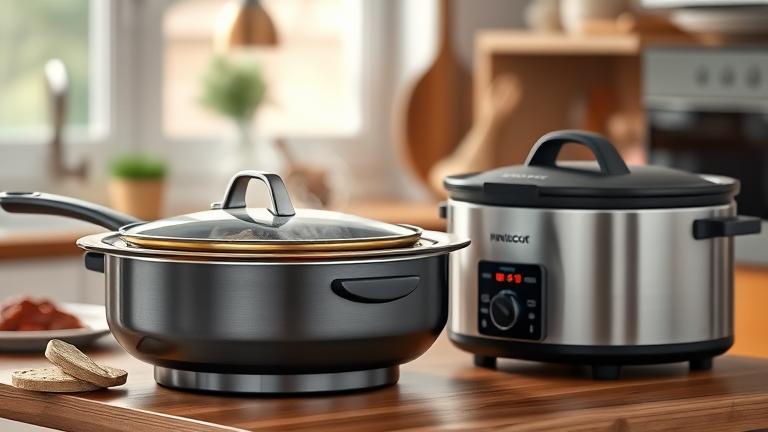
Can an Electric Fry Pan Work as a Slow Cooker?
If you’re wondering whether an electric fry pan can replace a slow cooker, you’re not alone. Many home cooks seek versatile kitchen tools, and it’s natural to ask if one appliance can do the job of another. Both electric fry pans and slow cookers cook food with gentle, consistent heat. But they have different designs and functions, so just how practical is it to use a fry pan as a makeshift slow cooker?
First, let’s look at what each appliance is designed for. An electric fry pan typically has a flat, high-sided surface with adjustable temperature control. You can sauté, fry, simmer, or keep food warm. A slow cooker, on the other hand, is designed for long, slow cooking at low heat, often with a lid to lock in moisture. It cooks food evenly over several hours, making it great for recipes like stews, chili, or shredded meats.
So, can you use an electric fry pan to slow cook? The answer is yes, but with some limitations. You can mimic slow cooking by setting your fry pan to a low temperature and keeping the lid on. This creates a gentle, consistent heat similar to a slow cooker. However, there are some challenges and tips to keep in mind.
Considerations When Using a Fry Pan as a Slow Cooker
- Temperature control: Make sure your fry pan can attain and maintain a low enough setting. Most have adjustable heat controls, but some might not go low enough for true slow cooking. Ideally, you’d want a setting around 200°F (93°C) or lower.
- Size and capacity: An electric fry pan is usually smaller than a slow cooker. This limits how much you can cook at once. Overcrowding can lead to uneven cooking or food sticking to the bottom.
- Monitoring: You’ll need to keep an eye on your dish more often. Unlike a slow cooker that heats evenly and maintains a steady temperature, a fry pan may need occasional adjustments to prevent burning or drying out.
- Moisture and liquid levels: Slow cookers trap moisture with a lid, helping dishes become tender and flavorful. When using a fry pan, be sure to add enough liquid and keep the lid on tightly. You might need to check periodically to prevent the liquid from evaporating too fast.
Practical Tips for Making It Work
- Use a tight-fitting lid to retain moisture.
- Start on a medium-low setting, then reduce if needed.
- Check the dish every hour or so to avoid burning or drying out.
- Stir occasionally if the recipe allows, especially if you notice food sticking or uneven cooking.
- Increase cooking time slightly if you notice the food isn’t tender enough after the usual slow cooker duration.
Limitations and Risks
While you can get decent results using an electric fry pan as a slow cooker substitute, it isn’t perfect. The lack of a sealed environment might result in longer cooking times or drier dishes. Also, most fry pans don’t have the same temperature consistency as slow cookers, which means you must keep a close eye.
Finally, safety is important. Never leave the fry pan unattended for extended periods, especially on a low setting. Overheating or electrical issues can pose hazards.
In summary, an electric fry pan can serve as a makeshift slow cooker in a pinch, but it’s not as convenient or reliable as a dedicated slow cooker. With careful monitoring and adjustments, you can successfully cook many recipes, especially if you’re short on kitchen space or equipment.
Benefits of Using a Fry Pan as a Slow Cooker
Many home cooks wonder if they can use a fry pan as a slow cooker, and the answer is yes, in many situations. A fry pan, especially one with a lid and a good heat control, can be a versatile and handy tool for low-and-slow cooking. There are several benefits to using a fry pan as a substitute for a traditional slow cooker, making it a practical choice for busy kitchens.
One of the biggest advantages is convenience. A fry pan heats up quickly and responds fast to temperature adjustments, so you can start cooking right away without waiting for a slow cooker to warm up. This quick start is perfect for recipes like braised vegetables, stews, or even simmered sauces. Plus, you can easily check on your food and stir as needed, which isn’t always possible with a sealed slow cooker.
Another key benefit is multi-functionality. A high-quality fry pan can do much more than slow cooking. You can sauté, sear, fry, and then transition into slow-cooking-like simmering, all in the same pan. This reduces the need for multiple pots and pans, saving both space and cleanup time. For example, you could brown meat on the stovetop and then lower the heat and cover the pan for tender, slow-cooked results.
Space-saving is also a big plus, especially in small kitchens or when you’re short on storage. Instead of pulling out a bulky slow cooker, you can use a fry pan you already own. It’s easy to store away since it takes up less space, and you won’t need extra electrical appliances cluttering your countertop. This is perfect for quick weeknight dinners or small batches of food.
Using a fry pan as a slow cooker also offers flexibility. You control the heat directly, which gives you more precision than some slow cookers. You can adjust the temperature to keep food warm, simmer gently, or cook faster if you’re short on time. Just be sure to choose a pan with a sturdy lid to lock in moisture and heat.
Keep in mind that a fry pan isn’t suitable for all slow cooking recipes, especially ones that require very long cooking times or very even, gentle heat. But for many everyday dishes, it’s a smart, practical substitute. It’s especially useful when you want a quick, one-pan method that combines multiple cooking steps or when you’re experimenting with new recipes without investing in special equipment.
- Use a heavy-bottomed fry pan for better heat distribution.
- Choose a pan with a tight-fitting lid to trap moisture.
- Adjust the heat carefully to avoid burning or sticking.
- Be mindful of cooking times, as stovetop heat can vary.
Overall, turning your fry pan into a makeshift slow cooker can make cooking easier, faster, and more flexible. It’s a practical trick for enhancing your kitchen toolkit without extra expense or clutter, helping you create delicious, slow-cooked meals with just one versatile pan.
Safety Tips for Substituting Fry Pan for Slow Cooker
Using a fry pan as a substitute for a slow cooker can be a handy trick, especially if you don’t have a slow cooker available. However, it’s important to follow some safety guidelines to avoid accidents and ensure your food cooks safely. Here are some practical tips to keep in mind when making this conversion.
Choose the Right Fry Pan
Opt for a heavy-bottomed fry pan or skillet with high sides. This helps evenly distribute heat and prevents food from spilling out during cooking. Avoid pans that are too shallow or lightweight, as they may not retain heat well and could pose safety risks.
Monitor the Temperature
Your fry pan needs to mimic low and slow cooking. Use a gentle simmer rather than a rapid boil, keeping the heat on low or medium. Using high heat can cause food to burn on the bottom or create hot splatters, which could lead to burns or fires. Always keep an eye on your pan during cooking.
Use Proper Cookware Materials
Make sure your fry pan is made of heat-resistant materials like cast iron or sturdy stainless steel. Non-stick pans are safe but may not withstand prolonged simmering at high temperatures. Avoid pans with plastic handles or parts that might melt or warp with heat.
Avoid Overfilling the Pan
Fill your fry pan only up to about two-thirds full. Overfilling can lead to overflow or spillage during cooking, creating slip hazards or messes. Plus, a crowded pan can hinder proper heat circulation, affecting how evenly your food cooks.
Use a Lid or Cover
Cover the fry pan with a tight-fitting lid or foil to trap heat and moisture. This mimics the slow cooker environment and helps prevent splattering. Always ensure the cover is secure to avoid accidents or hot splashes that could cause burns.
Keep Your Work Area Safe
Place your fry pan on a stable, heat-resistant surface away from the edge of the stove or countertop. Keep flammable items like paper towels or dishcloths away from the heat source. Never leave the pan unattended for long periods, especially during simmering.
Handle with Care
Use oven mitts or pot holders when handling the fry pan, as it can become very hot. Be cautious when lifting the lid to avoid steam burns. Always turn off the heat and allow the pan to cool before cleaning or moving it.
Know Your Limits
If your recipe calls for long, slow cooking times or specific temperature settings, consider whether a fry pan is a safe substitute. For recipes needing extended low heat, a slow cooker or alternative method might be safer and more effective.
Remember Food Safety
- Cook food thoroughly, reaching the recommended internal temperature. Use a food thermometer if needed.
- Refrigerate leftovers promptly to prevent bacterial growth.
- Avoid cross-contamination by cleaning your fry pan between uses.
By following these safety tips, you can enjoy the convenience of using a fry pan as a makeshift slow cooker while keeping yourself and your kitchen safe. Happy cooking!
Best Recipes for Electric Fry Pan Use
An electric fry pan is a versatile kitchen tool that can help you prepare a wide range of delicious meals. Its even heat distribution and adjustable temperature make it perfect for everything from stir-fries to breakfast classics. Whether you’re cooking for family or just a quick solo meal, knowing how to make the most of your electric fry pan can save time and improve your dishes.
Below are some of the best recipes that work well in an electric fry pan. These meals are easy to prepare, require minimal equipment, and show off the fry pan’s strengths. Plus, I’ll include tips to help you get perfect results every time.
Stir-Fry Vegetables and Chicken
This classic dish is quick, healthy, and flavorful. Start by heating your electric fry pan to a medium-high setting. Add a tablespoon of oil. Once hot, toss in chopped chicken pieces seasoned with salt and pepper. Cook for about 5-7 minutes until browned and cooked through.
Remove the chicken and set aside. In the same pan, add sliced bell peppers, broccoli florets, snap peas, and sliced carrots. Stir frequently for about 5 minutes until vegetables are tender but still crisp. Return the chicken to the pan, add a splash of soy sauce or teriyaki sauce, and stir to combine. Serve over rice or noodles.
Tips: Keep ingredients prepped and ready to go. Stir-fry needs quick action to prevent vegetables from becoming soggy. Adjust the temperature if ingredients start to burn or stick.
Breakfast Omelette
For a filling breakfast, whisk eggs in a bowl with a little milk, salt, and pepper. Heat the electric fry pan to a medium setting and add butter or oil. Pour in the eggs and let them cook undisturbed for a minute or two.
When the eggs start to set, add fillings like diced ham, shredded cheese, chopped tomatoes, spinach, or mushrooms. Cook for another 3-4 minutes until eggs are fully set and fillings are hot. Fold the omelette in half, slide onto a plate, and enjoy a hearty breakfast with minimal fuss.
Tips: Use a non-stick spray or butter to prevent sticking. Cover the pan lightly during cooking if you want the top to set evenly.
Pan-Fried Fish Fillets
Heat your electric fry pan to a medium temperature. Lightly season fish fillets with salt, pepper, and your favorite herbs. Add a small amount of oil or butter to the pan. Once hot, carefully place the fish in the pan skin-side down.
Cook for about 3-4 minutes per side, depending on thickness, until the fish is golden and flakes easily with a fork. Serve with lemon wedges and a side of steamed vegetables or rice.
Tips: Don’t overcrowd the pan to ensure even cooking and browning. Use a fish spatula for easy turning.
Skillet Pasta
Cook pasta in boiling water until al dente, then drain. In your electric fry pan, sauté garlic in a little oil until fragrant. Add cooked pasta, cherry tomatoes, spinach, and shredded mozzarella or Parmesan. Turn the heat to medium-low and toss everything together until cheese melts and ingredients are heated through.
For extra flavor, add cooked sausage slices, olives, or a splash of cream. This one-pan meal is perfect for busy nights and cleanup is a breeze.
- Always preheat your fry pan for even cooking.
- Adjust the temperature as needed to avoid burning or undercooking.
- Experiment with different recipes to discover your favorites!
Key Differences Between Fry Pan and Slow Cooker
If you’re interested in cooking tools, you might wonder what sets a fry pan apart from a slow cooker. Both are valuable in the kitchen but serve quite different purposes and have unique features. Understanding these differences can help you choose the right tool for your meal and make cooking easier and more enjoyable.
Design and Material
A fry pan, also known as a skillet, is typically shallow with a flat bottom and low sides. It is usually made from materials like stainless steel, cast iron, aluminum, or non-stick coatings. These materials heat quickly and evenly, making fry pans ideal for fast cooking methods like frying, sautéing, or searing.
In contrast, a slow cooker is a countertop appliance with a deep, round or oval-shaped ceramic or metal cooking bowl. It is designed to cook food slowly over several hours. The outer shell is often made of plastic or metal, and the interior pot retains and distributes heat gently over a long period.
Cooking Method and Function
The main difference lies in how they cook food. A fry pan uses high heat for quick, often high-temperature cooking. You can cook eggs, steaks, vegetables, and even pancakes in a fry pan in just minutes. This makes it perfect for recipes that require immediate heat and fast results.
A slow cooker cooks food at a low temperature over a long period, usually between 4 to 8 hours. It’s excellent for tough cuts of meat, stews, soups, and casseroles because it allows flavors to meld and ingredients to become tender gradually. It’s a set-it-and-forget-it appliance, saving you time and effort during busy days.
Time and Convenience
If you want a quick meal, a fry pan is your best choice. It heats up fast, and dishes can often be ready in minutes. It’s perfect for spontaneous cooking or when you’re short on time. Just grab your ingredients, and you’re good to go.
Slow cookers, on the other hand, are all about convenience and planning ahead. You can prepare your ingredients in the morning, set the slow cooker, and come home to a ready meal. It’s especially helpful for making large batches, meal prepping, or preparing dishes that improve with longer cooking times.
Versatility and Uses
- The fry pan is versatile for many quick cooking methods like frying, sautéing, browning, and even baking in some cases.
- The slow cooker is ideal for soups, stews, roasts, and dishes that benefit from slow, gentle cooking.
Size and Storage
Fry pans are generally smaller and easier to store, making them suitable for everyday use. They come in various sizes, from small for one or two servings to large for family meals.
Slow cookers are bulkier, requiring more storage space. They come in different sizes, from small models for singles or couples to large ones for big families or batch cooking.
Knowing these key differences helps you pick the right cooking tool for your needs. Whether you want quick, high-heat meals or slow-cooked comfort food, understanding their features makes decision-making easier and your cooking more enjoyable.
Limitations and Considerations
While using a fry pan as a slow cooker can be a handy trick, it does come with some important limitations and considerations to keep in mind. Understanding these will help you decide if this method is right for your cooking needs and ensure you stay safe in the kitchen.
One of the main challenges is the difference in heat control. Fry pans are designed for quick, high-heat cooking like sautéing or frying, not for long, gentle simmering. This means it can be tricky to maintain a consistent low temperature over several hours. If the heat is too high, your food might burn or stick to the pan. If it’s too low, it may not heat evenly or cook thoroughly, especially with thicker stews or dishes that need slow, gentle heat.
Another consideration is the material of the fry pan. Most are made from non-stick coatings, stainless steel, or cast iron. While cast iron can handle long cooking times and retains heat well, non-stick coatings are not designed for prolonged exposure to high heat and can degrade over time. Always check the manufacturer’s instructions to ensure your fry pan can safely handle extended cooking or simmering.
It’s also important to note that fry pans usually don’t have a lid that seals tightly. Slow cookers or crockpots are designed with tight-fitting lids to trap moisture and heat. Without this, your food might dry out more quickly or cook unevenly. If you decide to cover your fry pan during the process, use a good-fitting lid or aluminum foil to help retain moisture.
Another limitation is the size and shape of the pan. Fry pans tend to have shallow sides, which means less space for ingredients and liquids compared to dedicated slow cookers. If you’re cooking a large batch or ingredients that expand, like beans or pasta, you might find the pan fills up quickly or spills over during simmering.
Safety is a key consideration too. Because fry pans are not designed to operate over several hours like slow cookers, they need to be monitored more carefully. Leaving a pan unattended for long periods increases the risk of overheating or burning your food. Always stay nearby if you’re using a fry pan as a slow cooker, and set a timer to remind you to check on your dish.
Lastly, think about cleanup. Some fry pans, especially cast iron, need specific care to avoid rust or damage. While they’re generally easy to clean, cooking foods like tomato-based sauces can stain or damage certain coatings. Consider the type of pan you’re using and follow proper cleaning guidelines.
- Understand your pan’s material and heat tolerance before starting.
- Use a proper lid or aluminum foil to trap moisture.
- Monitor heat carefully to prevent burning or uneven cooking.
- Be cautious about cooking times, as stovetop heat can vary.
- Clean and maintain your pan according to the manufacturer’s instructions.
While a fry pan can be a useful substitute for a slow cooker in a pinch, knowing these limitations helps you adapt your cooking style and avoid common pitfalls. With some care and attention, you can make the most of this creative kitchen hack and enjoy flavorful, slow-cooked meals even without a dedicated device.
Final Tips and Recommendations
Using an electric fry pan as a slow cooker is a handy way to prepare meals with equipment you might already have in your kitchen. To make the most of this versatile setup, here are some final tips and best practices to help ensure your cooking is successful and stress-free.
First, always check your fry pan’s heat settings and adjust as needed. Many electric fry pans have low, medium, and high options, but their heat levels can vary between brands. For slow cooking, aim for the lowest setting or the “keep warm” mode if available. This gentle heat will help your food cook evenly over time without burning or overcooking.
Second, consider using a removable, dishwasher-safe insert or a heatproof dish that fits inside your fry pan. This makes cleaning much easier and prevents food from sticking directly to the hot surface. If your fry pan is not non-stick, lightly oil the insert or dish before adding ingredients to prevent sticking and make cleanup smoother.
Next, keep the lid on as much as possible while cooking. Covering your fry pan traps heat and moisture, which is essential for slow cooking recipes like stews, braised meats, or beans. Removing the lid too often can extend cooking time and cause uneven results.
Timing is also important. Most slow-cooked meals will take several hours, typically 4 to 8 hours, depending on the recipe and ingredients. For best results, plan ahead and set a timer if your fry pan has one, or keep track of the cooking time so your food stays tender and flavorful. If you notice the food cooking too quickly or drying out, reduce the heat slightly or add a splash of broth or water.
Another practical tip is to layer your ingredients thoughtfully. Denser, tougher ingredients like root vegetables or meat should go on the bottom, as they need longer cooking. Lighter or more delicate ingredients, such as herbs or quick-cooking vegetables, are best added later to prevent overcooking.
Safety should always come first. Never leave your fry pan unattended for long periods, especially when used as a slow cooker. Also, make sure your cord and plug are in good condition, and place the appliance on a stable, heat-resistant surface away from water or other hazards.
Finally, experiment with recipes and seasoning. The slow, gentle heat amplifies flavors, so don’t be shy with herbs, spices, and aromatics. With a bit of practice, your electric fry pan can become a reliable tool for delicious, slow-cooked meals whenever you need them.
- Use low or keep warm settings for slow cooking.
- Choose a suitable heatproof dish or insert for easy cleanup.
- Keep the lid on to retain moisture and heat.
- Plan your cooking times and check periodically.
- Layer ingredients thoughtfully for even cooking.
- Always prioritize safety and stable setup.
- Experiment with seasoning for rich flavors.