
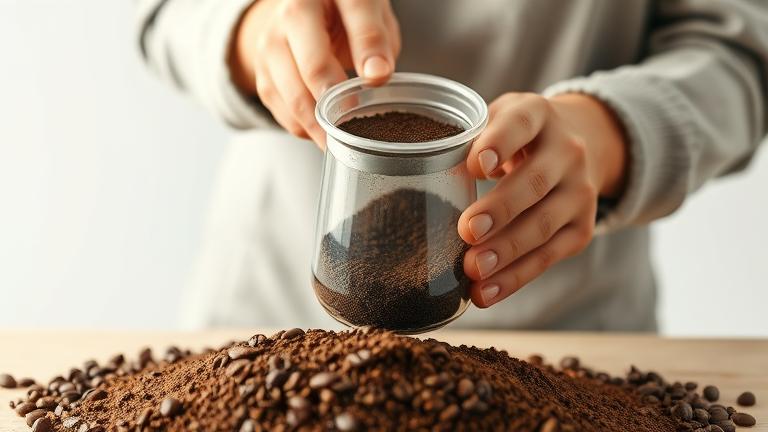
Understanding Coffee Grounds Reuse
Reusing coffee grounds is a smart way to make the most of your coffee and reduce waste. After brewing your coffee, the leftover grounds can have many practical uses around your home and garden. Many people don’t realize that coffee grounds aren’t just trash; they’re actually quite versatile and beneficial when managed properly.
The main idea behind reusing coffee grounds is to think beyond your morning cup. Used coffee grounds are rich in nutrients and can be repurposed for gardening, cleaning, and even beauty routines. This helps you save money, reduce waste, and often improve the health of your plants or household items.
Managing used coffee grounds effectively starts with understanding their basic properties. Coffee grounds are slightly acidic, contain nitrogen, and have a coarse texture. These qualities make them ideal for composting or as a natural fertilizer. However, it’s important to use them correctly so they don’t cause problems like mold or bad odors.
Benefits of Reusing Coffee Grounds
- Nutrient Boost for Plants: Coffee grounds add nitrogen to soil, which is a vital nutrient for plant growth. They can improve soil fertility when added in moderation.
- Cost Savings: Reusing coffee grounds means less waste and fewer shopping trips for fertilizers or cleaning products.
- Environmental Impact: By repurposing grounds, you help cut down on landfill waste and reduce environmental harm.
Basic Principles for Managing Used Coffee Grounds
When reusing coffee grounds, keep these principles in mind:
- Dry Them Out: Freshly used grounds are moist, which can encourage mold. Spread them out on a tray to dry before storing or using them.
- Store Properly: Keep dried grounds in an airtight container in a cool, dark place. This prevents mold growth and keeps them fresh for future use.
- Use in Moderation: Too many coffee grounds at once can compact in soil or cause water runoff issues. Mix them thoroughly into compost or soil to avoid clumping.
- Combine with Other Materials: For compost, mix coffee grounds with brown materials like leaves or paper to balance nitrogen and carbon levels.
Common Uses of Reused Coffee Grounds
There are many ways to reuse coffee grounds. Here are some popular options:
- Fertilizer: Sprinkle dried grounds around your plants or add them to your compost pile.
- Natural Pest Repellent: Coffee grounds can deter pests like slugs and ants when spread around garden beds.
- Cleaning: Use damp grounds as an abrasive cleaner for scrubbing pots, pans, or even your sink.
- Odor Control: Place dried grounds in the refrigerator or trash bin to neutralize odors.
While reusing coffee grounds offers many benefits, it’s important to be aware of common mistakes. Avoid adding large quantities directly into soil without mixing, as this can cause compacting. Also, don’t use grounds that are moldy or smell off, since they can introduce mold spores or bad odors into your space.
By understanding how to manage used coffee grounds wisely, you can turn waste into a valuable resource. With a little care, your coffee grounds can help your garden thrive, keep your home clean, and even save money over time.
Benefits of Reusing Coffee Grounds
Reusing coffee grounds is a simple way to enjoy several benefits, including helping the environment, saving money, and improving your garden and kitchen. Instead of tossing out those used coffee grounds each morning, you can find creative and practical uses for them around your home and yard.
One of the biggest reasons to reuse coffee grounds is to reduce waste. Coffee grounds make up a significant part of kitchen scraps, and throwing them away adds to overflowing landfills. By reusing coffee grounds, you help cut down on waste that can take years to decompose. This small act contributes to a healthier planet and lessens your household’s carbon footprint.
Another advantage is saving money. Many people buy products like fertilizers, exfoliants, and cleaning supplies that contain coffee grounds or use store-bought options that can be costly. When you reuse coffee grounds in your garden or even as a natural scrub, you cut down on the need to buy these extra items. Plus, used grounds are free and become a sort of all-natural, multi-use tool.
Many people may not realize that coffee grounds are a versatile resource for gardening. They are rich in nitrogen, which is essential for healthy plant growth. You can sprinkle used grounds around your garden plants or mix them into compost. This helps boost soil fertility naturally, encouraging vibrant plants and more abundant flowers and vegetables.
In addition, reusing coffee grounds can enhance your culinary adventures. Used coffee grounds can be incorporated into recipes like coffee-infused desserts or used as a flavor enhancer in rubs or marinades. While they’re not meant for eating directly, they lend a rich, roasted aroma to certain dishes and drinks.
Beyond gardening and cooking, coffee grounds have practical household uses. For example, they work well as a natural deodorizer. Placing dried grounds in your fridge or trash bin helps absorb bad odors. You can also use them as an abrasive cleaner for pots, pans, or even your hands after cooking garlic or onions. Since they are gentle yet abrasive, they make a natural scrub that’s safer than harsh chemicals.
- Environmentally friendly: Keeps waste out of landfills
- Cost-effective: Replaces expensive store-bought products
- Boosts garden health: Adds nitrogen and improves soil quality
- Natural deodorizer: Absorbs and neutralizes bad smells
- Kitchen helper: Useful as a gentle scrub or flavoring
Just remember to dry out the grounds if you’re planning to store or reuse them for deodorizing or cleaning. Also, avoid putting too much in one spot, as excessive use can attract pests or create mold if kept damp. With a little creativity, reusing coffee grounds can become a rewarding and eco-friendly part of your daily routine.
How to Reuse Coffee Grounds in Cooking
Used coffee grounds are more than just waste; they can be a fantastic ingredient in your kitchen. Reusing coffee grounds in cooking not only adds a unique flavor but also helps reduce waste. With a little creativity, you can incorporate them into many recipes safely and deliciously.
Before you start using coffee grounds in your cooking, make sure they are dry and free of any mold or bacteria. Wet or spoiled grounds should be discarded. Properly dried grounds can be stored in an airtight container if you plan to use them later.
Flavor Enhancer in Marinades and Rubs
Coffee grounds add a rich, smoky flavor to meats and vegetables. They work well as part of a dry rub for steaks, chicken, or even tofu. Mix grounds with spices like paprika, chili powder, salt, and pepper to create a robust marinade.
To use them, combine the grounds with your preferred spices and coat the meat generously. Let it sit for at least 30 minutes to allow the flavors to absorb. The coffee’s natural bitterness balances nicely with sweet or spicy ingredients for a well-rounded taste.
Baking with Coffee Grounds
If you love baked goods, coffee grounds can boost the flavor of bread, muffins, and cookies. Substitute a small amount of flour with coffee grounds—about one to two tablespoons per cup of flour. This adds depth and hints of coffee aroma.
For example, sprinkle used grounds into chocolate muffins or add them to brownie batter. Just remember not to overload the recipe, as too much coffee can make baked goods bitter.
Adding to Soups and Stews
Coffee grounds can deepen the flavor of hearty soups and stews. Add a small spoonful during cooking to impart a subtle smoky undertone. They’re especially good in chili or beef stew.
Be cautious: start with a little and taste as you go. You don’t want it to overpower the dish. Coffee grounds dissolve partially during cooking, so the flavor embeds well without being gritty.
As a Natural Scrubber and Anti-Microbial Agent
Besides taste, coffee grounds can be used for cleaning. Mix them with a little soap and water to scrub pots, pans, or even vegetables. They help remove grease and grime while offering a gentle abrasive.
Additionally, coffee grounds have natural anti-microbial properties. Spread dry grounds around garden plants to deter pests or mix them into compost to boost nutrient levels.
Practical Tips and Safety Advice
- Always dry used coffee grounds before storing or using to prevent mold.
- Start with small amounts in recipes—coffee grounds are potent and can easily overpower other flavors.
- Avoid using grounds that have been sitting out for too long, as they may have absorbed unwanted odors.
- When adding grounds to recipes, think about the texture—finely ground coffee works best in baking and liquids, while coarser grounds are better for rubs or grilling.
With these tips, you can turn used coffee grounds into a versatile ingredient that enhances flavors and supports sustainable cooking. Experimenting with them opens up new possibilities in your kitchen and helps make the most of your coffee habit.
Coffee Grounds for Gardening
Coffee grounds are a popular, eco-friendly way to give your garden a boost. They are rich in nitrogen, which plants need to stay healthy and grow strong. Using coffee grounds in your garden can be a simple, natural way to improve soil quality, feed your plants, and even keep away pests.
Before you start tossing coffee grounds into your garden, it’s good to know how to use them properly. They can be helpful in several ways, including as part of a compost mix, a direct fertilizer, or a pest repellent. Let’s explore each method so you can get the best results and keep your garden thriving.
Adding Coffee Grounds to Compost
One of the easiest ways to incorporate coffee grounds into your garden is by adding them to your compost pile. Coffee grounds are a “green” compost material, meaning they are rich in nitrogen. They help balance the “browns” like dried leaves or straw, which are high in carbon.
To use coffee grounds in compost:
- Mix them into your compost bin or pile. Add about a handful or two at a time.
- Mix well to avoid clumping, which can slow decomposition.
- Combine with “browns” such as shredded paper, leaves, or straw. This balance helps compost break down quickly.
- Turn your compost regularly to aerate it, which speeds up the process and keeps it healthy.
It usually takes a few months for compost to fully break down. Once it looks dark and crumbly, it’s ready to spread in your garden beds.
Using Coffee Grounds as Fertilizer
Fresh or used coffee grounds can be directly sprinkled around plants as a slow-release fertilizer. They provide nitrogen, which encourages leafy growth. Many gardeners like to top-dress plants like vegetables, flowers, and shrubs with coffee grounds.
Here are some tips for using coffee grounds as fertilizer:
- Apply in a thin layer around your plants, about half an inch thick.
- Water after applying to help nutrients soak into the soil.
- Avoid piling too much at once, as excess coffee grounds can compact and create a barrier that makes it hard for water and air to reach roots.
Note: Coffee grounds are slightly acidic, but used grounds usually have a neutral pH. If you grow acid-loving plants like blueberries or azaleas, monitor soil pH levels to keep them happy.
Pest Control with Coffee Grounds
Coffee grounds can help keep pests like slugs and snails away from your plants. Spread a thin layer of grounds around vulnerable plants as a barrier. The rough texture and caffeine can deter pests from crossing.
Here are some pointers:
- Spread grounds early in the morning or late in the day when pests are active.
- Apply after watering, as wet grounds stick better and last longer.
- Practice moderation; too thick a layer may block water and air.
While coffee grounds help with pests, they are not a guaranteed solution. Combine with other pest control methods for the best results.
Tips for Safe and Effective Use
- Always use used coffee grounds rather than fresh, which can be too acidic.
- Mix coffee grounds into the soil or compost rather than making a pile on top.
- Monitor your plants for any signs of pH imbalance or nutrient overload.
- Keep coffee grounds away from seeds when starting new plants, as they can sometimes inhibit germination.
- Experiment with small amounts first to see how your plants respond.
Using coffee grounds is a simple way for home gardeners to recycle kitchen waste and enhance garden health. With a little practice, they can become a regular part of your gardening routine that benefits your plants and the environment alike.
Tips for Proper Coffee Grounds Recycling
If you love coffee and want to reduce waste, recycling coffee grounds is a great way to do it. Used coffee grounds can be repurposed in many eco-friendly ways around your home and garden. To get the most out of your coffee grounds and keep your recycling processes simple, follow these friendly tips.
1. Store Coffee Grounds Properly
After brewing your coffee, don’t just toss the grounds in the trash. Instead, store them in a dry, airtight container. This prevents moisture from seeping in, which can cause mold or bad odors. Keep the container in a cool, dark place like your pantry or cupboard. If you plan to reuse the grounds for gardening or other projects, it’s best to process them soon after brewing. Avoid leaving wet grounds sitting out, as they can attract pests or develop mold quickly.
2. Dry Coffee Grounds Before Recycling
For certain reuse ideas like composting or making DIY beauty treatments, drying the coffee grounds is essential. Spread the grounds out on a baking sheet and let them air dry in a well-ventilated area for a few hours or overnight. You can also dry them in a low-temperature oven at about 200°F (90°C) for 10-15 minutes. Make sure the grounds are completely dry to prevent mold growth and to keep them easy to handle and store.
3. Know Your Recycling Options
There are many smart ways to recycle coffee grounds. Use them in your garden as a natural fertilizer, or add them to compost bins to enrich your soil. Coffee grounds are rich in nitrogen, making them a great addition for composting. You can also use dried grounds as a natural deodorizer in your fridge or trash cans, or even as a scrub in DIY beauty routines. Just remember, coffee grounds are usually most effective when used fresh or within a few days of drying.
4. Be Mindful of Safety and Cleanliness
Always wash your hands after handling used coffee grounds to prevent any lingering odors or stains. If you notice mold, discard the grounds immediately. When mixing grounds into compost or soil, avoid overloading the compost pile with too much at once. Balance is key to effective composting and keeps pests away. Additionally, never add coffee grounds directly to indoor houseplants without proper dilution, as too much nitrogen can harm delicate roots.
5. Avoid Common Mistakes
- Don’t store wet coffee grounds for too long—mold can develop quickly.
- Avoid adding large amounts of grounds at once—spread them out for even decomposition.
- Never reuse spoiled or moldy grounds in your garden or DIY projects.
- Be cautious with coffee grounds around pets, as some pets may be sensitive to the scent or taste.
6. Practical Tips for Multiple Uses
- Mix dried coffee grounds into your compost to speed up decomposition.
- Use grounds as a natural scrubbing agent for pots, pans, or even your skin.
- Place dried grounds in small sachets to deodorize shoes, closets, or trash cans.
Following these simple tips will help you recycle coffee grounds effectively, reducing waste and gaining more value from your coffee habits. With a little organization, your grounds can turn into a resource—whether in your garden, around your home, or as part of other eco-friendly projects.
Common Mistakes to Avoid
Reusing coffee grounds can be a smart way to save money and reduce waste, but it’s easy to run into some common errors that affect the taste and safety of your brew. Knowing what to watch out for can help you get the best results every time. Here are the most frequent mistakes people make when reusing coffee grounds, along with simple tips to prevent them.
1. Using Grounds That Are Too Old
One of the biggest mistakes is using coffee grounds that are past their prime. Coffee grounds start to lose flavor and aroma quickly after brewing. If you reuse old grounds, your coffee might taste flat or stale. To avoid this, only reuse grounds that are fresh and smell good. If the grounds smell sour or moldy, discard them and start with new ones.
2. Not Storing Grounds Properly
Moisture and air are enemies of good coffee grounds. When reusing grounds, it’s important to store them in an airtight container in a cool, dry place. Exposure to humidity can cause mold growth or make the grounds clump. Always keep used grounds sealed tight until you’re ready to reuse them or discard them.
3. Overusing Grounds for Brewing
Some people try to reuse grounds multiple times, expecting a similarly strong brew each time. However, the strength and flavor decrease with each reuse. Reusing the same grounds more than once can result in weak, bitter coffee. A good rule is to only reuse grounds once or twice, and taste-testing before brewing helps determine if they’re still good.
4. Ignoring the Potential for Bitter Flavors
When grounds are reused too many times, they often produce bitter or burnt flavors. This happens because the coffee particles become over-extracted. To avoid this, monitor the taste and smell of your brewed coffee. If it tastes bitter or sour, it’s time to start fresh with new grounds.
5. Reusing Grounds for Brewing if They’re Not Suitable
Not all grounds are suitable for reuse. For example, grounds used in drip coffee might be different from those used in French presses or espresso machines. Some brewing methods extract more flavor, so reusing grounds from a weaker method may not give you a good result. Think about the original brewing method and whether the grounds still have flavor energy to give.
6. Overlooking Food Safety
Used coffee grounds can harbor bacteria or mold if left at room temperature for too long. Avoid leaving used grounds out for days. If you plan to reuse them, do so within a day or two, or store them in the refrigerator. Also, avoid reusing grounds that smell off or seem damp with mold.
- Tip: To reduce waste and improve reuse results, consider composting used coffee grounds or adding them to your garden.
- Tip: Always smell and visually inspect used grounds before reuse to ensure freshness.
By being aware of these common mistakes and following these simple tips, you can enjoy flavorful coffee even when reusing grounds. It’s all about balancing practicality with taste and safety. Happy brewing!
Final Tips and Creative Ideas
Reusing coffee grounds is a smart and eco-friendly choice. Not only can you extend the life of your coffee grounds, but you can also explore fun and practical ways to incorporate them into your daily routine. Whether you’re a coffee lover or someone looking for simple household hacks, there are plenty of creative ideas to try.
Before diving into these ideas, remember that used coffee grounds are best when dried out completely. Spread them on a baking sheet and let them air dry for a few hours or bake at a low temperature for about 15 minutes. When stored in an airtight container, dried coffee grounds can last for weeks without smelling strange.
Practical Tips for Using Coffee Grounds
- Always test a small area when using coffee grounds in cleaning or gardening to see how your surfaces or plants react.
- Combine used coffee grounds with other natural ingredients like baking soda or coconut oil for DIY scrubs or cleaning solutions.
- Keep used grounds in a jar with a tight lid if you’re collecting them over time for various projects.
- If you notice a strong coffee smell, give the grounds a quick rinse or allow them to dry thoroughly to avoid any lingering odors.
Creative Ideas to Repurpose Used Coffee Grounds
1. Gardening Goodies
Used coffee grounds are rich in nitrogen, making them a great natural fertilizer. Mix them into your compost or sprinkle a thin layer around your plants. Coffee grounds can help improve soil drainage and attract beneficial earthworms. Just be careful with acid-loving plants like azaleas or blueberries, as too many coffee grounds can increase soil acidity.
2. Natural Deodorizer
Place dried coffee grounds in small bowls or fabric sachets around your home to absorb odors. Keep them in the fridge to eliminate fridge smells or tuck them into shoes and gym bags. Reused grounds work well because of their smell-absorbing properties, and they can be refreshed with a quick dry-out every few weeks.
3. Cleaning and Scrubbing
Use coffee grounds as a gentle abrasive for cleaning surfaces like pots, pans, and sinks. They are especially handy for removing grease and stuck-on grime. Avoid using them on porous surfaces or soft materials to prevent scratching. Mix with a little dish soap for extra scrubbing power.
4. Beauty Boosts
Make your own body scrub by mixing used coffee grounds with coconut oil and sugar. This scrub can exfoliate dead skin and stimulate circulation. Use it in the shower on your arms, legs, or even your face, but avoid eye contact. Always do a patch test first to ensure there’s no irritation.
5. Pest Control
Sprinkle coffee grounds around your garden or porch to deter pests like ants, slugs, and snails. Their strong smell irritates these critters, keeping them away naturally. Refresh the repellents regularly, especially after rain.
More Tips for Success
- Be mindful not to overuse coffee grounds in the garden to prevent soil imbalances.
- Experiment with small batches for DIY projects to see what works best for your home.
- Share your coffee ground ideas with friends or add them to community compost bins to help reduce waste.