
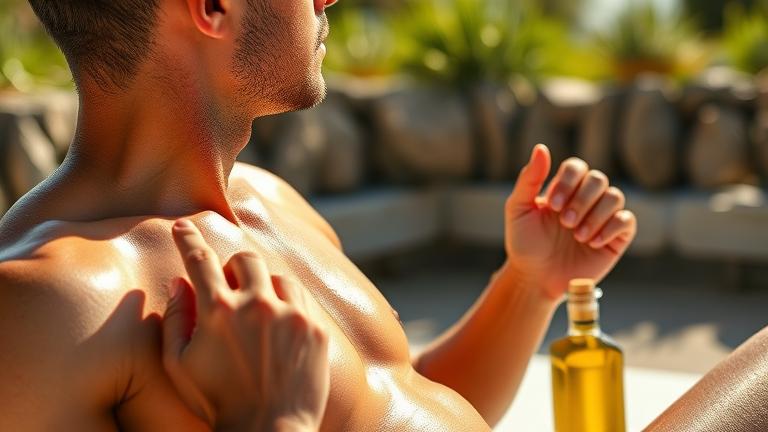
Is Olive Oil Safe for Tanning?
Many people wonder if applying olive oil on their skin is safe when tanning. Olive oil is a popular natural product known for its moisturizing properties and rich nutrients. But using it during tanning raises some important questions about skin health and safety.
Olive oil contains antioxidants and healthy fats that can nourish the skin. However, it also has a high concentration of oleic acid, which can make your skin more sensitive to sunlight. This means applying olive oil might increase your risk of sunburn if you’re not careful. It’s essential to understand how it interacts with your skin and the sun’s rays before using it during tanning sessions.
What Happens When You Apply Olive Oil to Your Skin?
- Olive oil creates a barrier on the skin that can help lock in moisture, making your skin feel softer and smoother. That’s why many use it as a natural moisturizer.
- When applied before sun exposure, olive oil can intensify the effect of ultraviolet (UV) rays, potentially leading to a quicker and more severe sunburn.
- Because of this, olive oil is sometimes classified as a photosensitizer, which means it can make your skin more vulnerable to UV damage.
Potential Risks of Using Olive Oil While Tanning
While olive oil offers moisturizing benefits, using it before or during tanning can come with risks. These include:
- Sunburn: The heightened sensitivity caused by olive oil may result in painful sunburns, especially if you stay in the sun for a long time.
- Skin Damage: Excessive UV exposure can lead to premature aging, wrinkles, and even skin cancer over time.
- Uneven Tanning: Olive oil might cause uneven absorption of UV rays, leading to patchy tan lines.
Safe Practices When Tanning with Olive Oil
If you love the idea of using olive oil for its nourishing qualities, there are safe ways to incorporate it into your tanning routine. Here are a few tips:
- Apply olive oil after your tanning session rather than before. It can help hydrate your skin and prevent dryness without increasing UV sensitivity.
- Always wear a broad-spectrum sunscreen with at least SPF 30 when tanning, regardless of what oils you use. This protects against harmful UV rays.
- Limit your time in the sun, especially during peak hours when UV rays are strongest, usually between 10 a.m. and 4 p.m.
- Test a small patch of skin first. Apply a little olive oil and expose your skin to sunlight for a short time to see how it reacts.
Conclusion
While olive oil is a natural and nourishing skin product, using it during tanning can increase your risk of sun damage. It’s safer to apply olive oil after tanning to lock in moisture rather than before. Remember to always use sunscreen and be mindful of the time spent in direct sunlight. Protecting your skin now helps keep it healthy and beautiful for years to come.
Risks of Using Olive Oil to Tan
Many people have heard that applying olive oil to your skin can help you tan faster or get a deeper color. While it might seem natural and harmless, using olive oil to tan actually comes with some important risks. It’s good to be aware of these dangers before slathering it on your skin.
One of the biggest concerns with olive oil is the risk of skin burns. Olive oil can act like a magnifying glass under the sun, intensifying UV rays. This means that instead of protecting you, applying olive oil may cause your skin to burn more easily. Sunburns are not only painful but can also damage your skin cells and lead to longer-term skin issues.
In addition to burns, using olive oil may increase your chances of skin damage from UV exposure. When oil coats your skin, it can trap heat and make your skin more sensitive to the sun’s rays. Over time, this can accelerate skin aging, leading to wrinkles, age spots, and loss of elasticity. It also raises the risk of sunspots and uneven skin tones.
Another important risk is skin irritation. Olive oil, especially if you have sensitive skin or an allergy, can cause redness, itching, or rash. If you notice any discomfort or allergic reaction after applying olive oil, it’s best to wash it off immediately and avoid further use. For some people, olive oil can clog pores or cause breakouts, too.
It’s also worth mentioning that applying oily substances like olive oil does not ensure a safe tan. Experts warn that tanning itself, whether with or without oils, damages the skin and increases skin cancer risk. Using olive oil might give the illusion of a bronze glow, but it does not protect your skin from UV rays. In fact, it might make you more prone to harmful UV damage.
- Always use sunscreen with at least SPF 30 if you’re going to be in the sun. Do not rely on olive oil as protection.
- Limit your sun exposure, especially during peak hours between 10 a.m. and 4 p.m.
- Pay attention to how your skin reacts. If you notice redness, irritation, or burning, wash off any oils immediately.
- Remember that no oil provides safe sun tanning. The safest way to tan is gradually and with proper protection.
In summary, while olive oil might be a natural choice, using it to tan can lead to skin burns, increased UV damage, and irritation. It’s much better to protect your skin properly and enjoy your time in the sun safely.
Natural Alternatives to Olive Oil for Tanning
If you’re looking to achieve a beautiful tan without relying on olive oil or other commercial tanning products, there are many natural options you can try. These alternatives are generally gentler on your skin and can help you develop a safe, healthy glow. It’s important to remember that even natural oils can increase your skin’s sensitivity to sunlight, so always practice sun safety and use them responsibly.
One popular natural option is coconut oil. Known for its moisturizing properties, coconut oil contains fatty acids that help nourish your skin while providing a slight shimmer when exposed to sunlight. It has a natural SPF of around 4-6, which offers a small amount of protection, but you should still apply additional sunblock for extended sun exposure.
Another great choice is aloe vera gel. Often used for soothing sunburns, aloe vera also hydrates and conditions your skin. When applied before sunbathing, it can promote a gentle tan and keep your skin soft. Plus, aloe vera is rich in antioxidants that support healthy skin, making it a beneficial daily moisturizer.
Other Effective Natural Tanning Oils and Methods
- Cocoa Butter: This rich moisturizer is often used to improve skin elasticity and promote a healthy glow. Its slight sheen can enhance your tan as you soak up the sun. Remember, it doesn’t contain SPF, so pair it with protective measures.
- Plum or Carrot Seed Oil: These oils are believed to have natural properties that support skin health and may aid in tanning. Carrot seed oil, in particular, has a natural SPF and is packed with antioxidants.
- DIY Sun-Enhancing Mixtures: You can create your own blend by combining coconut oil, a few drops of carrot seed oil, and aloe vera gel. Apply this mixture evenly to your skin before sun exposure for a natural, nourishing tanning boost.
Safe Sun Tanning Tips with Natural Oils
- Always start slow: Begin with 15-20 minutes of sun exposure and gradually increase your time to prevent sunburn.
- Moisturize regularly: Natural oils keep your skin hydrated and can help you tan more evenly.
- Apply generously: Use enough oil to coat your skin evenly, but avoid excessive application that can make your skin overly greasy.
- Use protective measures: Even with natural oils, always wear a hat, sunglasses, and consider applying a natural sunscreen if planning to stay outside longer.
Remember, the goal is to enjoy a healthy tan safely. Natural oils not only help you tan but also nourish your skin and keep it soft. Experiment with different options to find what works best for your skin type and tanning goals, always respecting your skin’s limits and safety guidelines.
How to Achieve a Safe, Natural Tan
Getting a tan that looks healthy and natural is a common goal, but it’s important to do it safely. Excessive sun exposure can damage your skin and increase the risk of skin cancer. The good news is, with some simple tips and habits, you can achieve that golden glow without putting your skin at risk.
The key is to balance sun safety with smart tanning practices. This means understanding the best times to be outside, protecting your skin, and knowing how to gradually build your tan. Remember, the goal is to enhance your natural skin tone, not to force it or stay in the sun too long.
Sun Safety First
- Always wear sunscreen: Choose a broad-spectrum sunscreen with at least SPF 30. Apply it generously to all exposed skin, including your ears, neck, and the tops of your feet. Reapply every two hours, or more often if swimming or sweating.
- Seek shade during peak hours: The sun is strongest between 10 a.m. and 4 p.m. During these hours, try to stay in the shade or limit your direct sun exposure. This reduces the risk of sunburn and skin damage.
- Wear protective clothing: Cover your skin with wide-brimmed hats, sunglasses, and lightweight clothing when you’re in the sun. This helps protect your skin while still allowing some sun to help develop your tan.
Timing Is Everything
Building a natural tan takes time. Instead of trying to tan in one long session, aim for short, regular periods of sun exposure. Start with 15-20 minutes, and gradually increase your time as your skin gets used to the sun.
Remember, tanning is your skin’s way of protecting itself from UV rays. Gentle, incremental exposure allows you to develop a tan safely, without getting burned or damaged.
Skin Care Practices
- Moisturize daily: Keeping your skin hydrated helps maintain an even, healthy tan. Use a moisturizer suited for your skin type, ideally one with added SPF for extra protection.
- Exfoliate regularly: Gently exfoliating your skin removes dead skin cells and helps your tan look more even. Use a mild scrub or a loofah a few times a week.
- Avoid tanning beds: They emit harmful UV rays similar to natural sunlight. Rely on natural sun rays and safe tanning methods.
Unexpected Tips for a Natural Glow
- Eat the right foods: Foods rich in beta-carotene like carrots, sweet potatoes, and spinach can enhance your skin’s natural glow.
- Stay hydrated: Drinking plenty of water keeps your skin plump and healthy, which helps your tan look vibrant and smooth.
- Use gradual tanning products: If you prefer a quicker, more controlled tan, consider self-tanners that develop gradually. They offer a safe alternative to prolonged sun exposure.
By following these practical tips, you can enjoy a beautiful, natural-looking tan while keeping your skin safe and healthy. Remember, patience and protective measures are your best friends when it comes to achieving that sun-kissed glow responsibly.
Tips for Even, Healthy Tanning
Getting a beautiful, even tan that looks healthy and natural isn’t just about laying out in the sun. It takes some simple precautions and good habits to protect your skin while achieving that lovely glow. Whether you prefer sunbathing or using a tanning product, these tips will help you tan safely and evenly.
Exfoliate Your Skin Regularly
Before you start tanning, it’s helpful to exfoliate your skin. This removes dead skin cells that can cause uneven patches or streaks. Use a gentle scrub, or try a natural option like a mixture of sugar and coconut oil. Focus on areas that tend to be rougher, like elbows, knees, and ankles.
Make exfoliation part of your weekly routine. It helps your tan go on smoothly and last longer. Remember, never exfoliate immediately before sun exposure, as fresh skin may be more sensitive.
Keep Your Skin Hydrated
Hydration is key to achieving a healthy tan. Drink plenty of water every day, especially before and during sun exposure. Well-hydrated skin stays supple and is less prone to peeling or dryness that can ruin your tan.
Apply a good moisturizer daily, and consider using a tan-enhancing lotion that contains ingredients like aloe or Vitamin E. These help keep your skin soft and support an even, glowing tan.
Practice Proper Tanning Habits
- Start slow: If you’re new to tanning or using a tanning product, begin with short sessions. Gradually increase your time in the sun or with your tanning lotion. This helps prevent burns and uneven color.
- Use sunscreen: Always apply a broad-spectrum sunscreen with at least SPF 30. Even if you want a tan, sun protection keeps your skin safe from harmful UV rays that can cause premature aging and skin damage.
- Rotate your position: Change your body position frequently when sunbathing. This helps all parts of your skin tan evenly, avoiding streaks or patches.
- Avoid peak hours: Limit your sun exposure to mornings and late afternoons, when UV rays are less intense. This reduces the risk of burns and uneven tanning.
Additional Tips for a Better Tan
Patience is important. A gradual tan looks more natural and fades evenly. If you’re using tanning lotions or sprays, follow the application instructions carefully. Using too much at once can lead to uneven color.
Remember, everyone’s skin reacts differently. If you notice redness, irritation, or discomfort, stop tanning and give your skin time to recover. Taking care of your skin first helps ensure that your tan stays healthy and attractive for longer.
Common Myths About Olive Oil and Tanning
Many people have heard that olive oil can help them achieve a darker, more attractive tan when they spend time in the sun. While it might seem like a natural and affordable option, there are several myths and misconceptions about using olive oil for tanning. Let’s clear up these misunderstandings and provide you with facts you can trust.
Myth 1: Olive oil speeds up tanning
One of the most common beliefs is that rubbing olive oil on your skin will make you tan faster. The idea is that olive oil enhances UV absorption and accelerates skin darkening. However, scientific studies show that olive oil does not increase the rate of tanning. In fact, it can be harmful because it does not provide any protection against UV rays.
Myth 2: Olive oil is a natural sunblock
Some think that because olive oil is natural, it offers some level of sun protection. This is not true. Olive oil has no significant SPF (Sun Protection Factor). Relying on it to protect your skin can lead to serious sunburns and increase your risk of skin cancer. For safe sun exposure, always use a broad-spectrum sunscreen with at least SPF 30.
Myth 3: Olive oil prevents skin damage from the sun
Another misconception is that olive oil can prevent sun damage or skin aging. Olive oil contains antioxidants like vitamin E, which are good for skin health, but applying it alone won’t prevent damage caused by UV rays. In fact, it may even make your skin more sensitive to the sun and increase the chance of burns.
Myth 4: Olive oil deepens skin color permanently
While some believe that olive oil can lead to a deeper, long-lasting tan, this is not accurate. Olive oil does not alter your skin’s pigmentation. Any darkening is temporary and caused by exposure to the sun, not the oil itself. Using olive oil might make your skin appear shinier in the short term, but it won’t give you a real, lasting tan.
Myth 5: It’s safe to bake in the sun with olive oil on your skin
Applying olive oil before extensive sun exposure can be dangerous. It can cause your skin to absorb more UV rays, increasing the risk of burns. Plus, olive oil can make the skin more prone to inflammation and irritation. Always opt for sun-protective products and limit your time in direct sunlight.
Practical Tips for Safe Tanning
- Use a broad-spectrum sunscreen regardless of what you apply on your skin.
- Limit sun exposure during peak hours, typically between 10 a.m. and 4 p.m.
- Wear protective clothing, hats, and sunglasses.
- Hydrate well before, during, and after sunbathing.
Remember, enjoying the sun responsibly is the best way to get that lovely tan. Using olive oil as a tanning aid is a myth that can lead to skin damage. Stick to safe practices and enjoy healthy, glowing skin instead.
Expert Advice on Tanning Safely
Getting a tan can be a fun way to boost your confidence and enjoy sunny days. However, it’s essential to do it safely to protect your skin from damage. Expert opinions stress that tanning should always prioritize your skin health and follow sun safety guidelines.
When planning to tan outdoors, aim to limit your exposure to peak sunlight hours, which are usually between 10 a.m. and 4 p.m. During these times, the sun’s rays are strongest and increase the risk of sunburn and long-term skin damage. If you want to tan, try to schedule your sunbathing sessions either early in the morning or late in the afternoon when the rays are gentler.
Use Sunscreen Every Time
One of the most important safety tips from experts is to apply a broad-spectrum sunscreen before going outside. Choose a sunscreen with at least SPF 30, which shields your skin from both UVA and UVB rays. Remember to put it on liberally and evenly on all exposed skin. Reapply every two hours, or more often if you are swimming or sweating. Don’t forget areas like your ears, the back of your neck, and the tops of your feet.
Gradually Build Your Tan
Experts recommend building your tan gradually rather than trying to get it all at once. Start with short sun exposure sessions about 15 to 20 minutes and increase the time slowly over days. This gradual approach helps your skin develop a tan with less risk of burning and reduces long-term damage.
Stay Hydrated and Moisturized
Crucial to skin health is hydration. Drinking plenty of water keeps your skin hydrated from within and helps prevent dryness and peeling. Also, after sun exposure, use a moisturizer to soothe your skin. Look for products with aloe vera or vitamin E, which can help calm and repair sun-exposed skin.
Protect Your Eyes and Lips
Experts emphasize protecting sensitive areas like your eyes and lips. Wear sunglasses that block UVA and UVB rays to shield your eyes from damage. Use a lip balm with SPF to prevent sunburned lips, which can easily happen during outdoor sunbathing.
Avoid Tanning Beds
Although tanning beds might seem like a quick alternative, professionals strongly advise against using them. The UV rays from tanning beds can cause the same, if not worse, skin damage as sun exposure. Over time, they significantly increase the risk of skin cancer and premature aging.
Listen to Your Skin
Pay attention to how your skin responds during sun exposure. If you notice redness, excessive warmth, or pain, it’s time to get out of the sun. These signs show your skin is being overexposed and needs a break. Remember, protecting your skin today means healthier skin tomorrow.
- Always wear protective clothing, like wide-brimmed hats and cover-ups, for extra safety.
- Seek shade whenever possible to reduce overall sun exposure.
- Check your skin regularly for any unusual moles or spots and consult a dermatologist if you notice anything suspicious.