
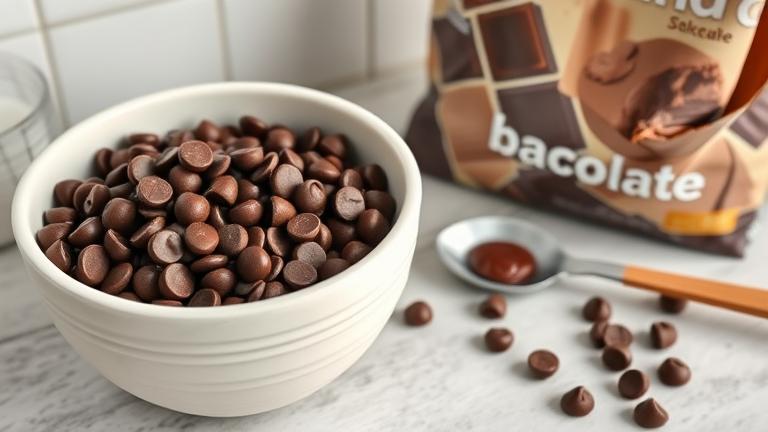
Understanding Chocolate Types in Baking
When you’re baking, choosing the right type of chocolate can significantly influence your final product. There are several kinds of chocolate used in baking, each with its own unique qualities. Understanding these differences helps you make better substitutions and achieve the best flavor and texture.
Let’s start with semi-sweet chocolate, one of the most common choices in baking recipes like cookies, brownies, and cake fillings. Semi-sweet chocolate offers a balanced flavor that isn’t overly sweet or bitter. It contains a moderate amount of cocoa solids and sugar, giving it a rich, full-bodied taste without being overly sweet.
Semi-sweet chocolate is often available in chips, bars, or morsels. It melts smoothly, making it ideal for mixing into batters or coatings. When purchasing semi-sweet chocolate, look for high-quality brands that have a good cocoa content, usually around 50 to 60 percent. This ensures a deep chocolate flavor in your baked goods.
How Semi-Sweet Chocolate Differs from Baking Squares
Many home bakers are familiar with baking squares, often called baking chocolate or unsweetened chocolate. These are solid blocks of pure cocoa solids with little to no sugar added. Baking squares tend to have an intense flavor and are very bitter because they lack sugar. They were traditionally used in recipes where sugar is added separately.
Pure baking chocolate can be tricky for beginners. Its bitterness means you usually cannot substitute it directly for semi-sweet chocolate without adjusting the sugar content in your recipe. It is best used when a recipe specifically calls for it or when you want to control the sweetness yourself.
Other Common Types of Baking Chocolate
- Unsweetened Chocolate: Made of 100% cocoa solids with no sugar. It is very bitter and mainly used in recipes where sugar is added separately.
- Bittersweet Chocolate: Similar to semi-sweet but with a higher cocoa content and less sugar, providing a richer, more intense flavor.
- Dark Chocolate: Contains between 50-90% cocoa and offers a deep chocolate flavor with varying degrees of sweetness.
- Milk Chocolate: Contains milk solids and more sugar, giving it a creamy, sweeter taste. It is less commonly used in baking recipes that require an intense chocolate flavor.
Practical Tips for Baking with Different Chocolates
- Always check the cocoa content on the label to match the chocolate to your recipe needs.
- If substituting one type of chocolate for another, adjust the sugar content to maintain the balance of sweetness and richness.
- Use high-quality chocolate for the best flavor. Cheaper chocolates may contain vegetable fats instead of cocoa butter, which can affect taste and texture.
- Remember that melted chocolate can seize or become grainy if overheated or mixed with water. Melt it slowly over low heat or in short bursts in the microwave, stirring often.
Understanding the differences between semi-sweet chocolate and other types like baking squares or unsweetened chocolate helps you make smarter choices in the kitchen. With this foundational knowledge, you can confidently experiment and create delicious baked treats tailored to your taste preferences.
Differences Between Chocolate Chips and Baking Squares
If you’re baking and wonder whether to use chocolate chips or baking squares, understanding their differences can help you make the best choice for your recipe. Both add delicious chocolate flavor, but they behave differently in your baked goods. Knowing these differences ensures your treats turn out just right.
First, let’s talk about texture. Chocolate chips are designed to hold their shape during baking. They have a firm, semi-solid texture that resists melting easily. This means they stay somewhat distinct in cookies and muffins, giving that familiar chocolate burst in every bite. Baking squares, on the other hand, are usually softer and more uniform. They tend to melt faster and blend into the batter, creating a more uniform chocolate flavor throughout the baked item.
Next is melting properties. Chocolate chips contain stabilizers, such as emulsifiers, which help them retain their shape when heated. This makes chips ideal for cookies where you want chocolate chunks rather than a smooth chocolate mixture. Baking squares, however, are often made from melting chocolate or chocolate bars that melt quickly when heated. When added to batters, they tend to melt completely, resulting in a softer, more fudgy texture. If you’re aiming for gooey chocolate pockets, baking squares work well. For distinct chocolate bits, chips are preferable.
How to Use Them in Recipes
When substituting one for the other, consider the desired outcome. For cookies that feature chocolate chunks, using chocolate chips is best. They will stay intact and give that classic, chewy texture with visible chocolate pieces. If your recipe calls for melting chocolate or a more integrated chocolate flavor, baking squares are ideal.
Here are some practical tips for substitutions:
- If a recipe specifies chocolate chips but you only have baking squares, chop the squares into small pieces. This mimics the chip shape and helps them hold their place better during baking.
- If a recipe calls for baking squares but you want a chunkier feel, melt the squares and add extra chopped chocolate chips for texture or mix-ins.
- Remember, baking squares tend to be sweeter and richer, so adjust sugar in your recipes if needed.
Common Mistakes and How to Avoid Them
- Replacing all of one with the other without considering melting properties can change your texture. For example, using baking squares in cookies expecting chunks may result in a melted mess if not chopped beforehand.
- Over-melting baking squares can cause your batter to become too thin, affecting the final shape of cookies or treats. Melt in short bursts and stir well.
- Always check the packaging. Some baking squares are meant specifically for melting and won’t hold shape, while some chocolate chips contain stabilizers for shaping.
In summary, choose chocolate chips when you want defined chocolate chunks with stable shape. Opt for baking squares when you desire a more uniform melt-in-your-mouth chocolate flavor or fudgy consistency. Understanding these key differences helps you decide perfect substitutes and avoid common mistakes, leading to better baked treats every time.
When to Use Chips Instead of Squares
Chocolate chips are a convenient and versatile option when a recipe calls for chocolate squares, especially if you’re short on time or ingredients. Knowing when to use chips instead of traditional baking squares can make your baking easier and just as delicious.
One common situation is when you’re making cookies. Chocolate chips melt less during baking, giving you those cute, chunk-style chocolate bursts in each bite. If a recipe calls for chopped chocolate or baking squares that need to be melted or incorporated smoothly, chips may not behave the same way. But for regular cookies, using chips is perfectly fine and saves prep time.
Another good time to substitute chips is in muffins or quick bread recipes. Chips distribute evenly throughout the batter, providing consistent pockets of melted chocolate. Keep in mind that chips hold their shape better than chopped squares when baked, so if you want smoother, more melted chocolate in your baked goods, chopping up baking squares might be better. However, chips are a quick and easy way to add chocolate flavor without extra prep work.
Chips are also ideal for no-bake recipes. Whether you’re making chocolate bark, energy bites, or topping for ice cream, chips melt easily and spread smoothly when heated gently. They are designed to melt slightly during melting or baking but not completely disappear, giving you a nice texture.
When it comes to taste and texture, chips tend to have added stabilizers or emulsifiers that help them stay solid at room temperature. So, if you’re making a recipe where the chocolate needs to stay firm until used, chips will be reliable. Baking squares or chopped chocolate can sometimes be softer or more prone to melting excessively during baking, which may change the texture of your final baked good.
However, if your recipe specifically asks for chopped or baking chocolate for a richer, more intense chocolate flavor, chips might not deliver the same depth. Also, consider the size of chips versus squares: chips are typically small and round, which means they distribute differently. If uniform chocolate chunks are desired, chopping baking squares into pieces will give a more controlled and even chocolate distribution.
- Use chocolate chips for cookies, muffins, and no-bake treats for convenience and even melting.
- Choose chopped baking squares if you want a richer, more intense chocolate flavor or bigger chocolate chunks.
- Remember that chips may not melt as smoothly as chopped squares in some recipes, so consider the texture you want in your finished dish.
- Read the recipe carefully: some baked goods need chocolate to melt thoroughly, which might be better achieved with baking squares or chopped chocolate than standard chips.
Overall, chocolate chips are a handy substitute in many recipes, especially when you want quick, consistent results. Just keep in mind the differences in melting behavior and texture to ensure your dessert turns out just right.
How to Measure and Melt Chocolate Chips
Measuring and melting chocolate chips correctly is essential for baking recipes that turn out just right. Whether you’re making cookies, ganache, or chocolate sauces, precise measurement ensures consistent results. Melting chocolate smoothly also helps prevent issues like burning or clumping, making your baking process more successful.
How to Measure Chocolate Chips
There are different ways to measure chocolate chips, but the most accurate method depends on your recipe’s needs. The two common options are using volume measurement or weight measurement. For most baking, weight is more precise, especially if you want to replicate recipes exactly or substitute chocolates.
- Using a measuring cup: Scoop the chocolate chips into a standard measuring cup, then level it off with a flat edge like a butter knife. Keep in mind that one cup of chocolate chips weighs about 170 grams or 6 ounces, but it can vary slightly depending on the chip size and type.
- Using a kitchen scale: Place a bowl on your scale and tare it to zero. Pour chocolate chips into the bowl until you reach the needed weight. This method is the most accurate, perfect for precise baking or substitutions.
Tip: When measuring chocolate chips, avoid packing the chips down or pressing them into the measuring cup. Let them fall naturally for a true measurement. If you’re substituting chopped chocolate, weigh it instead of measuring volume.
How to Melt Chocolate Chips
Melting chocolate chips correctly is key to achieving a smooth, glossy consistency. Two popular methods are using a double boiler or a microwave. Follow these step-by-step instructions for each method.
- Double boiler method: Fill a saucepan with about an inch of water and bring it to a gentle simmer. Place a heatproof bowl on top of the saucepan, making sure it doesn’t touch the water. Pour the measured chocolate chips into the bowl.
- Gently stir the chocolate with a silicone spatula or spoon as it melts. Keep the heat low to prevent burning. Remove the bowl from heat as soon as the chocolate is mostly melted and stir until smooth. This method reduces the risk of overheating.
- Microwave method: Place chocolate chips in a microwave-safe bowl. Microwave at 50% power for 30 seconds. Carefully remove and stir. Repeat this process in 15–20 second intervals, stirring after each, until the chocolate is melted and smooth.
Tips for melting: Always melt chocolate gently, as high heat can cause it to seize or burn. If your chocolate becomes lumpy or thick, it may have overheated. To fix this, add a small amount of vegetable oil or cocoa butter and stir until smooth.
Safety Tips & Troubleshooting
- Do not let water come into contact with the melting chocolate, as this can cause it to seize and become grainy.
- If your melted chocolate is thick or lumpy, it may need a bit more gentle heat or a splash of oil to restore its smoothness.
- Always use low heat and stir constantly to prevent burning and ensure even melting.
With the right measurement and melting technique, you’ll have perfectly smooth chocolate chips ready for any baking project. Practice makes perfect, so don’t be discouraged if your first attempt isn’t flawless. Soon, you’ll be melting chocolate like a pro!
Tips for Perfect Chocolate Substitutions
Substituting semi-sweet chocolate chips for baking chocolate squares can be a simple way to save time and effort in your baking. However, getting the substitution just right requires some handy tips and tricks. Whether you’re in a pinch or aiming for the best flavor, these practical guidelines will help ensure your baked goods turn out delicious every time.
1. Understand the Differences
Semi-sweet chocolate chips are usually sweeter and contain stabilizers that help them keep their shape during baking. Baking chocolate squares, on the other hand, are often unsweetened or bittersweet, with a richer, more intense chocolate flavor. Knowing these differences helps you adjust your recipe for optimal results.
2. Use the Right Amount of Sugar
If you’re substituting semi-sweet chips for baking squares, you may need to tweak the sugar content. Since chips tend to be sweeter, consider reducing the sugar in your recipe slightly — about a tablespoon or two for every cup of chocolate chips used. This adjustment helps balance the sweetness and prevents overly sugary baked goods.
3. Melt Carefully and Correctly
Melt the chocolate chips gently for the best flavor and texture. Use a double boiler or microwave in short bursts, stirring frequently. Be cautious with heat; high temperatures can cause the chocolate to seize or burn, which impacts both taste and appearance.
When melting, ensure the heat is low and steady. If using a microwave, start with 20-30 second intervals and mix well between each. This helps prevent overheating and keeps the chocolate smooth and glossy.
4. Handle Temperatures Wisely
Chocolate is sensitive to temperature fluctuations. When incorporating melted chocolate into batters or mixes, let it cool slightly before mixing in. This prevents cooking eggs or altering the batter’s consistency. Maintaining the right temperature ensures a uniform, creamy texture in the finished product.
5. Enhance Flavor Balance
Semi-sweet chips have a less intense chocolate flavor compared to unsweetened baking squares. To boost the richness, consider adding vanilla extract or a pinch of espresso powder, which enhances the depth of chocolate flavor without overpowering other ingredients.
6. Adjust Baking Times
Because semi-sweet chips melt and distribute differently than baking squares, you might need to modify your baking times slightly. Keep a close eye on your baked goods and perform the toothpick test to prevent overbaking. This helps your treats stay moist and flavorful.
7. Store Properly
To keep your chocolate chips fresh, store them in an airtight container in a cool, dry place. Proper storage prevents melting or blooming, which occurs when sugar or fat recrystallizes on the surface, affecting texture and appearance.
Extra Tips for Success
- Use high-quality semi-sweet chocolate chips for a richer flavor.
- Enhance your baked goods by adding nuts, dried fruits, or sea salt for extra flavor depth.
- Always taste your batter when possible to check sweetness and flavor balance early on.
Recipes That Work Well with Chocolate Chips
Chocolate chips are a versatile ingredient that can elevate many baked goods and treats. They add bursts of sweetness and a chewy texture, making them perfect for quick snacks or indulgent desserts. These recipes demonstrate how to use chocolate chips effectively in your baking repertoire.
Replacing or mixing chocolate chips into your favorite recipes is easy and fun. They work particularly well in cookies, muffins, and even some breakfast items. Here are some ideas and tips to ensure the best results when incorporating chocolate chips.
Chocolate Chip Cookies
This classic treat is an obvious choice for chocolate chips. For soft and gooey cookies, measure ingredients carefully and avoid overbaking. Using semi-sweet chocolate chips offers a good balance of sweetness, but you can also experiment with dark or milk chocolate chips for different flavor profiles.
- Tip: Chill the dough before baking to prevent spreading and to get thicker cookies.
- Tip: Mix chocolate chips evenly into the batter to ensure consistent chocolate bites in every cookie.
Chocolate Chip Muffins
Muffins are a quick and tasty breakfast or snack option. Add chocolate chips directly into the batter for a sweet burst in each bite. For best results, fold the chips gently after mixing to prevent sinking to the bottom.
- Tip: Use a scoop to portion the batter for evenly sized muffins.
- Tip: Sprinkle a few extra chips on top before baking for a decorative finish.
Breakfast Treats: Pancakes & Waffles
Incorporate chocolate chips into pancake or waffle batter for a delicious morning twist. Add the chips just before cooking, and be careful not to overmix to keep the batter fluffy.
- Tip: Use mini chocolate chips for better distribution and less sinking.
- Tip: Serve with fresh fruit and syrup to balance the sweetness.
Chocolate Chip Banana Bread
Banana bread becomes extra special when you stir in chocolate chips. They melt slightly during baking, giving every slice a sweet surprise. For best results, fold chips gently into the batter and avoid overmixing to keep the bread light.
- Tip: Use half semi-sweet and half milk chocolate chips for varied flavor.
- Tip: Add chopped nuts for extra texture.
Homemade Granola Bars
Chocolate chips are a great addition to homemade granola bars. Mix them into oats, nuts, and dried fruit before pressing the mixture into a baking dish. Chill the bars after baking and cutting to help them set properly.
- Tip: Use mini chips for better distribution throughout the bars.
- Tip: Swap some chips for chunks of chocolate for a different texture.
Warm Tips for Using Chocolate Chips
- Choose the right type of chocolate chips — semi-sweet, dark, milk, or white — based on your recipe and taste preferences.
- Don’t overmix once chocolate chips are added; this helps keep the chips suspended evenly without sinking or clumping.
- If chips tend to sink, toss them lightly in a small amount of flour before mixing in—this helps suspend them evenly in the batter.
- Using mini chips can help distribute chocolate evenly and melt slightly during baking, adding extra gooeyness.
Overall, chocolate chips are adaptable and easy to incorporate. Feel free to experiment with them in your favorite baked goods to create delicious, chocolatey treats everyone will love.
FAQs About Chocolate Substitutes in Baking
If you’re wondering whether you can swap semi-sweet chocolate chips for baking squares in your recipes, you’re not alone. Many home bakers ask about this because ingredients sometimes change or run out. Here are answers to common questions about using different types of chocolate and how to do it effectively.
Can I use semi-sweet chocolate chips instead of baking squares?
Yes, generally, you can substitute semi-sweet chocolate chips for baking squares. Baking squares are often made from chopped chocolate intended to melt smoothly, while chips are formulated to hold their shape during baking. Many bakers find that chips melt quite well if melted properly. Just remember to measure the same amount of chocolate by weight, as chips are smaller and more densely packed than chunks or squares.
Will the texture or flavor change if I use chips instead of squares?
Sometimes, yes. Chips tend to be smaller and more uniform, which can lead to quicker melting. When melted, they typically produce a smooth, rich chocolate mixture similar to baking squares. Flavors are generally comparable, especially if you use high-quality semi-sweet chocolate. Keep in mind that chips with added stabilizers might melt differently, but for most recipes, the difference is minimal.
How should I melt chocolate chips for baking?
The best way to melt chocolate chips is gently, to prevent burning. Use a double boiler—place a heatproof bowl over a pot of simmering water, making sure the bowl doesn’t touch the water. Stir the chips constantly until smooth. Alternatively, microwave at 50% power for 20-30 seconds, stirring after each interval, until melted and glossy. Overheating can cause seizing or burning, so be cautious.
Are there any types of chocolate chips I should avoid substituting for baking squares?
Try to avoid using chocolate chips with added ingredients like caramel, cookies, or flavorings if you’re seeking pure chocolate flavor and smooth melting. Also, steer clear of low-quality or chocolate-flavored coating chips meant for confectionery, as they may not melt properly or taste as good. High-quality semi-sweet or dark chocolate chips are your best bet for best baking results.
Can I use other chocolate types as a substitute?
Yes, you can substitute dark chocolate, milk chocolate, or even a chocolate bar, but the flavor profile will change. For example, milk chocolate is sweeter and less intense, which might alter the final flavor. Adjust sugar as necessary and chop the chocolate into uniform pieces for even melting.
What should I do if my melted chocolate seizes or becomes lumpy?
This is a common problem caused by moisture or high heat. To fix seized chocolate, add a few drops of vegetable oil or shortening and stir until smooth. If that doesn’t work, start with fresh, dry chocolate. Always ensure utensils are dry and melt slowly over gentle heat to prevent this issue.
Any tips for substituting in specific recipes like cookies or brownies?
- For cookies, melted chips can be added directly to batters, similar to baking squares.
- In brownies, melted chocolate from chips or squares enhances flavor and creates a fudgier texture. Use the same weight for substitutions.
- Keep an eye on baking times; substitutions can slightly alter cooking durations, so monitor closely to avoid overbaking.
Overall, substituting semi-sweet chocolate chips for baking squares is straightforward with some mindful adjustments. Proper melting and measuring will help you achieve delicious, chocolate-rich baked goods every time.