
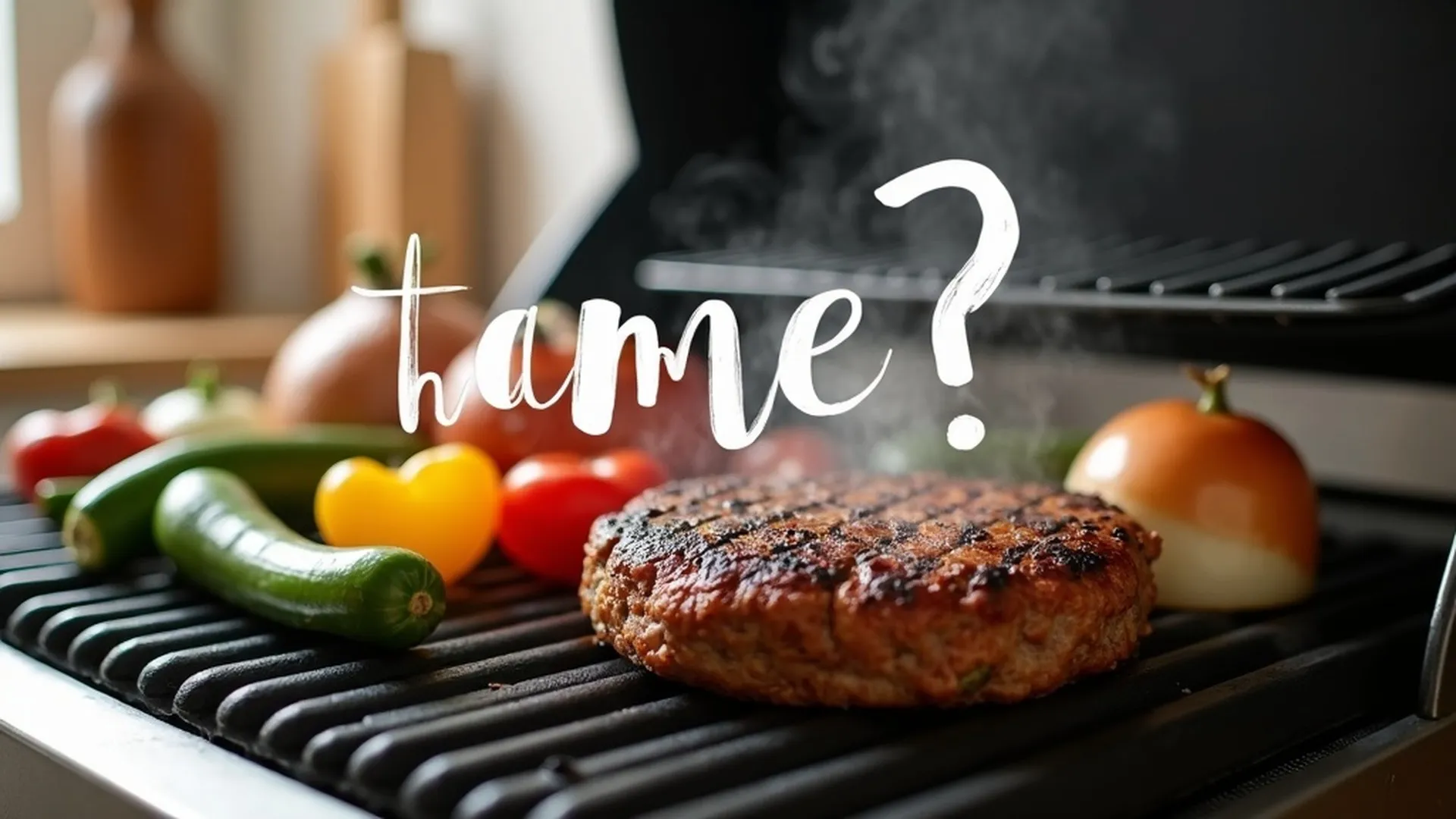
No, electric grills do not cause cancer by themselves. The grill itself is not the problem. What matters most is how hot you cook your food and how much it burns.
When meat gets cooked at very high temperatures, it can form chemicals called HCAs and PAHs. These can show up when food gets charred or when fat drips onto a heating surface and creates smoke. This can happen on any type of grill, including gas, charcoal, or electric. The good news is that electric grills usually produce less smoke and make it easier to control the heat, which helps lower the amount of these chemicals.
You can also cut the risk even more by cooking at medium heat instead of blasting the grill on high. Try to avoid letting your food burn or get blackened. Trimming extra fat and flipping the food often can help too. Some people even pre-cook chicken or thicker cuts in the oven so they do not sit on the grill as long.
So if you enjoy using an electric grill, you can keep cooking on it with confidence. Just focus on gentle, even heat and keeping char to a minimum. That is what makes the biggest difference.
What Makes People Worried That Grills Cause Cancer
A lot of people worry that grills might cause cancer because of how food cooks on them. When meat sits over very high heat, the outside can burn or turn black. That burnt part is where harmful chemicals can form, and that makes people nervous. It doesn’t matter what kind of grill you use. Charcoal, gas, and even electric grills can get hot enough to make these chemicals if the temperature is high enough.
Another reason people worry is smoke. When fat drips down onto a hot surface, it can burn and create smoke. That smoke can carry tiny particles that stick to your food. People hear about this and think all grilling is dangerous. Even though electric grills use a different heat source, some folks still believe any grill that gets hot might have the same risks.
There’s also a lot of confusing information online, which can make the fear even bigger. Some articles make it sound like grilling always leads to cancer, even if you use it once in a while. The truth is that the risk usually comes from very high heat, long cooking times, and eating a lot of heavily charred meat. Once people understand that, the topic feels a lot less scary. Electric grills don’t remove the risk completely, but they do make it easier to control the heat, which helps keep things safer.
How Electric Grills Actually Work
Electric grills cook food using a heating element that gets hot when you plug it in. There’s no fire, no charcoal, and no gas. The heat comes from electricity running through a metal coil, and that coil warms up the grill plate above it. This makes the cooking surface steady and easy to control, which is one of the biggest reasons people like using electric grills.
Because there’s no open flame, electric grills don’t produce the same kind of smoke you get from charcoal or gas. They heat your food more like a strong stovetop burner. You can set the temperature, wait a few minutes, and start cooking. The lower smoke level also means fewer chemicals get into your food, especially the ones that come from burning fuel. This is why many people think electric grills are a safer choice.
Another thing that makes electric grills different is how evenly they cook. On a charcoal grill, the heat moves around and can get super hot in some spots. Gas grills can flare up when fat drips into the flame. Electric grills stay steady because the heat comes from a controlled source. This helps you avoid burning the outside of your food too fast. Since burnt spots are where harmful chemicals form, this steady heat can make grilling easier and safer for everyday cooking.
Do Electric Grills Produce Carcinogens Like HCA and PAH?
When people talk about grilling and cancer, they usually mention two chemicals called HCA and PAH. These form when meat cooks at very high temperatures. Electric grills can still make HCAs, because HCAs come from heat reacting with the meat itself. If the grill gets really hot and the meat starts to burn, those chemicals can show up, even without flames. So electric grills don’t remove the risk completely, but they can make it easier to cook without burning your food.
PAHs are different. They come from smoke and from fat dripping onto a fire or very hot surface. Electric grills don’t have flames, so they make far fewer PAHs than charcoal or gas grills. Since electric grills don’t burn fuel or create a lot of smoke, the PAH levels stay lower. This is one big reason many people consider electric grills a safer option.
The good thing is that both HCAs and PAHs can be reduced with simple cooking habits. If you keep the temperature steady, avoid charring the meat, and clean the grill plate, you can lower the amount of these chemicals. Electric grills help you do that because they give you better control. So while they can still make some HCAs, the overall risk is usually lower than with other types of grills.
Research on Cancer Risk From Electric Grilling
Scientists have studied grilling for years to see how much it actually increases cancer risk. Most of the research shows that the biggest problems come from very high heat, lots of smoke, and burnt meat. Since electric grills use controlled heat and make much less smoke, the risk is usually lower compared to charcoal or gas grills. Many studies point out that electric grilling produces fewer harmful chemicals overall.
Groups like the World Health Organization and the National Institutes of Health explain that grilling itself isn’t the main danger. The real issue is how the food is cooked. When meat gets charred or cooked for a long time at high temperatures, it creates more HCAs and PAHs. Electric grills help avoid that because you can set a temperature and keep it steady instead of dealing with flames or flare-ups.
Most experts agree that using an electric grill in a normal way doesn’t create a major cancer risk. It’s more about habits, like whether you burn the meat or cook it too long. If you use safer cooking methods and avoid heavy charring, you can lower the risk even more. In simple terms, the research says electric grilling is one of the safer ways to grill when used the right way.
Electric Grills vs Charcoal Grills: Which Is Safer?
Charcoal grills make the most smoke, and that smoke can carry harmful chemicals that stick to your food. When fat drips onto hot charcoal, it burns and creates even more smoke. This is where a lot of PAHs come from. Electric grills don’t burn anything, so they create far less smoke and far fewer PAHs. That alone makes them a safer choice for many people who want to reduce cancer risk.
Another difference is temperature control. Charcoal grills can get extremely hot, sometimes hotter than people realize. This high heat can burn or char food fast, which increases HCA levels. Electric grills let you set a temperature and keep it steady, which helps avoid burnt spots. With less charring, fewer HCAs form, making the overall cooking method safer.
Taste is the main reason people still love charcoal grilling, but from a health point of view, electric grilling usually wins. You get less smoke, fewer harmful chemicals, and better control over how your food cooks. So if safety is your top priority, an electric grill is generally considered the better option compared to charcoal.
Electric Grills vs Gas Grills: Which Produces Fewer Toxins?
Gas grills use an open flame, which means there’s still a chance of flare-ups when fat drips down. Those flare-ups can create smoke and cause PAHs to form. Electric grills don’t use flames at all, so they avoid most flare-ups and cut down the smoke a lot. This usually means fewer toxins end up on your food.
Gas grills also tend to reach higher temperatures faster. While this can be good for searing, it can also burn food more easily, and burnt food is where HCAs show up. Electric grills heat up more gently and stay steady. Because of this, it’s easier to cook food all the way through without burning the outside.
Both gas and electric grills are cleaner than charcoal, but electric grills are usually the safest option when it comes to reducing toxins. Less smoke, fewer flare-ups, and more control make a big difference. If your goal is to lower cancer risk while still enjoying grilled food, electric grills often come out ahead.
How Cooking Temperature Affects Cancer Risk
The temperature you cook at makes a big difference in how many harmful chemicals form on your food. When meat cooks at very high heat, the outside can burn or get those dark, crispy spots. That’s where HCAs usually show up. Electric grills help with this because you can choose a lower or medium heat setting instead of dealing with big, unexpected flames.
When the heat is too high, the meat cooks unevenly. The outside burns fast while the inside stays undercooked, which makes you keep it on the grill longer. That extra time at high heat creates even more HCAs. With an electric grill, the steady temperature helps the food cook more evenly, so you don’t have to leave it on the grill too long. This reduces the chance of burning and lowers the amount of harmful chemicals.
Keeping the temperature in a safe range also helps prevent PAHs. Most PAHs come from smoke, and smoke happens when fat hits a super hot surface. Since electric grills don’t reach extreme temperatures in the same way and don’t use flames, there’s a lot less smoke. That means fewer PAHs sticking to your food. So cooking at moderate heat is one of the simplest ways to keep grilling safer.
Safer Cooking Practices to Reduce Risk
There are several easy habits that can make grilling much safer, no matter what kind of grill you use. One of the best tips is to marinate your meat before cooking. Even a simple mix of oil, lemon juice, or herbs can lower the amount of HCAs that form. It also helps keep the meat moist so it doesn’t burn as quickly. Another helpful trick is to use thinner cuts of meat. They cook faster and need less time on high heat, which reduces the chance of burning.
Pre-cooking your meat for a few minutes in the microwave or on the stove can also help. This way, the grill only has to finish the cooking instead of doing all the work. Less time on the grill means fewer harmful chemicals. Cleaning the grill plate after each use is important too. Old burnt pieces can stick to new food and create extra smoke, which adds to PAHs. A clean grill surface cooks more evenly and keeps the food safer.
Using these simple practices makes a big difference. They help you avoid burnt spots, lower the heat exposure, and cut back on smoke. Electric grills already have safer features, but using good cooking habits makes them even better. These small steps can help reduce health risks while still letting you enjoy the flavor of grilled food.
Foods Most Likely to Form Carcinogens on Any Grill
Some foods create more harmful chemicals than others when they’re cooked at high heat. Red meats like beef or lamb tend to form more HCAs because they have more protein and fat. When these meats touch a very hot surface, the outside browns fast, and that’s when the chemicals begin to form. Processed meats like hot dogs or sausages can also be risky because they release more fat, which can cause extra smoke and burnt spots.
Poultry, especially if the skin is on, can also create more HCAs. The skin burns easily and becomes dark before the inside is cooked. Thick cuts of meat, no matter the type, stay on the grill longer and need more heat to cook all the way through. The longer they sit in that heat, the more HCAs and PAHs they can form. This doesn’t mean you can’t enjoy them, but it helps to know they carry a higher chance of forming harmful chemicals.
Even though these foods can create more risks, there are safe ways to prepare them. You can cook them at a lower temperature, trim extra fat, or cut them into smaller pieces so they cook faster. Electric grills help with this because they give you steady heat that makes burning less likely. With a little care, you can grill almost anything in a safer way.
Are Electric Grills Safe for Everyday Use?
Most people can use an electric grill every day without much worry, as long as they cook their food properly. Electric grills make far less smoke than charcoal or gas, which means fewer harmful chemicals land on your food. Since you can control the temperature, it’s easier to avoid burning or charring the meat. That alone lowers the main risks linked to grilling. For many families, this makes electric grills a comfortable and safe choice for regular meals.
Indoor electric grills are also designed for home use, so they don’t reach the extreme temperatures that outdoor grills can. This helps keep cooking safer and more predictable. Because they don’t use fire or fuel, there are fewer flare-ups and less chance of sudden hot spots that can burn your food. When the heat stays even, you cook your food more gently, which reduces the formation of HCAs and PAHs.
Even though electric grills are safer overall, good cooking habits still matter. If you constantly burn your food or cook everything on the highest setting, the risks go up. Keeping the temperature moderate, cleaning the grill plate, and avoiding heavy charring make the biggest difference. When used with care, electric grills are one of the safest grilling options for everyday cooking, whether you’re making a quick lunch or dinner for the whole family.
Conclusion
Electric grills are one of the safest ways to enjoy grilled food, especially when you want to cut down on smoke and burnt spots. They heat evenly, don’t use flames, and make it easier to avoid the high temperatures that create harmful chemicals. While no grill is completely risk free, electric grills help reduce many of the problems linked to cancer concerns. Most of the risk comes from burning or charring meat, not from the grill itself.
If you cook at a steady temperature, clean the grill plate, and try not to overcook your food, you can keep grilling safer and healthier. Simple habits like marinating meat, using thinner cuts, or trimming extra fat all make a big difference. These steps lower the chance of HCAs and PAHs forming on your food. Electric grills make these safer cooking habits easier to follow.
In the end, choosing an electric grill is a smart option if you want a cleaner, lower risk way to grill every day. You can still enjoy the taste of grilled food without worrying as much about harmful chemicals. If you keep good cooking habits and avoid burning your meals, you can use an electric grill with confidence and enjoy your food without stress.