
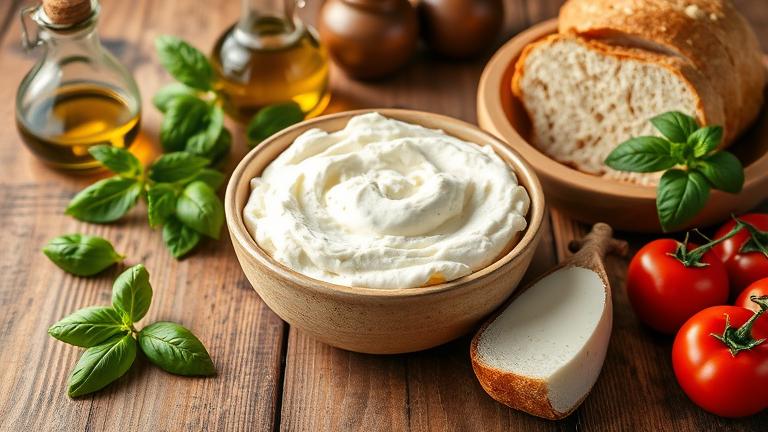
Italian Cheese Culture and Popular Varieties
Italy has a rich and honored tradition when it comes to cheese. From the rolling hills of Tuscany to the sunny coasts of Sicily, cheese is more than just a food in Italy; it’s a way of life. Italians take pride in their cheese-making methods, passing them down through generations. This deep-rooted culture gives each variety its unique taste, texture, and history.
In Italy, cheese is often enjoyed fresh, aged, or semi-aged, and each region has its specialties. These cheeses are used in a variety of dishes, from simple snacks to complex gourmet meals. Understanding the main types helps home cooks appreciate how they can incorporate authentic Italian flavors into their cooking. Let’s explore some of the most beloved varieties and what makes them special.
Popular Italian Cheeses
- Parmigiano-Reggiano Often called Parmesan outside Italy, this hard, crumbly cheese is grated over pasta and salads. It has a rich, nutty flavor and can age from 12 to 36 months.
- Mozzarella Known for its mild, milky flavor and soft, elastic texture. Fresh mozzarella is usually made from cow’s milk or buffalo milk and is perfect for caprese salads, pizzas, and melts.
- Gorgonzola A distinct blue-veined cheese with a creamy texture. It can be mild or sharp, often enjoyed in salads, sauces, or simply spread on bread.
- Ricotta A soft, mild cheese made from whey. Ricotta is versatile, used in lasagna, stuffed pasta, and desserts like cannoli or cheesecake.
- Pecorino An aged sheep’s milk cheese with a salty, tangy flavor. It can be enjoyed shaved over pasta or eaten as a snack.
The Role of Cheese in Italian Cuisine
Cheese plays a vital part in Italy’s culinary culture, often serving as the finishing touch to many dishes. Fresh cheeses like ricotta and mozzarella bring creaminess and brightness, while aged varieties add depth and complexity. Each cheese has its ideal use, and learning how to select and pair them can elevate your cooking.
For example, ricotta is loved for its delicate, fluffy texture and subtle sweetness. It can brighten up baked dishes, or be the star ingredient in desserts. Its mild flavor makes it a favorite among home cooks because it’s easy to work with, and it pairs well with herbs, spices, and fruits.
How Cheese Reflects Italian Regions
Different parts of Italy have their specialties, showcasing local ingredients and traditions. For instance, Tuscany is famous for Pecorino, made from sheep’s milk raised in the countryside. Emilia-Romagna is known for Parmigiano-Reggiano, the cheese that grates onto countless pasta dishes. Sicily offers ricotta used in sweet and savory treats, and Lombardy produces creamy gorgonzola.
Recognizing these regional differences helps in picking authentic cheeses for cooking or tasting. It also deepens your understanding of Italy’s diverse culinary landscape, making your home cooking more genuine and flavorful.
Classic Italian Dishes Featuring Ricotta
Ricotta is a versatile and creamy cheese that plays a key role in many traditional Italian dishes. Its mild flavor and smooth texture make it perfect for both savory and sweet recipes. Whether used in lasagna, stuffed pastas, or desserts, ricotta adds richness and moisture that elevate each dish.
Understanding how to incorporate ricotta into classic Italian recipes can bring authentic flavors to your home cooking. Here, we explore some of the most beloved dishes that highlight ricotta’s culinary appeal.
1. Lasagna alla Ricotta
Lasagna is one of Italy’s most iconic comfort foods. The traditional version with ricotta involves layering sheets of pasta with a flavorful béchamel sauce, tomato sauce, and a mixture of cheeses. Ricotta adds a light, creamy texture that balances the acidity of marinara.
To prepare, combine ricotta with grated Parmesan, an egg for binding, and seasonings like salt, pepper, and fresh herbs such as parsley or basil. Spread this mixture over the pasta layers, alternating with meat or vegetable fillings. Bake until bubbly and golden on top.
2. Ravioli di Ricotta
Fresh ricotta is a key filling for homemade ravioli. Mix ricotta with grated Parmesan, a little nutmeg, and chopped fresh herbs. Place small spoonfuls of the filling onto rolled-out pasta dough, then fold and seal the edges carefully.
Cook the ravioli in boiling salted water until they float, indicating they are done. Serve with simple sauces like butter and sage or a light tomato sauce. This dish showcases ricotta’s smooth texture and mild flavor.
3. Cannoli Siciliani
For a sweet treat, try making cannoli. The filling combines ricotta with powdered sugar, vanilla, and sometimes chocolate chips or candied fruit. Fill crispy cannoli shells with the ricotta mixture just before serving, so they stay crispy.
This dessert highlights ricotta’s versatility and creamy quality, balancing sweetness with a hint of tang. Dust with powdered sugar or dip ends in chocolate for an extra touch.
4. Ricotta Gnocchi
Ricotta gnocchi are soft and delicate, perfect for a quick yet satisfying meal. Mix ricotta with flour, grated Parmesan, an egg, and a pinch of salt until a soft dough forms. Roll into cylinders, cut into small pieces, and cook in boiling water until they rise to the surface.
Serve with a simple sauce like a butter and sage sauce or fresh tomato. These gnocchi are a great way to enjoy ricotta’s lightness in pasta form.
5. Stuffed Vegetables with Ricotta
Ricotta is excellent for stuffing vegetables such as zucchini, eggplant, or bell peppers. Combine ricotta with herbs, garlic, and grated cheese, then fill the hollowed-out vegetables. Bake until tender and golden.
This method offers a healthy and flavorful way to enjoy ricotta, perfect as a main course or side dish.
Tips for Using Ricotta in Italian Dishes
- Use whole-milk ricotta for richer flavor, or use low-fat if you prefer a lighter option.
- Drain excess moisture from ricotta if it seems too wet, especially before baking or filling.
- Mix ricotta well with other ingredients to avoid lumps and ensure a smooth filling.
- Experiment with fresh herbs and spices to customize flavors to your taste.
Learning how to incorporate ricotta into these classic Italian dishes can bring authentic flavors and delightful textures to your kitchen. With a bit of practice, you’ll be creating delicious meals that celebrate this versatile cheese in no time.
Ricotta’s Role in Italian Cuisine
Ricotta is a soft, creamy cheese that holds a special place in Italian cooking. Its delicate flavor and smooth texture make it a versatile ingredient used in many regional dishes across Italy. From savory to sweet, ricotta adds richness and a light touch that enhances a wide variety of recipes.
In Italy, ricotta is often made fresh from whey leftover after making other cheeses like mozzarella or provolone. It’s prized for its mild, slightly sweet taste and its ability to soak up flavors. This makes it ideal for both incorporating into dishes and serving on its own. Its importance can be seen through how often it appears in traditional recipes across different regions.
Regional Variations and Signature Dishes
Different parts of Italy have their unique ways of using ricotta. In northern Italy, for example, ricotta is a key ingredient in filling for ravioli and cannelloni. In these regions, it is often combined with herbs, spinach, or even pumpkin to create flavorful fillings. The creamy cheese pairs perfectly with pasta, enriching the dish with its smooth texture.
Moving to central Italy, especially in Rome and Lazio, ricotta is used in a classic dish called “torta di ricotta.” It’s a sweet, creamy cake that highlights ricotta’s mild flavor. Here, it often gets mixed with sugar and zest of lemon or orange, then baked into a light, fluffy dessert.
In southern Italy, especially Sicily and Campania, ricotta is the star of many sweet treats. One famous example is ricotta-filled cannoli, where the cheese is combined with sugar and chocolate chips for a delicious filling. Additionally, ricotta is used in traditional pastries like sfogliatella and in layer cakes, adding richness and moisture.
Why Ricotta is Important in Italian Cooking
Ricotta provides a gentle, creamy contrast in savory dishes like lasagna or stuffed pasta, balancing out the bolder flavors of meats and herbs. It’s also a great ingredient for light, fluffy desserts, giving them a melt-in-your-mouth quality. Its high moisture content helps tenderize baked goods, making them moist and flavorful.
Another reason ricotta is so important is its adaptability. It can be used fresh or cooked, sweet or savory, making it a staple in many kitchens. Plus, homemade ricotta is simple to prepare just heat whey, add some acid like vinegar or lemon juice, and drain. Fresh ricotta often surpasses store-bought versions in flavor and texture.
Practical Tips for Using Ricotta
- Always taste your ricotta before using it, as store-bought varieties can vary in saltiness and flavor.
- If using in baked dishes, consider draining excess moisture to prevent sogginess.
- Mix ricotta with herbs, spices, or citrus to customize it for different recipes.
- Use it within a few days of making or buying for the best flavor and freshness.
In summary, ricotta’s role in Italian cuisine is both versatile and vital. It bridges the flavors of sweet and savory dishes, reflecting Italy’s rich culinary diversity. Whether tucked inside pasta, layered in desserts, or enjoyed fresh with a drizzle of honey, ricotta remains a beloved ingredient across the country.
Health Benefits of Eating Ricotta
Ricotta cheese is a delicious and versatile ingredient often found in Italian dishes. But beyond its creamy texture and great flavor, ricotta also offers several health benefits. Including ricotta in your diet can be a tasty way to boost your nutrition while enjoying your meals.
One of the main health advantages of ricotta is its high protein content. Protein is essential for building and repairing tissues, supporting your immune system, and maintaining muscle mass. A typical half-cup serving of ricotta provides around 14 grams of protein, making it a good choice for those looking to increase their intake. It is often found in Italian recipes like lasagna or stuffed shells.
Ricotta is also rich in calcium, which plays a vital role in maintaining strong bones and teeth. Adequate calcium intake can help prevent conditions like osteoporosis later in life. A serving of ricotta supplies about 200 milligrams of calcium, contributing to your daily needs. For people who are lactose intolerant or sensitive, there are lactose-free options available that still provide many of these benefits.
Additionally, ricotta contains important minerals such as phosphorus, which works together with calcium to build healthy bones and teeth, and selenium, an antioxidant that supports immune function. It also includes B-vitamins like riboflavin and vitamin B12, which help convert food into energy and support nerve health.
Incorporating Ricotta into a Healthy Italian Diet
- Use ricotta as a spread on whole grain bread for a nutritious snack.
- Add it to salads or pasta dishes for extra creaminess and nutrients.
- Mix ricotta with herbs and spices to create flavorful stuffing for vegetables or baked dishes.
It’s worth noting that ricotta cheese is relatively low in fat compared to other cheeses like cheddar or mozzarella. However, select whole or low-fat varieties based on your dietary needs. While ricotta is nutritious, moderation is key, as it can be higher in calories if consumed in large amounts.
Potential Considerations
- Check the sodium level: Some store-bought ricotta can be salty; choose low-sodium options if you’re watching your salt intake.
- Pay attention to quality: Fresh ricotta has a mild, delicate flavor, and is best stored in an airtight container in the fridge for up to a week.
- Use in moderation: Although it’s nutritious, over-consuming ricotta can add up in calories, so balance it with other healthy foods in your diet.
In summary, ricotta cheese is a nutritious addition to a balanced Italian diet, offering plenty of protein, calcium, and other vital nutrients. Whether used in classic lasagna or enjoyed simply with fruits or vegetables, ricotta makes eating healthy both tasty and easy.
Easy Ricotta Recipes and Cooking Tips
Ricotta cheese is a versatile ingredient that can brighten up many dishes, from pasta to desserts. Whether you’re making a creamy lasagna or a fluffy Italian cheesecake, knowing some simple recipes and helpful tips can make cooking with ricotta easier and more enjoyable. Don’t worry if you’re new to it ricotta is friendly to all skill levels and adds a tender, mild flavor to your meals.
Quick and Tasty Ricotta Recipes
One of the easiest ways to use ricotta is in a classic stuffed pasta, like ravioli or cannelloni. You can also blend it into spreads for toast or crackers, or mix it into scrambled eggs for extra creaminess. Here are some simple recipes to get you started:
- Ricotta and Spinach Stuffed Pasta: Cook your favorite pasta according to package instructions. Mix ricotta with cooked spinach, garlic, and a pinch of salt. Stuff the mixture into cooked pasta shells or use as a filling for lasagna layers. Top with tomato sauce and bake until bubbly.
- Ricotta Toast: Spread ricotta on toasted bread. Top with fresh herbs, a drizzle of honey, or sliced tomatoes for a quick snack or breakfast.
- Ricotta Pancakes: Add ricotta to your pancake batter to make fluffy, moist pancakes. Mix it with eggs, flour, baking powder, and a splash of milk for best results.
- Sweet Ricotta Dip: Blend ricotta with a little honey and vanilla. Serve with fresh fruit or graham crackers for a simple and delicious treat.
Practical Tips for Cooking with Ricotta
Using ricotta may seem simple, but some easy tips can enhance your dishes and prevent common mistakes. Here are some helpful pointers:
- Drain excess moisture: Ricotta can be quite moist, so if you’re using it in baked dishes, drain it in a fine sieve or wrap it in a cloth to remove extra water. This prevents your recipes from becoming too watery.
- Choose the right type: Full-fat ricotta is richer and creamier, perfect for desserts and indulgent dishes. Low-fat or part-skim options work well for savory recipes or when you’re watching calories.
- Avoid overmixing: When combining ricotta with other ingredients, mix gently. Overmixing can make your dish dense or rubbery, especially in baked goods.
- Experiment with flavors: Ricotta pairs well with herbs, lemon zest, nuts, and spices. Try adding these to make your recipes more vibrant and personalized.
- Store properly: Keep ricotta refrigerated in its original container for up to a week after opening. For longer storage, freeze it in a sealed container for up to three months, although texture may change slightly upon thawing.
Common Mistakes to Avoid
While ricotta is forgiving, a few pitfalls can affect your results:
- Using expired or spoiled ricotta: Always check the date before using. Spoiled ricotta can have an off smell or taste and may cause food poisoning.
- Adding too much ricotta in recipes: It can weight down baked goods or make sauces overly thick. Follow the recipe or start with small amounts and adjust as needed.
- Not adjusting cooking times: When adding ricotta to baked dishes, be aware that it may affect cooking times. Keep an eye on your dish and test for doneness.
With these simple recipes and tips, you can confidently cook with ricotta at home. Its creamy texture and mild flavor make it a perfect addition to many dishes, whether you’re preparing a quick snack or a special meal. Have fun experimenting and enjoy your delicious creations!
Regional Italian Recipes with Ricotta
Ricotta cheese is a staple in many Italian regions, adding a creamy, mild flavor to a variety of traditional dishes. Its versatility makes it a favorite ingredient across Italy, from the north to the south. Here, we’ll explore some classic regional recipes that showcase ricotta’s role in authentic Italian cooking. Whether you’re a home cook or a beginner, these dishes are approachable and delicious.
North Italy: Ricotta and Spinach Ravioli
In northern Italy, especially in Liguria and Piedmont, ricotta is often used to fill delicate pasta like ravioli. To make ricotta and spinach ravioli, start with a fresh pasta dough. Mix ricotta with cooked, finely chopped spinach, grated Parmesan, salt, and a pinch of nutmeg. Roll out the dough thinly, place small spoonfuls of the filling, and fold to form ravioli. Seal the edges well to prevent filling from escaping during cooking.
Cook the ravioli in boiling salted water for about 3-4 minutes until they float. Serve with a simple butter and sage sauce or a light tomato sauce. This dish highlights ricotta’s creamy texture combined with the earthy flavor of spinach, making it both filling and satisfying.
Central Italy: Torta di Ricotta (Ricotta Cake)
Moving to central Italy, particularly Lazio, ricotta is a core ingredient in Torta di Ricotta, a traditional Italian ricotta cake. To prepare, beat ricotta with sugar until smooth. Incorporate eggs, a splash of milk, and a little lemon zest for a fresh flavor. Mix in a handful of flour just until combined. Pour the batter into a greased baking pan.
Bake at 350°F (180°C) for about 40-45 minutes, or until the top turns golden. Let it cool before serving. This cake is perfect for breakfast or a sweet snack, and the ricotta keeps it moist and tender. It’s a simple treat that captures the essence of Italian dessert cooking.
South Italy: Cannoli with Ricotta Filling
In southern Italy, especially Sicily, ricotta is key for making cannoli. Use a smooth, well-drained ricotta to prepare a creamy filling. Mix ricotta with powdered sugar, a splash of vanilla, and mini chocolate chips or candied fruit if desired. Fill crisp cannoli shells just before serving to keep them crunchy.
This dessert is often enjoyed during festivals or after Sunday family meals. The richness of ricotta perfectly complements the sweet, crispy shell, creating a classic taste of Sicily.
Tips for Cooking with Ricotta Across Italy
- Always drain excess moisture from ricotta if it seems wet or runny. This helps prevent soggy pasta or overly moist desserts.
- When making fillings, mixing ricotta with other ingredients like herbs, lemon, or chocolate can add depth to your dishes.
- Use fresh ricotta for the best flavor, but stored or seasoned ricotta can work in recipes where a richer taste is desired.
Travel through Italy with these ricotta-based recipes, each celebrating a different regional flavor. From northern ravioli to southern sweets, ricotta’s gentle taste ties together Italy’s rich culinary traditions in a simple, approachable way.
FAQs About Ricotta in Italy
Ricotta is a beloved ingredient in Italy, known for its creamy texture and versatility. Whether you’re cooking with it for the first time or simply curious about its role in Italian cuisine, these questions and answers can help. Here, you’ll find practical tips and insights into how ricotta is used, its varieties, and its cultural importance across Italy.
What is ricotta, and how is it made in Italy?
Ricotta is a soft, unripened cheese that originates from Italy. It is made by heating leftover curds from other cheese production, such as mozzarella or provolone. The heat causes the milk proteins to recongeal, forming a delicate, fresh cheese. In Italy, traditional ricotta is often produced using sheep’s milk, although cow’s milk varieties are also common. The process is simple but requires careful temperature control to ensure a light, fluffy texture.
What are the different types of ricotta available in Italy?
- Ricotta di latte di pecora: Made from sheep’s milk, this variety is richer and often more flavorful. It is common in southern Italy.
- Ricotta di latte di vacca: Made from cow’s milk, it tends to be milder and lighter. This is widely available across Italy.
- Ricotta affumicata: Smoked ricotta, which has a distinctive smoky flavor. It adds depth to pasta dishes and antipasti.
- Ricotta salata: A salted, aged version used mainly for grating over dishes or salads.
Choosing the right ricotta depends on the recipe and your flavor preferences. Italian chefs often recommend trying both sheep’s and cow’s milk varieties to find your favorite.
How do Italians typically use ricotta in cooking?
Ricotta is a versatile ingredient in Italy. It is used in sweet dishes like cannoli, cheesecakes, and complimented by fruits and honey. In savory cooking, ricotta is often mixed into pasta fillings such as ravioli and lasagna. It can also be spread on bread, added to veggie dishes, or used in polenta.
For a simple appetizer, try spreading fresh ricotta on crusty bread, drizzling with olive oil and sprinkling with herbs. For a classic Roman pasta dish, combine ricotta with pasta water, lemon zest, and pepper for a creamy, bright sauce.
What are some tips for storing ricotta in Italy?
- Keep ricotta refrigerated at or below 40°F (4°C). It is best eaten within a few days of purchase.
- After opening, cover it tightly with plastic wrap or transfer to an airtight container to prevent it from absorbing other flavors in the fridge.
- If you notice any unwanted mold or sour smell, discard the ricotta immediately.
- Some fresh ricotta can be frozen for up to two months, but note that freezing may alter its texture slightly when thawed.
Are there any common mistakes to avoid when cooking with ricotta?
- Adding ricotta to hot sauces or dishes directly from the fridge can cause it to seize or become grainy. Warm it gently before mixing.
- Using low-quality ricotta can result in a bland or watery dish. Choose fresh, good-quality cheese for best flavor.
- Overworking ricotta in recipes can make it dense or lose its delicate texture. Mix gently and only as much as needed.