
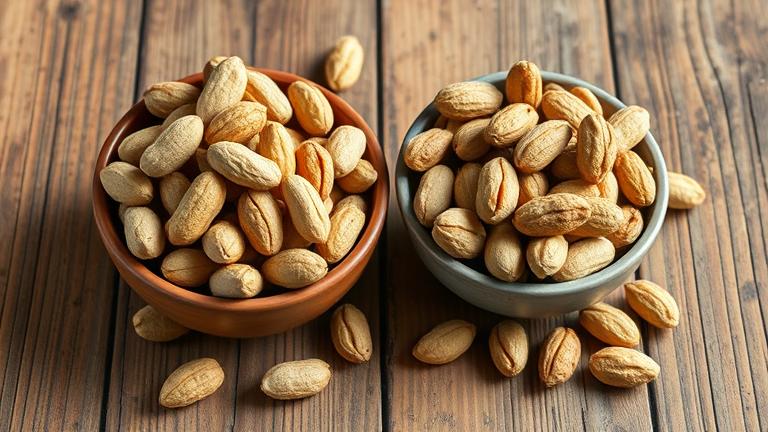
Peanuts Shelf Life and Storage Tips
Peanuts are a popular snack and ingredient, but knowing how long they stay fresh and the best ways to store them can help you enjoy their flavor and texture for longer. Proper storage not only keeps peanuts tasty but also prevents them from going rancid or getting moldy. Whether you buy them in shells, roasted, or raw, the right storage methods make a significant difference.
Fresh peanuts can last quite a while if kept properly. Typically, unshelled peanuts can stay good for about 4 to 6 months in a cool, dry place. Shelled peanuts, especially those that are roasted or processed, tend to have a shorter shelf life of around 1 to 3 months at room temperature. To keep your peanuts fresh for as long as possible, it’s important to store them correctly and pay attention to their environment.
It’s also helpful to remember that peanuts stored in airtight containers are less likely to absorb moisture and odors, helping them stay fresh longer. Additionally, keeping peanuts in a dark, cool place prevents exposure to light and heat that accelerate spoilage.
Best Storage Containers
- Use airtight containers to keep out air and moisture. This helps prevent peanuts from becoming stale and slows down the oxidation process that causes rancidity.
- Glass jars with tight-fitting lids, plastic containers, or resealable bags work well for storage.
- If you prefer, you can store peanuts in their original packaging if it’s resealable and airtight.
Ideal Storage Environment
Peanuts should be kept in a cool, dark, and dry place. Light, heat, and humidity speed up spoilage and rancidity. The pantry or cupboard is usually perfect, as long as it doesn’t get too warm.
For longer storage, especially if you buy in bulk, consider refrigerating or freezing your peanuts. Cold temperatures slow down spoilage and extend shelf life significantly. Just make sure to keep them in an airtight container to avoid moisture and odors from other foods.
Storage Tips to Prolong Freshness
- Always check for signs of spoilage before eating stored peanuts. Look for an off smell, discoloration, or a bitter taste, which can indicate they’ve gone bad.
- Keep peanuts away from sunlight and avoid storing near heat sources like the stove or oven.
- If you notice a musty smell or mold, discard the peanuts immediately to avoid health risks.
- Label your containers with the date of purchase or storage so you can keep track of how long they’ve been stored.
- For maximum freshness, consider buying smaller quantities that you can consume quickly rather than buying in bulk and risking spoilage.
Signs Peanuts Are No Longer Fresh
- Rancid smell, which is a strong, bitter odor
- Lingering bitterness or stale taste
- Presence of mold or discoloration
- Clumping or a greasy feel, indicating they’ve absorbed moisture
| Storage Method | Duration | Tips |
|---|---|---|
| Room temperature in an airtight container | 4 to 6 months | Keep in a dark, dry place away from sunlight |
| Refrigeration | Up to 1 year | Use airtight containers to prevent moisture absorption |
| Freezing | Up to 2 years | Store in a sealed, freezer-safe bag or container |
How to Tell If Peanuts Are Bad
Peanuts are a tasty and nutritious snack, but it’s important to know when they’ve gone bad. Whether they’re in a jar, bag, or sitting in your pantry, spotting spoiled peanuts can keep you safe and help you avoid wasting food. Luckily, the signs are pretty straightforward, and with a little attention, you can tell if your peanuts are still good to eat.
The first thing to check is how they look. Fresh peanuts should have a consistent color and smooth surface. If you notice any discoloration, such as dark spots, mold, or a chalky appearance, it’s time to toss them. Mold can sometimes be fuzzy or powdery, and it’s a clear sign that the peanuts are no longer safe.
Next, give them a sniff. Peanuts have a mild, nutty aroma when they’re fresh. If you detect a sour, off, or bitter smell, don’t eat them. Peanuts that have gone bad often develop a rancid odor, which can be quite strong and unpleasant. Rancidity occurs when the oils inside the peanuts oxidize due to exposure to air or light.
Texture is another good indicator. When you pick up peanuts, they should feel firm and dry. If they are sticky, shriveled, or appear shrunk, these are signs they may be spoiled. Additionally, if the peanuts are soft or have developed a slimy coating, it’s best to discard them. Rancid or moldy peanuts can sometimes feel rough or powdery too.
Inspect for pests or bugs as well. Sometimes, you might find tiny holes, webbing, or bugs in the package, which means the peanuts are contaminated or infested. Always avoid consuming peanuts that show signs of pest activity.
Here is a quick checklist to help you decide:
- Discolored spots, mold, or a powdery surface
- Unpleasant, sour, or bitter smell
- Sticky, shriveled, or slimy texture
- Pests, holes, or webbing in the package
If any of these signs are present, it’s safest to throw away the peanuts. Eating spoiled peanuts can cause stomach upset or food poisoning. To keep your peanuts fresh longer, store them in an airtight container away from light and heat. Resealing the bag or storing them in a cool, dry place helps prevent spoilage and rancidity.
By paying close attention to these visual, smell, and texture cues, you can easily tell if your peanuts are still good or need to be discarded. This small check can save you from unpleasant surprises and keep your snacks safe and enjoyable.
Signs of Spoiled Peanuts
Peanuts are a tasty snack and a common ingredient in many recipes. However, like all foods, they can go bad over time. Knowing the signs of spoiled peanuts helps you avoid eating them when they are no longer safe or fresh.
Discarding spoiled peanuts is important for your health. Eating old or contaminated peanuts can cause digestive issues or allergic reactions in sensitive individuals. So, always check your peanuts before eating or cooking with them.
Visual Signs of Spoilage
- Mold: Look closely for fuzzy, discolored spots. Mold usually appears as green, white, or gray patches on the surface of the peanuts. If you see mold, do not eat the peanuts.
- Discoloration: Peanuts that have turned dark or have uneven coloring may be going bad. Fresh peanuts are usually light brown or tan.
- Insect Presence: Tiny bugs, web-like threads, or small holes in the shell indicate insect infestation. If you find bugs or oozing residue, it’s best to throw out the peanuts.
Smell and Texture Clues
Crack open a handful of peanuts and give them a sniff. Rancid peanuts will often have a sour, rotten smell, or sometimes smell bitter or metallic. If the smell is off or unpleasant, do not taste or use them.
The texture of spoiled peanuts can also tell you if they’re no longer good. Old or spoiled peanuts might feel soft, shriveled, or greasy. They may lose their crunch and become sticky or slimy when touched.
Other Things to Watch For
- Expiration date: Check the packaging for any best-by or expiration dates. Even if peanuts look and smell fine, they might be past their prime.
- Appearance of oil: If the peanuts appear overly oily or have pooled oil on the surface, they might be rancid. Fresh peanuts have a dry, matte surface.
Tips to Keep Peanuts Fresh
- Store peanuts in an airtight container in a cool, dry place away from direct sunlight.
- For longer storage, keep peanuts in the refrigerator or freezer, especially if you buy them in bulk.
- Always inspect peanuts before eating, even if they are within their expiration date.
By staying alert to these signs of spoilage, you can enjoy fresh, tasty peanuts safely. When in doubt, it’s better to throw out any peanuts that look, smell, or feel off. It keeps your snacks enjoyable and your health protected.
Health Risks of Eating Bad Peanuts
Eating peanuts that have gone bad can pose several health risks, so it’s important to recognize the signs of spoilage before snacking. While peanuts are a healthy, protein-rich snack when fresh, consuming spoiled ones can lead to unpleasant or even dangerous health problems. In this section, we’ll explore what can happen if you eat bad peanuts and how to avoid these issues.
One of the main concerns with spoiled peanuts is the risk of food poisoning caused by bacteria or mold. When peanuts are exposed to moisture or are stored improperly, mold can grow on the surface. Some molds produce toxins called mycotoxins, which can be harmful if ingested. Consuming moldy peanuts may cause symptoms like nausea, vomiting, diarrhea, or stomach cramps. In more severe cases, mycotoxin exposure has been linked to liver damage and immune system issues.
Another health risk associated with bad peanuts is allergy reactions. Peanuts are a common allergen, and even a small amount of contaminated or spoiled peanuts can trigger symptoms. If the peanuts are moldy or contaminated with bacteria, allergic individuals may experience heightened reactions or new sensitivities. Symptoms can include hives, swelling, difficulty breathing, or anaphylaxis in severe cases. Always be cautious if you notice unusual odors, textures, or colors in your peanuts, especially if you or someone in your household has allergies.
Additionally, it’s important to recognize that peanuts can sometimes develop rancid flavors if they are old or have been stored improperly. Rancid peanuts contain oxidized fats, which can cause digestive discomfort and may be linked to inflammation if eaten regularly over time. While occasional consumption of slightly rancid peanuts may not cause serious harm, regularly eating them is best avoided.
Here are some practical tips to prevent health issues from bad peanuts:
- Check for signs of spoilage: Look for mold, a sour smell, or an off-taste. Fresh peanuts should smell nutty and fresh.
- Store correctly: Keep peanuts in an airtight container in a cool, dry place or in the refrigerator to slow spoilage.
- Avoid eating peanuts past their expiration date or with visible signs of mold or rancidity.
- When in doubt, discard suspicious peanuts. It’s better to be safe than risk food poisoning or allergies.
In summary, while peanuts are generally safe and nutritious, eating bad or spoiled peanuts can lead to food poisoning, allergic reactions, or digestive upset. Being vigilant about storage and inspecting peanuts before eating will help you enjoy them safely and keep your health protected.
Best Ways to Store Peanuts
Peanuts are a tasty snack and a versatile ingredient in many recipes, but they can go rancid quickly if not stored properly. To keep peanuts fresh longer, it’s important to understand the best storage techniques, including ideal environments and container choices. Proper storage not only preserves their flavor and crunch but also helps prevent spoilage and pests.
Choose the Right Storage Environment
Peanuts should be stored in a cool, dry place away from direct sunlight. Humidity and heat can cause peanuts to spoil faster or develop mold. A pantry or cupboard that stays consistently cool and dark is ideal. If your home tends to be warm or humid, consider additional precautions.
Temperature is a key factor. Aim to store peanuts at temperatures below 70°F (21°C). This slows down the oxidation process, which is what makes nuts go rancid. Avoid storing peanuts near heat sources like the stove or oven, and keep them away from sunlight, which can accelerate spoilage.
Proper Container Choices
Using the right container can make a big difference in maintaining freshness. Airtight containers are best because they prevent moisture, air, and pests from getting in. Glass jars, metal tins, or heavy-duty plastic containers with tight-fitting lids are good options. Avoid storing peanuts in open bowls or paper bags, as they don’t provide a proper seal.
If you prefer to buy peanuts in bulk, transferring them to an airtight container soon after purchase is recommended. This keeps them protected from environmental factors and helps maintain their crunch and flavor longer.
Storage Duration and Tips
| Peanut Type | Room Temperature | Refrigerator | Freezer |
|---|---|---|---|
| Raw peanuts (in shell) | Up to 4-6 months | Up to 1 year | Up to 2 years |
| Roasted peanuts (unsalted) | 2-3 weeks | Up to 6 months | Up to 1 year |
| Peanut butter | Unopened: expires as per label, Opened: 3-4 months | Same as above | Same as above |
Always check peanuts before eating. If they develop a sour smell, change in color, or appear moldy, it’s best to discard them. Rancid peanuts may not taste right and could cause stomach upset.
- Keep peanuts away from strong-smelling foods, as they can absorb odors.
- Store in small portions if you use them often, to avoid opening and exposing large quantities repeatedly.
- Label your containers with dates to track freshness easily.
By storing peanuts in a cool, dry place and choosing airtight containers, you’ll enjoy fresh, crunchy peanuts for longer. Proper storage not only maintains their taste but also helps you avoid waste and save money.
How Long Do Peanuts Last?
Peanuts are a popular snack enjoyed in many households. Whether you keep them in the shell or shelled, knowing how long they last is important to enjoy their freshness and flavor. The shelf life of peanuts depends on how they are stored and their form raw, roasted, or salted. Understanding these factors helps prevent waste and ensures you always have tasty peanuts ready to eat.
In general, peanuts can stay fresh for a certain period if stored properly. Fresh raw peanuts in the shell typically last longer than shelled peanuts because the shell provides natural protection. Roasted or flavored peanuts, on the other hand, tend to go bad faster due to their processing and added ingredients. Let’s look at the typical storage times for peanuts in various conditions.
Storage Conditions and Their Impact
- Room Temperature: If stored in a cool, dry place, raw peanuts in the shell usually last about 4 to 6 months. Shelled raw peanuts might last only 2 to 4 months because they are more exposed to air and moisture. Roasted and salted peanuts in the bowl or jar are best eaten within 1 to 2 months to enjoy optimal crunch and flavor.
- Refrigeration: Storing peanuts in the refrigerator can extend their shelf life significantly. Raw peanuts in the shell can last up to a year, while shelled raw peanuts stay fresh for 6 to 9 months. Roasted or flavored peanuts stored in the fridge typically last 3 to 4 months. Always seal the peanuts in an airtight container to prevent moisture and odors from affecting them.
- Freezing: For maximum longevity, freezing is the best option. Raw peanuts, whether in or out of their shells, can last 1 to 2 years in the freezer. Roasted or flavored peanuts can last up to a year if kept tightly sealed. Thawing should be done slowly in the fridge before use to preserve texture and flavor.
Signs of Spoilage
Peanuts don’t always go bad overnight. But, it’s good to check for signs of spoilage before eating them. Look for a stale, off smell, or a bitter taste. If you see mold, discoloration, or they feel very hard and dry, it’s safest to discard them. Sometimes, you might notice pests or insects in stored peanuts, which means they are no longer safe to eat.
Tips to Maximize Freshness
- Keep peanuts in an airtight container to prevent exposure to air and moisture.
- Store away from direct sunlight, heat, and humidity.
- Use smaller portions for frequent snacking so you don’t keep peanuts beyond their best quality.
- Label packages with the date you opened or stored the peanuts to track freshness.
By understanding the storage times and conditions for peanuts, you can enjoy their crunch and flavor longer. Proper storage not only keeps peanuts fresh but also helps maintain their nutritional benefits. So next time you buy a bag of peanuts, consider where and how you store them to get the most out of your snack!
Tips for Keeping Peanuts Fresh
If you love snacking on peanuts or use them in cooking, keeping them fresh is key to maintaining their flavor and crunch. Proper storage can extend their shelf life and prevent them from going rancid or developing mold. Here are some practical tips to help you preserve peanuts at home.
First, always start with good-quality peanuts. Whether you buy unshelled or shelled peanuts, choose those that are fresh and free from any off smells or discoloration. If you buy raw peanuts, consider roasting them yourself to enjoy a fresher taste and better control over storage.
Storage containers matter
- Use airtight containers or resealable bags to keep out moisture and air, which are the main enemies of freshness.
- If you prefer bulk, store peanuts in heavy-duty, airtight jars with tight-fitting lids to avoid exposure to light and humidity.
- For added protection, consider vacuum-sealing peanuts, especially if you buy in large quantities. This method significantly slows down oxidation and spoilage.
Choose the right storage location
Peanuts should be kept in a cool, dark place. A pantry or a cupboard away from heat sources like the stove or direct sunlight works well.
Avoid storing peanuts near strong-smelling spices or foods, as they can absorb odors over time, affecting their flavor.
If you live in a warm or humid climate, refrigeration is a good option to prolong freshness. Just make sure the container is airtight to prevent moisture buildup.
Freezing for long-term storage
If you want to keep peanuts fresh for several months, freezing is an effective method. Pack them in an airtight container or freezer bag, and label with the date.
Frozen peanuts can last up to a year without loss of quality. When you want to use them, let them thaw at room temperature first to prevent condensation and sogginess.
Handling tips to avoid spoilage
- Only open your peanut container when needed and reseal it promptly to limit exposure to air.
- Inspect stored peanuts regularly for any signs of mold, unusual smell, or insect activity. Discard any suspect peanuts immediately.
- If you notice peanuts becoming soft or sticky, it’s a sign they’re starting to spoil. It’s best to discard them to avoid health risks.
Common mistakes to avoid
- Storing peanuts in a warm or humid environment this speeds up spoilage and mold growth.
- Leaving peanuts exposed to light for extended periods, which can cause the oils to go rancid.
- Using unsealed or damaged containers, increasing exposure to air and moisture.
By following these simple handling and storage tips, you can enjoy fresh, tasty peanuts longer. Whether you prefer them roasted or raw, proper storage helps preserve their crunch and flavor for your snacking pleasure and culinary creations.