
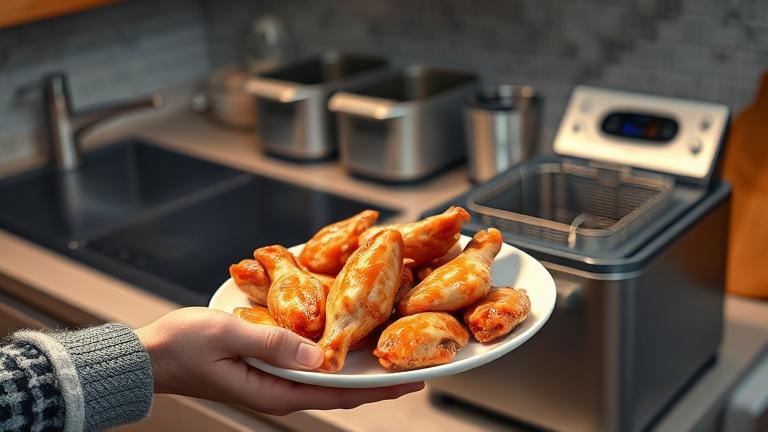
Should You Thaw Chicken Wings Before Frying?
Many home cooks wonder whether they should thaw chicken wings before deep frying or if they can toss them straight from the freezer into hot oil. The answer depends on what kind of results you want and how much time you have. Frying chicken wings from frozen can save time, but it also requires some important safety tips and may result in differences in texture.
If you decide to fry wings from frozen, remember that the oil may splatter more and take longer to reach the proper temperature. This can sometimes lead to uneven cooking or soggy spots if not done correctly. On the other hand, thawed wings generally cook more evenly, producing crispy skin all over. They also heat more quickly, which reduces overall frying time.
Frying from Frozen
Frying frozen chicken wings is possible and quite common. Many people like it because it saves a step and speeds up meal prep. However, there are several tips to keep in mind. First, do not just toss fully frozen wings into hot oil without some preparation. You want to gently break apart any wings that might be stuck together to prevent clumping. Also, avoid overcrowding the pot, as too many frozen wings at once can lower the oil temperature rapidly and cause greasy results.
It’s best to start with cold or slightly warm oil, then gradually add the frozen wings. Expect the frying time to be longer, maybe an extra 2-4 minutes compared to fresh, thawed wings. Use a thermometer to keep the oil at around 350°F to 375°F for crispy and safe results. Be alert for splattering—frozen moisture turning into steam can cause the oil to pop and sputter.
Thawing Before Frying
Thawing chicken wings in the fridge is the safest method. Place the wings in a covered container or sealed bag and let them sit overnight or for about 24 hours. If you’re short on time, you can thaw them more quickly using the microwave’s defrost setting. Just be sure to cook the wings immediately after thawing to prevent bacteria growth.
Thawed wings tend to fry more evenly and develop a crunchier skin since they start at room temperature. This can also help reduce the risk of oil splatters and uneven cooking. For those seeking that perfect crispy texture and even cooking, thawing first is usually the best approach, especially for commercial-style wings or when baking for guests.
Safety and Quality Tips
- Always cook chicken to an internal temperature of 165°F to ensure safety.
- Never put frozen wings directly into hot oil without considering safety and proper technique.
- Be cautious of oil splatters, especially when frying from frozen; wear long sleeves and use a splatter guard if possible.
- If frying from frozen, expect slightly longer cooking times and verify doneness with a meat thermometer.
In summary, you can fry chicken wings straight from frozen if you’re in a hurry, but thawing them first often yields crispier and more evenly cooked results. Consider your timing, safety precautions, and desired texture when choosing which method to use. Regardless of your choice, always prioritize safe cooking practices for delicious, crispy wings every time.
The Risks of Frying Frozen Chicken Wings
Frying frozen chicken wings might seem like a quick way to serve a tasty snack, but it comes with some significant safety risks and cooking issues. If you don’t thaw the wings properly beforehand, you could unintentionally create a messy and dangerous cooking situation.
One of the main concerns is splattering. When frozen chicken wings hit hot oil, the moisture trapped inside turns to steam and causes violent splashes. This splattering can make a big mess in your kitchen and potentially cause burns if hot oil lands on your skin. To prevent this, it’s best to fully thaw the wings and pat them dry with paper towels before frying.
Another common problem is uneven cooking. Frozen wings contain ice crystals that melt during frying, leading to hot spots and uneven cooking. This can result in wings that are undercooked in some areas, which is unsafe to eat, or overcooked edges that become tough and dry. For the best results and safety, always thaw chicken wings completely and ensure they are dry before frying.
Frying icy wings can also cause the oil to bubble over the pot or fryer, especially if you add frozen wings directly from the freezer. This overflow can result in kitchen fires or damage to your stovetop. To prevent this, place the wings in the fridge or a bowl at room temperature until fully thawed. If you’re in a rush, you can use the microwave’s defrost setting, but be careful not to partially cook the meat.
Additionally, frying frozen wings increases the risk of foodborne illness if they aren’t cooked thoroughly. Frozen chicken wings need enough heat and time to reach a safe internal temperature of 165°F (74°C). If they are not heated evenly due to improper thawing, some bacteria may survive, which can cause illness. Using a food thermometer is a good practice to ensure doneness and safety.
To sum up, frying frozen chicken wings without thawing can be dangerous and lead to undesirable results. Proper planning to thaw wings correctly, keeping your oil at the right temperature, and exercising caution during the process helps keep your kitchen safe and your wings delicious and evenly cooked.
How to Properly Thaw Chicken Wings Safely
Thawing chicken wings the right way is essential to keep them safe to eat while maintaining their flavor and texture. There are several safe methods, each suitable for different time constraints and kitchen setups. Let’s review the most reliable ways to defrost chicken wings without risking food safety issues.
Refrigerator Method
This is the safest and most recommended way to thaw chicken wings. It keeps the meat at a safe temperature while gradually thawing. To do this, place the chicken wings in a leak-proof container or sealed plastic bag. Set them on a plate or in a shallow dish in the fridge.
Plan ahead: small batches may thaw in less than 24 hours, but larger quantities can take 1 to 2 days. For best results, start thawing about a day before cooking. This approach also helps maintain a consistent temperature and prevents bacteria growth.
Once thawed, the chicken wings can stay refrigerated for an additional 1-2 days before cooking. If you’re not ready to cook after this period, you can refreeze them without cooking first.
Cold Water Method
If you need to thaw chicken wings more quickly, the cold water method is effective. Ensure the wings are in a sealed plastic bag to prevent water contact and contamination.
Submerge the bag in a bowl or sink filled with cold water. Change the water every 30 minutes to keep it cold and promote even thawing. Small packages may thaw in about an hour, while larger portions could take 2-3 hours.
Once fully thawed, cook the wings immediately. Do not leave them in the water longer, and never use warm or hot water, which can promote bacterial growth.
Microwave Thawing
This is the fastest method but requires careful attention. Use your microwave’s defrost setting, typically based on weight. Follow your microwave’s instructions closely, turning or rotating the wings as needed to ensure even thawing.
Since some parts may start cooking during microwave defrosting, cook the wings immediately after thawing to prevent bacteria from growing. Do not leave partially thawed or partially cooked wings sitting out at room temperature.
Additional Tips for Safe Thawing
- Never thaw chicken wings at room temperature on the countertop. This encourages bacterial growth.
- Always cook chicken wings to an internal temperature of 165°F (74°C) to ensure safety.
- If in doubt, opt for the refrigerator or cold water method to reduce risks.
Following these safe thawing practices ensures you can enjoy flavorful wings with peace of mind. Proper thawing not only keeps your food safe but also helps achieve the best taste and texture once cooked.
Tips for Perfectly Crispy Fried Wings
Fried chicken wings are a popular snack because of their crispy outside and juicy inside. Achieving that perfect crunch is easier than you might think, with some simple tips. The key factors are maintaining the right temperature, selecting the appropriate batter, and using correct frying techniques. Let’s explore how to make your wings irresistibly crispy every time.
1. Use the Right Oil and Maintain Proper Temperature
Choose an oil with a high smoke point, such as vegetable, canola, or peanut oil. This helps prevent burning and ensures even frying. Before frying, heat your oil to about 350°F to 375°F (180°C to 190°C). Using a thermometer is the most reliable way to monitor the temperature. If the oil is too hot, the wings may burn on the outside before cooking through. Too cool, and they will absorb excess oil and become greasy.
Maintain a steady temperature throughout frying. Do not overcrowd the pan since adding too many wings at once lowers the oil temperature. Fry in batches to keep the heat consistent. Allow the oil to recover its temperature before adding more wings.
2. Prepare Crispy Batter or Coating
A good batter or coating is vital for crunchiness. Wet batters made with flour or cornstarch mixed with seasonings create a crispy shell. For extra crispiness, coat wings with a mixture of flour, baking powder, and spices. The baking powder reacts with the oil, contributing to a lighter, crunchier texture.
Ensure even coating by patting wings dry before dredging. Excess moisture can cause sogginess. Dip the wings into the batter or toss in the flour mixture, making sure each piece is coated evenly without excess flour clumping.
3. Frying Time and Technique
Fry wings in hot oil for about 8 to 10 minutes. Turn them occasionally for even browning. Use tongs or a slotted spoon to turn the wings gently. Watch for a golden brown, crispy exterior.
Check for doneness at an internal temperature of 165°F (74°C). Use a meat thermometer for accuracy. Drain cooked wings on a paper towel-lined plate to remove excess oil. Do not stack wings during resting, as this can cause sogginess.
4. Helpful Tips for Extra Crispy Wings
- Let wings rest after coating for about 10 minutes to help the batter set.
- Double fry: fry for 4-5 minutes, remove, rest for a few minutes, then fry again to increase crunch.
- Season the coating generously for flavor, but don’t rely only on seasoning for crunch.
- Serve immediately for maximum crispiness. Keep wings warm in a 200°F (93°C) oven if needed before serving.
Perfectly crispy fried wings depend on proper temperature and preparation. With these tips, you’ll impress friends and family with wings that are crunchy outside and tender inside. Remember, practice helps improve your technique, so experiment with seasoning and frying times to find your ideal crunch.
Common Mistakes When Deep Frying Chicken Wings
Deep frying chicken wings can give them that crispy, golden exterior we love. But if you’re new to deep frying, it’s easy to make mistakes that affect taste and texture. Recognizing common errors will help you achieve restaurant-quality results at home.
One major mistake is overcrowding the pan. Adding too many wings at once causes a drop in oil temperature, leading to uneven cooking and soggy wings. Always fry in small batches, ideally no more than 4-6 wings at a time depending on your pan size.
Controlling oil temperature is also crucial. Too hot, and wings may burn outside before the inside is cooked. Too cool, and wings will absorb too much oil and turn greasy. Aim for about 350°F to 375°F (175°C to 190°C), using a thermometer for accuracy. Adjust the heat to maintain this temperature during frying.
Skipping seasoning is another common mistake. Season your wings beforehand or immediately after frying to add flavor. Also, don’t forget to dry wings thoroughly with paper towels to reduce splattering and improve crispiness.
Finally, avoid stacking wings on paper towels while they’re still hot, because residual moisture can make them soggy. Instead, drain wings on a wire rack over a baking sheet, keeping them crispy for longer.
By avoiding overcrowding, maintaining proper temperature, seasoning well, drying thoroughly, and draining properly, you’ll consistently produce crispy, flavorful wings. Practice and attention to detail will perfect your technique, leading to wings everyone will enjoy.
Cooking Time: Frozen vs. Thawed Wings
When cooking chicken wings, a common question is whether to start with frozen or thawed wings. The chosen method influences the cooking time needed to ensure they are fully cooked, safe to eat, and delicious.
Frozen wings are convenient because they stay in your freezer until needed. Thawed wings cook more evenly and faster. Both methods can produce great results, but the key is adjusting your cooking times accordingly.
How Long to Cook Thawed Wings
For thawed wings, cook times are shorter because they are closer to room temperature or only slightly chilled. Typical cooking times include:
- Frying: About 8 to 12 minutes at 375°F (190°C). Turn halfway for even browning.
- Baking: Approximately 40 to 45 minutes at 400°F (200°C). Turn once or twice during baking for crispiness.
Always verify internal temperature reaches 165°F (74°C). Use a meat thermometer for best accuracy. Usually, thawed wings cook evenly, so no need for extra time.
How Long to Cook Frozen Wings
Frozen wings take longer because they start cold and need additional time to reach proper internal temperature. Adjust cooking times as follows:
- Frying: About 10 to 15 minutes at 375°F (190°C). Be patient and avoid overloading the fryer to prevent temperature drops.
- Baking: Around 50 to 55 minutes at 400°F (200°C), turning the wings once or twice to help crispiness.
Always check the internal temperature before serving. Because they are colder and thicker, thorough cooking is essential to ensure safety.
Tips for Adjusting Cooking Times
- If you’re in a hurry, thaw wings in the fridge overnight or use the microwave’s defrost function. Thawed wings cook faster and more uniformly.
- For extra crispiness, consider broiling or finishing with a quick grill after baking or frying.
- Always test for doneness: juices should run clear, and the meat should be firm with no pink near the bone.
- Prioritize food safety by cooking enough to reach the safe internal temperature rather than undercooking.
In conclusion, thawed wings generally need about 8 to 12 minutes in hot oil or 40 to 45 minutes in the oven. Frozen wings require approximately 10 to 15 minutes frying or 50 to 55 minutes baking. Use a thermometer to monitor internal temperature for perfect results. With these guidelines, you’ll reliably produce well-cooked wings regardless of starting with frozen or thawed meat.
Expert Advice for Delicious Fried Chicken Wings
If you want crispy, flavorful fried chicken wings, expert tips can really help. Whether your wings are frozen or already thawed, the secret lies in proper preparation and frying technique. Here are some professional secrets to help you achieve perfect wings every time.
First, consider the type of wings you’re using. Frozen wings are convenient, but they often contain excess moisture. To ensure crispiness, thaw wings completely in the refrigerator before cooking. Pat them dry with paper towels to remove surface moisture, which helps the coating stick and reduces splattering during frying.
Choosing the Right Breading or Coating
- For a crispy exterior, many chefs recommend a plain flour or cornstarch coating. Mix flour with seasonings like salt, pepper, garlic powder, and paprika for flavor.
- For extra crunch and flavor, dip wings in beaten egg or buttermilk before dredging in seasoned flour or starch. This helps the coating adhere better.
- Alternatively, seasoned breadcrumbs or crushed spicy chips can add texture and flavor variation.
Proper Frying Technique
- Heat your oil to approximately 350°F (175°C). Use a deep-fry thermometer to maintain a consistent temperature. Too hot, and wings will burn; too cool, and they will be greasy.
- Add wings carefully to avoid overcrowding and temperature drops. Fry in small batches if necessary.
- Fry for about 8-10 minutes, turning occasionally for even browning. Wait for a golden brown, crispy crust.
- Remove with tongs or a slotted spoon and drain on a wire rack or paper towels.
Final Tips for Perfect Wings
- Rest the wings a few minutes after frying to allow the coating to set and stay crispy longer.
- For extra crunch, finish frying at a slightly higher temperature for a minute or so—caution is key to prevent burning.
- Toss wings with your favorite sauce, such as buffalo, honey garlic, or barbecue, immediately after frying for maximum flavor and texture. Serve while hot for best results.
Remember, practice makes perfect. Keep an eye on your oil temperature, dry wings thoroughly, and choose a suitable coating. With these expert tips, you’ll create crispy, delicious fried chicken wings that everyone will love. Enjoy and happy frying!