
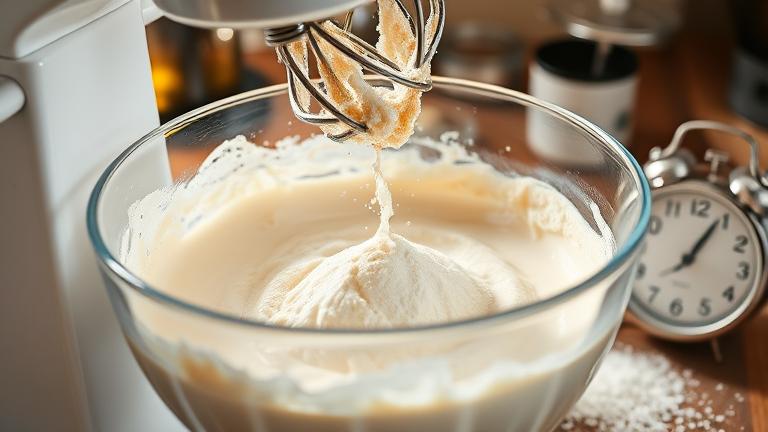
What Is Baking Powder and How It Works
Baking powder is a common leavening agent used in many recipes like cakes, muffins, and biscuits. Its main job is to help baked goods become light, fluffy, and rise properly. But how does it actually do that? To understand, it helps to know what baking powder is made of and the chemical reactions involved.
Most baking powders are a blend of an acid and a base, along with a filler like cornstarch. The two key ingredients are typically baking soda (sodium bicarbonate) and an acid such as cream of tartar or zinc sulfate. The cornstarch keeps the ingredients dry and stable during storage, preventing them from reacting prematurely.
How Baking Powder Works
When you mix baking powder into a batter or dough and then add moisture, a chemical reaction occurs. The acid and baking soda react to produce carbon dioxide gas. This gas forms tiny bubbles within the mixture, causing it to expand and become airy. When the mixture is baked, the heat causes these bubbles to grow larger, helping your baked goods rise into a soft, tender texture.
There are two types of baking powder: single-acting and double-acting. Single-acting baking powder releases all of its carbon dioxide when it is mixed with water. Double-acting baking powder produces some gas when mixed and more during baking, thanks to a second reaction activated by heat. Most recipes use double-acting because it gives you a bit more flexibility during preparation.
What Happens During Baking
As the oven heats up, the trapped carbon dioxide expands further. This expansion creates air pockets in the dough or batter, which set as the structure firms up during baking. This is why your cake or bread becomes fluffy and light.
It’s important to use the right amount of baking powder. Too little, and your baked goods may not rise well, resulting in a dense texture. Too much can cause excess bubbles, leading to a coarse texture or a bitter taste from leftover baking soda.
Tips for Using Baking Powder Correctly
- Always check the expiration date on your baking powder. Old powder may lose its potency and not produce enough gas.
- Mix it evenly into your dry ingredients before adding liquids to ensure uniform rising.
- Use the correct amount specified in your recipe. If you’re converting a recipe or experimenting, start with a small amount and adjust if needed.
- Remember that baking powder reacts quickly once wet, so mix your batter and get it into the oven promptly for the best rise.
By understanding how baking powder works and its composition, you can better control your baking and achieve consistent, delicious results. Whether you’re making a simple muffin or an elaborate cake, mastering its use is an important step in becoming a confident home baker.
Does Baking Powder Need Time to Rise?
Many home bakers wonder if baking powder needs some time after mixing before going into the oven. The answer is generally no. Baking powder begins to react and produce carbon dioxide the moment it’s combined with moisture. This reaction gives baked goods their lift, making them light and fluffy.
Unlike yeast, which requires time to ferment and produce gas, baking powder works quickly. Once you combine it with wet ingredients, a chemical reaction happens right away. This means you can often bake immediately after mixing. However, there are some exceptions and tips to keep in mind for the best results.
Most recipes that use baking powder do not require letting the batter sit for a long period before baking. In fact, if you wait too long after mixing, the leavening gases might escape, leading to flatter baked goods. For quick breads, muffins, or pancakes, it’s best to bake as soon as possible after mixing to capture the leavening power at its peak.
Why Immediate Baking Usually Works Best
- Baking powder reacts as soon as moisture is added. The sooner you bake, the more gas is trapped in the batter, helping it rise brightly.
- If you delay, the gas may escape, resulting in less lift and a denser final product.
- Most recipes are designed to be baked immediately; follow the directions for optimal results.
When Might You Wait?
Although commonly no waiting is needed, some recipes might call for a short rest period. This can help develop flavor or allow ingredients to meld. For example, some muffin recipes suggest letting the batter sit for a few minutes before baking, but this is often for flavor development rather than leavening.
If your recipe specifically mentions letting the batter rest, it’s fine to do so. However, avoid waiting too long—often more than 10 or 15 minutes—because the leavening effect may weaken. Always follow the recipe’s instructions, but remember that in most cases, baking powder is at its best when baked immediately.
Common Mistakes to Avoid
- Waiting too long after mixing your batter, which can cause it to deflate.
- Using old baking powder, which may have lost its effectiveness. Check expiration dates regularly.
- Overmixing the batter after adding baking powder—this can cause too much air to escape, reducing the rise.
In summary, baking powder does not need time to rise before baking. It starts reacting as soon as it hits moisture. For the best light and fluffy baked goods, mix your ingredients and bake right away. If a recipe suggests resting the batter, do so briefly. Following these tips helps ensure your baked creations turn out perfectly every time!
Factors Affecting Rise Time of Baking Powder
When baking, especially with recipes that rely on baking powder for leavening, understanding what affects the rise time can make a big difference in your results. The rise time describes how quickly your baked goods expand and become fluffy. Several factors influence this process, including temperature, moisture, and ingredient interactions. Knowing these can help you achieve a perfect rise every time.
Temperature
The temperature of both the environment and the ingredients plays a key role in how fast baking powder reacts. Baking powder is a chemical leavening agent that produces carbon dioxide when it reacts with moisture and heat. If your oven is too cool or the batter is cold, the reaction will be slower, and the rise will take longer. Conversely, a hotter oven accelerates the chemical reactions, leading to a quicker rise. However, if it’s too hot, the exterior may set before the batter has fully expanded, resulting in dense baked goods.
To ensure optimal rise time, use ingredients at room temperature whenever possible. For example, take eggs and dairy out of the fridge early. Preheat your oven well before baking, so it reaches the correct temperature. This helps the baking powder react at the right time and produce an even, fluffy texture.
Moisture Content
Moisture activates baking powder. When you mix the dry ingredients with liquids like milk, water, or eggs, the baking powder begins to react by releasing carbon dioxide. Too little moisture can slow down the reaction, resulting in a slower or less effective rise. Too much moisture can cause the reaction to happen too quickly, which might make your baked goods rise rapidly and then collapse or become dense later.
It’s important to follow the recipe’s recommended liquid amounts. Avoid overmixing, as it can develop gluten that may hinder rising. Also, avoid letting the batter sit for too long before baking, as this can cause the gas to escape, deflating the rise.
Ingredient Interactions
Baking powder works best when it interacts properly with other ingredients. For example, acidic ingredients like yogurt, lemon juice, or buttermilk can boost the production of carbon dioxide, making the rise faster and more vigorous. On the flip side, too much acid can lead to a bitter taste or uneven rise.
Fats, sugars, and flours also influence the process. Sugar can slow down the reaction initially by absorbing moisture, but it also helps trap air and strengthen the baked product. Too much sugar can cause a delayed rise, while too little might result in a less tender crumb.
Additional Tips for Perfect Rise
- Always use fresh baking powder. Old or expired baking powder loses its ability to react properly.
- Mix your batter just until ingredients are combined. Overmixing can develop gluten in flour, resulting in a tougher texture and less rise.
- Use the correct oven temperature. An oven thermometer can help ensure your oven is accurately heated.
- Consider the altitude. High-altitude baking may require adjustments in baking powder amount and other ingredients.
Best Tips for Proper Rising with Baking Powder
Getting your baked goods to rise perfectly with baking powder is easier than you think once you know the key tips. Baking powder is a leavening agent that creates the airy, light texture we love in cakes, muffins, and quick breads. To achieve the best rise, it’s important to use the right ingredients, measure carefully, and mix properly.
First, always check the freshness of your baking powder. Old or stale baking powder won’t produce enough gas to lift your batter. You can test it easily by adding a teaspoon to warm water; if it bubbles vigorously, it’s fresh and ready to use. If not, replace it. Using fresh baking powder is essential for consistent rising.
Measure Ingredients Accurately
Using the right amount of baking powder is crucial. Too little may result in a flat product, while too much can cause a bitter taste and a rough texture. Usually, a standard ratio is about one to two teaspoons of baking powder per cup of flour. Always measure with a measuring spoon or scale for precision.
Remember that other ingredients can affect rising too. For example, adding too much sugar or fat can slow down the rising process. Follow your recipe measurements closely for the best results.
Mix Ingredients Properly
When combining your dry ingredients, sift the baking powder with the flour. This ensures even distribution and prevents clumping, which can affect the rise. After mixing, create a well in the center of your dry ingredients to add your wet components.
Be careful not to overmix at this stage. Overmixing can develop gluten in flour, resulting in a tougher texture and less rise. Mix just until the ingredients are combined and the batter is smooth. Gentle agitation helps trap tiny air bubbles, aiding in a good rise during baking.
Use the Right Technique for Mixing
- Mix wet and dry ingredients quickly but gently. A swift, light fold reduces the chance of losing the air bubbles that help rise.
- Always bake your batter immediately after mixing. The leavening gas starts to release once combined, so waiting can cause your baked goods to deflate.
- If your recipe calls for cream of tartar or an acid, make sure it is fresh. These acids react with baking soda or baking powder to create carbon dioxide, which helps your dough or batter rise.
Control the Oven Temperature
An important factor in good rising is your oven temperature. Preheat your oven well before baking. A hot oven, usually around 350°F to 375°F (175°C to 190°C), allows the gases to expand quickly, giving your baked goods a good lift. If the oven is too cool, the rise will be slow and may result in dense baked items.
Prevent Common Mistakes
- Don’t forget to preheat your oven. Starting in a cold oven can prevent proper rising.
- Avoid opening the oven door too early. Opening it prematurely can cause the baked good to deflate.
- Use fresh ingredients and accurate measurements for the best results every time.
Following these simple tips helps ensure that your baked items rise properly with baking powder. With practice, you will develop a feel for the right measurements and techniques, leading to perfectly fluffy, light results in all your baking projects.
Common Mistakes When Using Baking Powder
Baking powder is a key ingredient that helps baked goods rise and become fluffy. However, even small mistakes when using it can lead to disappointing results, like flat cakes or dense muffins. Knowing the common errors can help you improve your baking and get perfect, airy treats every time.
One of the most frequent mistakes is using the wrong amount of baking powder. Too much can cause your baked goods to rise quickly and then collapse, leaving a bitter taste. Too little, and your baked items might turn out flat and heavy. Always measure baking powder carefully. Use a proper measuring spoon and level it off with a knife for accuracy.
Another common error is mixing baking powder improperly into the batter. If you don’t evenly distribute it, parts of your baked good might not rise well. To avoid this, sift the baking powder with the flour before combining with wet ingredients. This technique ensures an even spread, leading to consistent rising throughout your baked item.
Timing also matters when working with baking powder. Adding it too early or waiting too long before baking can affect the rise. Baking powder starts working as soon as it is mixed with moisture, so it’s best to put your batter in the oven soon after mixing. Delays can cause the leavening action to weaken, resulting in a denser texture.
Furthermore, baking at incorrect temperatures can interfere with how your baking powder works. Baking at too low a temperature may prevent the batter from rising properly. Conversely, baking at too high a temperature can cause the baked goods to rise rapidly and then sink. Always follow the recommended oven temperature in your recipe for best results.
It’s also a mistake to use baking powder past its expiry date. Over time, baking powder loses its potency and won’t produce the necessary carbon dioxide to lift your baked goods. Check the expiration date and replace old baking powder to ensure reliable rising. A simple test is to mix a teaspoon of baking powder with warm water—if it bubbles vigorously, it’s still good.
For the best outcomes, store baking powder in a cool, dry place away from moisture and heat. Proper storage helps maintain its effectiveness for a longer period.
- Remember to measure carefully and level off your baking powder.
- Sift baking powder with dry ingredients for even mixing.
- Use fresh baking powder by checking the expiration date and performing a quick test.
- Mix your batter just before baking and don’t delay placing it in the oven.
- Follow the recommended oven temperature to ensure proper rising.
By avoiding these common mistakes, your baked goods will rise better, look more appealing, and taste just right. A little attention to detail can make a big difference between a flat dessert and a beautifully fluffy treat that everyone will love.
Quick Tricks for Faster Rising Results
When you’re short on time but still want your bread, dough, or pastry to rise perfectly, knowing a few quick tricks can make a big difference. While traditional rising methods take time, these shortcuts can speed things up without sacrificing the texture or flavor you love.
The secret to faster rising is creating a warm, humid environment that encourages yeast activity. Yeast is the natural leavening agent that causes dough to expand. So, by boosting its activity safely and effectively, you can cut down on waiting time. Let’s explore some practical tips to get your baked goods rising quicker.
Use Warm Water for Activation
Start by dissolving your yeast in warm water, ideally between 105°F and 115°F (40°C to 46°C). At this temperature, yeast becomes more active, producing carbon dioxide faster. If the water is too hot, it can kill the yeast, so use a thermometer if you’re unsure. Using warm water can reduce the initial proofing time by several minutes.
Create a Warm Environment
Rising is most efficient in a warm place. You can speed it up by placing the dough in a warm spot in your kitchen, like near a radiator, on top of an oven that’s been preheated for baking, or inside a turned-off oven with the light on. Cover the dough with a damp cloth or plastic wrap to keep humidity high. This traps heat and moisture, helping yeast work faster.
Use a Proofing Box or Warm Oven
If you have a proofing box, set it to around 85°F to 90°F (29°C to 32°C). No proofing box? No problem. Turn on your oven’s light and place the dough inside, along with a cup of hot water. The enclosed space creates a mini warm environment ideal for rapid rising. Just be sure the oven itself is off so it doesn’t get too hot.
Incorporate a Little Sugar
Sugar provides extra fuel for yeast, helping it activate and multiply faster. Adding a small amount of sugar—about a teaspoon per cup of flour—can give your dough a quick boost. However, avoid excessive sugar, which can weaken the yeast and hinder rising.
Opt for Instant or Rapid-Yeast
Traditional active dry yeast takes longer to activate. Using instant or rapid-yeast can cut the rising time significantly. These yeasts are processed to be more active at lower temperatures and can often be added directly to your dry ingredients without proofing. Check the package instructions for specific timing and methods.
Boost the Rising with Steam
Steam creates humidity and warmth, accelerating yeast activity. You can do this by placing a tray of hot water in the oven while proofing or spritzing the dough with water during rising. This extra moisture helps dough expand more quickly and creates a soft, airy crumb.
- Avoid opening the dough frequently during rising, as it releases heat and slows down the process.
- Ensure your dough isn’t too cold initially; cold dough takes longer to rise.
- Be cautious not to overheat the environment, which can kill the yeast and ruin your efforts.
With these quick tricks, you can enjoy freshly baked goods even when you’re pressed for time. Just remember, the key is warmth, humidity, and a little extra fuel for your yeast. Happy baking!
FAQs About Baking Powder and Rising
What is baking powder and how does it work?
Baking powder is a leavening agent used in many baked goods. It helps dough and batter rise by producing carbon dioxide gas when mixed with moisture and heat. This gas creates bubbles that make baked items light and fluffy. Baking powder contains baking soda (a base) and an acid, which activate when combined with ingredients like milk or water.
There are two types of baking powder: single-acting and double-acting. Single-acting releases carbon dioxide as soon as it gets wet, so you need to bake the mixture quickly. Double-acting releases some gas when wet and more when heated, giving you a bit more flexibility.
How can I tell if my baking powder is still good?
To check if baking powder is active, perform a simple test. Drop a small spoonful into a cup of hot water. If it bubbles vigorously, it’s still good to use. If there’s little or no fizz, it’s time to replace it. Old baking powder loses its potency and won’t help your baked goods rise properly.
Store baking powder in a tightly sealed container in a cool, dry place to keep it fresh longer. Avoid storing it near humidity or in the fridge, as moisture can cause it to lose effectiveness.
How long does it take for baked goods to rise?
The rising time depends on the recipe, oven temperature, and ingredients. Generally, most baked goods start to rise within a few minutes in the oven. For example, muffins or biscuits usually rise within 10-15 minutes of baking. Cakes might take between 20-30 minutes to get their full rise.
Keep in mind that the oven temperature must be correct. Too low, and the product may not rise well; too high, and it could rise too quickly and then collapse. Preheating the oven properly ensures your baked items rise evenly and reach the right texture.
What are common mistakes that affect rising?
- Using expired baking powder — it won’t produce enough gas.
- Overmixing the batter — too much mixing can break bubbles and deflate the rise.
- Adding too much baking powder — can cause a bitter taste and uneven rising.
- Not preheating the oven — can lead to slow or uneven rising.
To avoid these mistakes, always measure ingredients carefully, follow the recipe instructions, and pay attention to oven temperature. Allow the batter to rest briefly if specified, but do not overmix, as this can deflate the rising gases.
Can I modify rising times for different recipes?
Yes, but with caution. Some recipes, like scones or biscuits, rely on quick baking and minimal rising. Others, like loaves or cakes, may need longer rising or proofing time before baking to develop flavor and texture.
If you want a lighter cake, you can sometimes extend the rising time slightly or increase the oven temperature within safe limits. However, always follow the specific instructions in your recipe for best results. Adjusting baking time and temperature too much can negatively affect your final product.